
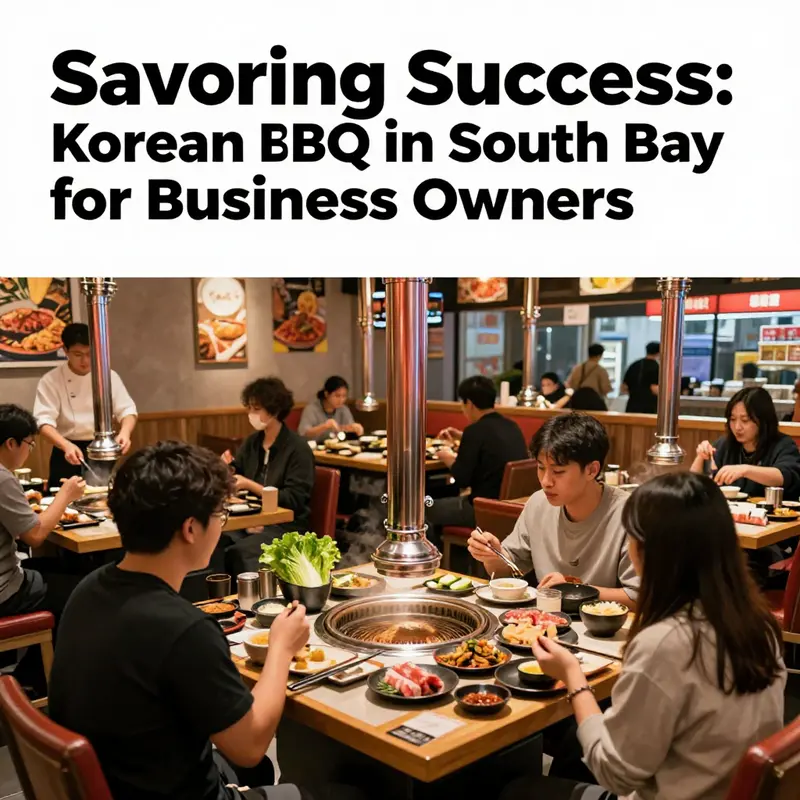
The popularity of Korean BBQ in the South Bay area has risen dramatically over the years, becoming not only a favored dining option for locals but also a significant market for business owners looking to tap into this culinary trend. This article explores the best Korean BBQ restaurants that are making waves in South Bay, the unique dining experiences they offer, and the cultural significance of this cuisine. Each chapter delves into different aspects that can help restaurant owners, investors, and culinary entrepreneurs understand this vibrant segment of the dining industry.
South Bay’s Sizzling Selections: Exploring the Popular Korean BBQ Scene
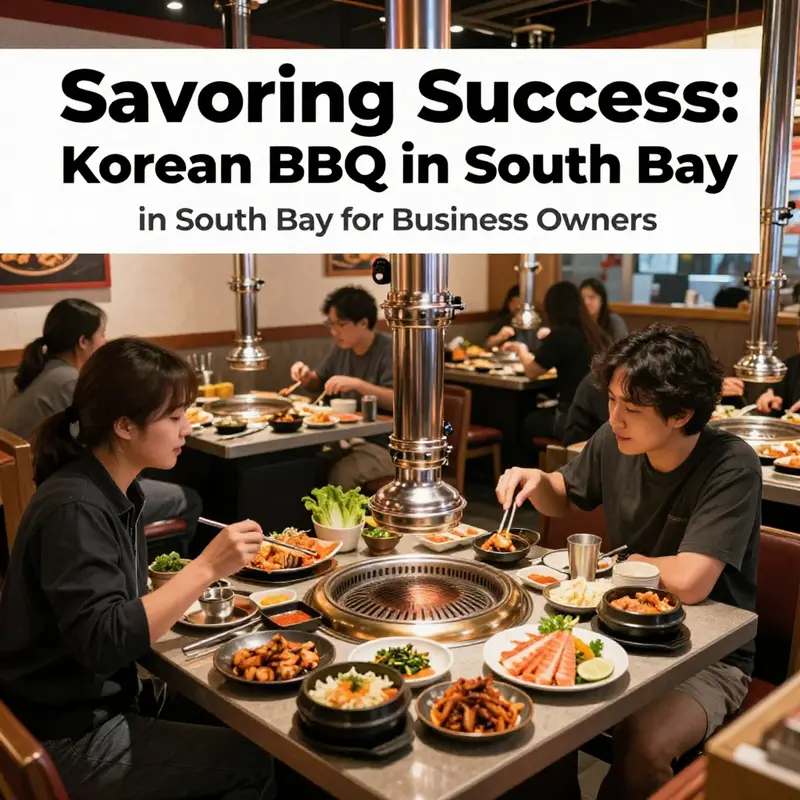
South Bay’s sizzling Korean BBQ scene has become a map for locals and visitors who crave smoke-kissed beef, pork belly, and the brisk energy of a bustling grill room. Across towns and strip malls, a handful of spots consistently earn high praise for flavor, service, and the comfort of a table where the grill is part theater and part meal. Among them, Jang Su Jang stands out for its authenticity and lively ambience, drawing crowds who want a true Korean dinner experience rather than a mere meal. The room hums with conversation as servers run plates of banchan, and the charcoal singes the edges of thinly sliced beef in a way that makes the first bite feel decisive. The balance of seasoning, depth of umami, and the clean finish of the meat set a tone that many South Bay evenings lean toward.
Another strong contender in this orbit is Palsaik Korean BBQ, known for its quality meats and the way its grill experience invites customization. Here, diners can play with different marinades and cuts, watching the colors shift as the meat hits the heat. The emphasis is on variety without sacrificing tenderness, so a table can become a small tasting flight rather than a single-plate meal. The generosity of the portions keeps the conversation going, and the pacing can feel almost ceremonial, a reminder that Korean BBQ is as much about shared ritual as it is about taste.
Atto adds a newer, more contemporary cadence to the South Bay’s smoke and sizzle. Its modern interior with a focus on fresh ingredients makes the dining room feel inviting rather than prescriptive. The kitchen leans into clean flavors and inventive twists, offering a balance that appeals to couples on a date night and friends gathering after work alike. The menu remains anchored in the grill, but the extra attention to presentation and a thoughtful wine or tea pairing can elevate the evening into something worthy of a celebration.
Gaya Korean Tofu & Grill brings a different voice to the table with tofu-centered dishes and grilled specialties that can surprise even well-seasoned BBQ fans. For those who want a lighter footprint without sacrificing the joy of a well-seared slice of meat, Gaya offers options that are satisfying in texture and depth while keeping a more balanced profile. The house tofu, often silky inside with a gentle saucing, acts as a counterpoint to the robust grill items, creating a chorus rather than a solo performance.
Wooga Sullungtang rounds out the list with a deeply satisfying beef soup that can warm the room when the air turns cooler. The sullyngtang’s peppery, savory backbone complements the grill rather than competing with it, offering a comforting counterpoint to the bright, charred notes on the tabletop. Together, these places sketch a spectrum from traditional to contemporary, from hearty meat-forward plates to clean, delicate tofu dishes, and even a soulful soup that anchors the meal.
Beyond the grill, these spots reveal a chorus of traditional banchan—crisp kimchi, pickled vegetables, and seasoned greens, plus dipping sauces that shift with the season. The rhythm of turning meat at the table and wrapping bites in lettuce creates a social ritual that makes Korean BBQ in the South Bay feel like a communal event. The texture spectrum—from thin, marbled beef to tender pork and silky tofu—moves with the heat, while sesame oil adds brightness to each bite. Outdoor seating in warm weather invites longer conversations, and in cooler months the glow of coals becomes a quiet magnet for gatherings. The joy here lies not in one star dish but in the shared conversation around the table as sauces accumulate. Attentive staff guiding sauce choices and grilling times can turn a first visit into a repeated, familiar ritual.
As diners plan a tasting tour, a nod to convenience is useful: reserve ahead, especially on weekends, and think about where to sit to catch the grill in motion. A visit to the Korean BBQ Mall can be a convenient way to sample multiple styles in one stop, with Korean BBQ Mall as a portal to related bites and shared condiments. And for those who want to compare notes with real guests, the Yelp list of top Korean restaurants in South Bay offers fresh perspectives and reviews that help shape a balanced plan: https://www.yelp.com/biz/the-best-korean-restaurants-in-south-bay-ca.
Fire, Flavor, and Gatherings: A Culinary Journey Through Korean BBQ in South Bay
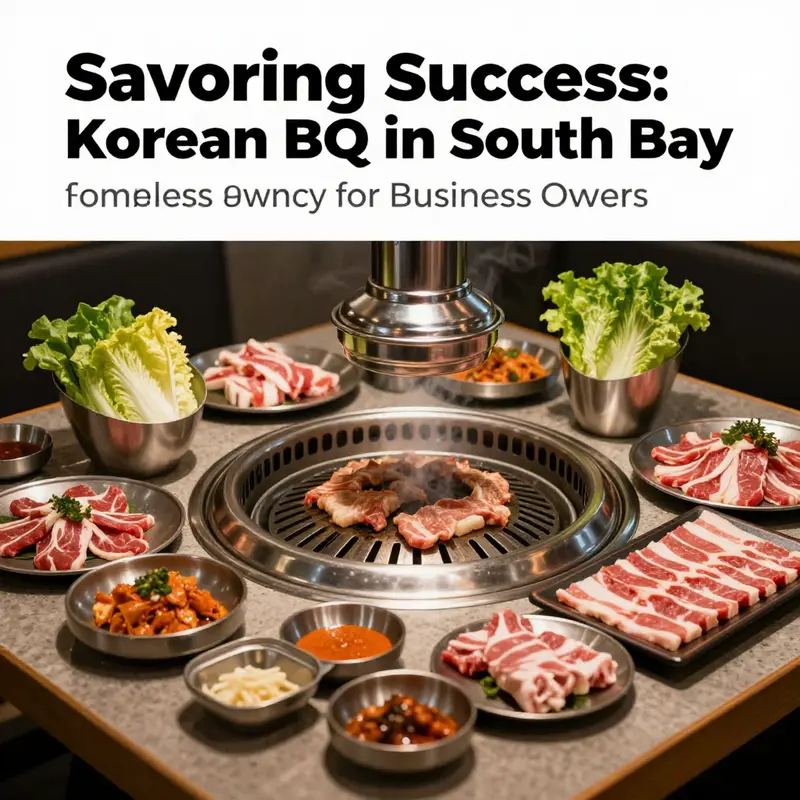
South Bay, California, offers a vibrant and authentic culinary scene centered around Korean BBQ, where the table becomes a stage and every sizzle is a conversation. The appeal lies not only in the meat but in the ritual: diners slice, dip, and grill their selections at tabletop burners, watching thin slices of beef and pork curl and caramelize, while a drizzle of sesame oil catches the light and accents the smoke. This interactive format makes it ideal for family gatherings, first dates, and festive nights with friends, turning a meal into a shared performance. What distinguishes the South Bay experience is how restaurants fuse time-honored fermentation traditions with modern technique, delivering sauces that carry both history and contemporary brightness. The best places invite a sense of ceremony—counterpoints of steam, aroma, and chatter—so that flavor becomes a memory you relive with every bite, every pass of chopsticks, and every story told across the table.
At the heart of the sauces is a deliberate balance of fermentation, heat, and aroma. Gochujang provides warmth and depth, yet is tempered by sweet rice syrup and pear for gloss and tenderness. Doenjang lends earthiness, garlic and sesame oil contribute perfume, and a splash of soy anchors the finish. Rather than a single barbecue sauce, the South Bay ensembles layers of flavor that bloom as the grill sizzles. Short marination times—often thirty minutes to a few hours—keep texture lively, allowing the meat to absorb spice and sweetness without surrendering its bite. The culinary logic mirrors the social logic: quick, lively, and collaborative, inviting everyone to participate in the choreography of heat, aroma, and conversation. When a platter arrives, it’s not just food; it’s a shared cue for conversation, laughter, and a moment of collective digestion that lingers as the steam rises between plates.
Among the region’s standout destinations, you will find places that honor tradition while inviting personal customization. Jang Su Jang is celebrated for its perfectly marinated cuts and the signature sauces that define the house, creating a glossy crust and a nuanced sweetness. Gaya Korean Tofu & Grill excels with both meat and plant-based offerings, presenting fresh ingredients and light, bright flavors that please diners seeking a healthier balance. Atto contributes a modern, elegant ambience with refined iterations of classics, turning a casual dinner into a chic evening out. Wooga Sullungtang pairs a rich bone broth with grilled highlights, offering warmth and depth that make winter meals feel restorative. Kitchen Sodam blends traditional banchan with contemporary plating and generous portions, delivering a comforting, versatile menu that adapts to any appetite. Together, these experiences illuminate how the South Bay’s Korean BBQ scene translates Korea’s shared meals into a local language of texture, aroma, and hospitality.
Beyond dining out, the experience informs home cooking for curious food lovers. To echo the house flavors, start with bright gochujang-based sauces, a dab of doenjang for depth, garlic, sesame oil, and a touch of pear or rice syrup. Marinate in thirty minutes to four hours to keep the meat juicy and allow the glaze to cling as it sears. Use a small tabletop grill if available, or a cast-iron skillet that can recreate the sizzle and crust. The goal is not to clone a restaurant plate but to reproduce the playful rhythm: everyone participates, flavors mingle, and the table becomes a microcosm of Korean dining culture—the sense of belonging that South Bay restaurants amplify through hospitality and craft. As you grill, you’ll notice how the surface browns in just minutes, how the interior stays tender, and how a simple green onion, a slice of radish, or a dab of chili paste can transform a bite into a moment of memory.
Those curious to explore variations beyond the South Bay can widen their lens with broader Bay Area options, including the San Mateo all-you-can-eat Korean BBQ scene. San Mateo all-you-can-eat Korean BBQ offers a complementary perspective on technique, balance, and portioning that fans of the South Bay can appreciate as they travel or compare atmospheres. It’s a reminder that the region’s love for this cuisine translates across neighborhoods, with each spot adding its own flourish while preserving the shared joy of cooking together.
External resource: Yelp’s Top 10 Korean Restaurants in South Bay, CA.
Sizzling Social Bonds: The Cultural Flame of Korean BBQ in South Bay
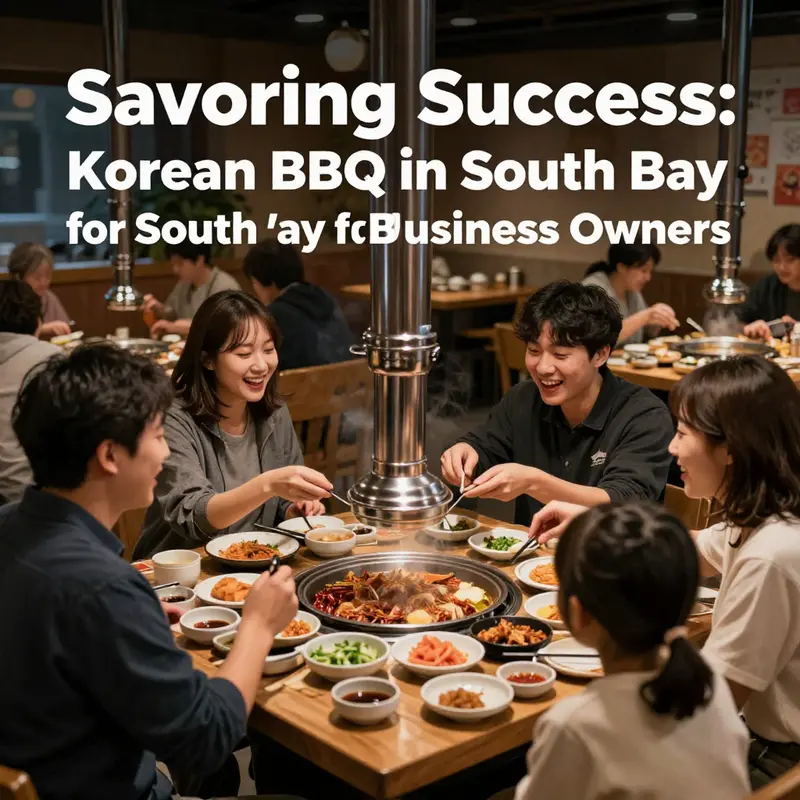
Across the South Bay, Korean BBQ is more than a menu; it’s a social practice that binds people through heat, scent, and shared plates. Long after the smoke dies, the memories linger in the clink of chopsticks and the rustle of lettuce wraps. The tradition is not just about the flavors—though the gochujang’s kick and the ssamjang’s savory depth are signature—but about gathering as a chorus of voices: mothers, friends, couples, coworkers who linger around a hot grill as stories unfold. The roots extend far, tracing back to northern Korea’s nomadic past where meat was a prized resource, and then maturing under the Joseon dynasty’s etiquette of table conversation and ritual. The modern wave, surging after the Korean War, brought meat into urban life and made the grill a focal point of how Koreans express hospitality and joy. As it traveled globally, it learned to adapt while keeping its core sense of communal dining intact.
Within South Bay, the ritual takes on local color. At a table, diners lean into the flame, turning thin slices of marinated beef or pork, allowing the sizzling sound to punctuate conversation. The act of wrapping, with crisp lettuce or perilla, a dab of ssamjang, a sliver of garlic, becomes a hands-on ceremony. Each bite is a negotiation between heat and freshness, sweetness and tang, togetherness and individuality. The communal grill makes space for all ages to participate, from the youngest tasting a piece of carrot tucked into a leaf to the elder who guides the dipping sauce’s balance. This participatory dining is not just about food; it is a practice of hospitality, where the host orchestrates a sequence of movements—sear, wrap, dip, share—that keeps the meal lively and inclusive. In this way, Korean BBQ in the South Bay acts as a social glue, a recurring invitation to slow down, to listen, and to connect in an era of quick takeout and digital screens. The setting—bright kitchens, wood accents, and the gentle roar of grills—also makes room for conversation to wax and wane with the flavors.
Beyond the restaurant, the culture meets households through new ways to recreate the experience. Meal kits and boxed ingredients bring the grill into living rooms, turning a weeknight into an event. Pre-measured meat portions, sauces, and vegetables invite even novices to stage a mini-cookout, guiding couples through a shared date-night ritual or families through a lineage of cooking lessons. The act of cooking and eating together becomes an education in flavor, aroma, and memory, a way to pass down preferences and stories from one generation to the next. Meanwhile, even the physical furniture around the table signals the enduring seriousness of the tradition. Premium Korean BBQ tables for home use—designed to retain heat, accommodate a built-in grill, and endure long evenings of lingering banter—show that the South Bay takes authenticity seriously. The table becomes a small stage for hospitality, a place where space, ventilation, and atmosphere all matter as much as the marinated meat. In this ecosystem, the cuisine travels from busy street stalls to quiet kitchens, and back again, a cycle that keeps the flame alive across seasons and shifts in dining trends.
These patterns mirror Korea’s broader culinary influence while remaining deeply local. The spice of gochujang and the storytelling through banchan arrive in the South Bay as a sensory passport, inviting both longtime residents and curious newcomers to participate in a ritual rather than merely to observe a dish. The experience is inherently social: the grills invite conversation, the shared plates temper competition, and the wrapping ritual creates a language of its own that anyone can learn. What makes the South Bay iteration distinctive is not only the menu but the space it creates for connection. Friends celebrate milestones around the grill; families gather to renegotiate memories in real time; couples discover new conversations around the sizzle. In this way, the chapter of Korean BBQ in the South Bay reads like a living tapestry—an ongoing interweaving of history, taste, and human connection. It is a reminder that food can be a portable tradition, traveling yet anchoring people to a shared story whenever the flame rises again. This shared experience also invites younger cooks to experiment with marinades and timing, building a bridge between memory and experimentation. To explore a deeper, global perspective on the essence of Korean BBQ, see the thoughtful overview that connects spice, sizzle, and tradition: https://www.seriouseats.com/korean-bbq-essence-spice-sizzle-global-tradition
Final thoughts
The vibrant Korean BBQ scene in South Bay is not just a culinary affair; it offers a unique opportunity for business owners to engage with a rich culture and enthusiastic customer base. By understanding the nuances of popular dining choices, unique customer experiences, and the cultural significance behind Korean BBQ, business stakeholders can leverage these insights to create memorable dining experiences and successful ventures. Embracing the trend of communal dining and quality food can lead to increased patronage and a loyal customer base, proving that some of the best business opportunities lie in understanding your community’s culinary preferences.