
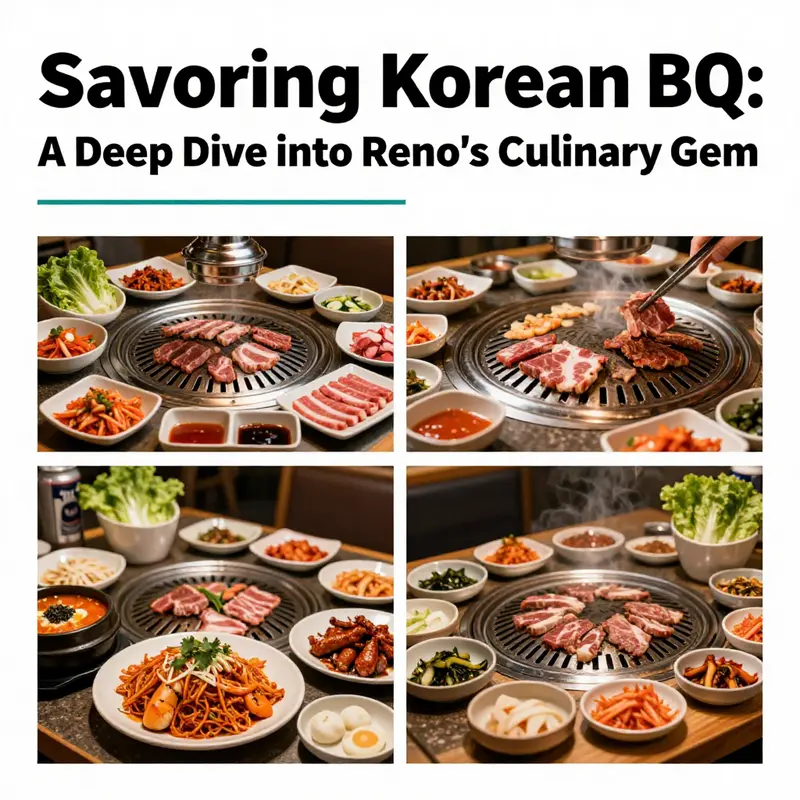
Reno, NV, is becoming a hotspot for Korean BBQ enthusiasts, with vibrant restaurants that celebrate this delicious cooking style. As a business owner looking to attract patrons eager for authentic dining experiences, understanding the local landscape of Korean BBQ is essential. This article breaks down the standout options: Ijji 4 Korean BBQ, known for its high-quality cuisine, and SIU Korean BBQ, a budget-friendly all-you-can-eat option. Furthermore, we’ll delve into the cultural significance and growing popularity of these establishments within the Reno community, providing valuable insights that can influence your marketing strategies and local collaborations.
Under the Flame: Reno’s Premier All-You-Can-Eat Korean BBQ Experience That Defines a Night Out
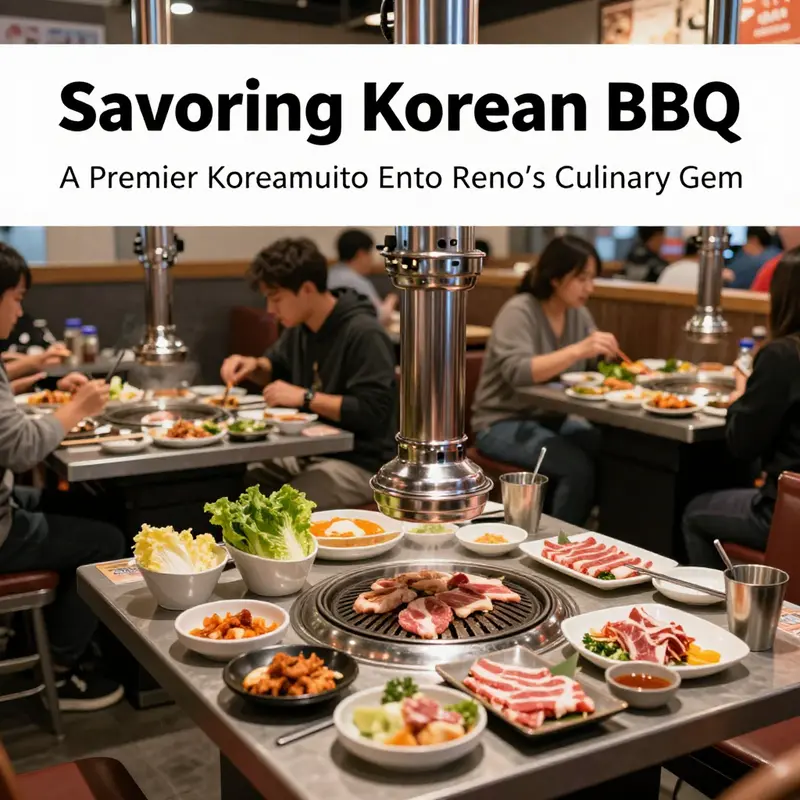
Reno’s dining scene has grown into a tapestry of culinary influences, but one experience stands out as a warm, neighborly rite of passage for many locals and travelers alike: the table-side Korean barbecue that turns a meal into a shared event. In the center of this narrative sits a premier all-you-can-eat concept that invites guests to become co-chefs for the evening, transforming a simple dinner into a lively conversation about flavor, technique, and timing. The venue itself feels welcoming from the moment you step in, with a bright, clean dining room that still carries that intimate, family-style energy. The grills glow with a steady amber light, and the aroma of sizzling meat mingles with the chatter of friends and families settling into a long, satisfying meal. It’s not merely about eating; it’s about the ritual of gathering, selecting, and watching the sear on each cut as if the evening itself depended on it.
The core appeal is precisely that interactive, social rhythm. Guests begin by choosing from a well-curated lineup of meats, many of which are marinated to deliver a quick-pick contrast: a fragrant bulgogi with a balance of savory sweetness, and galbi that arrives slick with glaze and ribbed with the deep, caramelized notes that only careful grilling can coax. The marinated options contrast with pristine, unseasoned cuts that allow the natural beefy richness to shine when touched by the high heat of the grill. Each plate is a prompt for conversation: which piece hits the right balance of char and tenderness, which slice is ready for a sharper, more peppery dip, and which sauce will become the secret shellac that binds the night together. The kitchen-side science of timing matters here as much as taste. Grilling at the table—an art that rewards patience—lets diners adjust the heat, flip with confidence, and sample a piece at exactly the moment when the crusty edge gives way to a supple, almost buttery center.
What elevates the experience beyond a simple meat-and-dip setup is the care given to maintaining a sense of abundance and balance. A generous array of banchan—kimchi, pickled radish, and seasoned greens among them—are kept in steady supply. These little side dishes do more than complement the main event; they set the cadence of the meal, providing palate-cleansing contrasts that make each bite feel new again. The staff supports this flow with a thoughtful touch, changing the grill surface and even the serving platters as needed to keep every course tasting fresh and carefully prepared. That attention to detail—paired with a consistent tempo of replenishment—helps the evening feel both indulgent and well paced, a rare combination in a city that often pivots between quick-service dining and more formal experiences.
In this Reno chapter of Korean barbecue, the menu evolves with a quiet confidence. The restaurant has introduced a Premium option that, for a modest surcharge, expands the meat selection to offer four additional cuts. The choice feels like a natural extension of the core concept: more varieties, more opportunities to explore textures and marinades, all under the same roof. The price ladder reflects a straightforward philosophy: a lunch around a little over twenty dollars and a dinner that lands around the mid-thirties, with the Premium tier nudging just past forty-five per person. The value proposition remains compelling because the quality of meat is consistently high, the marinades demonstrate a confident grasp of balance, and the accompanying keep-warm sides help anchor the flavors through a long, satisfying sequence of bites.
What often seals the memory of a meal here is the closing note—the simple, comforting sweetness of complimentary ice cream after the main course winds down. It’s a small tradition, but it signals the final recognition of a meal that felt almost ceremonial in its pacing and generosity. The setting, the scent, and the sense of shared discovery linger well after the last spoonful is enjoyed. In a city with a growing roster of dining options, this experience stands out not only for its appetite-satisfying breadth but for its ability to feel like a homecoming dinner rather than a mere restaurant visit.
External resource: https://www.yelp.com/biz/ijji-4-korean-bbq-renos
Charcoal, Community, and Value: An Affordable All-You-Can-Eat Korean BBQ Experience in Reno
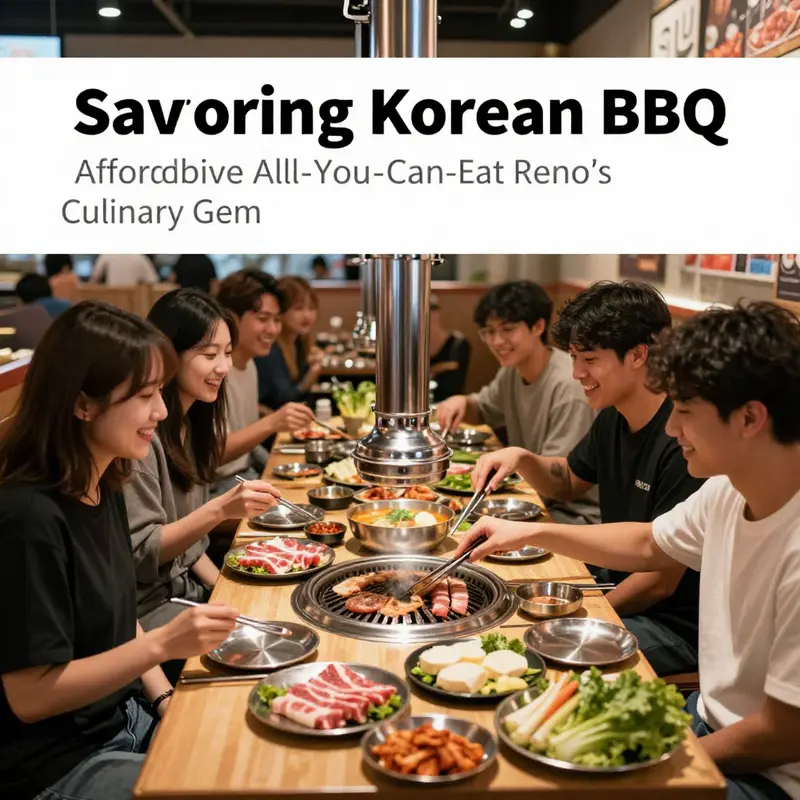
In Reno’s broader dining scene, a distinctive pattern has emerged around the all-you-can-eat concept built on charcoal, sizzle, and shared plates. The Sparks-area option that many locals flock to centers on a kitchen philosophy that prioritizes freshness, generous portions, and a social rhythm that turns a meal into a hands-on, collectively enjoyed experience. This is not a quiet, solitary tasting menu but a dynamic, table-top celebration where conversation rises with the smoke and the clatter of grills. Guests arrive not just to eat but to participate in a culinary performance, where each person contributes to the tempo of the meal and the layering of flavors. The setting itself reinforces this idea: a family-run operation rooted in hospitality, where the staff treats the dining table as a space for connection as much as for cooking. It’s in this balance between hands-on cooking and warm service that the value of the experience shows itself most clearly.
On the floor plan, the Sparks location anchors the experience with a straightforward, no-frills ambiance that emphasizes comfort over trend. It feels like a neighborhood hangout where the kitchen is visible and the team rotates through guests with a practiced, friendly familiarity. The atmosphere invites groups of friends, classmates, and families to settle in for a long, convivial session rather than a quick in-and-out bite. The heat from the grills becomes a shared focal point, drawing guests into conversations about preferred doneness, spice level, and the right moment to flip or rest a piece of meat. This is where the meal earns its true character: a collective ritual that folds cooking, tasting, and talk into one immersive experience.
The menu plays a central role in shaping that experience. A broad assortment of meats is offered, with classic choices that the palate quickly recognizes and trusts. Bulgogi, a marinated beef with a balance of sweetness and savory depth, anchors the lineup. Galbi, roasted short ribs, arrive with a caramelized crust and a tenderness that invites longer, slower cooks on the grill. Pork belly provides that satisfying, fatty counterpoint that caramelizes beautifully when seared at the table. Alongside these meats, an array of traditional accompaniments—the banchan—acts as a chorus that highlights balance and texture. Kimchi provides spice and brightness, pickled radish offers crisp sweetness, and seaweed salad brings a clean, mineral note to cleanse the palate between bites. The combination encourages diners to approach the table like a small, shared tasting menu rather than a single course of meat.
Vegetarian options and a selection of beverages ensure the experience remains inclusive. While the focus centers on the interactive grilling of meat, the kitchen also accommodates vegetable-forward choices and side dishes that let non-meat eaters participate in the same social ritual. The beverage list, though not the star, offers complements that echo the meal’s bold flavors—refreshing, lightly sweet options for cutting through spice and soothed by the coolness of pickled vegetables. In this setting, the meal feels approachable for a broad range of guests, from curious first-timers to seasoned diners who want to savor multiple different cuts in one sitting. This inclusivity is part of the reason the concept travels well with students, families, and groups that value both flavor and affordability.
The interactive element remains the defining feature. Each table is equipped with a grill where guests control the pace of cooking, the level of sear, and the sequence of bites. Staff members are less a distant server and more a cooperative partner in the cooking process, ready to assist with timing and technique or to swap out a pan to maintain the grill’s heat and the meat’s texture. This hands-on approach fosters a sense of shared responsibility for the meal’s success. It also creates a natural flow of conversation, as diners compare tips, trade sauces, and cheer when someone manages a perfectly caramelized edge. The result is a dining experience that feels participatory and communal, intensifying the enjoyment of simple pleasures—the crackle of fat as it hits the flame, the aroma of sesame oil and flashed garlic, the satisfying bite of a well-seared rib while friends trade stories across the table.
From a practical standpoint, the model offers clear value. The all-you-can-eat format makes it feasible for larger groups who want to sample a wide variety of meats and preparations without worrying about the bill accumulating too quickly. It’s also a strong draw for budget-conscious diners who still insist on depth of flavor and authenticity. Reviewers often emphasize the combination of generosity, approachable prices, and attentive service as the core reasons for returning. The experience is not about luxury or exclusivity; it’s about a reliable, satisfying meal that brings people together around a shared grill and a table full of bold flavors. The sense of community that grows from repeated visits—friends returning for favorite combinations, students gathering after exams, families carving out a weekend ritual—helps explain why this format remains resilient in a competitive market.
For those planning a visit, there are practical tips that help preserve the flow of a long, social meal. Arriving during peak times can lead to brief waits, so booking ahead is prudent, especially on weekends or holidays. It’s worth confirming hours and any special offerings that might affect the menu or the dining pace. The availability of vegetarian options and takeout services varies by location, so a quick call or online check can save a trip if a specific need is required. Above all, approach the experience with an appetite for variety and a willingness to participate in the process—the grill becomes a shared instrument, and every diner contributes to the performance. For readers curious about how the broader scene of Korean BBQ can blossom into a region’s own flavor of all-you-can-eat culture, a broader guide on the unlimited format offers helpful context: Korean BBQ unlimited near me.
As Reno continues to diversify its culinary map, this Sparks-based gathering spot embodies a straightforward truth: value, authenticity, and connection aren’t mutually exclusive. The all-you-can-eat format, when executed with care and attentiveness, invites people to linger, share, and savor without the pressure of a rigid menu. It becomes a place where the ritual of cooking at the table mirrors the rhythm of conversation—two tracks moving together toward a satisfying, flavorful conclusion. In that sense, night after night, the experience extends beyond simply filling plates. It cultivates a sense of community around the grill, a small celebration of a city’s appetite and its willingness to come together around food, fire, and friends. This is how a single dining concept, anchored in value and shared labor, can become a meaningful chapter in Reno’s ongoing story of Korean cuisine.
Sizzle, Community, and Culture: How Korean BBQ Became Reno’s Social Table
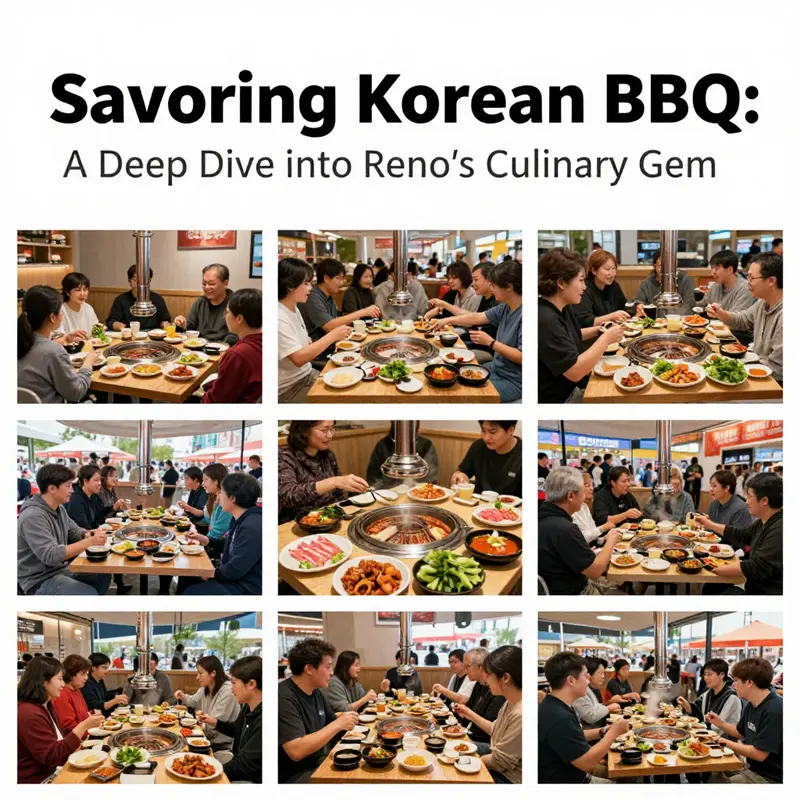
In Reno, the dining scene has become a stage where tradition meets the city’s vibrant pace. Among the most enduring experiences is the Korean barbecue ritual, a dining form that invites participation, conversation, and shared memory. The city’s Korean barbecue spots have grown into hubs where college friends, coworkers, families, and visiting travelers converge not just for a meal but for an event that centers social connection as much as flavor. The appeal rests on a simple premise: food is cooked at the table, a chorus of sizzles rises as meat hits a hot grill, and everyone around the table curates bites, builds wraps, and trades plates while conversation unfolds. This hands-on format turns dining into a communal performance, and Reno has embraced it as an inviting, affordable, repeatable social ritual.
The essence of the experience is the tactile engagement itself. Diners shoulder responsibility for searing their selections to preference, guided by attentive staff who offer expertise when needed. The grills are built into tables, a design that keeps the group close, eyes a few inches from flame, and voices within easy reach. Even in a city known for outdoor light, the indoor warmth of table-fired cooking creates a portable festival of scent and sound. The process—choosing meats ranging from tender marinated cuts to lean selections—transforms dinner into a collaborative art project. Around the grill, conversations flow as freely as sauces, and cooking becomes a shared language. In Reno, Korean barbecue is less a solitary dining decision and more a social contract to linger, laugh, and savor together.
The two most frequented spots in the local scene exemplify this dynamic without imposing a formal path. Patrons trust consistent ingredient quality, careful prep, and an atmosphere that blends warmth with efficiency. The service emphasizes attentiveness without intrusion; staff refresh grills and swap pans to sustain sizzling momentum. The arrangement invites diners to compare marination depth, debate which banchan complements a particular cut, and rethink condiments as part of the meal. The result is immersive in a way many quick-service meals are not. Diners depart with a full stomach and a sense of having participated in a small cultural exchange, a ceremony that feels Reno in its openness and hospitality.
More broadly, the cuisine’s magnets are universal: unpretentious hospitality, bold yet balanced flavors, and the freedom to write your own feast at the table. In a city with a growing, diverse population and steady visitor influx, the appeal crosses generations. For students budgeting meals, families planning weekends, and coworkers celebrating after hours, the attraction lies in scalable portions, the opportunity to sample a range of cuts, and the social reward of a meal lived in the moment. Word-of-mouth threads through Reno’s communities often begin with a smoky table scene—an invitation to join for a meal that feels both comforting and lively. Restaurants become places where the city’s stories braid together: long workweeks, new friendships formed over first bites, and the satisfaction of a well-timed grill flip that brings a table to contentment.
The cultural frame rests on a lineage of Korean culinary practice, traveling far beyond its origins to find a home in the American West. Sauces, fermented pastes, and layered textures echo centuries of technique but are reimagined in Reno through local tastes and shopping options. Diners still encounter fresh banchan, crisp wraps, and the ritual of wrapping meat with paste and lettuce, but in Reno these rituals gain new texture against the city’s service culture and pace of life. The result is a culinary form that feels ancient and current, a bridge between tradition and contemporary appetite for social dining that respects individuality while inviting experimentation.
The rise of Korean barbecue here also shows how global culinary movements adapt to regional landscapes. The fermentation-forward sauces, balanced blends of sweetness and umami, and emphasis on generous portions fit Reno’s appetite for comfort without heaviness, for a meal that is satisfying and interactive. In this climate, dining becomes a form of community building—a habit that sustains friendships, supports gatherings, and becomes a shared cultural moment locals return to. For those seeking a glimpse into the local scene, one can explore all-you-can-eat models that capture abundance and social exchange, mindful of reservation etiquette on weekends and holidays.
If you’re curious about budget-friendly options that preserve the heart of the experience, you can explore this guide to all-you-can-eat options: https://kogikoreanbbq.net/all-you-can-eat-korean-bbq-near-me/. This link points to a broader catalog of accessible experiences that echo Reno’s rhythm while preserving the sense of occasion that makes Korean barbecue stand out.
In the end, the story of Korean barbecue in Reno is a story of gathering. People sit together, share a grill and a table, trade bites and stories in a place that feels like a welcoming neighborhood gathering, even when flavors are bold and conversation lively. It reminds us that food, in its most communal form, builds a culture of togetherness that a city like Reno can nurture. For readers seeking a snapshot of the broader scene, the chapter sits on a foundation of reviews and regional conversations that underscore how these dining experiences continue to cultivate community and invite everyone to pull up a chair and join the sizzle.
Final thoughts
The Korean BBQ scene in Reno exemplifies a blend of culinary excellence and cultural celebration. Ijji 4 Korean BBQ and SIU Korean BBQ offer unique experiences that cater to diverse audiences, highlighting the significance of community dining. As the popularity of Korean BBQ continues to rise, these establishments not only enrich the local gastronomical landscape but also provide invaluable insights for business owners aiming to connect with customers who cherish authentic dining experiences. By recognizing the appeal of Korean BBQ, local businesses can harness this growing trend to foster collaboration and enhance their visibility in the community.