
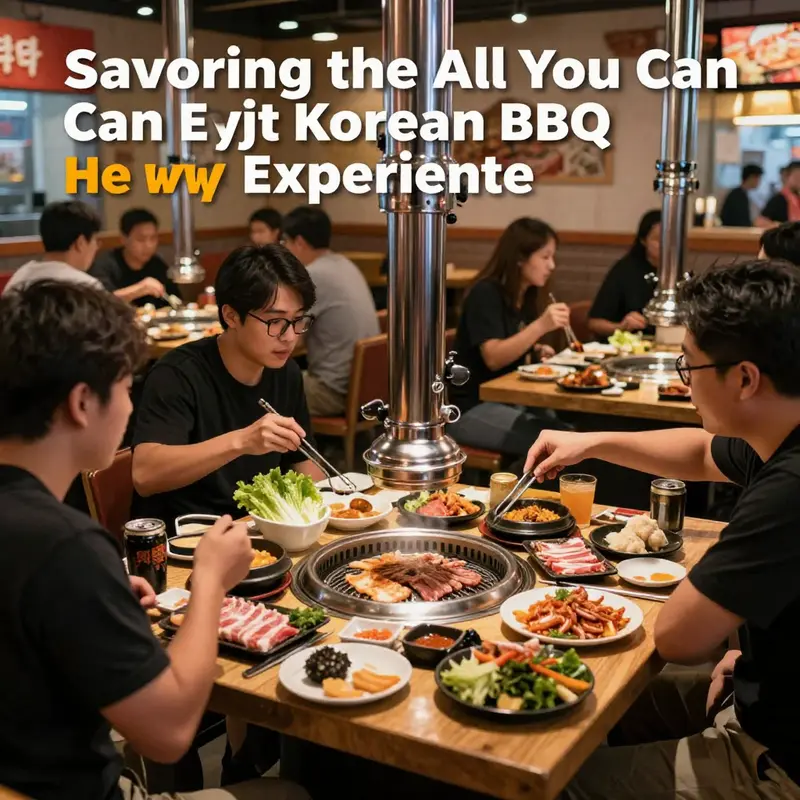
Korean BBQ All You Can Eat dining has surged in popularity across the United States, with enthusiasts flocking to various hotspots that offer unique flavors and abundant variety. Especially in regions like San Jose, Sacramento, and Las Vegas, the allure of unlimited BBQ options is hard to resist. This article will explore the delightful experience offered by restaurants like GEN Korean BBQ House in San Jose, unveil the top choices throughout the Bay Area, and highlight family-friendly venues in Sacramento and Las Vegas that provide both quality and affordability. By understanding these dining opportunities, business owners can gain insights into the growing trend and consumer demands in the restaurant industry.
Infinite Sizzle and Shared Plates: Inside San Jose’s All-You-Can-Eat Korean BBQ Experience
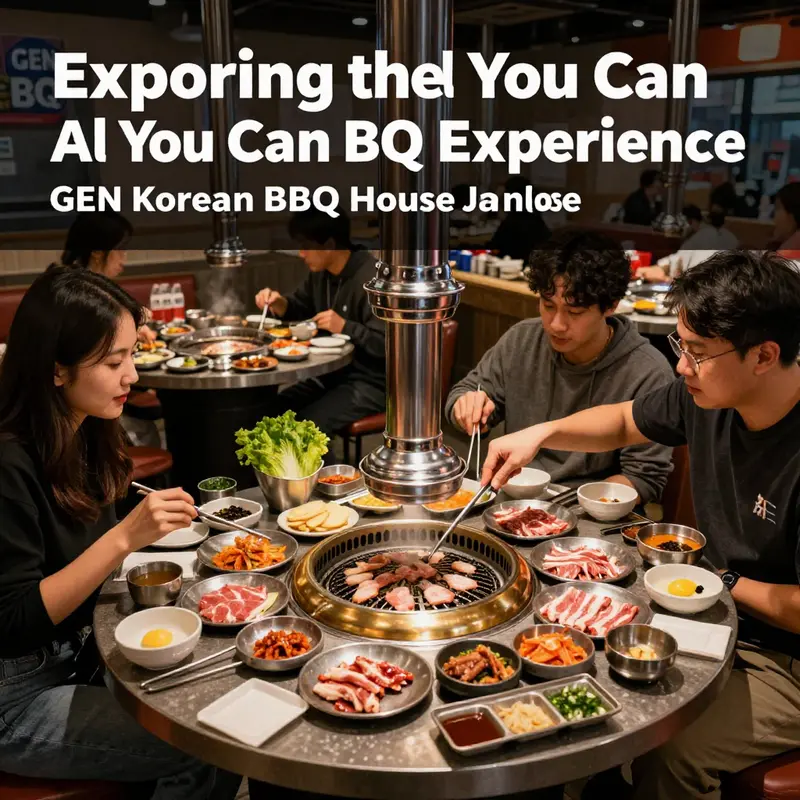
San Jose sits at a crossroads of energy, culture, and food, and its Korean barbecue all-you-can-eat scene embodies that mix with a distinctive, interactive flair. The experience is less about simply eating and more about a communal, hands-on dining ritual that invites everyone at the table to take part in the cooking, the pacing, and the conversation that grows around a hot grill. In this city, the all-you-can-eat model isn’t just a price point; it’s a philosophy of abundance, freshness, and the joy of shared appetite. At one standout venue on Hostetter Road, the promise is simple: an endless parade of meats and seafood, delivered to the table in neat, raw portions, and left to each guest to sizzle, season, and savor to their heart’s content.
The menu unfolds like a curated tasting without boundaries. Diners can explore a spectrum of proteins—from premium cuts that melt into bite-sized tenderness to leaner, brisker options that offer a quick, bright contrast to richer flavors. Ribeye and short ribs sit alongside hearty chicken, shrimp, calamari, and even adventurous items like beef tongue, all available in an unlimited loop. The thrill comes not only from the variety but from the control. Each guest becomes their own chef, deciding how long a cut stays on the grill, how much char it earns, and how to pair it with the surrounding condiments and greens. Servers arrive with the raw selections and a quick check-in to ensure the grill remains hot, the plates keep rotating, and the pace stays brisk enough to keep the mood lively without ever feeling rushed.
What anchors the experience is the sense of value paired with quality. The weekday lunch window offers an exceptionally accessible entry point, with a price that makes the first round feel like a well-turnished tasting menu rather than a heftier dinner bill. The dinner window, while a touch more expensive, expands the horizon with the same generous spirit. And because the sides arrive in unlimited supply, the setting becomes less about a single plate and more about a continuous flow of flavors that cleanse and complement the meat—crisp kimchi to cut heat, pickled radish to refresh the palate, and a glossy seaweed salad that adds a briny lift. It’s a deliberate balance: the grilled meat delivers richness; the small dishes reset the palate so the next bite feels new again.
The ambience adds another layer to the chapter’s central theme. The space is modern and bright, with an atmosphere that leans toward energetic rather than hushed. It feels contemporary in its design, yet warmly social, a place where friends, families, and colleagues share laughs as they exchange tips on achieving the perfect sear. The grill, perched at the center of each table, becomes the focal point—a small stage where each person contributes to the performance. The staff plays a supportive role, swapping out grill tops as needed, ensuring even heat distribution, and guiding newcomers through the rhythm of the meal. If there’s a caveat to the experience, it’s that weekends can surge with demand, and lines may form. In those moments, the value shines brighter when patience is met with solid portions and the certainty that the feast will be worth the wait.
For guests who plan ahead, the experience reveals a social economy of abundance. The layout encourages shared plates and a cooperative approach to tasting. It’s not unusual to see a group of four map out a strategy: start with the milder cuts to build confidence with the grill, introduce seafood for a lighter sweetness, then move toward the more assertive, marbled meats that hold flavors beautifully under a quick sear. The hands-on setup makes it easy to pace the meal to fit a relaxed afternoon or a festive evening, providing a sense of rhythm as natural as a conversation among friends. And because the menu spans a wide range of textures—from the silkiness of certain cuts to the crisp snap of charred edges—the dining experience becomes a study in contrasts, with each bite offering something distinctly different from the last.
Beyond the walls of a single venue, the all-you-can-eat Korean BBQ model in the Bay Area has proven its adaptability. The same logic that rewards choice and freshness travels across neighborhoods, inviting visitors to compare experiences and discover how each place interprets the concept—whether through a longer tasting list, a broader seafood lineup, or a slant toward premium beef and in-house marinades. For readers who might be curious about analogous experiences elsewhere, a nearby option in San Mateo offers a comparable all-you-can-eat framework, reinforcing how these venues build community around shared plates and unlimited access. All-You-Can-Eat Korean BBQ in San Mateo serves as a helpful reference point for those exploring how the same culinary idea plays out in adjacent cities. The thread remains consistent: a focus on freshness, attentive service, and value that invites guests to stay curious bite after bite.
Within the broader landscape of all-you-can-eat Korean BBQ, the San Jose scene, anchored by a venue on Hostetter Road, demonstrates how a well-curated menu can translate into a compelling return visit. The stated aim is not merely quantity but a sequence of experiences—each round of grilling a small story, each side dish a pause to reflect on the dish that came before. The pricing strategy underscores this philosophy. Weekday lunch presents an unusually approachable entry point, enabling individuals and families to sample multiple cuts without fear of a prohibitive bill. Dinner presents a more expansive iteration, inviting longer conversations, stronger flavors, and a social pacing that suits evenings out with friends. The unlimited banchan—kimchi, pickled radish, seaweed salad, and more—acts as a counterbalance to the richness of meat, inviting diners to reset their palates and explore the spectrum of textures available at the table.
In this chapter, the goal is to capture the essence of that experience—the way heat, meat, and conversation mingle to form a memory of a meal that feels generous without being indulgent, and social without feeling performative. The dining ritual becomes a shared activity, a kind of edible theater where the cast includes cooks of all ages and both seasoned enthusiasts and curious newcomers. It’s not merely nourishment; it’s a social event that turns a table into a tiny ecosystem of appetite and hospitality. And if the chapter’s narrative invites readers to imagine their own next visit, it also invites them to look beyond one venue and recognize the broader pattern: a city that values accessible, high-spirited dining where every bite is part of a larger conversation about flavor, craft, and community.
External reference for broader context: https://www.tripadvisor.com/RestaurantReview-g32029-d1251976-Reviews-GenKoreanBBQHouse-SanJoseCalifornia.html
Unlimited Sizzle, Bay Area Style: A Fluent Tour of the Region’s Best Korean BBQ All-You-Can-Eat Experiences
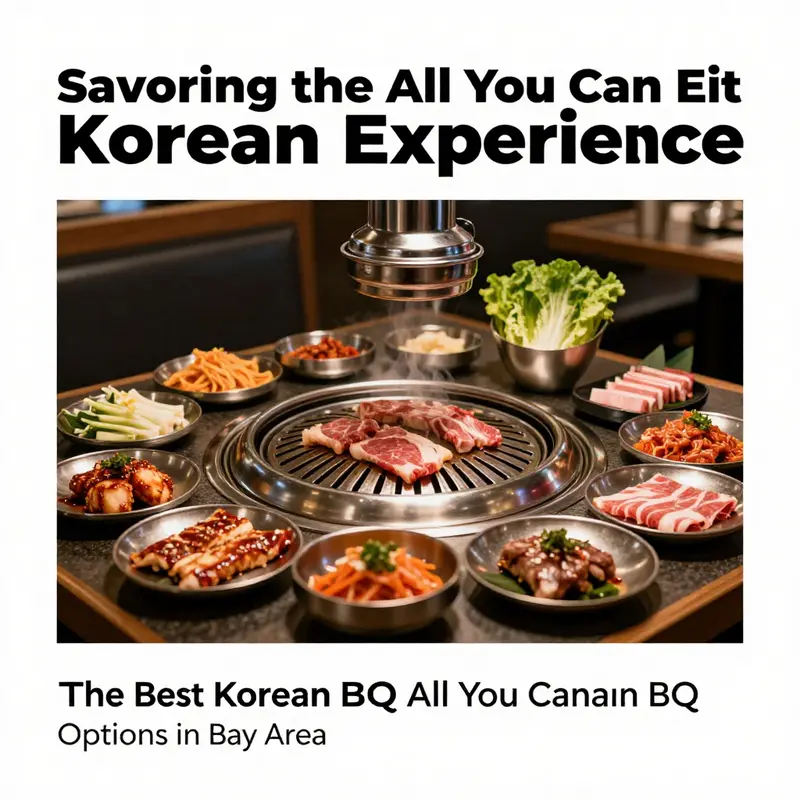
The Bay Area has long lived at the crossroads of flavor, culture, and experimentation, and the Korean BBQ all you can eat scene fits neatly into that urban mosaic. Here, unlimited portions aren’t just a test of appetite; they are a social ritual that turns a meal into an event. The appeal goes beyond the simple math of more meat for less money. It is about the choreography at the grill, the chorus of sizzle as marbled slices hit the heat, and the way banchan, sauces, and crisp lettuce leaves assemble into small, portable meals. In this corridor of cuisine, a few standout concepts shape the experience: distinct cooking methods, broad meat selections, and service models that keep the flame lively without sacrificing quality. While the broader coast-to-coast conversation includes many cities, the Bay Area’s all you can eat Korean BBQ spots offer a particularly telling snapshot of how the format evolves when the palate is diverse, the market is competitive, and hospitality is as much a part of the meal as fire and flavor. Among these, three venues in the Bay Area region have drawn frequent praise for different reasons, each contributing a unique thread to the larger tapestry of what unlimited grilling can feel like in this part of California.
Take Bowl’d BBQ in Oakland as a case study in technique. Rather than cooking directly over a flame, this restaurant leans into a hot stone plate that sears the meat with steady, contained heat. The result is meat that stays juicy, with less oil pooling at the surface, and a clean, honest char that doesn’t overwhelm the natural flavors. The method invites a slower, more mindful pace at the table, which can turn a simple plate of brisket or pork into a mini tasting experience as you learn to balance the heat and the bite. Fresh ingredients and careful handling are evident from the first bite, and the overall vibe—bright, modern, and unpretentious—encourages guests to linger, switch cuts, and experiment with a few complementary condiments. The Oakland locale anchors its reputation in accessible pricing, consistent portion sizes, and a welcoming service dynamic, where servers appear attuned to demand for a steady rotation of grill changes and banchan replenishment. The place is easy to find, and the neighborhood energy around Telegraph Avenue helps the meal feel like part of a larger city-life ritual.
Gen Korean BBQ House in San Jose represents a different axis of the unlimited format, one that emphasizes breadth and value. The menu boasts a substantial range of choices—thirty-seven meats, as noted by regulars—paired with a bevy of popular sides, from chewy rice cakes to creamy ice cream for dessert. The approach here leans toward abundance, inviting groups to curate a mosaic of textures and flavors across multiple rounds. This is a spot where the thrill lies in the variety: a plate of lean cuts alongside rich fatty morsels, a moment with a spicy sauce, another with a delicate sesame oil dip, and perhaps a bite of a lighter side to cleanse the palate between passes. The San Jose setting adds a slightly more urban, bustling energy to the experience, which can amplify the social aspect of the meal—laughter, shared plates, and the quick tempo of a line forming at peak times. Yet even with crowds, the staff tends to maintain a steady rhythm, keeping grills hot and meats turning without sacrificing the sense that you are embarking on a culinary tour rather than simply eating a lot of food.
Gogi Time in Oakland offers a different dimension again by blending the grill with a second culinary lane—the spicy seafood stew and other hot pot elements that pair unusually well with the smoke of grilled meat. This is a venue for diners who want both the classic barbecue and something more dynamic, a pairing that allows the palate to travel through multiple textures in a single meal. The environment supports this dual approach: a comfortable, contemporary dining room that can accommodate groups who want to coordinate several courses and share a broad array of ingredients. The appeal of Gogi Time is not merely quantity but variety and speed of service, which suits celebratory gatherings or casual evenings when the goal is to sample a broad spectrum of flavors without getting stuck in a single routine. The spice and the seafood additions are sometimes the breakout moments—the little discoveries that turn a familiar meal into something memorable and conversation-worthy.
Together, these Bay Area options illustrate how the all you can eat format adapts to local tastes and demands. One spot foregrounds a precise, cleaner cooking method that preserves the integrity of each cut; another leans into an expansive menu that rewards repeat visits and group planning; a third broadens the concept with hot pot and seafood to create a more dynamic, multi-course experience. The common thread is value conveyed through quality, not simply quantity. Guests arrive expecting to leave with a full stomach and a sense of discovery, and they are rarely disappointed when the kitchen team keeps the grill active and the banchan refilled with the same dependable generosity that characterizes the best all you can eat experiences.
Practical considerations weave into the narrative as well. In day-to-day practice, the best nights often unfold when a party includes a mix of meat lovers, vegetables and a shared appreciation for the rhythm of grilling. A quick tip that echoes across the Bay Area venues is to consider reservations on weekends and during peak hours, when the energy is highest and the seating can fill quickly. The density of the scene here—strong food culture, clear emphasis on hospitality, and a respect for fresh ingredients—makes these spots smart places to plan a social dinner rather than a quick bite. The sauces, marinades, and banchan are not afterthoughts; they are the supporting cast that helps each cut shine and invites you to switch your approach as you go. In that sense, the unlimited format becomes less about the act of eating more meat and more about the chance to orchestrate a tasting journey with friends or family, each course offering a new texture, a new aroma, and a new excuse to smile at the grill’s glow.
For readers who want to explore further into Oakland specifically, there exists a comprehensive guide that gathers all the Oakland all you can eat options in one place. It is worth visiting as a practical complement to the impressions described here, since it offers additional neighborhood spots and a sense of how the format has taken root across the East Bay. All-You-Can-Eat Korean BBQ in Oakland
As you map out a Bay Area tasting itinerary, keep in mind that the appeal of these spots lies as much in the atmosphere as in the plates. The clatter of a busy dining room, the clink of banchan bowls, the hiss and glow of a grill in action, and the easy camaraderie among diners create an experience that feels distinctly Bay Area even as you are dining on classic, beloved techniques from a distant culinary tradition. The region’s all you can eat Korean BBQ spots offer a thoughtful balance of abundance and restraint: an invitation to savor a wide range of cuts and preparations, while also encouraging regret-free moderation and mindful sampling. If you frame the meal as a shared culinary journey rather than a routine, the unlimited format becomes a conduit for conversation, for celebration, and for a deeper appreciation of how fire, knife, and spice can converge to tell the story of a city’s palate.
External link for further reading and visuals: Bowl’d BBQ Oakland on Yelp provides a practical window into the technique and the experience described above.
External resource: https://www.yelp.com/biz/bowld-bbq-oakland
Savoring the Infinite Grill: A Family-Friendly All-You-Can-Eat Korean BBQ Experience in Sacramento and Las Vegas
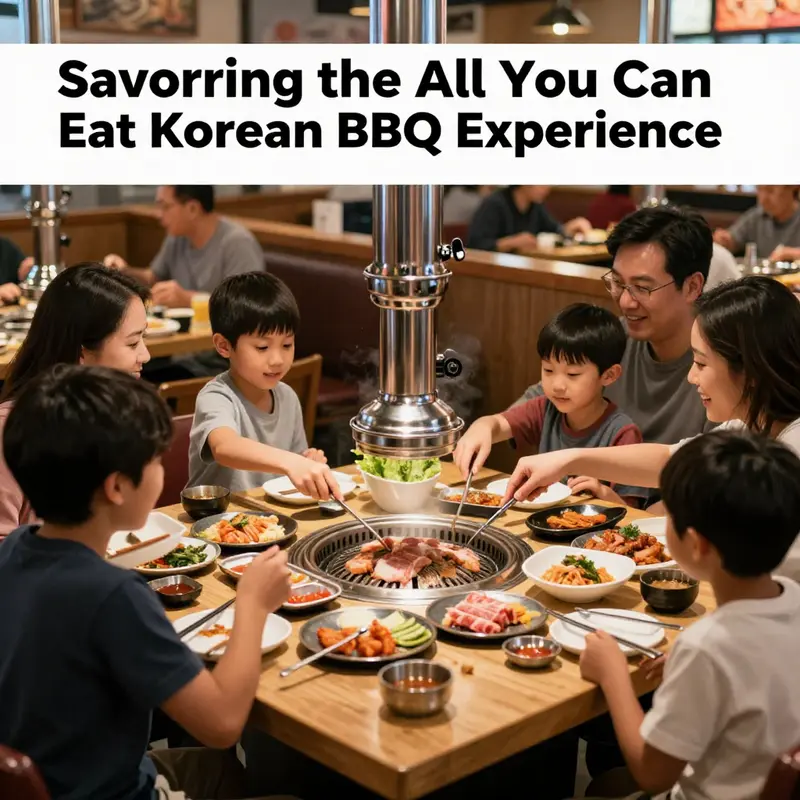
A Korean BBQ all-you-can-eat menu is more than a meal; it is a shared ritual that turns a simple gathering into a celebration of color, aroma, and communal appetite. In the American urban landscape, Sacramento and Las Vegas anchor a welcoming version of this ritual for families. The concept stays simple—an array of meats and seafood, a sizzling grill, and a table-wide pace that invites conversation and discovery—yet the execution is tuned for comfort and convenience. Diners select from a rotating lineup of cuts and sides, watch the grill transform food into a communal feast, and savor the moment as cheese corn, banchan, and bold flavors mingle with laughter. What makes these family-friendly setups stand out is the thoughtful balance of value, variety, and service: generous portions, clear pricing, and friendly pacing that keep a table of four or a larger group relaxed from first bite to last crumb. In Sacramento, Daikon Korean BBQ is often highlighted for pricing that feels approachable for a family outing and policies that simplify planning, such as a framework that keeps costs predictable as kids’ appetites fluctuate. The menu delivers familiar favorites alongside crowd-pleasing additions, with a playful emphasis on accessible options like cheese corn and a steady stream of well-prepared meats. In Las Vegas, the scene scales with energy and choice—a broader spectrum of premium meats, seafood, and chef-inspired twists—yet remains intent on keeping families accommodated, with pacing that suits large groups and a setting that balances bustle with warmth. The result is a memorable family experience: a shared grill, a chorus of tastes explored together, and a sense that meals here are opportunities for connection as much as for appetite.
Final thoughts
The Korean BBQ All You Can Eat experience has firmly established itself as a favorite dining choice among food lovers, especially in places like San Jose, the Bay Area, Sacramento, and Las Vegas. With unique offerings, a lively atmosphere, and great value for money, restaurants are tapping into a lucrative market of customers eager for fresh, quality meals. By considering the insights gathered from these popular dining venues, business owners can better prepare to meet the demands of their patrons, ensuring they stay ahead in a competitive market. Embracing this culinary trend could very well lead to enticing new business opportunities and a loyal customer base.