
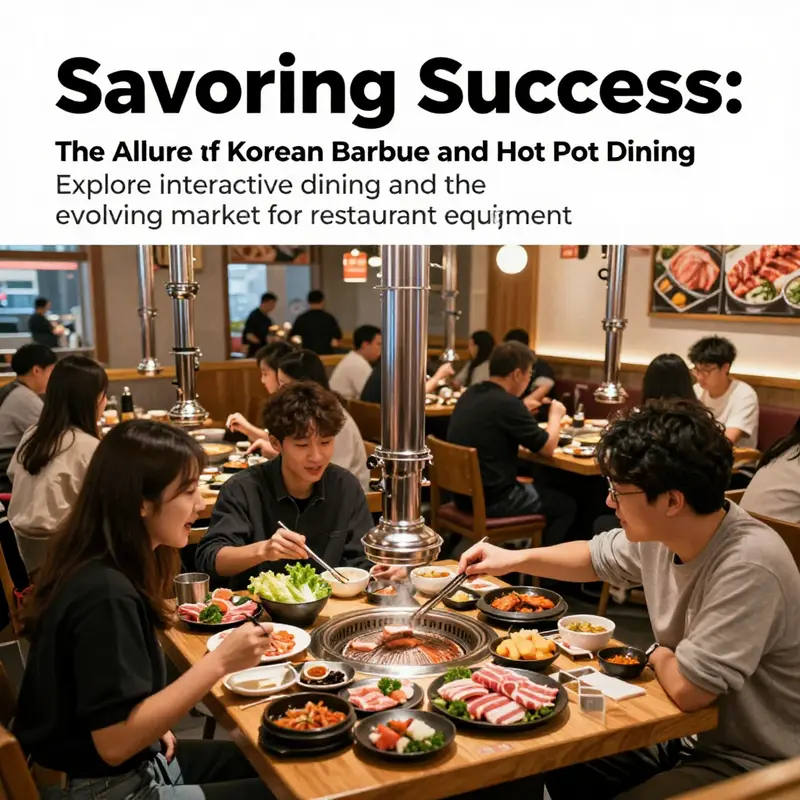
Korean barbecue (KBBQ) and hot pot restaurants are reinventing the dining experience globally, encouraging patrons to engage with their meals actively. These culinary concepts are not merely about food; they celebrate community and comfort through personalized cooking at the table. The increasing popularity of KBBQ and hot pot presents unique opportunities for business owners to capitalize on emerging trends. The following chapters delve into the enjoyable interaction these dining styles foster and examine the current market landscape for KBBQ and hot pot restaurant equipment, highlighting how to succeed in this thriving industry.
Sharing Flames and Broth: The Interactive Heartbeat of Korean Barbecue and Hot Pot Dining
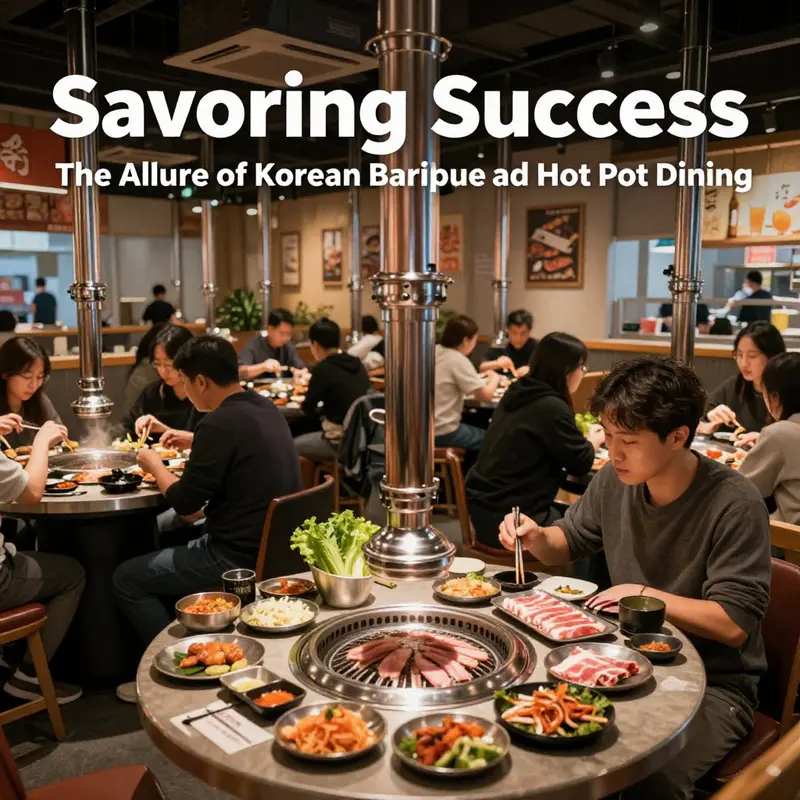
The scene is intimate by design, a table that invites conversation as much as it invites appetite. In Korean barbecue and hot pot dining, interaction is not a byproduct of the meal but its central rhythm. Diners gather around a central focal point—either a grill that glows beneath a cast-iron surface or a bubbling pot that turns the table into a dynamic cooking arena—and the act of cooking becomes a shared performance. This is not simply about feeding a crowd; it is about choreographing a social event where time slows enough for conversation to deepen and yet moves fast enough to keep the energy high. The table itself becomes the stage, and the diners, whether friends, family, or colleagues, become co-authors of the evening, shaping flavor, pace, and laughter in equal measure.
At the heart of the experience lies the communal table setup. Rather than a conventional dining surface, these tables embed the tools of the meal directly into the furniture. A grill plate bears the heat, or a broth-filled pot simmers with a life of its own, while small bowls ring the center, holding an array of sauces, seasonings, and banchan. The geometry of the space encourages proximity without sacrificing comfort. Diners lean in, pivot as sauces are passed, and coordinate turns when a dish arrives to the table. Even the choreography around the grill—placing meat, flipping a piece when it emits a crackle, letting a slice rest briefly to seal in juices—becomes a gentle, almost ritualized dialogue among guests. In a hot pot setting, the same sense of ritual governs the moment of selection: which proteins join the pot first, who controls the spice level of the broth, and how long a delicate ingredient should stay submerged to retain its texture and character.
Korean barbecue brings a tactile intimacy to the table. Guests typically cook their own meat, often slices of marinated beef, pork, or chicken, on a heat source that sits within reach. The action is deliberate and democratic; each person controls the doneness of their own portion, a small act of culinary autonomy that heightens engagement and satisfaction. There is a quiet science at play here. The grill’s surface, whether cast iron or stainless steel, holds heat in slightly different ways, affecting sear and juiciness. A well-seasoned cast-iron plate tends to hold heat more stubbornly, searing edges with a crusty texture that locks in flavor. Stainless steel, by contrast, relaxes its grip a touch sooner, favoring quicker, lighter sears and easier cleanup. These material choices influence not only the cook’s control but the tempo of the meal, shaping how quickly conversations ripple across the table as the next round hits the grill.
Hot pot, in its turn, invites a different kind of active participation. Diners choose a spectrum of ingredients—thinly sliced meats, plaudits of seafood, crisp vegetables, noodles, tofu, and dumplings—and drop them into a communal simmering broth. The broth itself becomes a living flavor map: a base that can be subtle and comforting or bold and incendiary, depending on regional preferences and personal tolerance for heat. The act of dipping, tasting, adjusting, and repeating creates a loop of sensory feedback that binds participants together. Each bite is a shared discovery—did the shiitake drift in long enough to release its earthy depth? Has the beef absorbed enough spice without losing its delicate texture? The pace of cooking is a social tempo as well; some tables prefer a steady, almost meditative simmer, while others embrace a brisk rhythm with constant turning and sampling.
Beyond the mechanics of cooking, the social fabric of these dining experiences is deeply rooted in cultural habits of hospitality and togetherness. The table becomes a microcosm of shared meals that cut across generations in many East Asian communities. The act of gathering, of passing sauces and condiments in measured circles, of checking in with each other about spice tolerance or preferred doneness, all reinforce a sense of belonging. Conversation flows naturally—from favorite childhood memories of meals to stories of travels—and humor finds a natural fit in the slightly theatrical aspect of cooking in front of others. The communal element is not simply about feeding the group; it is about weaving people together through a sequence of small, collaborative actions that culminate in a single, satisfying experience.
Even the ancillary elements of the meal—the banchan, sauces, and condiments—play a significant role in shaping the communal experience. A spread of small, varied plates invites everyone to taste widely and share in the discovery of flavor combinations. The banchan functions as edible conversation starters, each item offering a different texture, aroma, and temperature to calibrate the palate before the main event begins in earnest. The sauces, often poured into modest bowls and adjusted with little dabs of chili paste, garlic, sesame, or citrus, provide a palette for guests to tailor each bite. The ritual of sampling and remixing sauces becomes a minor performance that many diners anticipate as eagerly as the main courses. Even the act of seasoning—whether by dipping more meat into a tangy soy-based sauce or finishing with a touch of sesame oil—feels like a collaborative gesture rather than a solo flourish.
The ambiance and layout of these venues further reinforce the interactive ethos. Modern Korean barbecue and hot pot spaces often embrace elegant, comfortable settings that invite long, unhurried meals. Tables are designed for endurance, with seating that accommodates the hours-long experiences that these cuisines often demand. Some venues include outdoor areas with weather-resistant tables, extending the sense of sociability beyond four walls, while others lean into a refined interior aesthetic that balances formality with warmth. Lighting is carefully calibrated to soften the mood without dulling the senses, and acoustic treatment minimizes chatter into a distracting roar, allowing conversation to feel intimate even as the room fills with energy. The result is a space that is at once ceremonial and casual, sophisticated in its design yet inviting in its warmth.
Technology has become a quiet co-conspirator in the interactive dining narrative. Digital ordering systems streamline the way guests request additional ingredients, adjust spice levels, or call for service without interrupting the flow of the meal. Ambient lighting and synchronized soundscapes may subtly shift as the dining cycle progresses, signaling shifts in pace from the early mingling stage to the more concentrated cooking phase. Even as these features enhance efficiency and comfort, they never displace the core experience of cooking at the table. The technology acts as a gentle facilitator, preserving the spontaneity of communal cooking while smoothing the logistical edges that can disrupt conversation and enjoyment.
From a materials and design perspective, the choice between cast iron and stainless steel for grills is more than an aesthetic decision. Cast iron’s heat retention supports a superior sear, creating caramelized edges that intensify flavor and ensure that meat remains juicy inside. It also adds a tactile weight to the ritual of cooking, a satisfying contact that many diners associate with quality and tradition. Stainless steel, with its lighter touch and easier maintenance, appeals to high-volume operations where quick turnaround and cleanliness are paramount. Each material brings a distinct character to the tabletop experience, and operators often balance these attributes against labor costs, cleaning routines, and the expectations of their clientele. In practice, a restaurant might pair a heavy-grip cast-iron component with a sleek stainless-steel framework, marrying the best of both worlds while preserving the dining mood that guests seek.
The global market for Korean-style dining equipment reflects the growing appetite for these interactive experiences. Industry observers note a rising demand for durable, well-designed tables and heating elements that can withstand the rigors of busy service while delivering consistent performance. The manufacturing ecosystem remains heavily concentrated in certain regions of China, where clusters of suppliers offer a range of options—from robust, heavy-duty plates to more economical configurations. For buyers, the procurement journey involves navigating quality standards, lead times, and customization possibilities. Platforms that connect buyers with verified suppliers provide a route to explore designs tailored for Korean barbecue or hot pot formats, including features like integrated sauce compartments, built-in drainage for grilling fats, and ergonomic seating arrangements designed for long meals. In this context, the table becomes not merely furniture but a platform for choreography—an enabling infrastructure that makes the interactive dining experience possible day after day.
The culinary significance of this dining style is anchored as much in the social ritual as in the flavors achieved at the table. The interactive format reflects a cultural appreciation for hospitality, sharing, and culinary craftsmanship. Guests are invited to participate in the culinary process, transforming the meal into a collaborative craft rather than a passive consumption event. This orientation toward co-creation aligns with broader patterns in global dining, where experiences become a form of entertainment in their own right. Diners leave with more than a meal; they carry with them a memory of ongoing conversation, shared aroma, and the satisfying clink of chopsticks and sauce bowls as a chorus of interaction.
In considering the experience from a culinary educator’s lens, the teaching moments are plentiful. Beginners learn not only how to gauge doneness or balance a broth but also how to navigate shared spaces with courtesy and attentiveness. The etiquette around passing dishes, managing a shared chopstick rest, or signaling that a portion is ready to be flipped becomes part of the social etiquette that accompanies the meal. The dining room thus becomes a living classroom where flavor, technique, and social skill converge. For operators, these elements translate into staff training that emphasizes timing, safety, and the art of reading a table’s tempo—knowing when to step in with guidance or when to step back to let the group savor a moment of collective achievement.
A grounded example within the broader category of interactive dining can be found in some modern venues that fuse traditional Korean cooking with contemporary design sensibilities. A setting such as a moon-themed concept restaurant demonstrates how a cohesive concept can amplify the interactive experience. The table layout, lighting cues, and a curated selection of briny, peppery, and sweet sauces are aligned to create a sensorial journey that begins with curiosity and ends with a sense of communal satisfaction. In this kind of space, the act of cooking at the table becomes more than a method of preparation; it is a shared narrative about hospitality, craft, and togetherness. For readers who are curious about the broader storytelling potential of these formats, a recent industry overview offers a detailed exploration of the interactive dining phenomenon and its cultural significance.
As with any culinary trend, there are practical considerations for operators seeking to deliver a consistently excellent interactive experience. Ingredient sourcing, equipment reliability, and hygiene standards all shape the quality that guests experience over the course of a long evening. A clean, well-organized station, clear labeling for sauces and condiments, and a thoughtfully arranged supply of banchan can elevate the perceived care that goes into the meal. Likewise, ensuring that grill surfaces and pots heat evenly, burn with a steady flame, and are easy to clean at the end of service helps maintain both food safety and guest comfort. When a kitchen staff can anticipate guest needs—replenishing ingredients before bowls run dry, offering guidance on spice levels, or providing quick, discreet assistance with cooking technique—the dining experience feels seamless and well orchestrated, almost like a well-rehearsed performance, but one that invites improvisation and personal preference.
The chapter of interactive dining also invites reflection on how these experiences translate into broader food culture in a global context. While heat, flavor, and texture are universal languages, the social and ceremonial aspects of KBBQ and hot pot reflect specific cultural values around sharing and conviviality. The practice of eating together, offering bites to neighbors at the table, and the gentle back-and-forth of generosity—these elements turn a meal into a living expression of community. In many cities around the world, the popularity of this dining format points not only to appetite but to a desire for sociability and immersion. It is a reminder that food, at its best, is a bridge between individuals, a shared vocabulary in which a mouthful of broth or a perfectly seared slice of meat can carry stories, memories, and a sense of belonging across diverse audiences.
For readers seeking a compact frame to deepen their understanding, consider the following accessible resource that explains the interactive dining ethos with historical context, etiquette, and practical tips for first-time visitors. The Korea Times offers a thorough guide to the ultimate interactive dining experience, including how to navigate the flavors, how to approach the cooking rituals, and what to expect in terms of service and atmosphere. This article provides a helpful context for guests who want to approach these meals with curiosity and respect, while operators can gain perspective on guest expectations and cultural nuance that shape service design. Read the guide here: https://www.koreatimes.co.kr/www/nation/2023/10/1059.202310081746
To connect these insights with ongoing industry discussion and practical resources, a related internal reference highlights a specific concept space that explores the broader landscape of Korean barbecue and shabu-shabu-inspired formats. The Moon Korean BBQ and Hot Pot stands as a case study in how a single restaurant design can fuse interactive cooking with thematic storytelling, balancing performance, comfort, and culinary craft. See this example here: The Moon Korean BBQ and Hot Pot.
Smoldering Innovation: The Next Wave of Equipment Trends Shaping Korean BBQ and Hot Pot Dining
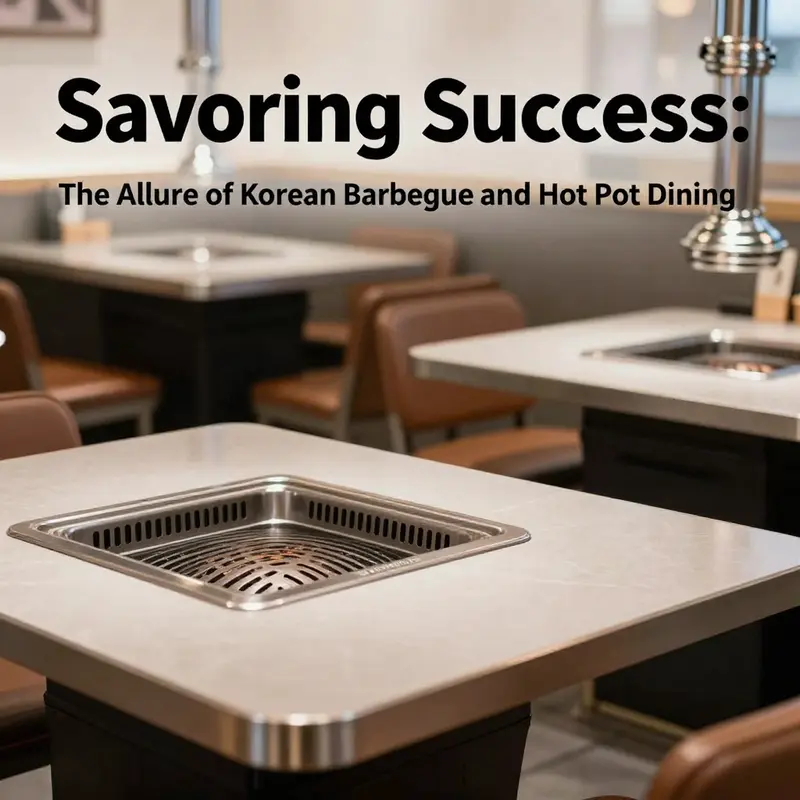
The global ascent of Korean barbecue and hot pot is driven by equipment design that makes the dining ritual possible and memorable. Electric grills, induction heating tables, and modular ventilation systems offer cleaner, safer, and more scalable options. The shift toward smoke-free operation lowers ventilation costs and supports smaller footprints in urban environments. Self-cleaning features reduce labor and downtime, which is essential for high turnover concepts. Thermal precision from induction and infrared heating helps cooks control simmering and searing with minimal flare ups, delivering a more predictable guest experience and stronger brand trust. \n\nSmart and automated technology is extending into both front of house and kitchen workflows, not to replace talent but to augment consistency, safety, and scale. Standardized equipment across locations helps ensure uniform results, while sensors, automated temperature control, and modular units enable menu flexibility without sacrificing efficiency. For guests, these systems translate into safer experiences, better heat distribution, and a sense that hospitality technology disappears in service of flavor and conversation. \n\nEnergy efficiency is a central design criterion. Induction heating for hot pots, insulation in table bases, and thoughtful layout reduce heat loss and environmental impact. The resulting dining environment stays comfortable longer and supports higher turnover without energy waste. Customization remains key, with tables that integrate storage, ventilation, and multi-zone heating while serving as a design element as well as a tool for cooking. \n\nThe market dynamics reflect geography as much as technology. A robust global supply chain, competitive sourcing, and accessible after-sales support are essential to delivering dependable equipment. Trade shows and regional deployments help operators assess options, test pilots, and plan scale across multiple sites. The practical takeaway is to pursue modular, scalable solutions that can adapt with menus, while prioritizing energy-efficient, smoke-free configurations and strong service networks.
Final thoughts
The thriving market for Korean barbecue and hot pot dining experiences provides significant opportunities for restaurant owners willing to innovate. By embracing the interactive nature of these dining styles and investing in high-quality equipment, you can create memorable experiences that differentiate your establishment. Understanding market trends and ensuring that your restaurant equipment meets customers’ needs will solidify your position in this competitive arena. As dining habits evolve, the focus on community and personalized experiences will continue to drive the success of KBBQ and hot pot restaurants, placing you at the forefront of the culinary landscape.