
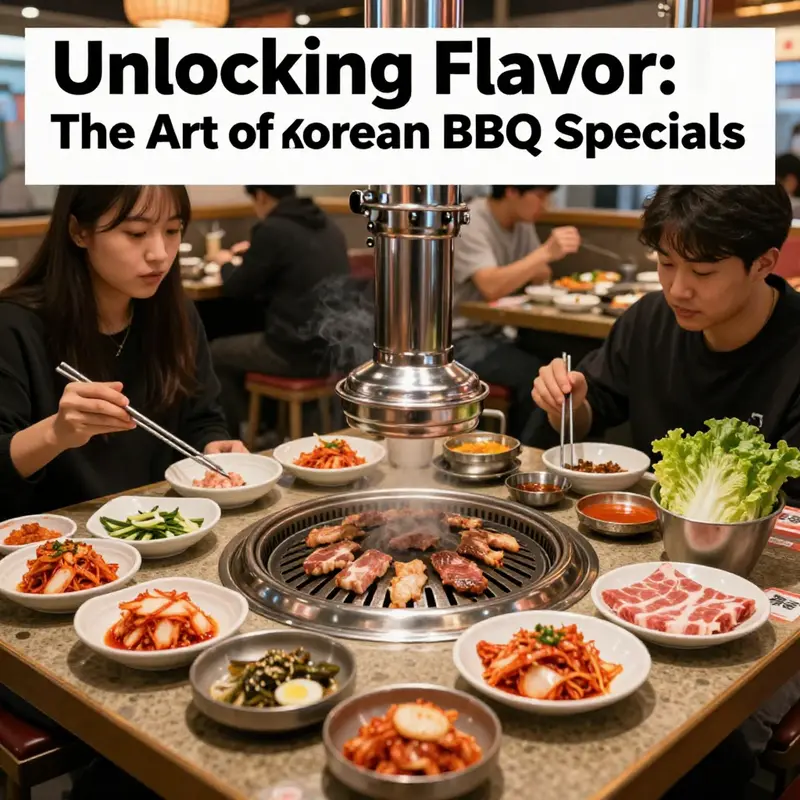
Korean BBQ has evolved into a beloved culinary experience that appeals to a diverse range of diners, from families looking for a fun night out to food enthusiasts seeking premium flavors. Business owners can tap into this growing trend by offering Korean BBQ specials that not only highlight premium meats and flavorful marinades but also create unique dining experiences that draw in new customers. This article delves into three key aspects: affordable Korean BBQ buffets that offer all-you-can-eat options, the extensive variety of meats that can delight any palate, and innovative ideas like gift cards and fusion cuisine that can elevate the dining experience. Together, these elements underline the lucrative potential of Korean BBQ specials in attracting a broad customer base.
Feasting in Abundance: The Global Rise of Affordable All-You-Can-Eat Korean BBQ
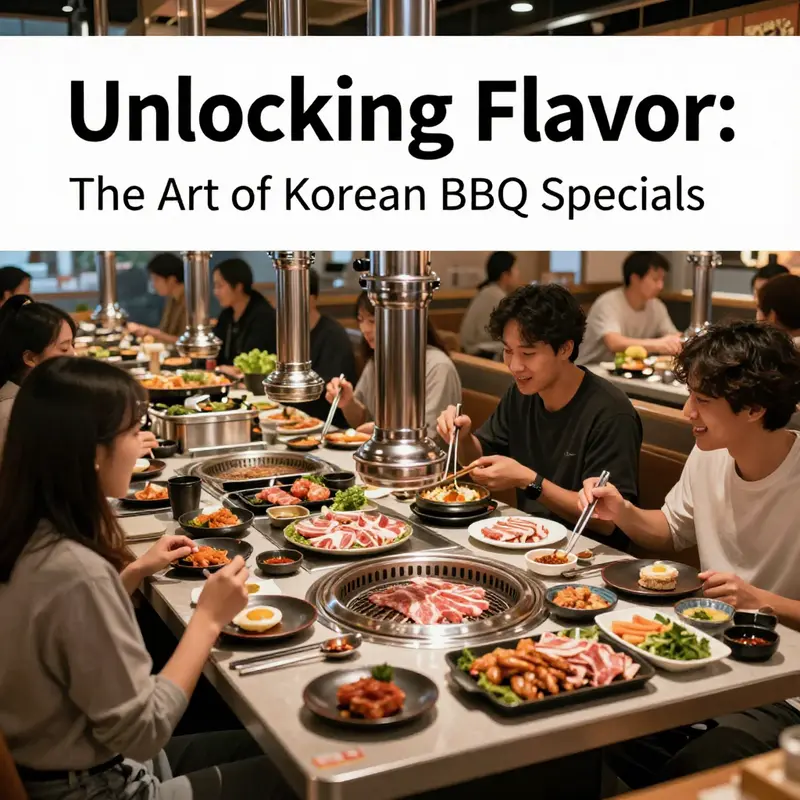
Affordable Korean BBQ specials have turned the act of dining into a shared ritual as much as a meal. In these setups, value is measured not by a single plate but by the rhythm of refills, the breadth of choices, and the ease with which friends and families slip into a conversation that lingers long after the last bite. The allure lies in the way a table becomes a mini kitchen, a stage for improvisation where meat, spice, and side dishes mingle in a loop of taste and texture. As more markets embrace this model, it becomes clear that the appeal is less about chasing novelty and more about orchestrating a social, customizable eating experience that remains approachable for a wide range of budgets.
In Malaysia, budget-friendly all-you-can-eat Korean BBQ buffets have carved out a strong foothold in busy urban centers. These venues typically anchor themselves in bustling shopping districts and entertainment hubs, offering buffet prices that start at roughly RM25. Diners encounter a diverse lineup that often features ribs and belly alongside a range of self-serve banchan and condiments. The appeal goes beyond the meat; it is about a self-serve environment where guests grill at their own pace, craft sauces to their taste, and move between varieties as their appetite shifts. The format suits different occasions too—whether it is a quick, satisfying family meal or a longer, convivial gathering where the focus is less on precision and more on shared experience. The setup tends to reward the curious palate with a rotating selection of marinated options, which invites repeat visits in pursuit of new flavors and familiar favorites, all while keeping the overall cost reasonable for groups and families.
Across the sea in Korea, the appetite for affordable all-you-can-eat formats has become a staple of urban dining culture. In Seoul and other major cities, a steady stream of venues promises authentic flavors at accessible prices, appealing to locals and visitors seeking generous portions without breaking the bank. A well-regarded all-you-can-eat venue in a bustling district near the city’s shopping corridors is celebrated for its warm atmosphere, attentive service, and a menu that blends traditional cuts with a broad range of options. The experience centers on a customizable grilling session: guests select cuts, control the degree of sear, and craft sauces that echo regional profiles. The pace of the meal matters as much as the plates themselves—order in a way that sustains energy, savor the social dynamic at the table, and let conversation travel between courses while the grill remains the focal point of the evening. This combination of quality, variety, and social ease helps explain why the all-you-can-eat format endures even as tastes evolve.
New developments in this segment point to expansion and ongoing experimentation. A newly opened buffet venue debuted in mid-2025 with starting prices around $37, signaling a continued push to offer premium-feeling experiences at approachable costs. This trend reflects a broader strategy: pair a carefully chosen set of meats with an expansive array of banchan, soups, and cold noodles, while preserving the core appeal of communal grilling. Some operators lean into refined marinade techniques and richer sauces, yet the heart of the concept remains the same—a shared grill, generous portions, and an environment that invites relaxed pacing and sociable dining. The balance between value and ambiance is key; price points may drift, but the social energy at a full table often anchors a satisfying experience that feels both hearty and celebratory.
What makes these buffet formats resonate goes beyond the numerical value on the bill. The interactive grilling experience is central: diners decide what to cook, when to flip, and how to combine flavors across bites. This agency at the grill translates into a meal that feels personal, even as it is served to a table full of people. Side dishes, from tangy kimchi and pickled vegetables to cooling noodles and comforting rice varieties, create a continuous cycle of contrasts—savory, bright, and sometimes spicy—that keeps the palate engaged and the conversation flowing. In many markets, the best times to visit are the off-peak hours when turnover is gentler and service can be more attentive, turning a potentially crowded dining scene into a relaxed, unhurried experience. The social dynamics—the laughter around the grill, the shared plates passed across the table, the sense of abundance—add a layer of value that pure pricing cannot capture.
Beyond the dining room, modern operators explore flexible ways to enhance value without sacrificing the essence of the experience. Gift options, offered in broader terms rather than branded packages, give guests a way to prearrange a smoother visit during busy times. A prepaid balance or combined dining plan can reduce waiting and increase the sense of occasion for groups, helping families and friends coordinate their meals more easily while preserving the casual charm of the format. These options align with the all-you-can-eat mindset by removing friction and letting guests focus on the enjoyment of cooking and sharing together, rather than the logistics of the visit.
For readers curious about how affordable all-you-can-eat Korean BBQ translates in different locales, one example from a Western market demonstrates how the concept travels and adapts. It highlights a San Mateo destination that specializes in unlimited Korean BBQ, illustrating how regional tastes merge with the universal appeal of a generous grill experience. Learn more through this detailed profile: All-You-Can-Eat Korean BBQ in San Mateo. This link is a window into how the same dining archetype can appear in diverse neighborhoods while maintaining the core pleasures of choice, control, and conviviality.
External resource: https://www.tiktok.com/@koreanbbqbuffetexplorer/video/746123890123456789
A Sizzle of Diversity: Exploring the Meat Spectrum Behind Korean BBQ Specials
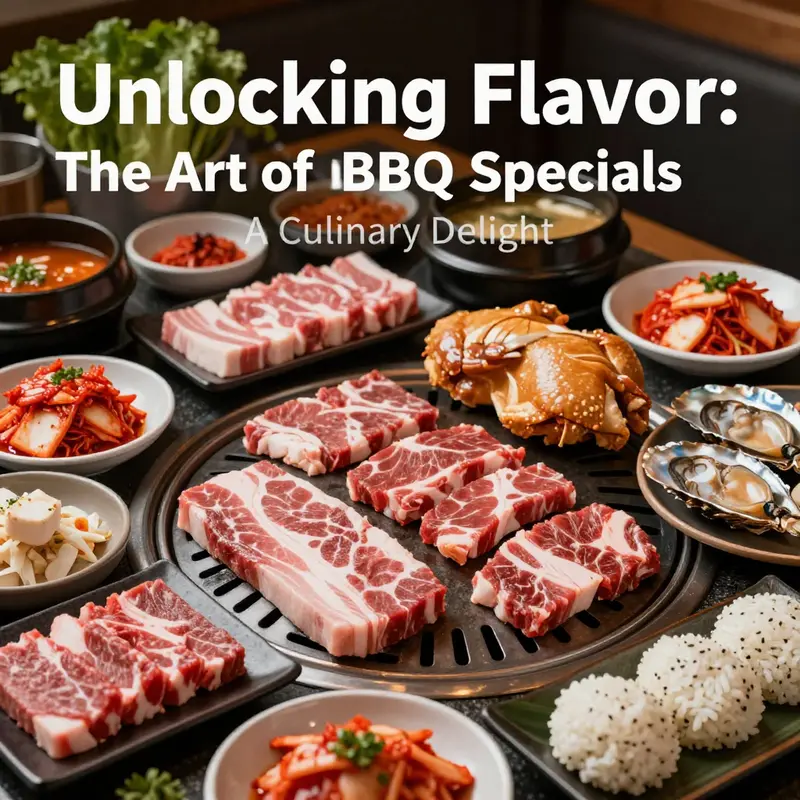
The heart of Korean BBQ specials is not a single star cut but a living spectrum of meats that invites curiosity, conversation, and a shared ritual of grilling. When a table gathers around the grill, the kitchen’s distant heat becomes intimate heat, and every slice of protein becomes a note in a larger chorus of flavor and texture. At the core of this experience are a few signature cuts that define the genre, each offering a distinct texture and a chance to play with technique on the hot grates. Prime rib, known in Korean as galbi when cut in a rib-tender style, presents a melt-in-your-mouth tenderness that drinks up savory-sweet marinades and transforms under a deft flip from a lacquered glow of fat to a glossy finish. Its marbling is a storytelling feature: the fat renders and bastes the meat in its own juices, creating pockets of richness that balance the bright spark of sesame and garlic in the glaze. Then there is pork belly, samgyeopsal, whose layered fat and lean meat crackles with a lively sizzle on the grill. The fat renders so the edges crisp and caramelize while the center stays juicy, a contrast diners chase with fresh lettuce wraps and a sliver of cucumber that cleanses the palate after each bite. This interplay of crackle and tenderness becomes a social choreography as diners fold slices into leaves with rice, peppery ssamjang, and a chorus of banchan that keeps the conversation flowing as freely as the heat beneath the grill. Alongside these two anchors, marinated ribeye, bulgogi, offers a leaner, more assertive bite. The marinade—soy, garlic, sesame oil, a touch of sugar, and tenderizers often sourced from pear or kiwi juice—renders the meat supple while infusing it with a sweet-savory edge that caramelizes into a lacquered sheen when seared. The result is a balance of depth and lift, an invitation to compare notes with the more unadorned galbi or the richly fatty samgyeopsal. The kitchen’s lineage shows in how chicken is treated, too. A marinated chicken option provides a lighter pathway through the meat spectrum, still bold in aroma and seasoning, but with a different paradox: a crisp edge and juicy interior that can stand up to spicy sauces while offering a gentler counterpoint to the beef’s intensity. This lighter protein keeps the table dynamic, ensuring that guests with different spice tolerances or dietary preferences can share the same grill without one option overpowering another. Beyond these constants, many venues lean into regional or experimental meat offerings, reflecting both historical influences and contemporary curiosity. A duck breast can introduce a gamey, indulgent note, while beef brisket offers a chewier, more substantial bite that benefits from a longer, slower understanding of heat. Some kitchens push the envelope further with lamb or even octopus, extending the sense of discovery that defines a truly varied barbecue experience. This culinary diversity is not just about different flavors; it’s about texture as a dialogue. The palate experiences crisp edges, tender centers, and the satisfying resistance of a well-cooked slice, all while the diners take turns feeding the grill and trading tips on timing, thickness, and the ideal bite of a leaf-wrapped bite. The social ritual is inseparable from the food. The banchan assortment—kimchi, pickled vegetables, and rice—works as a counterpoint to the action on the grill, offering acidity, brightness, and starch that keeps the senses engaged as they cycle through different proteins. The sauces, especially ssamjang, introduce a spicy, savory punch that can either push a bite toward heat or mellow it with sesame and garlic notes. The lettuce wraps act as a vehicle for balance, providing a fresh, crisp counterpoint to the rich fats and marinade, a small act of plating that makes each bite feel like a new arrangement rather than a routine. For diners who want to recreate this at home, knowledge of each meat’s character and its ideal cooking approach matters as much as the grill itself. A practical pathway is to start with galbi or samgyeopsal to observe how fat renders and how edges transform with direct heat, then rotate through bulgogi for a more delicate, soy-forward sweetness, followed by a marinated chicken bite to test how aromatics play against the grill’s heat. As the table remains the primary stage, the experience becomes less about a single best bite and more about a moving canvas—an evolving tapestry of color, scent, and shared satisfaction. For readers seeking a broader map of cuts and preparations, a detailed exploration exists that expands on preparation methods, pairings, and cultural context, offering deeper guidance for recreating the multi-textured journey at home. In the meantime, those who want to explore related profiles of Korean BBQ offerings across different venues can dip into a representative example such as a well-trafficked destination featuring a broad meat lineup and a bustling grill scene, which serves as a practical reference point for understanding how a diverse meat selection translates into a memorable dining experience. For further reading on meat-focused Korean BBQ, see the Thrillist guide to Korean BBQ meats for a comprehensive primer on cuts, marination, and cooking techniques. As a reminder of how a single meal can evolve into a culinary education, the vivid spectrum of meats—galbi, samgyeopsal, bulgogi, chicken, and the occasional specialty like duck or lamb—continues to anchor the excitement around Korean BBQ specials, inviting guests to savor the sizzle and the shared ritual once more at the next gathering. For a taste of a representative venue’s approach to this variety, you can explore one of the many dedicated Korean BBQ locations online, such as Korean BBQ Las Vegas Chinatown, which exemplifies how a single menu can showcase multiple proteins in a complementary, communal setting.
External resource: Thrillist’s practical guide to Korean BBQ meats provides an in-depth look at cuts, prep, and pairing techniques that enrich the home cook’s understanding of this dynamic cuisine. Read more here: https://www.thrillist.com/food/nation/korean-bbq-meats-guide
Charcoal, Cards, and Cross-Cultural Sizzle: The New Wave of Korean BBQ Specials
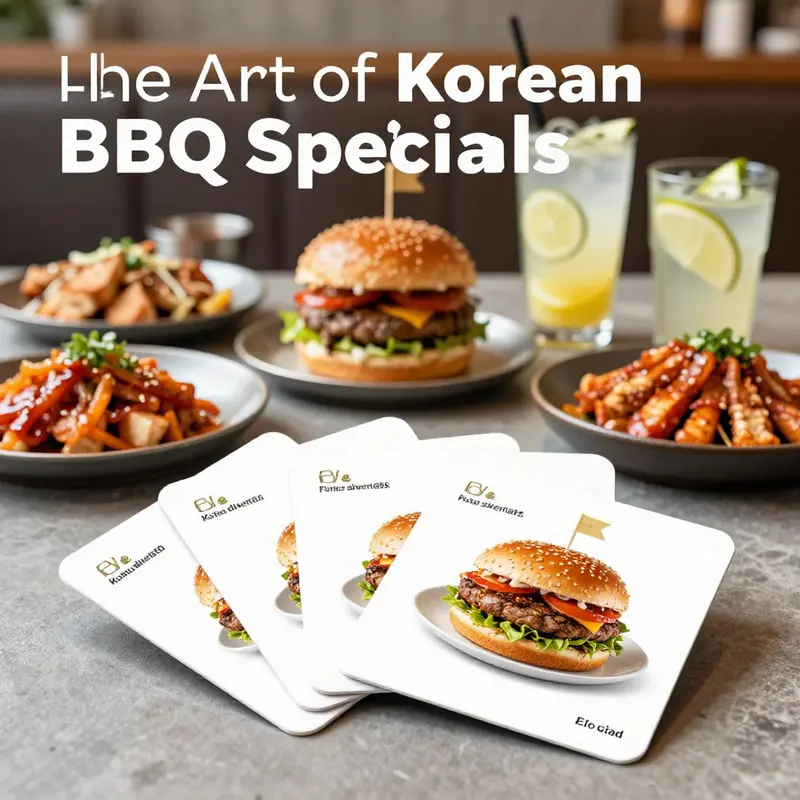
The modern Korean BBQ scene is evolving beyond the crackle of grills and the chorus of sizzling meat. It is pulling in larger conversations about value, personalization, and the way dining can feel like a culinary adventure rather than a simple meal. At the heart of this shift is a willingness to blend traditional grilling with new flavors and formats, so guests experience more than a plate of meat and a side of kimchi. It is about creating a memory that lingers after the last bite, a memory built from aroma, texture, and the playful rhythm between heat and hospitality. In this evolving landscape, the appeal of Korean BBQ specials rests on how well a restaurant can fuse core techniques with fresh conceptions while keeping the ritual of grilling intact. The result is a dining experience that respects lineage but invites curiosity, a balance that makes a meal feel both comforting and novel at once. The menu pulse is still powered by prime cuts and marination, but it now travels through a wider spectrum of influences. Think of a fusion approach that pairs a grilling concept with a hot pot interlude, where a bubbling broth and a sizzling grill share the moment, turning a single meal into a sequence of small, immersive chapters. For diners, this means choices that feel premium without forcing a jump to luxury price points. It also means opportunities to explore textures that are rarely paired together in one sitting, from smoky char on wagyu to the bright lift of citrus or pepper in a modern glaze. The most compelling specials do more than offer an extra course; they invite a multi-sensory journey where color, scent, and sound harmonize with the drama of the grill. And while tradition anchors the experience, the broader menu often reveals a city’s culinary curiosity by incorporating global accents that complement the core Korean technique rather than overshadow it. A well-executed fusion concept respects the flame and the kimchi while inviting guests to rethink what a grill night can be. In this sense, specials become a bridge: they connect long-treasured family meals with moments that feel like a contemporary feast, designed for both spice enthusiasts and those who prefer a milder path. The guest’s path through these offerings is not simply about quantity; it is about pacing, too. Contemporary Korean BBQ venues increasingly emphasize the value of timing, especially when it comes to enjoying premium meats that benefit from a brief resting period on the grill before they hit the table. It is not just the cut that matters but when and how it is presented, how it is cut, and how the accompanying sauces and sides interact with the heat. This is why many modern menus highlight a shift toward curated experiences during off-peak hours, when the dining room slows to a more intimate tempo. A quieter hour can enhance the sense of discovery, allowing guests to savor delicate flavors, observe precise grilling, and experience more attentive service as staff guide them through the tasting notes of each bite. In parallel, the rise of gift cards and digital-tender options has elevated how families and groups plan a Korean BBQ night. Gift cards are no longer mere convenience; they become invitations to return, to unlock a curated sequence of experiences, and to enjoy personalized attention that can feel like a hospitality upgrade during a busy evening. The practical value of gifting a Korean BBQ session grows when the card offers access to premium cuts, exclusive menu items, or priority seating during popular times. These tools also support planning for gatherings, celebrations, and multi-generational dinners, where a little pre-arrangement can translate into smoother service and more time for shared conversation around the grill. Consumers increasingly see gift cards as a gateway to quality dining without sacrificing spontaneity, a dual benefit that aligns well with the modern appetite for both predictability and surprise. As menus expand, so too do the ways in which guests interact with the food and the brand. Some menus experiment with complementary formats that combine grills with interactive elements—hot-pot bases that simmer at the table beside the grill, offering spicy kimchi broth or aromatic sesame oil as counterpoints to grilled morsels. Dumplings and small bites emerge from these setups, inviting diners to shuttle their attention between the pot and the grill, crafting a sequence that celebrates variety while maintaining a cohesive thread through flavor and technique. The overarching lesson for today’s Korean BBQ specials is clear: experience design matters as much as the meat. The best venues teach us to plan for value and pleasure in equal measure, to time our visits to catch the staff at their most attentive, and to approach the menu as an invitation to explore rather than a checklist to complete. For readers curious about how these ideas translate into practical dining, consider a model that foregrounds all-you-can-eat experiences as a flexible framework for discovery. You can explore related examples through a representative all-you-can-eat offering here: all-you-can-eat-korean-bbq-portland. This kind of approach helps balance abundance with curated choices, letting guests tailor the night to their group size, appetite, and sense of adventure. The narrative of Korean BBQ specials now weaves gratitude for traditional grilling with the thrill of modern dining concepts, where gift cards and off-peak hours become strategic tools rather than mere conveniences. The fusion elements—whether they arrive as a hot-pot companion to the grill, a rare marinated cut, or a dumpling that soaks in a shared broth—invite guests to stay longer, ask more questions of the menu, and leave with a richer impression of what Korean barbecue can be in a global culinary conversation. And while trends may rise and fall, the essential joy remains constant: supper shared with friends and family, lifted by the scent of smoke and the comfort of a communal table. External resources that broaden this perspective offer further context on how dedicated approaches to Korean BBQ experiences are evolving in many markets, pointing to the broader interplay of gastronomy, gifting, and guest-centric service. External resource: https://www.allyoukoreanbbq.com
Final thoughts
Korean BBQ specials offer an exciting opportunity for business owners to tap into a popular culinary trend that is both diverse and appealing to many diners. By providing affordable buffet options, showcasing a variety of meats, and integrating innovative experiences like gift cards and fusion dishes, businesses can attract a wide customer base and enhance their dining offerings. To capitalize on this growing interest in Korean BBQ, entrepreneurs should explore these different avenues and consider how they can incorporate them into their establishments. Creating a unique and flavorful experience will not only keep guests returning but also generate positive word-of-mouth, a crucial component for any successful restaurant.