
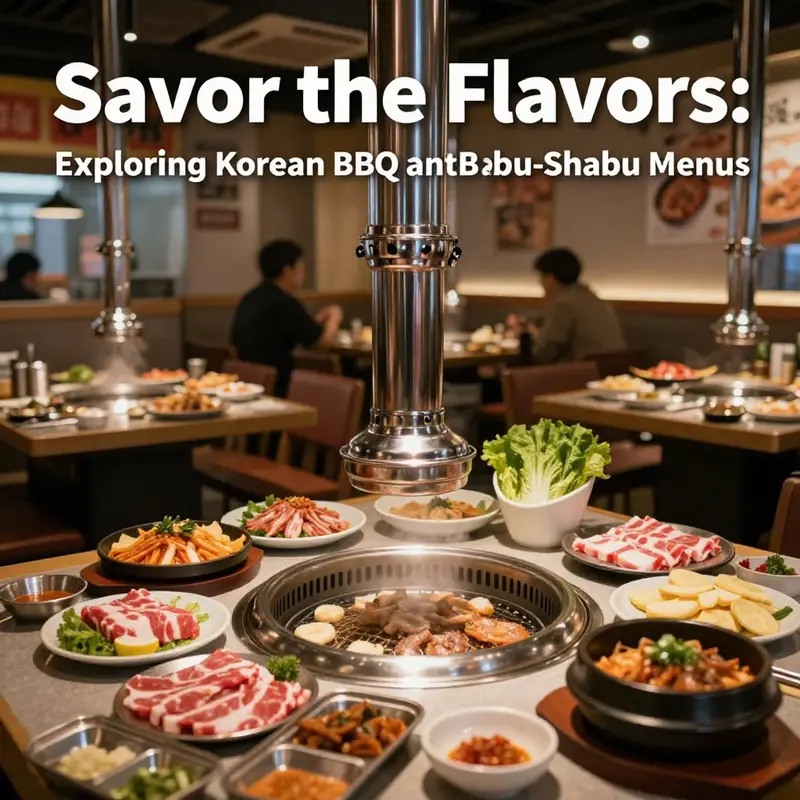
Korean BBQ and Shabu-Shabu have gained immense popularity among food enthusiasts and restaurateurs alike. These dining experiences not only highlight the rich flavors and quality ingredients of Korean and Japanese cuisines, respectively, but also focus on the social aspect of cooking and dining. In this comprehensive overview, we will explore the various dishes offered in Korean BBQ and Shabu-Shabu menus in detail, highlighting their specific components and emphasizing the customization involved in both experiences. As we delve deeper, we will also touch upon how these dining styles can be combined to create a unique fusion experience, suitable for restaurant settings looking to attract diverse clientele.
Grill and Simmer: A Deep Dive into Korean BBQ and Shabu-Shabu Menus
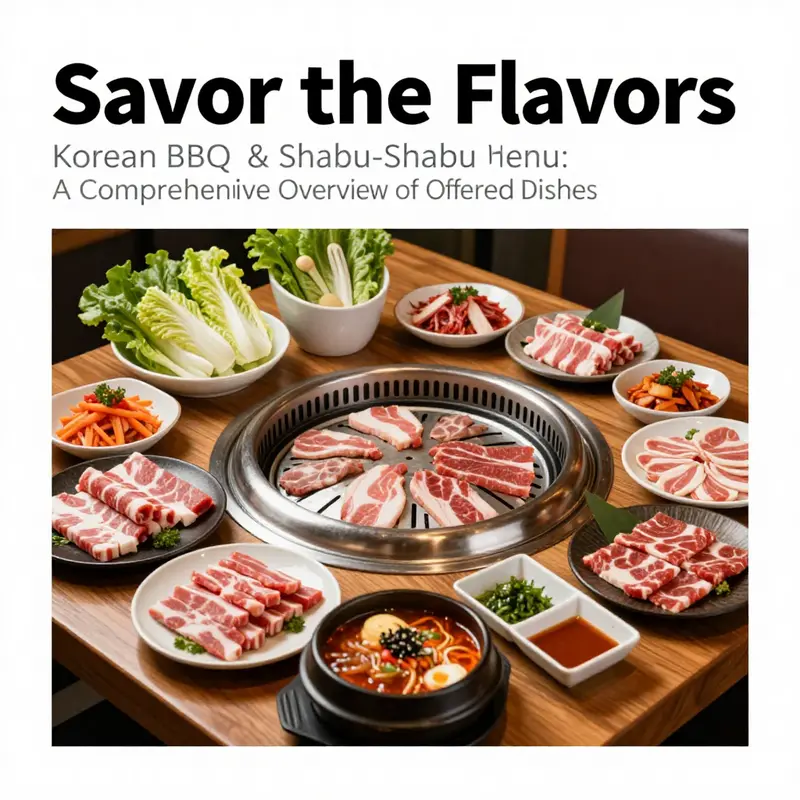
Two of Asia’s most social dining experiences converge on a shared table: Korean BBQ and Shabu-Shabu. At their core lies interaction, aroma, and a rhythm built around flame and simmer. The menu becomes less a static list and more a living map of textures, temperatures, and timing. Diners negotiate heat and gentleness in real time, turning a meal into a story about collaboration, personal preference, and quick-witted cooking. This is not just about what lands on the plate but how the moment unfolds—the sizzle of a newly placed grill, the quiet murmur of dipping sauces, the rapid swirl of a slivered piece of meat as it meets a slowly boiling broth. The experience invites conversation, nudges curiosity, and rewards patience as flavors bloom from simple acts of cooking and tasting.
In Korean BBQ, the emphasis is on proteins presented for at-table grilling, with the kitchen offering a spectrum rather than a single peak. The menu typically foregrounds meat with different levels of marbling, textures, and tenderness, alongside marinated selections that carry sweetness, savory depth, and a whisper of heat. The appeal is tactile: you control the browning, you judge when a slice releases its juices, you decide how long to rest a bite before wrapping it in lettuce with a dab of sauce. Beyond the meat, a curated array of accompanying elements completes the meal. There are light, crisp vegetables to balance richness; staple grains to anchor the flavors; and a trio of dips—each with a distinct character—ranging from a sharp pepper paste to a smooth, savory condiment and a soy-based option. This structure makes the menu flexible enough to accommodate cooks of all levels, from curious first-timers to seasoned enthusiasts who want a precise sear or a particular degree of caramelization.
Shabu-Shabu contributes a different kind of mastery. It centers on a light, aromatic broth that acts as a gentle stage for quickly cooking ultra-thin slices of meat and an assortment of vegetables. The broth itself plays a leading role: a clear, pared-down base often built from dried kombu and a clean stock, leaving room for the natural sweetness of meat and greens to emerge. The thin slices, swirled in the simmering liquid for mere moments, retain tenderness and juiciness when retrieved promptly. Dipping sauces function as the final punctuation marks—one may bring brightness with citrusy notes, another may add a nutty, sesame warmth, while a third offers a mellow soy-tinged depth. The balance between broth and bite is delicate, and it rewards restraint: the goal is to savor the moment when the meat just passes from raw to tender, when a vegetable leaf yields its sweetness after a short dip, and when noodles or rice absorb the remaining warmth of the pot.
Despite these distinctions, the menus of Korean BBQ and Shabu-Shabu share a core philosophy: quality ingredients, a respect for seasonality, and a communal rhythm that invites shared discovery. Both cuisines prize the concept of containment and release—containment in the sense of keeping flavors intact until the moment of presentation, and release as diners release control to allow ingredients to shine in the simplest possible form. Hence, many modern menus weave these worlds together in one space, offering both a shared grill and a simmering pot under the same roof. The result can be a dynamic, hybrid experience where one night you sear a marbled slice to a glowing crust, and the next you nimbly drop paper-thin slices into a broth that sings with a light, clear finish. These hybrid options are less about overpowering traditions than about inviting a broader audience to explore a broader palate, a culinary conversation that moves seamlessly from raw to roasted to simmered.
A defining feature of Korean BBQ menus is the breadth of protein options and the emphasis on texture. The strongest impression comes from the way meat arrives at the table: wedge-like slices designed to sear quickly, whole cuts that can be sliced further at the table, and marinated preparations that infuse sweetness, brightness, and umami through different seasoning approaches. In a well-curated menu, the contrast between a richly marbled cut and a lean, clean slice creates a familiar dance: the former delivers depth and succulence, the latter offers a sharper bite and nimble chew. Complementing these proteins are a thoughtfully arranged set of vegetables, which not only provide balance but also serve as wrappers for the meat. A crisp leaf, a slice of onion, or a piece of garlic can transform a bite into a fresh, lively mouthful. Sauces and condiments become the language of the meal, allowing guests to tailor each bite—spicy, savory, tangy, or garlicky—without ever leaving the table.
Shabu-Shabu menus, by contrast, celebrate delicacy and rapid transformation. The star here is the harmony between ultra-thin slices and a broth that remains almost uncluttered in flavor. The cooking is fast, yes, but it demands attention: the moment a slice sinks and rises back to the surface marks a tiny victory over time. Vegetables are treated more as partnerships than supporting actors; their thin layers release sweetness and aroma into the broth, enriching the resulting communal broth or dipping sauce. One often finds a small parade of vegetable choices—crisp napa cabbage, earthy mushrooms, delicate greens—that provide texture, color, and a counterpoint to the meat’s tenderness. Seafood, tofu, and a few pantry staples may accompany the core lineup, expanding the range of textures and flavors and inviting guests to experiment with dipping combinations to discover new harmonies.
The side dishes and soups that accompany both experiences create a frame that extends beyond the main focus. A constellation of small dishes provides crunch, brightness, and contrast: salted, fermented, or pickled accompaniments that wake the palate between bites. A light, comforting soup can steady the meal, bridging the social energy of the grill with the contemplative savoring that follows. And there is the steady presence of rice and wraps, the practical yet essential elements that complete the dining experience. In many kitchens, unlimited rice and a variety of lettuce leaves offer a canvas for assembly, where each guest builds a personal bite—protein, greens, a dab of sauce, and a fold that makes a neat, satisfying parcel.
Sustainability and local sourcing have become important threads in contemporary practice. Restaurants increasingly emphasize near sourcing, with seafood and produce obtained from nearby suppliers to ensure freshness while supporting the local economy. This commitment often translates into a noticeable lift in flavor, a cleaner finish, and a more transparent supply chain that diners can feel in their plates. The social dimension—knowing the people who catch the fish, pluck the greens, or trim the cuts—augments the dining experience, turning a meal into a shared gesture of community.
Another cultural layer concerns the experiential nature of the meal. Korean BBQ is inherently communal, a social ritual that invites conversation, laughter, and shared discovery as friends and family coordinate grilling sessions and taste tests. This social facet lends itself to gifting, where giving a Korean BBQ experience becomes more than a meal; it becomes a chance to present time spent together, a memory that accrues with each shared plate. The same spirit infuses Shabu-Shabu as well: the act of dipping, tasting, and comparing sauces with a companion strengthens connection and creates a memory that lingers alongside the flavors.
For diners who wish to explore the broader landscape of menus that blur the lines between grilling and simmering, a cross-cultural approach offers a particularly appealing path. Some menus foreground hybrid dishes that blend the two traditions, offering options that pair a sizzling hot plate with a simmering pot in a single dining experience. Others bundle the core elements—protein choices, vegetables, broth, banchan, and condiments—into all-in-one packages that simplify planning while preserving the sense of exploration that makes these cuisines so engaging. The underlying idea remains consistent: you are invited to shape the meal as it unfolds, learning through tasting and adjusting as you go, whether you are new to these flavors or revisiting familiar favorites.
If you would like to see how this cross-cultural menu philosophy is presented in practice, you can explore a related menu page that delves into a broader spectrum of dishes and combinations. Korea BBQ and Sushi Menu offers a concise, example-driven look at how a menu can balance grilled and simmered options within a single dining concept, providing ideas for pairing, pacing, and sharing. The page serves as a useful reference for understanding how chefs design experiences that honor tradition while inviting experimentation.
External resource: JBBQ & Shabu Shabu Smithtown Yelp listing
Tableside Fusion: Personalizing Korean BBQ and Shabu-Shabu to Create Shared Moments at the Table
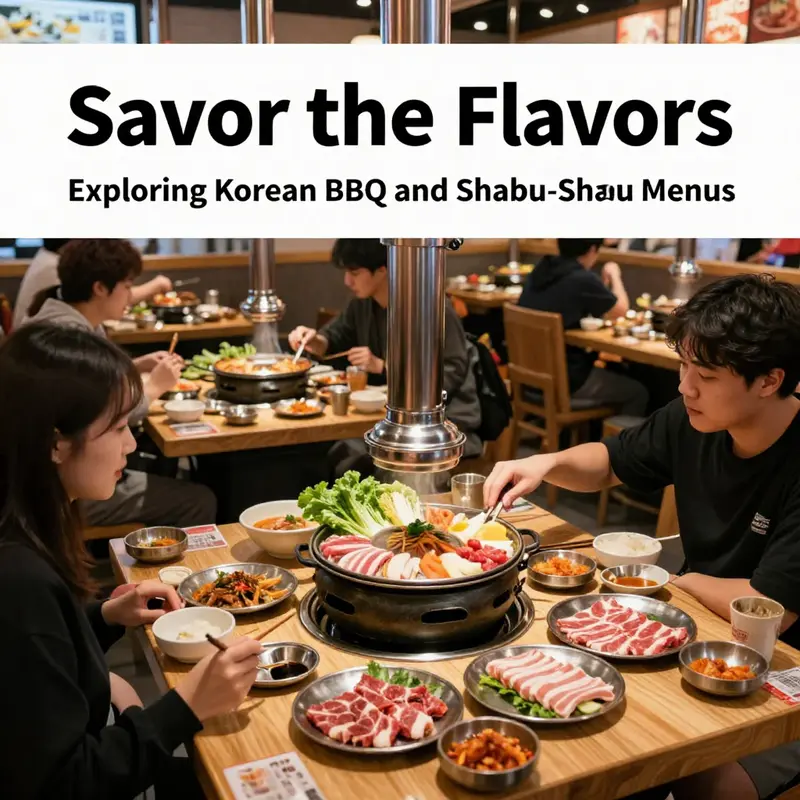
The experience of dining on a menu that blends Korean barbecue with shabu-shabu is more than savoring flavors. It is a shared ritual where heat, aroma, and texture braid together with conversation and connection. The table becomes a small stage where each guest writes a part of the meal through choices, timing, and timing, and the dining room offers a quiet invitation to participate rather than simply consume. In this setting, customization is the core currency. Guests decide how to engage with each component, how long to let meat rest on the grill, how briefly to immerse delicate slices in a simmering bath, and how to balance the plate with greens, starch, and small bite-sized accompaniments. This approach reorients eating from a passive act into an active social process, where the pacing of the meal is negotiated collectively, and every nod, smile, and toast becomes a signal in the unfolding choreography of flavor and fellowship.
On the grill side, diners discover a spectrum of options for the proteins that arrive raw and ready for searing. The table-side cooking ritual invites a careful calibration of heat and timing. Guests watch the marbling and texture, adjust the flame, and decide when a crust has formed just right. The interaction is more than technique; it is a conversation about preference and personal taste. For some, a quick sear seals in the juices and preserves a tender bite; for others, a longer contact with the grill develops a deeper caramelization and a more pronounced savor. In this dynamic, the communal aspect never fades. Friends trade tips, siblings stake their claim on the perfect bite, and partners tease one another about who can coax the most expressive crust from a single slice. The environment rewards curiosity and shared experimentation, turning every meal into a collaborative tasting with a subtle performance flair.
Across the table, shabu-shabu offers a counterpoint that highlights restraint and refinement. Thin slices drift into a shallow, clear broth and emerge in moments, their color and texture evolving with each swirl. The broth acts as a canvas, letting the ingredient’s own character shine while the simmering process modulates tenderness and sweetness. Vegetables, mushrooms, and sometimes tofu contribute freshness and balance, ensuring the pot remains lively rather than one-note. Dipping sauces—crafted to emphasize salty, citrusy, and nutty accents—invite guests to tailor each bite without naming a single dominant flavor. The act of dipping, tasting, and adjusting becomes a tactile dialogue, where the body and palate learn from the pace of the pot and the tempo of the table. The sensory moment is intimate yet expansive, welcoming both quiet reflection and shared laughter.
The breadth of customization expands beyond individual dishes to the broader menu structure. An all-you-can-eat format often anchors the experience, presenting a curated parade of proteins, vegetables, and seafood, along with a generous assortment of banchan, condiments, and staples such as rice and wraps. The emphasis rests on variety, balance, and the opportunity to mix and match across grilling and hot pot stations. The same table can transition from sizzling rounds of meat to communal soups, creating a layered, evolving meal that rewards lingering at the table and trying new combinations. In this ecosystem, freshness and quality become the nonnegotiables that anchor the experience, while the presentation reinforces the sense that dining is a shared journey rather than a sequence of discrete courses.
Ambience and service shape the emotional texture as much as the flavors do. In many dining rooms that blend grill and pot, lighting is soft but bright enough to read color—signals that help guests gauge the doneness of meat and the texture of vegetables. The seating arrangement often promotes easy conversation, with intimate clusters for families and clusters that encourage convivial conversation among friends. Attentive service guides newcomers through the dual concepts of grilling and simmering, offering practical tips on heat control, cooking times, and sauce pairing without overwhelming the table with too much direction. This balance between guidance and autonomy helps create an atmosphere that feels welcoming to beginners yet rewarding for seasoned diners who relish experimentation.
Culturally, the practice embodies shared dining values that place community, seasonality, and mindful consumption at the center. The emphasis on communal plates, flexible pacing, and an inviting spread of flavors reflects a tradition that honors ingredients, respects the cooks at the table, and encourages guests to slow down enough to savor texture, aroma, and balance. These threads connect the modern hybrid concept to more enduring culinary sensibilities about hospitality and generosity. The result is a dining experience that feels both contemporary and rooted in a broader cultural ethos—an environment where people come together to create a meal that is greater than the sum of its parts through collaboration and conversation.
Where the menu truly shines is in the potential for fusion without losing the core identities of the two traditions. Some venues design hybrid experiences that let guests glide from grill to pot with minimal friction, using shared ingredients and adaptable cooking techniques. Dishes that begin with a simple marinade on the grill can find a new life as a simmered centerpiece in the pot, and vice versa. The arrangement of ingredients supports cross-pollination of flavors—savory, sweet, tangy, and earthy notes mingle across the two formats, inviting diners to discover preferred pairings that emerge only through personal experimentation. All-in-one packages that bundle meat, vegetables, dipping sauces, banchan, and sides encourage longer, more social meals, where the act of eating becomes a day-to-night event rather than a single act of consumption.
For readers curious about how a menu can reflect a broader culinary conversation, a practical example is the combination of a robust grill program with a delicate hot-pot program. The ability to swap between modes mid-meal keeps the palate alert and the table dynamic. Diners can start with a hearty sear to create a caramelized foundation and then move to a simmer for more soothed, integrated flavors. The interplay of textures—crisp edges, tender interiors, and a silky broth—offers a multilayered eating experience that remains patient and communal. The social dimension—hands-on involvement, shared discovery, and collective pacing—transforms dining into a cooperative activity rather than a sequence of single servings.
To glimpse how a menu can translate these ideas into a tangible experience, explore the Korean BBQ Mall page. It presents a conceptual sense of how grilling and hot pot can coexist under one umbrella, with menus that invite cross-use of ingredients and a flexible approach to dining style. This repository of ideas helps map out how restaurants can design spaces that nurture participation, encourage conversation, and honor both tradition and fusion in a single, cohesive framework.
External reference for further exploration and current locations can be found at this map: https://maps.google.com/?cid=1456789012345678901
Final thoughts
Korean BBQ and Shabu-Shabu not only provide a delightful culinary experience but also foster social interaction among diners. By understanding the diverse dishes that populate both menus, restaurant owners can effectively curate their offerings to appeal to a wide audience. Additionally, embracing customization and fusion in dining experiences can enhance customer satisfaction, creating memorable moments that keep patrons returning. As the demand for unique dining experiences grows, integrating these popular cuisines can differentiate a restaurant in a competitive market and boost overall success.