
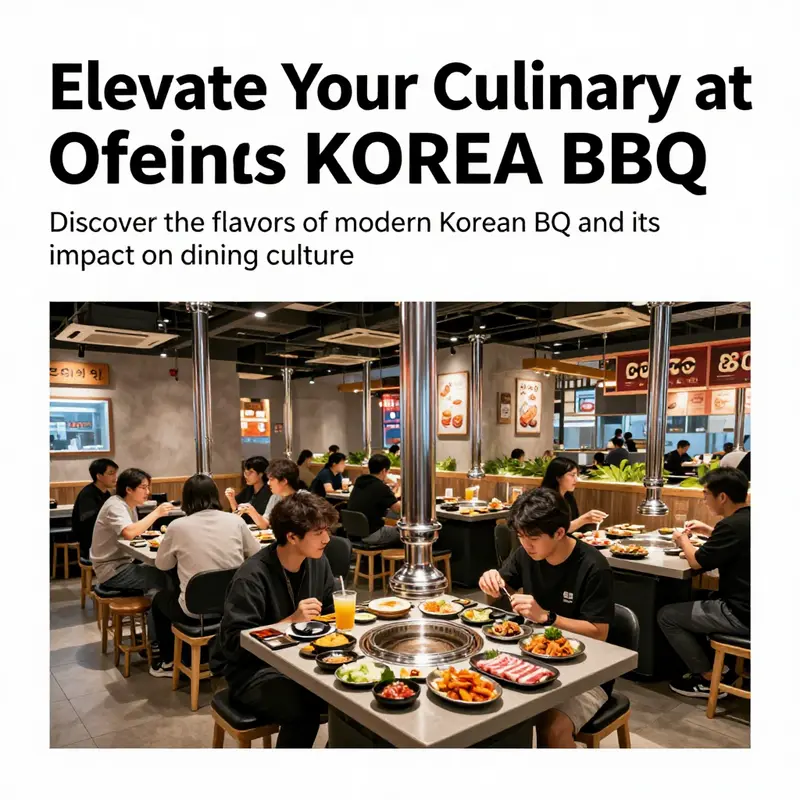
COCO KOREA BBQ is not just a restaurant; it’s a cultural experience that brings Korean BBQ to the heart of Suwanee, Georgia. With its modern ambiance and diverse menu offerings, it stands out as a prime example of how Korean cuisine can enrich the culinary landscape in America. This article delves into the unique dining experience provided by COCO KOREA BBQ, highlights its most popular menu items, and explores the cultural significance of Korean BBQ, helping business owners understand its potential appeal in attracting diverse clientele.
The Dining Experience at COCO KOREA BBQ
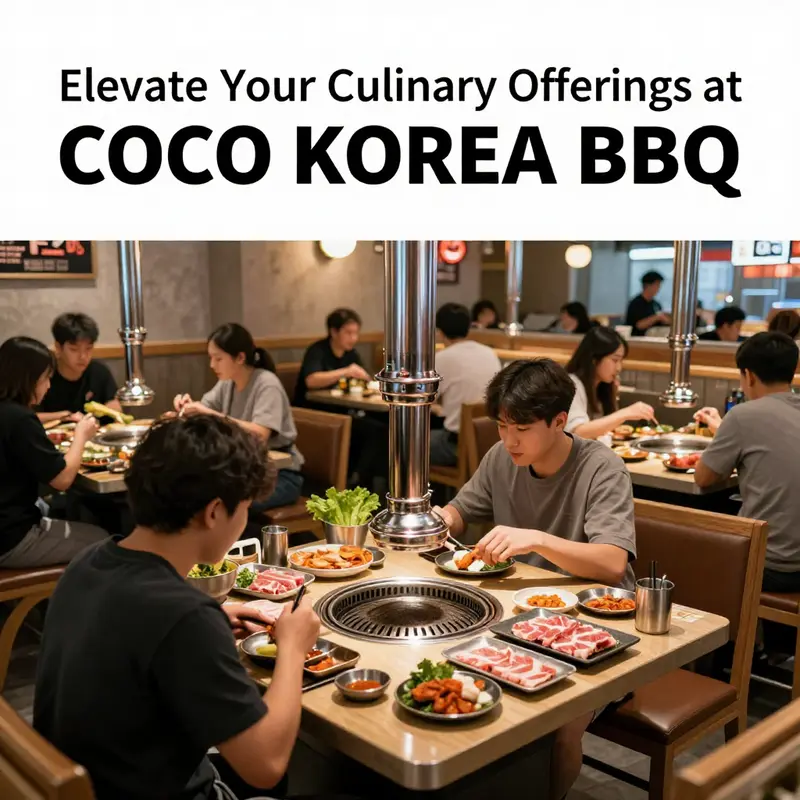
The dining room in Suwanee offers more than a meal; it invites a small ceremony around the grill, the shared service of cooking becoming part of the dining ritual. The interior leans into a modern Korean aesthetic — clean lines, warm wood tones, and carefully placed lighting that keeps the energy upbeat without the rush that can mark other AYCE concepts. It is the kind of place that feels equally welcoming for a family night out and for a group of friends celebrating a milestone. The staff participates in the rhythm of the meal, stepping in with confident guidance to keep the grill sizzling and the conversation flowing, a feature that lowers the barrier for newcomers who might otherwise be hesitant to try something new.
The culinary approach celebrates the core of Korean barbecue — allowing diners to savor a sequence of fresh, well-prepared meats that are selected for tenderness and flavor. The restaurant offers a variety of cuts and seasonings, with the kitchen delivering quality ingredients ready to be finished on the grill at each family table. The experience is built around balance: the meats paired with a diverse array of side dishes that range from crisp vegetables and pickles to heartier bowls of warmth and comfort. The staff’s guidance helps ensure that even novices can control the grilling tempo, producing a perfect bite rather than a burnt test of will.
The value proposition is central here; diners can explore a wide range of flavors within a single meal, making it ideal for groups with varied preferences. The restaurant’s layout supports a social tempo, with dish re-stocking and side dish refills happening quickly, so conversations once again can rise above the clatter of the grills. Yet there is a practical constraint: the all-you-can-eat experience operates within a 90-minute window, a courtesy that keeps the kitchen turnover steady and ensures that each guest leaves with a sense of energy and satisfaction rather than fatigue. The check includes an automatic gratuity, a policy that some guests weigh carefully when planning a celebration, yet many find it convenient as it aligns with the communal spirit of sharing a table and a meal.
For guests who prefer a slower pace or a more customized selection, there are a la carte options. The emphasis remains on premium, marinated, and freshly prepared cuts, allowing diners to tailor the meal to their appetites and to the moment. The approach intentionally centers on robust flavors and careful cooking, with no seafood focus required to deliver a satisfying experience. The result is a dining atmosphere that feels both dependable and fresh, where consistency in service and warmth in hospitality reinforce the quality of the food without needing flashy gimmicks.
The restaurant sits in a neighborhood steeped in culinary culture, making it a natural gathering point for families and friends who want to share time together. Easy access and proximity to other dining spots and stores create a convenient urban escape that suits a celebratory dinner, a casual weeknight, or a weekend outing. The room design supports conversation and laughter, turning a simple dinner into a memory that invites a return visit. The balance between modern comfort and traditional flavor anchors the experience, reminding guests that Korean barbecue, at its best, is less about spectacle than about the handshake between good ingredients, careful grilling, and generous hospitality.
For readers curious about how this format translates in other places, the AYCE Korean BBQ approach features across many cities and venues, including a broader exploration here: all-you-can-eat-korean-bbq-oakland.
As this chapter closes on the Suwanee experience, the thread remains clear: the appeal of this dining style lies not only in the food but in the posture of the service, the rhythm of the grill, and the sense of community created around a shared meal. It is a reminder that culinary traditions travel well, adapting to new neighborhoods while retaining the core pleasures that drew guests to the table in the first place. For a broader perspective on related hospitality experiences, see https://www.booking.com/hotel/th/coco-hotel.en-gb.html.
Flavors Under the Flame: A Guided Tour of COCO KOREA BBQ’s Signature Menu
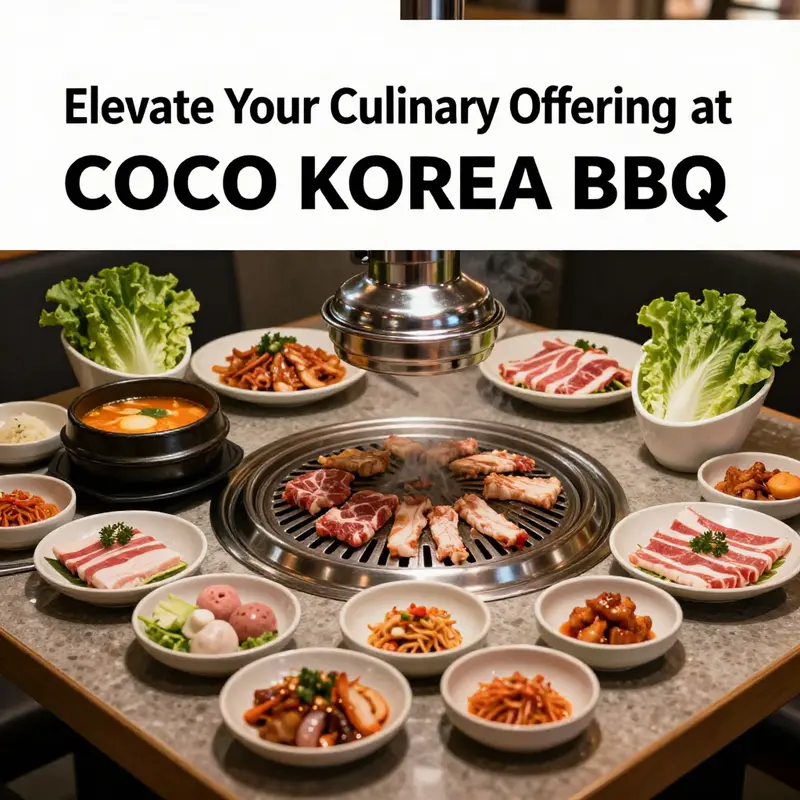
COCO KOREA BBQ in Suwanee blends Korean grilling with a modern American dining mindset. The space feels contemporary and welcoming, chosen to host families and friends who want to talk through rounds of meat and sauce rather than race to finish a plate. The central grill is the stage, but the real performance is the rhythm of banchan and dipping sauces that appear as the table settles. The AYCE format invites sharing, and the staff’s steady guidance helps first-timers navigate the heat and pace. It’s a setting built for conversation, where curiosity is rewarded by a broad menu and attentive service rather than a hurried rush.
Pricing and policy shape the experience. The all-you-can-eat option is priced at $39.99 per person, a figure that encompasses a wide range of meats, seafood, sides, and signature dishes. Ninety minutes on the clock keeps the flow lively, ensuring the grill stays hot, the orders keep coming, and the table remains social. An automatic 18% gratuity signals clear expectations for service, while the à la carte path remains available for guests who want to tailor their meal. The balance between abundance and flexibility makes it easy to bring a group together, whether for a casual supper or a celebratory gathering.
Among the main attractions is Hanwoo Galbi. This signature cut, drawn from premium Hanwoo beef, stands out for its even marbling and a texture that almost melts on contact with the grill. A quick sear yields a glossy surface, and the interior remains tender and juicy. The beef carries a subtle sweetness and a faint, mineral finish that lingers after the bite. The kitchen supports the experience with careful grilling and timely slices, turning a simple strip into a moment of refined flavor. In the AYCE format, this dish anchors the menu’s quality, reminding guests that the best grill is as much about the meat’s character as the heat it meets.
Another highlight is Charcoal-Grilled Bulgogi, a marinated beef that deepens its flavor under charcoal. The sauce is a balance of sweet, salty, and savory notes, with garlic and a hint of pear. The charcoal adds a smoky layer that makes each slice taste richer than pan-seared versions. The result is a satisfying bite that pairs well with crisp lettuce leaves and a dab of sesame oil. The experience becomes a small ritual: place a slice on a leaf, add a shred of garlic, wrap, and bite. This dish demonstrates how the restaurant uses grilling to create a conversation between traditional flavors and a modern kitchen approach.
Seafood options offer a different texture and aroma. Fresh uni, along with squid and scallops, invites diners to experiment with sea-bright flavors beside the beef. Uni can be enjoyed raw for its creamy sweetness or lightly seasoned to fuse with Korean seasoning. The squid provides bite and resilience, while scallops bring a melt that contrasts with the meat. The seafood choices complement rather than compete with the main meats, expanding the table’s possibilities and encouraging guests to pace their meal with varied textures.
For diners mindful of health, the menu presents low-fat chicken breast skewers and vegetable platters with a natural herb sauce. The skewers offer lean protein, and the herb sauce brightens the palate without overpowering the grill’s savor. The vegetables bring color, crunch, and a chance to balance fat with freshness. Wrapping greens around a piece of meat remains a classic Korean technique, and the herb-infused dip makes these wrappers more than a side note. Together, these items show how the menu supports a varied dining experience without compromising flavor or satisfaction.
Banchan, the little side dishes, arrive in generous, replenishable portions that reinforce the social core of Korean dining. Kimchi adds heat and tang, while seasoned bean sprouts offer a crisp counterpoint to smoky meats. Garlic slices and lettuce leaves invite playful wraps, turning each bite into a tiny ritual. The variety is not merely filler; it’s a curated chorus that keeps the palate refreshed between grill rounds. This approach helps guests stay engaged, conversation flowing, and appetite steady as the table shares more rounds and stories.
Drinks complete the atmosphere. Unlimited soju and a selection of local craft beers encourage a festive mood without overpowering the flavors on the plate. The drinks program aligns with the social mission of the meal—sharing, lingering, and savoring. The service remains attentive but unobtrusive, guiding grill timing and offering tips to maximize flavor. The overall effect is a balanced evening where food, drink, and company are equally important, creating a memory of good conversation and great bite after bite.
Sourcing and safety are the quiet backbone of the menu. Ingredients come from traceable, high-quality suppliers, a detail that matters to cooks and guests alike. Consistency in texture and aroma relies on careful selection and transparent provenance. This emphasis on quality supports the confidence diners feel as they explore the menu, from the marbled main cuts to the crisp vegetables. The result is more than a lineup of dishes; it’s a thoughtful dining experience that respects both tradition and modern dining expectations.
The cumulative effect is a menu that feels like a refined celebration rather than a simple grilling exercise. The Hanwoo Galbi, the Charcoal-Grilled Bulgogi, the uni and shellfish, the lean options, and the endlessly replenished banchan all cohere into a portrait of Korean barbecue that travels well—from Seoul to Suwanee. It’s a reminder that good grilling, when paired with care, balance, and hospitality, becomes a catalyst for connection. For readers curious about AYCE formats elsewhere, see All-You-Can-Eat Korean BBQ in San Mateo. For the complete menu details, refer to the official menu here: https://www.cocokoreabbq.com/menu
Sizzle, Service, and Significance: COCO KOREA BBQ as a Cultural Echo of Korean Cuisine in Suburban Georgia
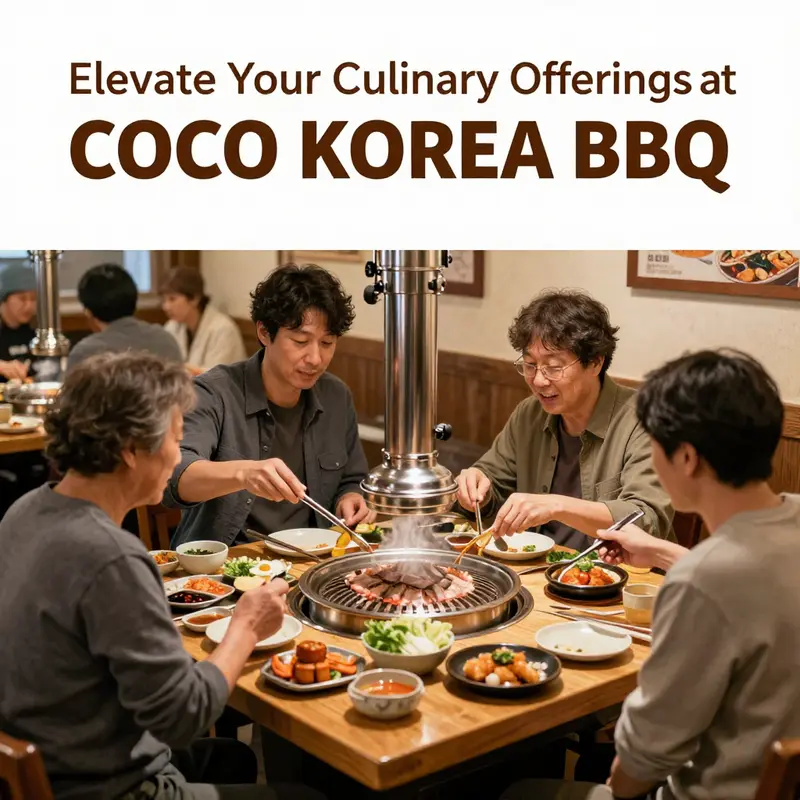
In Suwanee, Georgia, COCO KOREA BBQ announces itself with the familiar hiss of a grill and the bright murmur of a dining room designed for conversation. It sits in a crescent of suburban activity where families drift in for weekend gatherings and friends slip in after work to share a round of sizzling plates. The restaurant’s appeal rests not only on the modern Korean aesthetic—clean lines, warm lighting, and a casual yet polished atmosphere—but also on a model that makes Korean barbecue accessible to a broad audience. The AYCE format, priced at forty dollars per person, is framed as a culinary invitation rather than a indulgence. It is a contemporary translation of the traditional Korean table where shared dishes and communal grilling create a sense of belonging, a living room of flavors where everyone becomes a collaborator at the grill. The address, 525 Peachtree Industrial Blvd Suite I, situates the venue in a community with a notable Korean diaspora, a detail that matters because culture travels with the food and with the people who cook it. The result is an experience that feels both local and legible to visitors who arrive curious about Korean barbecue yet unsure how to navigate its interactions: the grill, the banchan, the pace of service, and the rules that govern the meal.
The AYCE structure at COCO KOREA BBQ is more than a price point. It signals a hospitality model that places the customer at the center of a dynamic, interactive meal. As soon as a table settles, a staff member steps into the flow of the dining room, offering guidance on grilling techniques and helping newcomers adjust to the rhythm of cooking. This hands-on service is not an obstacle to autonomy but a bridge to confidence. Diners who fear overcooking their meat or mismanaging their sauce find a friendly ally who can demonstrate proper searing, balance of heat, and the art of savoring a piece of brisket with a chorus of complementary flavors. The menu highlights a curated spectrum of pork, beef, and marinated specialties—pork belly, bulgogi, and marinated short ribs—each arriving at the table in generous slices. The presence of classic Korean preparations, alongside the self-serve banchan that diners can refresh, reinforces a cultural pattern: food is both ritual and play, discipline and delight, all under one roof.
Among the most telling details of COCO KOREA BBQ is the social tempo it generates. The 90-minute time limit for the buffet subtly nudges groups toward shared pacing rather than lingering at the edge of gluttony. It creates a rhythm in which conversation, laughter, and aroma rise together, then gently ebb as the grill calms between rounds. The bill’s automatic 18 percent gratuity also shapes expectations, nudging a sense of collective responsibility for service quality and the overall dining experience. These practical aspects are not mere logistics; they reflect how the Korean dining ethic translates into an American context: the meal is a communal event, and the staff’s proactive approach to grilling mirrors the Korean value placed on hospitality and attentiveness. In this light, COCO KOREA BBQ becomes more than a place to eat. It acts as a cultural conduit, presenting a form of food governance that can be learned and appreciated by guests who come from different culinary backgrounds.
The culinary language of the restaurant also invites readers to bridge the table to tradition. The marinating techniques and meat selections—especially cuts like pork belly and bulgogi—are expressions of a broader Korean palate that prizes balance and intensity. Spicy sauces and marinades rely on the chemistry of fermentation and chili heat, built around gochujang and a spectrum of aromatics. This is not merely heat for heat’s sake; it is a careful choreography where sweetness cuts pepper and acidity sharpens the aftertaste, allowing each slice of meat to carry a memory of a broader Korean meal. In a setting that welcomes newcomers, the science behind these sauces—yeast-driven fermentation, the depth of umami, the way fat interacts with spice—offers a subtle education in flavor as a cultural language. Diners who begin with a bite of bulgogi may leave with a curiosity about how Korean cooks balance sugar, salt, and fire to produce a finished dish that feels both comforting and adventurous.
Beyond the grill and the plate, the experience at COCO KOREA BBQ engages with a wider set of Korean culinary traditions that have traveled across oceans and generations. The banchan, little side dishes that accompany the main course, provide a seasonal chorus of textures: pickled vegetables, crisp kimchi, and sheets of seaweed ready for wrapping. The use of seaweed varieties—gim for wrapping, nori for a familiar bite, and dasima in broth-centric dishes—speaks to the central role sea vegetables play in Korean meals. This is not salad on the side but an integrated layer of taste and texture that invites diners to build tiny parcels of flavor, a habit common in many Korean homes and eateries alike. In this context, the universal appeal of AYCE becomes a vehicle for cultural exchange, allowing diners to experiment with combinations, to discover how a bite of marinated meat wrapped with seaweed can translate across foodways while staying rooted in a regional kitchen.
The cultural significance of COCO KOREA BBQ also extends into the broader story of Korean cuisine in the United States and beyond. The Korean grill experience has often functioned as a cultural ambassador, a shared ritual that encourages conversation about origins, family, and community. It is a setting where the story of fusion and adaptation unfolds in real time: in the way a diner might pair bulgogi with a local drink, or in how a family introduces younger generations to Korean flavors through an approachable, hands-on format. In this sense, the restaurant contributes to a larger narrative about why Korean food travels well: it is social by design, versatile in its ingredients, and deeply respectful of tradition even when it bends to new locales. The discourse around Spam’s presence in certain Korean-inspired dishes, a nod to historical moments of resourcefulness, reminds us that cuisine is not static. It evolves in response to circumstance and community, often weaving humor and memory into a plate as surely as it does heat and sweetness.
For readers who crave a wider frame of reference, the experience at COCO KOREA BBQ resonates with other all-you-can-eat Korean barbecue venues that exist across the country, including markets with similar menus and service dynamics. As a point of comparison, consider the extensiveness of the format in places that emphasize not only meat but also a disciplined approach to pacing and sharing. The key takeaway is that this style of dining is less about quantity and more about a performance of hospitality, technique, and belonging. It invites guests to participate in a culinary theater where meals become memories shared around the grill. For readers curious about similar all-you-can-eat experiences beyond Georgia, see All-You-Can-Eat Korean BBQ Oakland. All-You-Can-Eat Korean BBQ Oakland
Looking outward and inward at the same time, COCO KOREA BBQ also points to a broader educational payoff. Diners can observe how a modern Korean kitchen translates time-honored practices into a contemporary dining format. They can notice the care with which staff approach the grill, the way banchan refills are managed, and the thoughtful pacing that makes a long meal feel balanced rather than exhausting. The restaurant’s emphasis on a lively yet comfortable environment lines up with an enduring cultural impulse: Korean cuisine is not merely about the heat of a fire or the label of a dish; it is about the social fabric that invites people to share, to learn, and to savor together.
External reference: Gochujang and Korean sauces on Wikipedia.
Final thoughts
COCO KOREA BBQ not only satisfies the appetite but also serves as a cultural bridge, offering a modern take on traditional Korean BBQ. Its inviting atmosphere, diverse menu, and commitment to quality make it a significant player in the culinary scene. Business owners can draw valuable insights from this establishment about how to effectively cater to the appetites and experiences of diverse customers. By embracing the art of communal dining and high-quality ingredients, anyone can enhance their own dining ventures.