
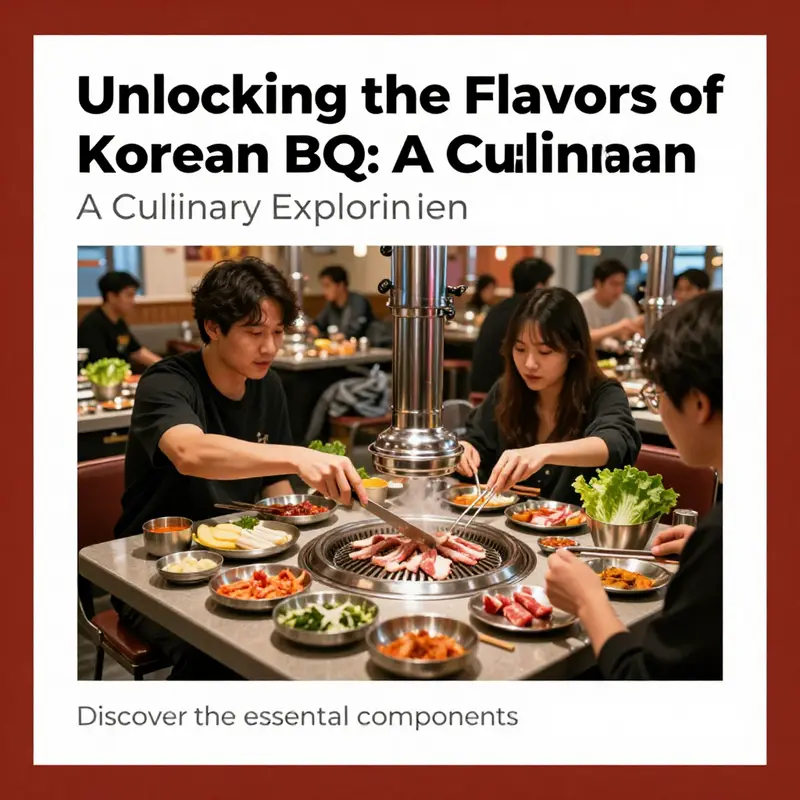
Korean BBQ is more than just a meal; it’s a cultural experience that combines the art of grilling with fresh ingredients and bold flavors. For business owners seeking to enhance their dining establishments, understanding the core elements of Korean BBQ can create unforgettable experiences for customers. This exploration delves into three crucial components: marinated meats that serve as the delectable centerpiece, fresh vegetables that add crunch and vibrancy, and a range of condiments and side dishes that elevate every bite. Together, these elements form the backbone of what makes Korean BBQ a beloved culinary tradition and can inform strategic menu decisions for restaurateurs looking to captivate their clientele.
Fire and Flavor: How Marinated Meats Define Korean BBQ

Korean BBQ hinges on the marriage of heat and marinade. The meats are the showpiece, but the marinades are the story. A well-made marinade does three jobs at once: it seasons, it tenderizes, and it encourages caramelization. Those outcomes create the signature texture and taste that make Korean BBQ instantly recognizable.
The most famous example is bulgogi—literally “fire meat.” Thin slices of beef, often from top round or ribeye, soak in a glossy mixture built around soy sauce, sugar or honey, sesame oil, minced garlic, and grated pear. That pear does more than add sweetness. Its enzymes gently break down muscle fibers. The result is meat that sears quickly yet stays tender. Other fruits, like kiwi or Asian pear, serve the same purpose. Their enzymes act on proteins, shortening cook time and improving mouthfeel without masking the beef’s flavor.
Beyond bulgogi, marinades adapt to different proteins. Galbi short ribs use a similar sweet-savory base but often emphasize depth and gloss so the meat clings to bones and browns richly. Pork bulgogi, or jeyuk, leans into chili and gochugaru for heat, while dak bulgogi relies on bright, slightly sweet blends that complement chicken’s lean texture. Samgyeopsal, pork belly, sits apart from heavily marinated cuts. It’s usually unseasoned or simply salted, celebrated for its rendered fat and textural contrast. That variety—marinated and unadorned—gives Korean BBQ balance.
A marinade’s components are purposeful. Soy sauce supplies umami and salt. Sugar or honey promotes caramelization and gives a glossy finish. Sesame oil adds aroma and softens the palate. Garlic and ginger introduce bite and warmth. Fermented ingredients, like doenjang or gochujang, introduce deep fermentation notes and a lasting umami backbone when used. Each element works in layers, and small changes shift the final character dramatically.
Technique matters as much as ingredients. Thin slicing is essential for bulgogi because it allows the marinade to penetrate evenly. Time in the marinade varies by cut: delicate proteins need less time, while tougher cuts benefit from hours. However, acid-heavy or enzyme-heavy marinades can over-tenderize. Keep an eye on texture. On the grill, high heat locks in juices and produces a caramelized crust. Because Korean BBQ is often cooked at the table, the communal grill lets diners control doneness and enjoy meat hot off the grates.
Marinated meats also work in social rituals. A common pattern is wrapping grilled meat in lettuce with a smear of ssamjang, a slice of raw garlic, and a thumb of kimchi. That bite combines fat, spice, acidity, and crunch all at once. Side dishes, or banchan, rotate the palate between spicy, sour, and savory, extending enjoyment and cleansing the tongue for the next piece of meat. Rice and cold noodles provide textual contrast and help temper richness.
For home cooks, replicating restaurant-quality marinated meats is achievable. The key is balance. Measure soy and sweetener first. Add aromatics and sesame oil sparingly. Introduce fruit purée or juice for tenderizing, but monitor time closely. Use a hot, well-oiled surface for quick searing. If you lack a tabletop grill, a cast-iron pan or portable electric grill produces similar results while controlling smoke.
Marinades are also a place for personality. Regional and family recipes vary. Some prefer a darker, more caramelized bulgogi with extra sugar. Others favor bright, fruit-forward blends or spicier marinades with gochujang. That flexibility keeps Korean BBQ lively and invites experimentation while staying rooted in technique.
To explore variations and a practical marination recipe, see this detailed guide on bulgogi preparation at Bul-Gogi Korean BBQ. For a step-by-step external recipe and expert tips, consult this marination resource: https://www.foodiepost.com/amazing-korean-bbq-marination-recipe/
null
null
Ssam, Ssamjang, and Banchan: The Condiments and Side Dishes That Define Korean BBQ
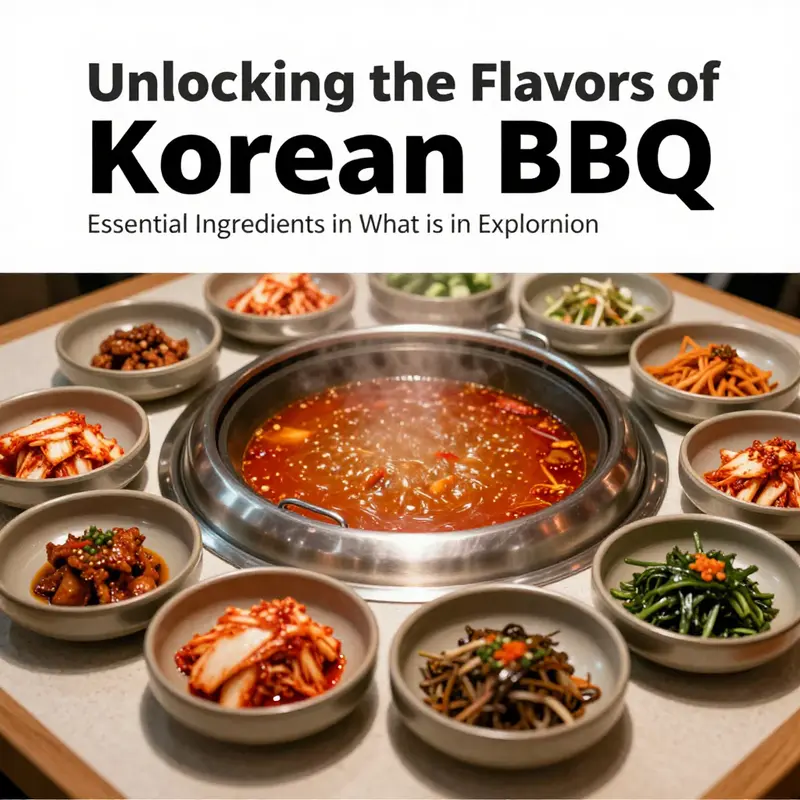
Korean BBQ is more than grilled meat; it is a balanced conversation between bold flavors and cleansing, complementary bites. At the center of this conversation sits ssamjang, the thick, umami-rich paste that turns a piece of charred meat into a layered, bite-sized revelation. Made from doenjang (fermented soybean paste) and gochujang (red chili paste), ssamjang is often brightened with garlic, sesame oil, and a touch of sugar or vinegar. It is both dip and binder, binding savory, spicy, salty, and sweet into a single smear that elevates every slice.
Around ssamjang, a chorus of condiments sings to offset the richness of the grill. Simple salt and toasted sesame oil are often underrated. A quick dip in coarse salt highlights the natural beefy or pork flavor. Sesame oil, sometimes paired with a pinch of ground pepper, offers a fragrant finish that complements fatty cuts like samgyeopsal. Vinegar-based chili sauces introduce an acidic snap that slices through rendered fat. Gochujang itself appears in many forms: straight from the tub as a spicy anchor; mixed with pear or apple purée for sweet depth; or thinned with rice vinegar for a lively dressing.
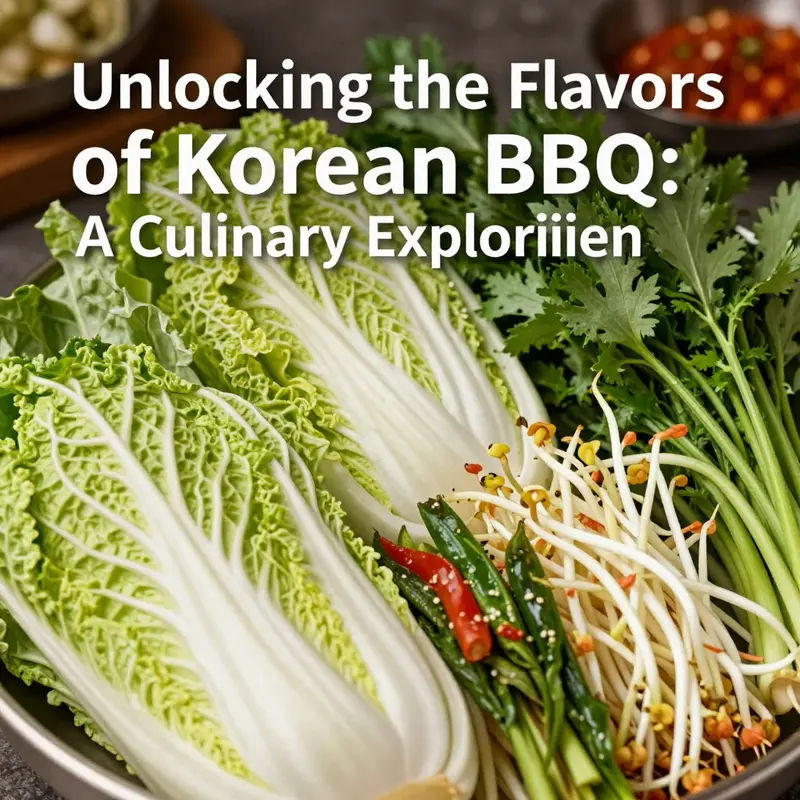
The act of building a ssam—an edible wrap—is the ritual that makes Korean BBQ social. Crisp lettuce or perilla leaves form a green bowl. A hot piece of meat goes in next, sometimes with a sliver of raw garlic or a strip of grilled scallion. A dab of ssamjang or a drizzle of sesame oil follows. Then come banchan: small, shared side dishes that add texture and contrast. A bit of kimchi brings fermented tang. Pickled radish or cucumber adds a cool, sour crunch. Sliced raw garlic offers a sharp, pungent burst. Together, these pieces form a bite with multiple tensions: char and smoke, spicy and sweet, fatty and fresh.
Banchan are not mere garnishes; they are active partners that change the flavor of each bite. Kimchi, the fermented staple, contributes acidity and heat that cuts through richness. Japchae, stir-fried glass noodles, provides a silky counterpoint to charred meat. Seasoned soybean sprouts and spinach supply mineral notes and gentle crunch. Cubed kimchi radish (kkakdugi) or pickled daikon resets the palate between heavier bites. These small plates rotate in and out during the meal, so each mouthful can be recalibrated for variety.
Texture matters as much as taste. The crisp snap of a lettuce leaf, the chew of a grilled scallop of meat, the creamy cling of ssamjang, the crunch of pickled vegetables—each element plays a role. Even temperature contrasts are conscious: cool side dishes and cold noodles calm the heat of grilled meats. Rice, plain and neutral, performs similarly. A bowl of steaming rice soaks up juices and anchors the meal.
Condiments also reflect regional and personal preferences. Some diners prefer heavier ssamjang, thickened with roasted sesame and extra garlic. Others like a lighter approach: a simple brush of sesame oil and a pinch of sea salt to highlight premium cuts such as bulgogi. For a deeper dive into how bulgogi appears across menus and styles, see this write-up on bul-gogi-korean-bbq. Small modifications—more vinegar, less chili, a fruit puree—can transform a sauce from rustic to refined.
The interplay of banchan and condiments creates rhythm during the meal. After a few savory wraps, a spoonful of cold noodle broth can refresh the palate. A bite of tangy kimchi restores appetite. Swapping ssamjang for a vinegar-based dip changes the direction of flavors. This dynamic makes each round of grilling feel new.
Ultimately, the condiments and side dishes of Korean BBQ are equal partners to the meat. They provide balance, contrast, and the tools for personalization. They turn a cooked slice of beef or pork into a crafted moment, encouraging diners to build, taste, and share. For a concise background on ssamjang and its role, see this external resource: https://en.wikipedia.org/wiki/Ssamjang
Final thoughts
Korean BBQ offers an immersive dining experience that stands out due to its unique combination of marinated meats, fresh vegetables, and flavorful condiments. By understanding and incorporating these key elements, business owners can elevate their menus and create inviting atmospheres that attract and retain customers. The interaction of grilling at the table not only engages diners but also amplifies the shared experience of a meal, making it more memorable. Incorporating these insights into your dining establishment could transform customer experiences and foster a loyal clientele eager for the communal joy of Korean BBQ.