

Korean BBQ is more than just a meal; it’s a sensory experience that combines a rich tapestry of flavors. For business owners looking to tap into the Korean culinary market or enhance their restaurant offerings, understanding the unique flavor profiles of Korean BBQ is crucial. This article will delve into the essential components: the sweetness that tenderizes and enhances meats, the umami and savory undertones that form the foundation, and the spiciness and aromatic elements that create a balanced flavor experience. Each chapter builds on these aspects, illustrating how they contribute to the overall ensemble that captivates palates and invites repeat business.
Sweetness as the Glue of Fire and Fermentation: Unpacking Korean BBQ’s Signature Flavor
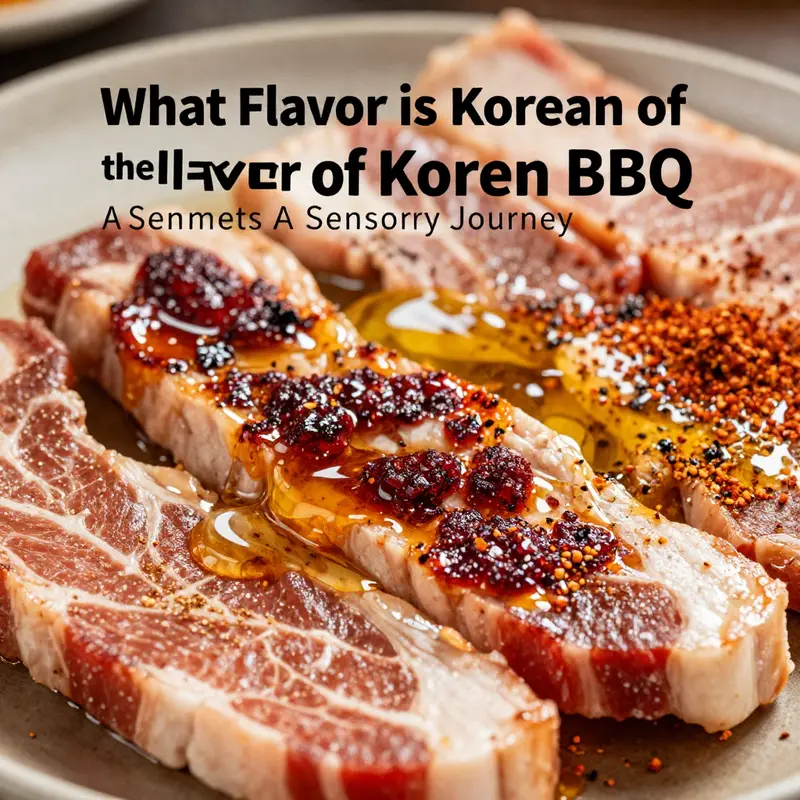
The aroma that greets a Korean barbecue table is more than smoke and heat; it is a careful negotiation between sweetness, salt, heat, and umami that makes the experience feel both rustic and refined. At the heart of that negotiation lies sweetness, not as a blunt, cloying note, but as a harmonizing force that tethers the boldness of fermentation, the warmth of spice, and the peppery bite of garlic and ginger. When we trace the flavor of Korean BBQ, the sweetness emerges as a conductor, guiding the meat through a chorus of savory depth and bright, clean fruitiness that keeps the dish balanced even as the grill roars and the glaze tightens under high heat. In this way the sweet component is not merely a taste; it is a culinary philosophy that clarifies and carries the whole tasting experience.
The sources of sweetness in authentic Korean marinades are surprisingly layered. The primary source is fruit puree from Asian pear, sometimes called nashi, and occasionally kiwi. These fruits do more than sweeten; they introduce enzymes that help tenderize tougher cuts as they meet the proteins of the meat. The pear’s natural sugars lend a fresh, almost floral sweetness that sits lightly on the palate, allowing the other flavors to come forward without becoming overwhelmed. This enzymatic tenderizing is a tradition rooted in regional preservation and aging techniques, a pragmatic approach that aligns texture with taste. The result is meat that remains juicy and vivid in character after the grill; the sweetness acts like a soft glove that cushions the powerful umami underneath.
Beyond fruit, natural sweeteners contribute depth and glaze. Brown sugar, honey, and rice syrup are common partners in a marinade that aims to create a lacquered surface on the meat. As the meat meets the searing heat, these sugars caramelize and emulsify with soy sauce and fermented pastes to form a glossy, sticky glaze. The caramelization adds a resonant sweetness that clings to each bite, contrasting with the soy’s salty umami and with the spicy heat from gochujang or gochugaru. The balance is delicate: too much sugar dulls the purpose of the spicy kick, too little leaves the dish flat. When done well, the glaze tastes bright, almost varnished, a reflection of the fire’s choreography rather than a sugary coating on top.
A crucial part of this balance is how sweetness interacts with other foundational flavors. Soy sauce provides the savory backbone, a salt-and-umami profile that deepens as it braises with the proteins in the meat. Fermented pastes such as gochujang and doenjang contribute complexity, warmth, and a subtle sourness that keeps the sweetness from tipping into simple candy-like territory. Aromatics—garlic, ginger, and toasted sesame oil—infuse the ensemble with pungent depth and a nutty finish that helps the sweetness linger as part of the texture rather than as a separate aftertaste. A small amount of acidity, whether from vinegar, citrus, or a splash of fruit juice, brightens the whole profile, ensuring the sweetness remains lively rather than syrupy, and it helps the glaze hold up as the meat caramelizes under high heat.
This careful balance reflects a broader culinary philosophy—harmony over dominance. In Korean barbecue, sweetness never overshadows the robust character of the meat and the fermentation that underpins the sauces. It is a bridge that joins the smoky, charred edges with the crisp, fresh crunch of lettuce leaves, raw garlic slices, and kimchi on the side. Each bite brings a snap of coolness or acidity that resets the palate, allowing the sweet glaze to re-enter with renewed clarity. Because the sweetness is anchored in natural ingredients and precise technique, it remains versatile enough to support variations that modern menus might propose—such as a note of pineapple or maple in a host of contemporary interpretations—yet the core principle stays the same: sweetness should elevate, not overwhelm, the savory and spicy elements.
In practice, a cook’s understanding of sweetness in Korean BBQ translates into a few decisive choices. The timing of adding fruit enzymes and sugars matters; the meat benefits from a period of marinade that allows the pear or kiwi to work their magic without becoming over-tenderized. The glaze’s viscosity is another cue; a slightly thick coating that clings to the surface encourages a caramelized bite with every finger-licking wrap of lettuce around a bite-sized piece of meat. The sweetness thus becomes a tactile as well as a gustatory sensation—one that invites the eater to slow down, to savor the layers of savory depth and bright fruit, and to appreciate the glow of the grill as it seals the glaze.
For readers seeking a practical orientation to these techniques, the way traditional marinades leverage fruit enzymes for tenderizing and the way natural sugars contribute to a balanced glaze are well documented in culinary references. A reputable overview of Korean BBQ sauce ingredients and techniques details how the interplay of fruit-derived sweetness and fermentation shapes both texture and flavor, reinforcing that sweet and savory are not at odds but are, in truth, partners. When this pairing is done with restraint, the result is a deeply satisfying, cohesive experience that feels both comforting and adventurous, a reminder that flavor can be bold without shouting. To explore these foundations further, see the related culinary guidance in established food-writing resources: korean-grill-kensington.
As the table completes its circle, the sweetness lingers, carrying a memory of smoke and spice. It lingers in the glossy glaze on the bite-sized morsels and in the gentle heat that remains after the last leaf of lettuce has been used to cradle the final piece. The sweetness thus serves as the glue that binds the chorus together, allowing the dish to sing with umami, heat, and tang in equal, articulate measure. In the end, Korean BBQ is defined not by a single note but by a carefully tuned symphony—one where sweetness smooths the rough edges of spice and salt, and where every mouthful confirms that balance is the most lasting flavor of all. For researchers and home cooks alike, this is the invitation: to explore sweetness not as a garnish but as a core instrument that helps shape what Korean barbecue tastes like in memory and at the table. The sweetness is not an afterthought; it is the critical thread that makes each bite feel coherent, modern, and undeniably Korean.
External reference: https://www.thespruceeats.com/korean-bbq-sauce-ingredients-and-techniques-4781369
Flavor on the Grill: Unraveling the Umami-Driven Symphony of Korean BBQ

Flavor in Korean BBQ is not a single note but a carefully composed symphony that unfolds on the grill and in the mouth. At its core lies a dynamic layering of sweet, savory, spicy, and deeply savory, or umami, elements that work together to elevate ordinary meats into a feast of perception. This is more than a taste phenomenon; it is a whole culinary philosophy that embraces fermentation, roasting heat, aromatic oils, and a balance of textures. The final bite often lands as a glossy, caramelized crust that carries the warmth of pepper paste, the richness of soy or bean pastes, and the brightness of fresh aromatics. It is this integration that makes Korean BBQ distinctly memorable rather than merely flavorful in a generic sense.
Umami anchors the flavor profile in a way that feels almost undeniable, especially when the meat meets those fermented foundations that are so central to Korean cooking. Gochujang, a fermented red chili paste, along with doenjang, a soybean paste, and ganjang, a traditional soy sauce, all contribute depth that goes beyond salt and sweetness. These ingredients deliver a savory backbone that enhances the meat’s natural savoriness. When heated, they release nuanced compounds that mingle with the Maillard-driven crusts, creating a lacquered surface that reads as both glossy and deeply savory. The result is not a blunt saltiness but a rounded, meat-enhancing depth that makes every slice taste more “meaty” than the last.
Fermentation is more than a technique in this context; it is an aroma and flavor builder that shapes the entire dining experience. The salty, nutty notes from sesame seeds and sesame oil contribute a toasted dimension that feels dry in aroma yet lush on the palate. Garlic and ginger bring pungent warmth, peppery crispness, and a brightness that cuts through richness. When the meat hits the grill, the heat triggers the Maillard reaction, first browning sugars and amino acids and then forming a complex glaze. That glaze clings to the surface, locking in moisture while releasing a fragrant, slightly smoky perfume that lingers long after the last bite. This is where aroma and taste become a single sensation, a harmony that feels both intense and polished at the same time.
Sweetness plays a crucial counterpoint to the savory and umami layers. It is often gentle rather than overpowering, threaded through marinades with sugars, honey, and fruit purées such as pear or apple. The fruit’s natural pectin and sugars help tenderize the meat while leaving a subtle fruitiness that brightens the overall profile. The sweetness also serves a practical function: it tempers heat without muting character, allowing gochujang’s warmth to persist while preventing fatigue from long grilling sessions. The balance is essential because, in the hands of a skilled cook, sweetness never dominates but instead lends a glow to the meat’s surface and softens the edges of the spice.
Spiciness is not a standalone force in Korean BBQ; it collaborates with the other elements. Gochugaru, the Korean red pepper flakes, or the heat embedded in gochujang provides a steady, mouth-warming burn that enriches the umami’s savoriness without overwhelming it. The heat lingers subtly, often fading into a comfortable warmth that invites another bite rather than delivering a harsh kick. This controlled spiciness helps create a dynamic flavor ladder: first sweetness, then deep savoriness, then a spicy tail that invites more conversation with the utensil and the mouth. The temperature of the grill—high enough to char and intensify flavors without drying the meat—plays a crucial role here, ensuring the spice remains integrated and balanced rather than shouting across the palate.
Aromatics are the glue that binds all these elements together. Garlic, ginger, and sesame oil contribute pungent, fragrant threads that weave through the marinade and the frying surface. Their presence becomes especially vivid when the meat’s surface caramelizes, releasing a perfume that is at once comforting and exhilarating. Sesame oil, in particular, adds a toasted, nutty gloss that reinforces the umami with a scent your brain reads as both savory and slightly sweet. When the grill roars, the flavors intensify, and the intoxicating aroma makes the idea of flavor itself more tangible, coaxing you to lean in for another slice. The result is not just a taste but a sensorial invitation to savor texture, aroma, and the interplay of all four primary flavor families in one confident, integrated bite.
The way these flavors interact is not accidental; it reflects a long-standing culinary philosophy that values harmony and contrast in equal measure. A good Korean BBQ marinade aims to lift the meat’s inherent savoriness without masking it, while the sweet and spicy components provide a counterpoint that keeps the palate engaged. The greens and raw vegetables that often accompany the dishes—lettuce leaves, thin garlic slices, bright kimchi—are not mere accompaniments but active participants in the tasting sequence. They cleanse, refresh, and reset the palate, enabling the next bite to reveal new facets of the flavor profile. In this way, the meal becomes less about a single taste and more about a conversation among flavors that evolves with each bite.
For readers curious about how related grilling styles maintain flavor complexity, a deeper dive into regional techniques is available on the kochi-korean-bbq-shabu-shabu page. The exchange between different grill traditions can illuminate how fermentation-forward ingredients, high-heat cooking, and aromatic oils converge to produce a shared essence: a bold, balanced, and endlessly engaging flavor experience. External scholarship on umami and fermented ingredients further clarifies why this approach feels so natural within Korean barbecue, offering scientific context for the savory depth that diners instinctively crave. Understanding these elements helps explain why Korean BBQ remains a benchmark for flavor artistry across grilled meat traditions.
External reading for a broader scientific perspective on umami and fermentation: https://www.seriouseats.com/recipes/2026/02/understanding-umami-in-korean-bbq.html
Layered Flame: The Flavor Architecture of Korean BBQ and the Balance Beyond Heat

Korean barbecue invites a sensory conversation that goes beyond heat. It presents a flavor architecture where sweetness, savory depth, and aromatic intensity are layered with restraint, allowing warmth to glow rather than dominate. This balance is not a single note but a chorus, where each element nudges the others into a cohesive, memorable profile. The result is a dish that feels familiar in its comfort with meat and fire, yet distinctly Korean in its behavior on the palate: approachable, multifaceted, and endlessly teaseable by the din of the grill and the chatter around the table.
The backbone of that flavor begins with fermentation-driven foundation. Gochujang and ganjang provide a deep, savory umami that anchors every cut of meat. Gochujang contributes spice, but its sweetness and fermented funk are just as important; they cushion the bite and give the glaze a living, evolving character as it cooks. Gan- jang, a salted soy-based staple, deepens the overall savoriness and adds a subtle tang from its own aging. Together, these ingredients create a marinade that does more than flavor; they entrust the meat with a memory of the pantry—the length of time, the temperature, the tiny enzyme-driven changes that happen as the surface fuses to the grill. The interplay of these elements is what makes the aroma rise in waves as the meat nears the flame, a signal that something savory and complex is about to happen.
Sweetness in Korean barbecue is thoughtfully dialed. It is not sugar for sugar’s sake; it is a tenderizing agent and a facilitator of browning. Pear puree, apple, honey, or a touch of sugar helps the surface undergo a Maillard-driven lacquer, forming a glossy crust that both catches the light and seals in moisture. This glaze isn’t merely decorative; it stabilizes the meat’s interior as the outer layer caramels under high heat, preserving juiciness and adding a desirable depth of caramel notes. When the marinade caramelizes, it also acts as a conductor, carrying the savory umami into the surface with a sweet underscore that invites the next bite rather than overpowering it. The science and the palate acknowledge this synergy: sweetness signs the crust to bloom while the meat remains the star beneath.
Aromatics play the supporting role with outsized impact. Garlic delivers a pungent cornerstone, infusing the protein with bite and warmth. Ginger brightens the profile, its citrusy zing popping as the grill smoke rises. Toasted sesame oil contributes a roasted, nutty perfume that lingers in the air and on the tongue, while sesame seeds scatter crunchy echoes that punctuate each bite. These elements are not simply layered; they are interrupted by the crackle of fat and the scent of smoke, releasing individual notes at different moments. The result is a fragrance that travels with the meat, a multi-dimensional cue sheet that guides the palate from first impression to lingering aftertaste.
Spiciness inevitably appears, but it is never the sole protagonist. The heat from gochujang or gochugaru provides warmth and complexity, yet the tradition of balance—often described as jeong in Korean culture—keeps heat from swallowing the flavors. In practice, spice threads through the marinade as a nuanced undertone: a gentle warmth that amplifies the more profound flavors rather than washing over them. This is why a well-made batch of Korean BBQ feels comforting and familiar, with spice arriving as a carefully deployed accent rather than a siege. It invites another bite, not a redirection away from the dish’s core character.
Technique completes the picture. The marinade acts as a bridge that keeps proteins moist while enabling a glossy crust to form. When fat begins to render and sugars caramelize, the crust tightens, trapping succulent juices inside and creating a satisfying contrast between exterior bite and interior tenderness. This balance is especially apparent across different proteins—beef, pork, or chicken—each benefiting from the same principles while offering distinct textures and flavors. The meat’s color, its slight char, and the way the glaze catches the light all contribute to an impression of fullness, a plate that seems to promise more flavor with every flip of the tongs.
Beyond the meat, the finish is completed with a handful of balance-makers on the side. Lettuce leaves, garlic slivers, and kimchi provide a bright counterweight to the richness, offering cleansing acidity and a crisp counterpoint to char, fat, and sweetness. The ritual of wrapping a bite—protein, lettuce, and a touch of kimchi—transforms a simple act of eating into a careful composition, a tiny course of balance chosen with each bite. The social context matters as much as the marinade; the grill becomes a stage for shared tasting, quick adjustments, and collective discovery as flavors unfold in response to heat, time, and personal preference.
For readers curious about an onscreen guide to this philosophy in action, consider exploring an all-you-can-eat setting that embodies these principles. All You Can Eat Korean BBQ in San Mateo offers a practical encounter with the balance described here, where the choreography of meat, marinade, and sides creates a dynamic tasting experience.
External resource: Gochujang, the compass of flavor, provides context for how single ingredients shape the beat of the marinade. For a broader look at this key paste, see https://en.wikipedia.org/wiki/Gochujang.
Final thoughts
Understanding the flavor profile of Korean BBQ—comprising sweetness, umami, and spiciness—provides valuable insight for business owners seeking to enhance their culinary offerings. This combination not only appeals to customers’ tastes but also invites them to experience the balance and complexity unique to Korean cuisine. As you venture into the world of Korean BBQ, consider how these flavors can enrich your menu and attract diners seeking authentic and bold culinary experiences.