
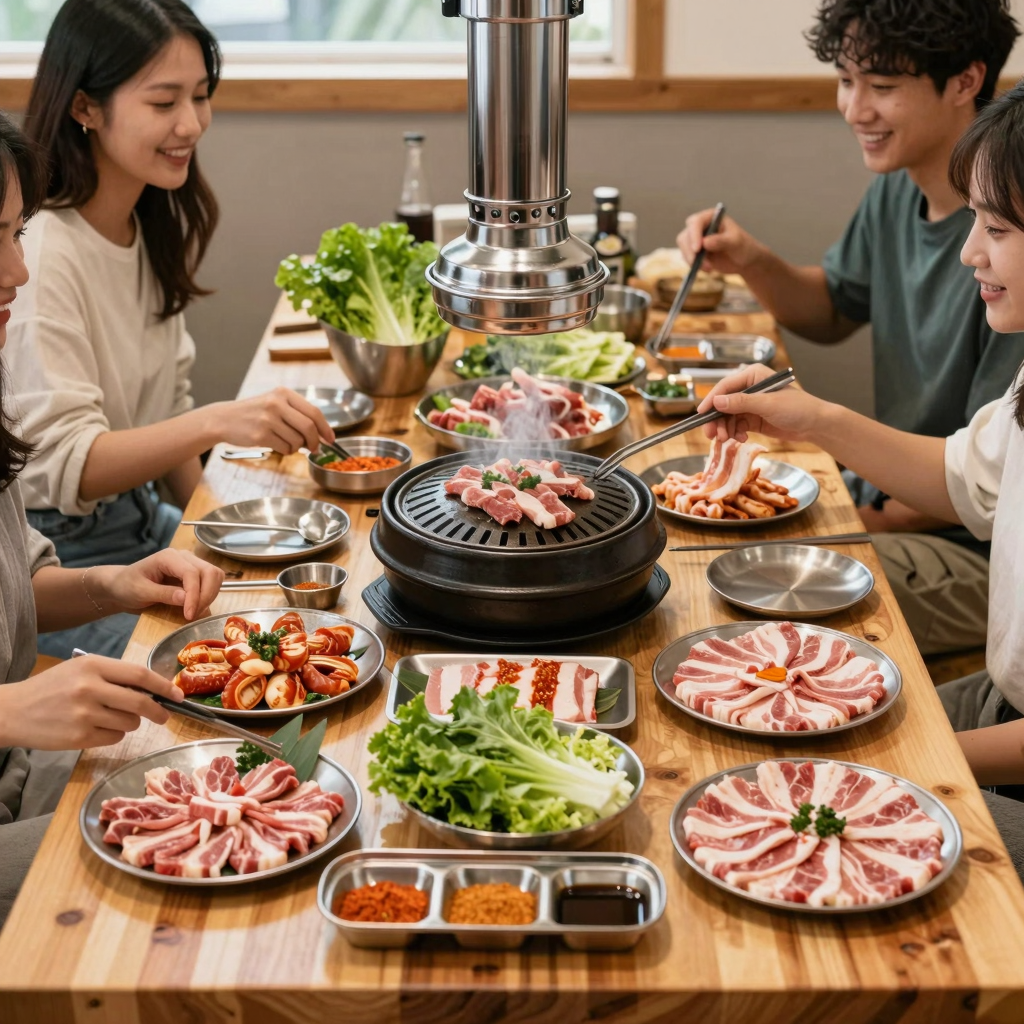
Introduction to Korean BBQ
Imagine a table filled with a vibrant array of marinated meats, fresh vegetables, and aromatic spices, bringing people together in a warm and inviting atmosphere. This enchanting scene is the essence of Korean BBQ, where culinary art meets cultural tradition. For business owners looking to create a unique dining experience, Korean BBQ offers not just a meal, but an opportunity to engage customers in a memorable social experience.
Sharing meals holds a deep cultural significance in Korea, symbolizing unity and connection amongst family and friends. Korean BBQ is more than just grilling meat; it’s about gathering around the table, sharing stories, and creating lasting memories. In a world that often prioritizes quick meals over shared experiences, Korean BBQ re-establishes the joy of dining together.
This article aims to explore the enchanting world of Korean BBQ, from its diverse offerings to the communal dining experience that sets it apart. Learn more about our menu offerings and how Korean BBQ can elevate your business in the competitive culinary landscape.
The History of Korean BBQ: Origins, Evolution, and Significance
Korean BBQ, known as “Gogigui,” traces its roots back to ancient Korea, specifically to the Goguryeo era (37 BCE – 668 CE). Historical texts document the grilling of meat-referred to as ‘Maekjeok’-which set the foundations for this beloved culinary tradition. During the Joseon Dynasty (1392-1897), grilled dishes like Neobiani, a marinated beef delicacy, became popular among the royal court, reflecting the dish’s status as synonymous with refinement and luxury.
Over the centuries, Korean BBQ evolved from an exclusive royal meal to a vital part of communal dining in Korean culture. The transformation was not merely culinary; it signified social bonding and connection. Families and friends gather around a hot grill, cooking meats together-a practice that emphasizes togetherness and hospitality. This communal dining experience is central to Korean tradition, representing a gesture of respect towards guests and loved ones.
Korean BBQ’s rise to global popularity significantly surged in the 21st century. The international appeal of K-pop and Korean culture contributed to a culinary movement that positioned Korean food as a mainstream alternative in the global dining landscape. Today, Korean BBQ is celebrated worldwide, from restaurants to food festivals, highlighting its essence as more than just grilled meat; it embodies hospitality and cultural exchange.
Cultural Roots and Evolution
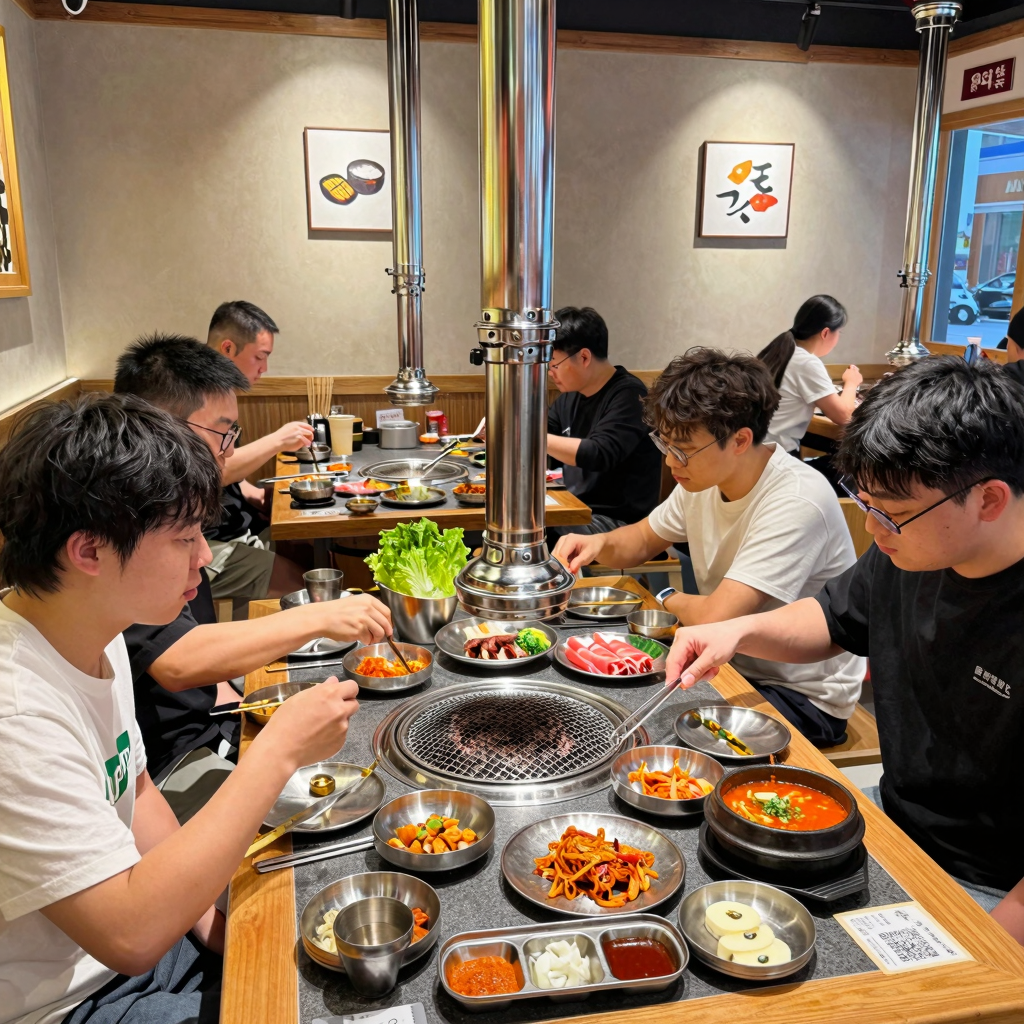
The ethos of Korean BBQ can be seen in the way it fosters relationships. Guests are invited to cook their own food at the table, promoting interaction, conversation, and engagement. This personalized dining experience underscores the importance of human connection. In the hospitality sector, Korean BBQ restaurants serve as vibrant communal spaces, often bustling with laughter and conversation, making them attractive venues for social gatherings as well as business meetings.
Beyond its culinary aspects, Korean BBQ carries significant cultural weight. Serving BBQ during family gatherings, celebrations, and business meetings symbolizes warmth, inclusion, and respect. As noted in articles from sources like National Geographic and Korea Times, these gatherings reflect deeper societal values intrinsic to Korean identity.
Significance in Hospitality
In the hospitality industry, Korean BBQ represents an innovative dining experience that blends culture, food, and entertainment. The engaged atmosphere and shared cooking rituals contribute to memorable dining experiences, making it a popular choice for restaurants globally. As the sector increasingly emphasizes personal connection and exceptional customer service, Korean BBQ stands out as a model of hospitality excellence.
Emphasizing cooking together fosters not just a meal but a shared experience-turning diners into participants. This communal approach has implications for restaurant owners, as it encourages repeat customers and creates unforgettable dining moments.
In conclusion, Korean BBQ is not just a meal; it’s a vibrant cultural phenomenon that connects the past with the present. Its evolution from royal tables to global popularity illustrates the power of food as a medium for building relationships and enhancing the dining experience, making it a significant aspect of the hospitality business today.
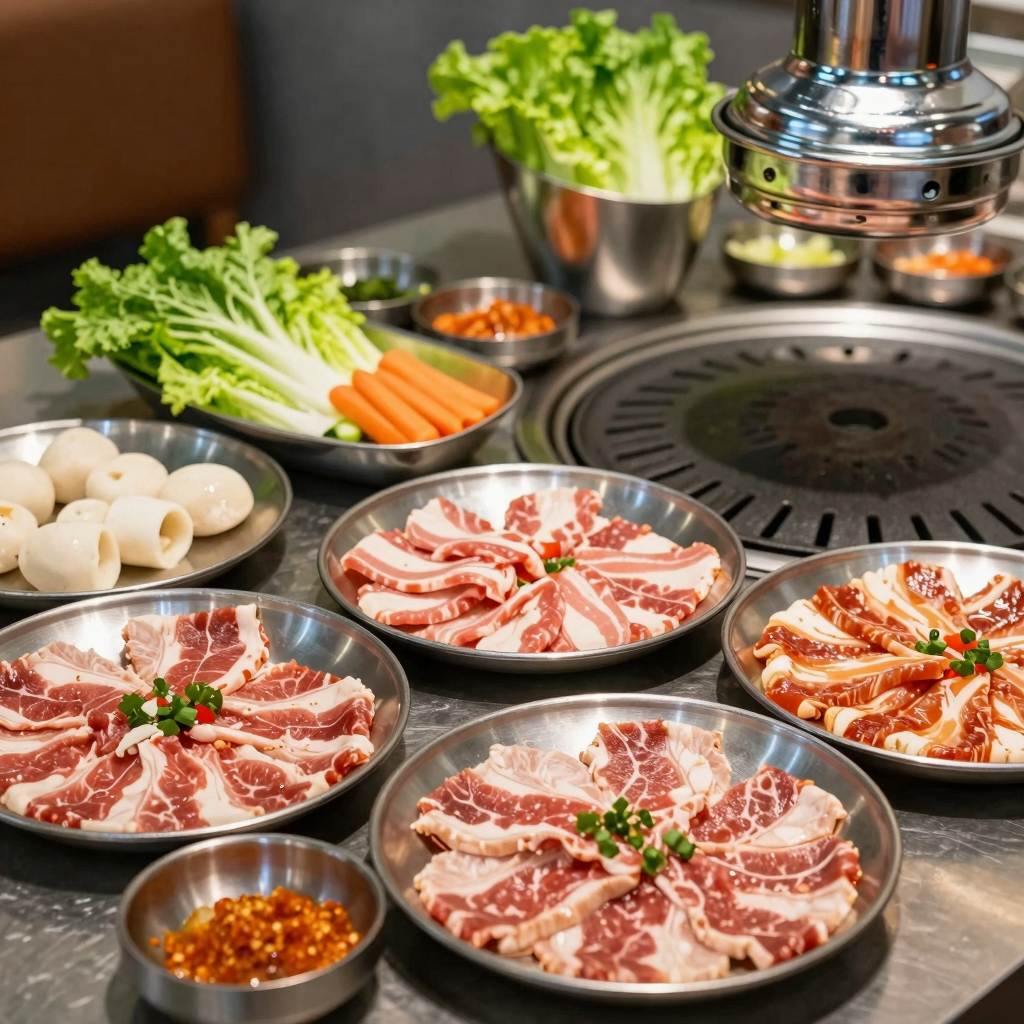
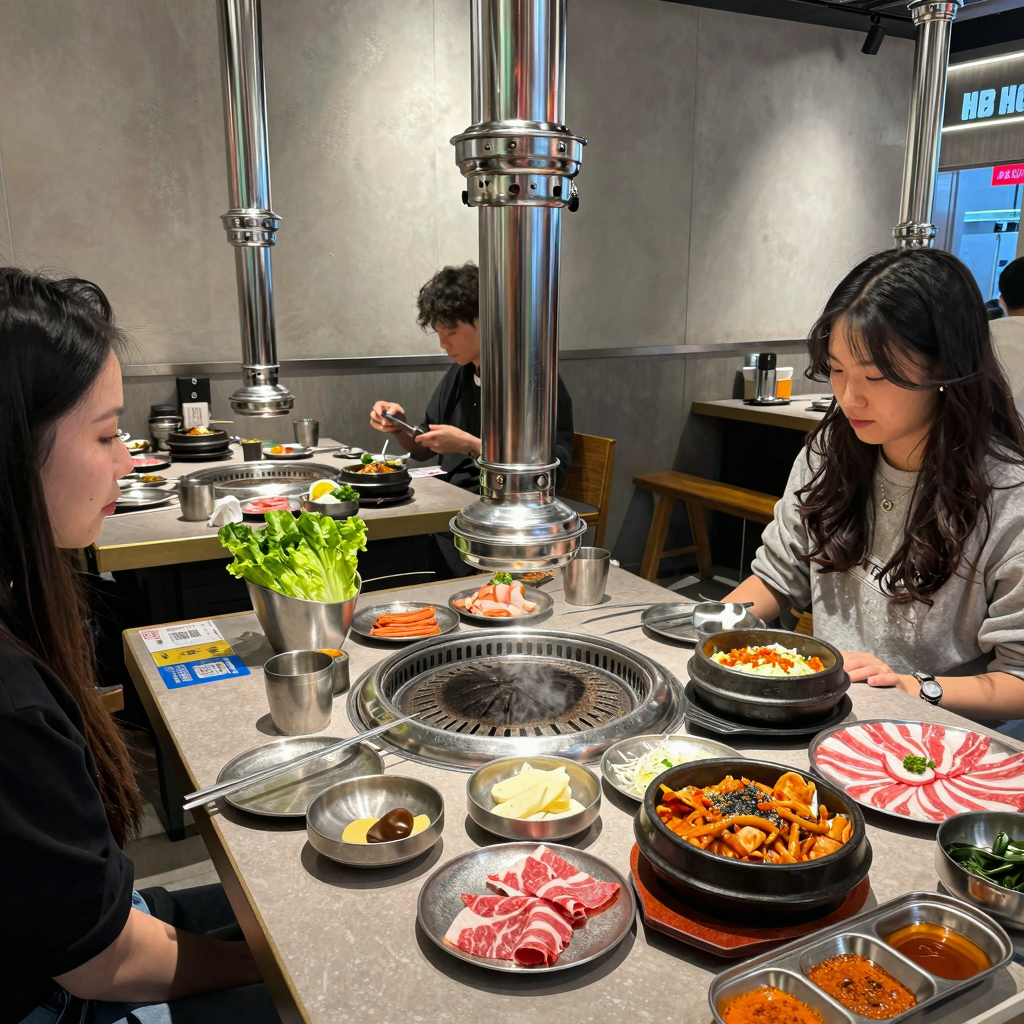
Visual Representation of Korean BBQ Preparations
To enhance your understanding and appreciation of Korean BBQ, here are some images representing traditional and modern preparations:
Traditional Korean BBQ Preparations
Modern Korean BBQ Preparations
Key Components of a Korean BBQ Setup
Setting up the perfect Korean BBQ requires a thoughtful selection of ingredients and tools to ensure a delightful dining experience. Below are the essential components for a successful Korean BBQ setup:
-
Grill Types:
-
Charcoal Grill: Traditional flavor and aroma.
-
Gas Grill: Convenient and easy to control heat.
-
Electric Grill: Perfect for indoor sessions without smoke.
-
Marinade Ingredients:
-
Gochujang: Korean red chili paste for spice.
-
Soy Sauce: Essential for umami flavor.
-
Sesame Oil: Adds a nutty aroma.
-
Brown Sugar or Honey: For sweetness.
-
Side Dishes (Banchan):
-
Kimchi: Fermented vegetables, usually napa cabbage.
-
Pickled Radish: Provides a crunchy contrast.
-
Marinated Bean Sprouts: A refreshing side.
-
Cooking Tools:
-
Tongs: For flipping and moving meats.
-
Grill Pan or Plate: To hold meats while cooking.
-
Chopsticks and Cutlery: For serving and enjoying the meal.
Understanding these components can enhance your Korean BBQ experience. For diverse menu options, explore our Korean BBQ menu.
You can also check out our all-you-can-eat options at Kogi Korean BBQ for a satisfying feast!
Health Benefits of Korean BBQ
Korean BBQ is celebrated not only for its delicious flavors but also for its numerous health benefits stemming from the nutritional aspects of grilling meats, vegetables, and traditional side dishes like kimchi. This cooking method provides a unique opportunity to enjoy a balanced meal rich in essential nutrients and beneficial compounds.
Nutritional Benefits of Grilled Meat
Grilling meat, particularly when using lean cuts, preserves high protein content while minimizing added fats. According to a study published in the Journal of Functional Foods, marinating meats with ingredients such as garlic and ginger can reduce carcinogenic compounds formed during high-heat cooking, making grilled meats safer to consume. Notably, the use of marinades, including fruit juices like pear, adds flavor and vitamins while enhancing overall meal nutrition. Grilled meats can provide essential amino acids necessary for muscle repair and growth.
Grilled Vegetables: A Nutritional Powerhouse
Grilled vegetables are a staple in Korean BBQ, contributing to the overall healthiness of the meal. Research by Healthline indicates that grilling enhances the flavors of vegetables without the need for excessive oil, preserving vital nutrients such as vitamins C and K, folate, and antioxidants. Common choices include eggplant, bell peppers, and zucchini-all of which are rich in fiber and phytonutrients, promoting heart health and aiding in digestion.
The Importance of Kimchi and Banchan
Kimchi, a fermented vegetable dish, is a significant component of Korean BBQ. It is packed with probiotics that support gut health and contain anti-inflammatory compounds. A systematic review found that regular consumption of kimchi correlates with improved metabolic health and lower risks for chronic diseases, including obesity and hypertension (Frontiers in Nutrition). Similarly, the various side dishes (banchan) accompanying a traditional meal provide additional vitamins and dietary fibers, contributing to a more balanced nutritional profile.
Incorporating these elements into a Korean BBQ meal not only enhances its flavor but offers a path to healthier eating, emphasizing the importance of grilled vegetables, lean meats, and fermented foods in our diets. For those interested, you can explore our Korean BBQ menu for a diverse culinary experience that highlights these health benefits.
Korean BBQ Restaurant Trends in 2023
The Korean BBQ dining scene is evolving rapidly, marked by significant growth and shifting consumer preferences. Recent data highlights some key trends shaping the industry in 2023:
| Category | Key Data & Trends |
|---|---|
| Global Market Size & Growth | The global Korean BBQ market was valued at over $30 billion in 2022 and is projected to grow at a compound annual growth rate (CAGR) of approximately 8.5% from 2022 to 2025, potentially reaching $450 billion by 2025. The growth reflects a strong long-term market potential, particularly in various regions. |
| Regional Growth | Significant growth is observed in Asia, particularly in China and Japan. The U.S. market shows strong potential with a size exceeding $8 billion in 2022, demonstrating double-digit growth prospects. Expansion is also evident in Southeast Asia and South America, where brands are increasingly opening locations. |
| Consumer Demographics | Primary consumers are young adults, especially Millennials and Gen Z, who are attracted to social dining experiences, interactive settings, and distinctive flavors. Gender dynamics indicate men are more frequent diners, while women are more inclined towards fusion options. |
| Changing Consumer Preferences | There is a growing demand for quality ingredients, plant-based options, and sustainable practices. Consumers increasingly seek immersive dining experiences that offer atmosphere and interaction. The influence of social media has elevated the importance of visually appealing dining settings and shareable moments. |
| Market Dynamics | The rise of fusion-style BBQ, combining Asian flavors with local ingredients, is challenging traditional BBQ norms. Authentic branding, transparency, and innovative concepts are becoming critical for appealing to a modern customer base, with effective use of digital engagement and social media as key factors influencing choice. |
For more information on menu options and business strategies, explore the Kogi Korean BBQ menu and all-you-can-eat offerings.
Market Growth Projections
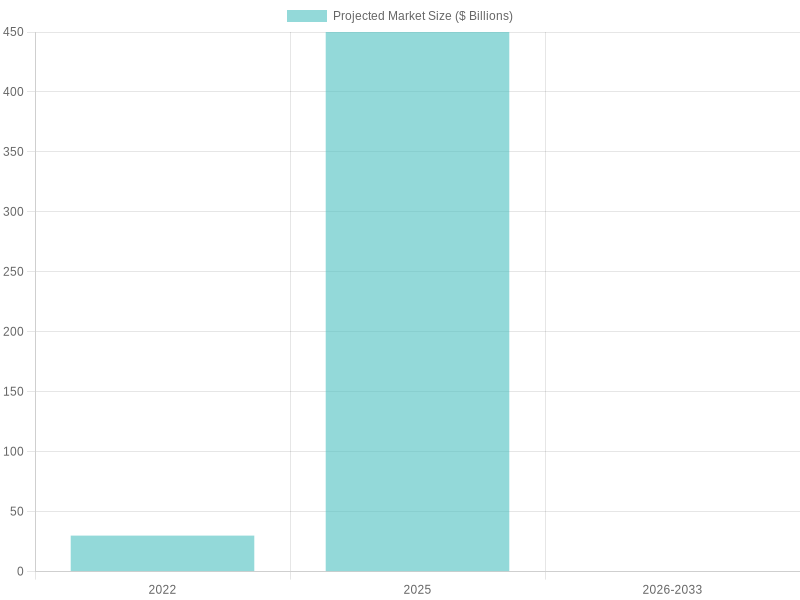
- Projected Market Size ($ Billions) per Year
– 30B in 2022
– 450B by 2025
– Growth trend from 2026 to 2033 indicates sustained interest and demand.
| Restaurant Name | Location | Features | Pricing | Unique Offerings |
|---|---|---|---|---|
| Seoul BBQ | JW Marriott, Dongdaemun | High-quality traditional BBQ | 80,000 – 150,000 KRW (~$65-125) | Dry-aged steaks and seasonal dishes. |
| Tavolo 24 | JW Marriott, Dongdaemun | Fusion of international and Korean BBQ | 35,000 KRW (breakfast), 75,000 – 110,000 KRW (~$30-90) | Open grill with a variety of meats. |
| Local BBQ | Various Local Eateries | Authentic Korean BBQ, Local farms | 25,000 – 45,000 KRW (~$20-35) | Emphasizes local ingredients, English menus available. |
| Keunsot | Near Incheon Airport | Affordable, Big Pot BBQ | 20,000 – 35,000 KRW (~$15-30) | Slow-cooked in traditional iron pots. |
| Gogi BBQ | Multiple Locations | Unlimited meat selections | 34,000 – 70,000 KRW (~$28-57) | All-you-can-eat menu. |
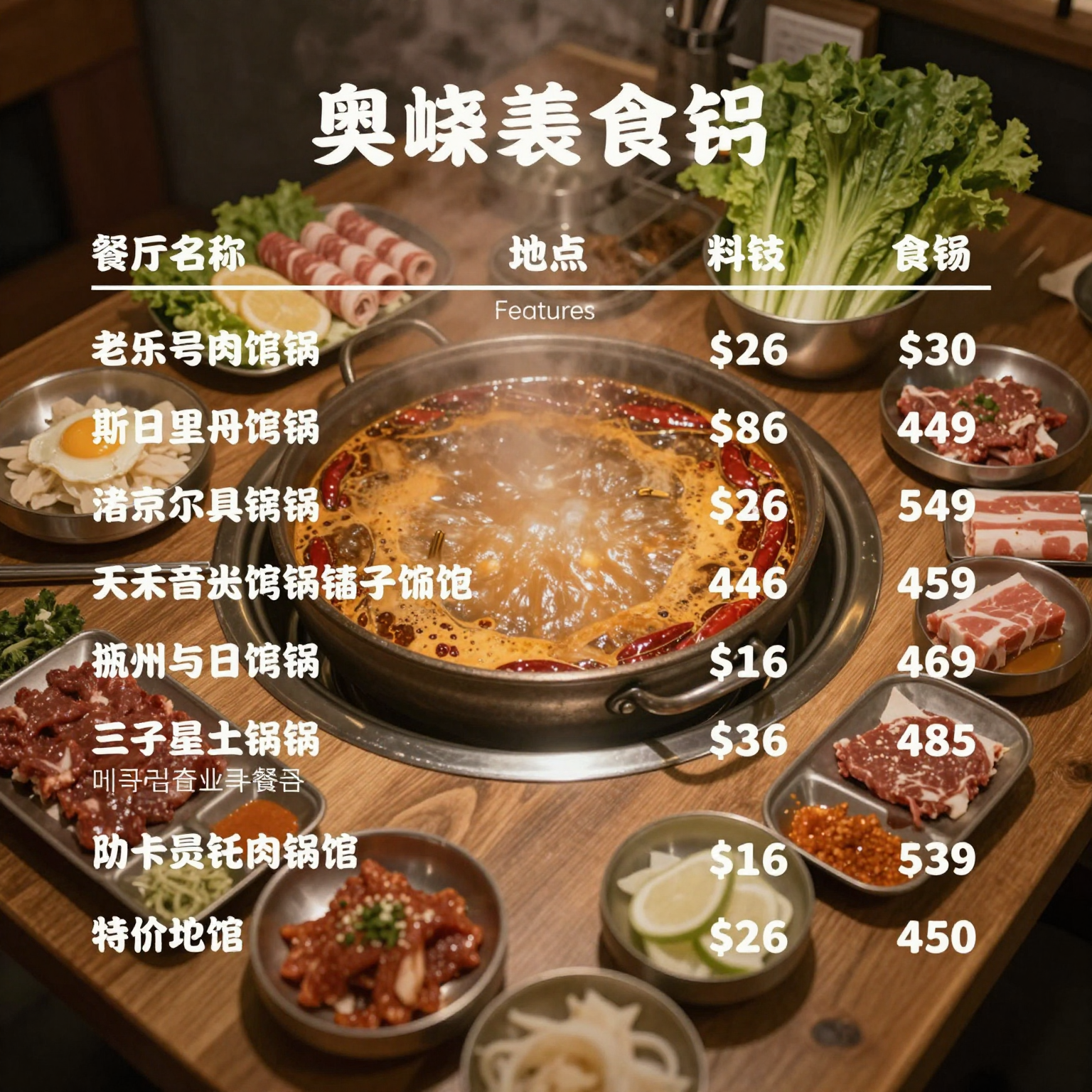
For more details on menu options, check out Kogi’s Korean BBQ and Sushi Menu and Kogi’s All-You-Can-Eat Korean BBQ in Oakland.
Conclusion
Korean BBQ is not merely a dining experience; it represents a growing trend that offers tremendous value for businesses in the food industry. With an average revenue growth of 19% for Korean BBQ restaurants in 2023, significantly higher than the overall restaurant industry’s growth of just 5%, the potential for profit is substantial. This success can be attributed to the interactive dining experience that captivates customers, encouraging them to engage with their meals, thus enhancing satisfaction and repeat visits.
The rise of Korean BBQ reflects a shift towards experiential dining, where consumers value the opportunity to share meals with family and friends while enjoying customizable options. As highlighted in Farm Journal’s article, the popularity of tableside grilling has led to a surge in new Korean BBQ openings, driven by consumer demand. Moreover, operational advantages, such as reduced labor costs per guest and higher food margin control, position these restaurants favorably in a competitive market.
For business owners looking to innovate and diversify their offerings, integrating Korean BBQ into their menus could not only attract new customers but also enhance profitability. If you haven’t yet considered this distinctive and culinary-rich dining option, now is the time to explore Korean BBQ restaurants in your area and assess how you can incorporate this popular cuisine into your business strategy. Embrace the trend of Korean BBQ, and watch your business thrive!
Growth of Korean BBQ Diners
As the popularity of Korean BBQ dining continues to rise, it is important for business owners in the food industry to take note of this trend. Over the past decade, Korean BBQ has transcended cultural boundaries, attracting diners from various backgrounds.
To visually represent this growing trend, the following chart illustrates the growth trajectory of Korean BBQ diners based on available statistics:
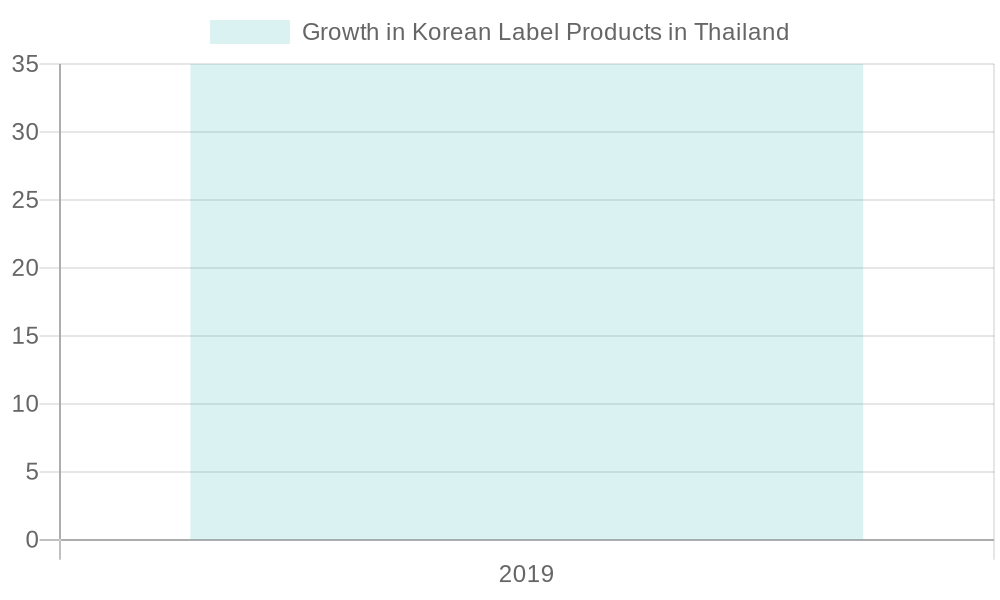
The chart indicates how the Korean food industry, particularly BBQ dining, has expanded significantly, especially from 2019 onward.
Key Takeaways:
- Korean food has developed a robust international presence, especially in North America, Europe, and East Asia.
- Surveys indicate that over 60% of respondents have a favorable opinion about Korean food, marking steady growth in brand awareness and consumer interest in the cuisine around the world.
- The rise can be attributed to various factors, including cultural exchanges, increased media representation, and the unique dining experience that Korean BBQ offers, involving interactive cooking at the table.
Business owners looking to capitalize on this trend can explore more about the offerings and menus that align with the evolving preferences of diners. For example, check out Kogi’s sushi and Korean BBQ menu to attract a diverse clientele.
“Korean BBQ isn’t just a meal; it’s an experience. The communal aspect of sharing meat at the table, the balance of bold flavors, and the interactive cooking process are what make it so appealing in today’s dining culture.”
- Chef David Chang, founder of Momofuku
The rise of Korean BBQ has resonated with many diners, emphasizing social connection and culinary experience. As restaurant owners adapt to this trend, more businesses are embracing the communal aspect of dining, appealing to customers craving both taste and interaction.