
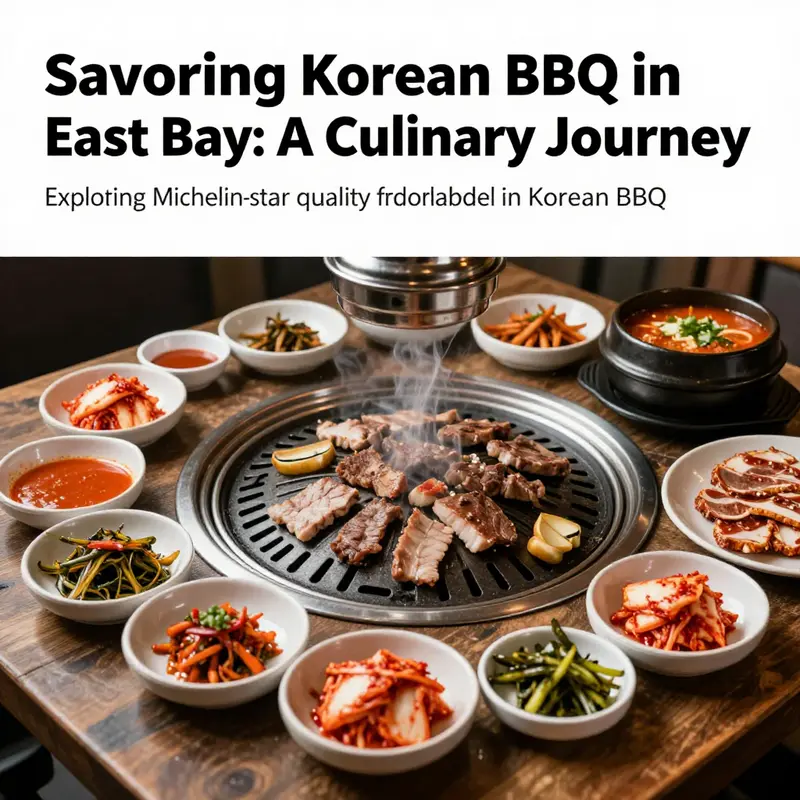
The East Bay region is a hidden gem for Korean BBQ enthusiasts, offering a vast range of dining experiences that cater to both upscale tastes and budget-conscious diners. From the Michelin-recommended Ohgane to the beloved Jong Ga House, each establishment presents unique flavors and dining atmospheres that celebrate traditional Korean cuisine. This exploration delves into two standout options that highlight the diversity and quality of Korean BBQ available in East Bay, showcasing what makes each place exceptional and worthy of a visit.
Exploring Ohgane: East Bay’s Korean BBQ Dining Experience with a Michelin-Influenced Aura
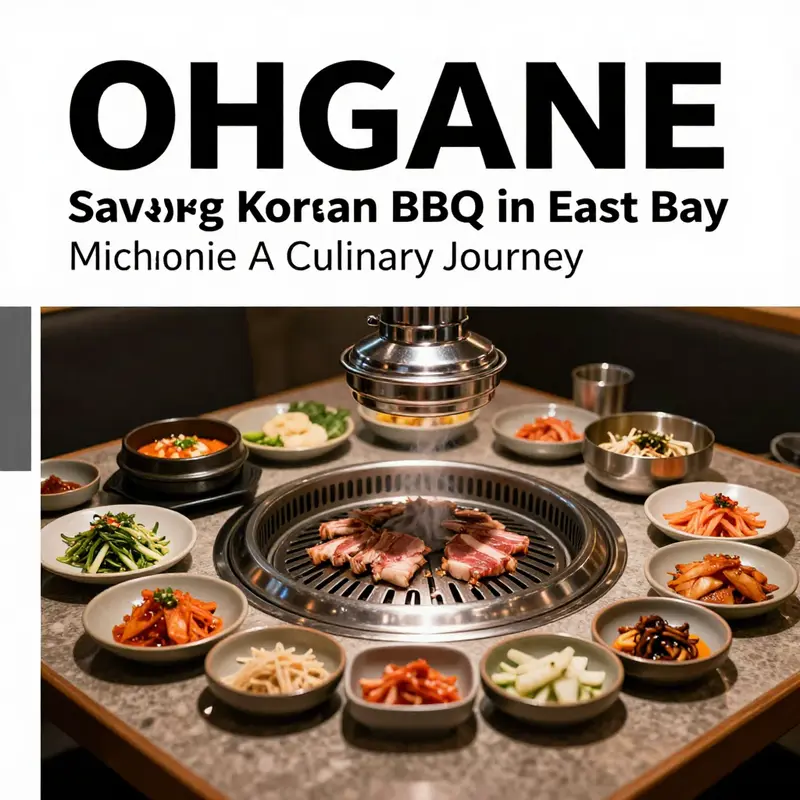
On the edge of Oakland’s urban glow, Ohgane Korean BBQ greets guests with a quiet confidence that grows as the table sizzles. The dining room is airy and polished, a modern stage where the ritual of Korean barbecue plays out in front of you. The charcoal hiss and the glow of grill tops invite conversation as much as appetite. East Bay visitors gravitate to Ohgane for an experience that feels both refined and unpretentious, a place where the best cuts arrive at the table hot and ready to transform into small, delicious dramas.
From the moment the first plate lands, the allure becomes tactile. The all-you-can-eat format offers a wide tapestry of premium meats, and while the menu can rotate with seasonality, core favorites stay constant: marinated short ribs, such as galbi, which arrive lacquered in a deeply savory-sweet glaze; pork belly that crisps at the edges and yields a tender, almost butter-like bite; beef tongue that is thinly sliced and al dente, letting the grill do the talking rather than heavy sauces. The call of the grill becomes the cue for diners to clock their timing, to coax the fats from the meat to mingle with a light sesame fragrance and the smoky whisper of charcoal. In a setting like this, technique matters as much as ingredients, and Ohgane’s kitchen appears to know that balance well.
The experience is more than meat; it is a chorus of small dishes—banchan—that accompany the main event. A careful assortment of crispy fries with a gentle crunch contrasts with the silken, savory steam of Korean-style eggs, folded into a soft custard that arrives warm enough to steam the lips of the eater. Japchae, those sweet potato noodles lacquered with sesame and vegetables, offers a chewy counterpoint that cleanses the palate for the next bite. A notable signature among the sides is a quirky fusion touch—Chinese fermented tofu blended with a curry—an offbeat component that diners either adore for its boldness or note as a curiosity. Whatever the reaction, the spread underscores a key idea: good Korean barbecue thrives not just on meat but on the harmony of textures, temperatures, and flavors that sit beside it.
In this East Bay outpost, the quality of ingredients is palpable. The beef, pork, and offal are chosen with care, and the tenderness of the slices often prompts exclamations from first-timers who expected a more generic, mass-market experience. Diners frequently remark that the meat rivals what they have had at high-end establishments back home in Seoul, which speaks to Ohgane’s ability to translate a cosmopolitan standard into a Bay Area setting. Yet with that praise comes a caveat that flavors can skew toward a sweeter profile than some purists might expect. The marinade, while richly developed, can veer on the side of lush, a reminder that regional interpretations of Korean barbecue travel far beyond the city lines of Seoul, even within a single plate.
The atmosphere contributes to a dining memory as much as the menu does. The interior design leans toward elegance—clean lines, warm lighting, and a calm rhythm that makes the room feel both refined and inviting. It is a space that pleases for a special occasion yet remains comfortable for a casual weeknight with friends. The sight of the open kitchen and the immediate aroma of garlic and meat create a theatre of anticipation, where the grilling becomes a collaborative act among chef, server, and guest. The steady pace of service helps maintain the mood, even as the dining room fills on weekends. Parking, a practical concern for any East Bay hotspot, can be tighten, and a few guests report the need for an early arrival to secure a spot, a small but real part of the overall experience.
That mix—enhanced by a dining environment that feels polished without being fussy—has earned Ohgane a robust, enduring reputation. It is the kind of place that locals refer to with a mix of affection and preference, a benchmark against which other East Bay Korean barbecue spots are measured. While the Michelin Guide status may be in flux, with the latest chatter and reviews often noting the absence of a formal star, the depth of attention to detail remains unmistakable. Many guests come away convinced they encountered a Michelin-worthy experience, even if the official designation isn’t listed on the door. It is a reminder that critical acclaim can take many forms, and a price-to-delight ratio that makes a feast feel like a well-kept secret rather than a crowd-pleasing cliché.
For diners, the choice to return often hinges on two things: reliability and ritual. Ohgane delivers consistent portions and a ritual you can count on—the moment your grill comes to life, the sizzle, the careful flipping, the gentle baste, the way the sauces seem to bring something familiar from home and something adventurous from abroad into a single bite. The service, while usually attentive, can dip during peak hours when shifts switch and tables turn rapidly. This is not so much a flaw as a reminder of a busy dining scene where passion outpaces pace, and many guests leave with a sense of having participated in a well-orchestrated meal rather than simply eaten.
In the grand landscape of East Bay Korean barbecue, Ohgane functions as both anchor and invitation. It offers a taste of Seoul’s street-level grilling with the polish of a metropolitan dining room, a combination that appeals to couples on date night and to larger groups celebrating milestones alike. The sway of aroma, the interplay of heat and coolness in the banchan, and the quiet confidence of a kitchen that seems to anticipate its guests’ desires all contribute to a memory that sticks. It is the kind of place where a table becomes a stage, where conversation lingers while chopsticks break the crisp edges of pork belly, and where the last bite of a well-seasoned beef translates into a small, contented sigh at the end of the night.
For readers curious about the specific allure of this spot, the modern dining landscape suggests more than just a meal; it suggests a moment in which the everyday becomes something worth savoring. The East Bay’s Korean barbecue scene is diverse, but Ohgane’s combination of precise technique, generous portions, and a refined setting makes it a compelling entry point. If you want to explore the broader landscape—broadening beyond Ohgane to see what other beloved options offer—consider investigating all-you-can-eat Korean BBQ in Oakland, which captures the value and variety that draw many to this coastline of sizzling grills. all-you-can-eat Korean BBQ in Oakland.
Still, a visit to Ohgane is best understood by tasting, not by rhetoric alone. The table becomes a small theater of aroma and texture, and the moment when a glaze-coated piece of galbi hits the grill is when the entire concept comes alive: patience and heat, light and smoke, tradition and innovation. In that moment, the East Bay whispers its own invitation to linger longer, to savor more bites, to gather friends, and to let the evening unfold in the glow of a successful cook and the comfort of a well-composed plate.
External resource: Ohgane Korean BBQ on Yelp: https://www.yelp.com/biz/ohgane-korean-bbq-dublin-ca
Value and Flavor on the Grill: Jong Ga House as the East Bay Korean BBQ Budget Benchmark
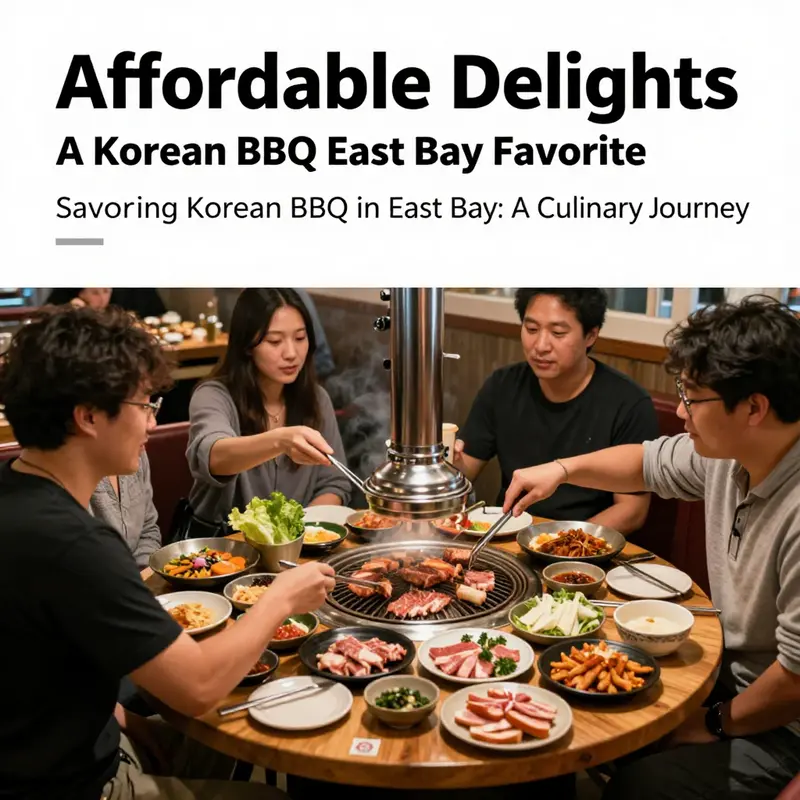
In the East Bay’s crowded field of Korean BBQ, Jong Ga House in Oakland stands out not by flash but by a steady rhythm of flavor and the way a table-top grill turns a simple meal into a communal event. The all-you-can-eat format here has shaped countless weeknight dinners and casual reunions, offering a reliable stage on which to compare cuts, textures, and sauces without worrying about the bill climbing higher than the flame. What makes the place feel different is not just the price tag but a quiet, deliberate approach to grilling that invites conversation as soon as the table fills with sizzling meat. The grill is the centerpiece, and the minutes that follow become a shared performance where careful timing, flame, and the pace of meat meeting the grate guide the experience. Staff often pace service to keep the heat manageable, letting guests focus on choosing cuts, sampling different flavors, and enjoying the unhurried flow of conversation that accompanies good food. In this East Bay setting, value does not equate to blandness; it signals a place where you can order more and discover more without feeling stretched thin by the price.
Quality arrives with every slice. The pork belly arrives with a sheen of marbling that promises a crisp edge when seared, while beef options showcase a balance between fat and lean that make each bite juicy and fragrant. The all-you-can-eat format invites diners to compare notes across bites, to notice how salt, pepper, and sesame oil interact with the meat’s natural sweetness. The best moments arrive when a thin slice crisps at the edge, a strip of fat melts into a glossy glaze, and a bite of kimchi offers refreshing acidity to cut through richness. The banchan—an evolving rotation of pickled vegetables, seasoned greens, and small savory dishes—provides a steady counterpoint to heavier morsels, echoing the meal’s rhythm rather than interrupting it. Even the soup, often included in this format, brings warmth and helps bind the table’s flavors as steam rises from shared bowls and the room fills with the aroma of garlic, sesame, and green onion. The overall effect is a sequence of bites and textures rather than a single high point, encouraging a relaxed pace that suits groups of friends, families, or colleagues gathering after a long day.
Beyond the food, the environment matters, and Jong Ga House tends to capture cleanliness, comfort, and a no-nonsense vibe that suits its reputation for reliability. Reviews consistently note a dining room that feels clean and easy to navigate, with surfaces that are tidy and well maintained. Customers also praise an air quality that keeps smoke in check, a crucial factor in a barbecue restaurant where the grill can create a surprisingly smoky atmosphere if left unchecked. The practical layout supports a smooth flow, preventing bottlenecks during peak hours and allowing conversations to happen without shouting across the table. For many travelers, the location near Oakland International Airport is a practical perk alongside generous free parking and, at times, complimentary Wi‑Fi for those who want to catch up between rounds. The convenience factor matters just as much as the food itself, especially when a meal doubles as a brief respite before or after travel. Jong Ga House embodies a straightforward proposition: high-quality meat, generous portions, friendly service, and a pace that suits a broad spectrum of diners. In this light, the restaurant becomes less a single meal and more a dependable ritual—a dependable anchor in a busy city where many options vie for attention.
Choosing a budget-friendly option in a region celebrated for culinary ambition can feel like a balancing act, yet Jong Ga House crystallizes a model that resonates with many East Bay diners: depth of flavor without unnecessary extravagance. The all-you-can-eat approach is not a gimmick but a carefully curated framework that invites repeat visits as palates evolve and preferences change. This equilibrium—value, flavor, and a welcoming atmosphere—helps explain why the restaurant remains a steady staple for locals and a reliable stop for visitors who want a satisfying, social meal before a flight or after a day of sightseeing. For readers exploring the broader landscape of East Bay Korean BBQ, this place serves as a reliable baseline: meat that remains flavorful across multiple visits, ample portions to share, and a room that fosters conversation rather than spectacle. The experience encourages a patient, exploratory approach to tasting; you can begin with lighter cuts, sample crisp skins, move to marbled ribeye, and keep the grill hot as you compare sauces, all while chatting about the day’s plans or memories. If you want to dive deeper into the all-you-can-eat options in Oakland, there is a dedicated resource that outlines similar experiences and prices: all-you-can-eat-korean-bbq-oakland. For a broader snapshot of customer impressions and the restaurant’s appeal, Yelp’s coverage provides a high-fidelity look at the quality and atmosphere that diners consistently highlight: https://www.yelp.com/biz/jong-ga-house-oakland.
Final thoughts
East Bay’s Korean BBQ scene presents unique culinary adventures, with Ohgane offering an elevated dining experience and Jong Ga House providing delicious food at accessible prices. Both restaurants exemplify the rich flavors and cultural significance of Korean cuisine, making them essential stops for food lovers. By providing high-quality food and memorable experiences, they not only serve meals but create vibrant spaces for community and connection through food.