
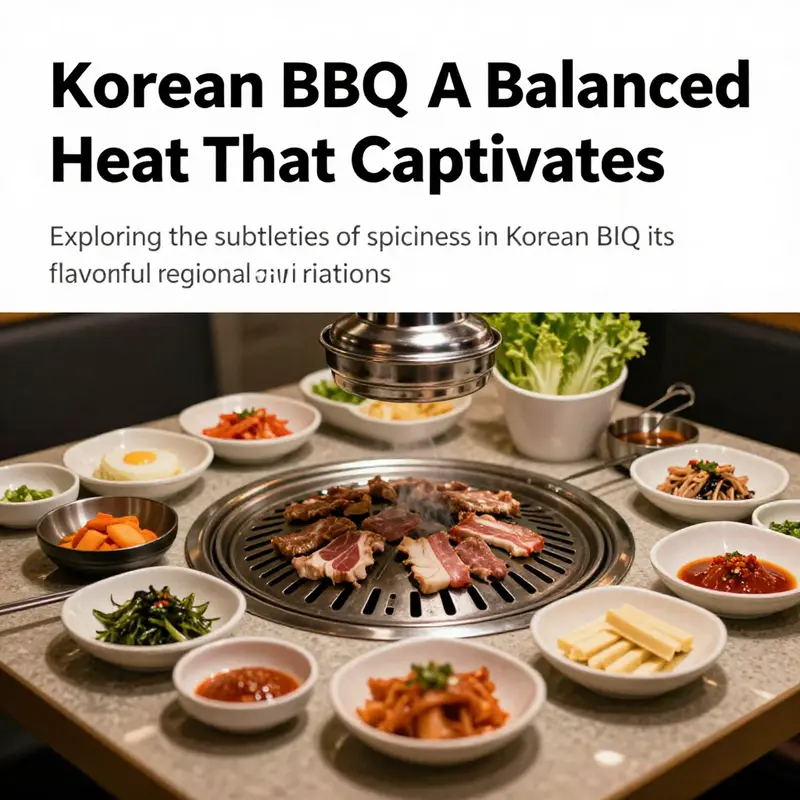
Understanding the spiciness of Korean BBQ is crucial for business owners in the food industry, especially those considering Korean cuisine for their offerings. While some may perceive Korean BBQ as exceptionally spicy, the reality is a nuanced blend of flavors that balance sweetness, saltiness, and umami with a gentle, lingering heat. This article will delve into the characteristics of Korean BBQ sauces and explore how these vary regionally across Korea, informing decisions on menu offerings and customer expectations.
The Gentle Fire of Korean BBQ: Navigating Spiciness as Flavor Harmony
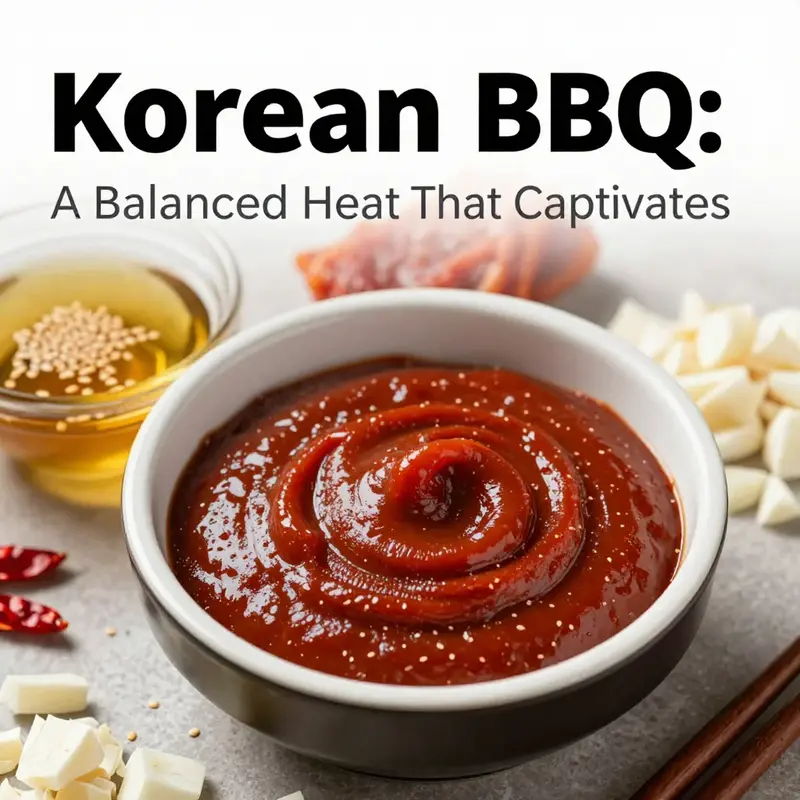
Is Korean BBQ spicy? That question often arrives at the table with the aroma of sesame and garlic still in the air. The quick answer is nuanced: Korean BBQ sauces are usually gentle to moderate in heat, not a constant blaze. In practical terms, many commercial sauces sit in a mild to moderate range, roughly 500 to 2,500 Scoville units. That range is enough to wake the palate, yet it rarely overwhelms the meat or the other flavor components. What makes Korean BBQ distinctive is not a single degree of heat but a careful balance. Sweetness from fruit purées or rice syrup, saltiness from soy or fermented pastes, and a pronounced umami backbone all work with the heat to create a multi-layered profile. The heat tends to arrive with an aromatic lift and finish with a warmth that lingers, inviting another bite rather than prompting immediate relief from the throat. This is a core characteristic that helps distinguish Korean BBQ sauces from hotter, faster-spiking condiments elsewhere.
Central to this profile is the iconic gochujang, a seasoned red chili paste that has shaped Korean cuisine for centuries. Gochujang provides more than heat; it introduces complexity, depth, and a gentle sweetness that keeps the palate engaged. The heat from this paste is often described as warm and rounded, with fermentation giving it a slight tang that echoes through the sauce as it caramelizes on the grill. Yet not every recipe leans on gochujang. Some smoother, milder preparations rely on reduced chili paste or even omit chili altogether, letting garlic, sesame, and savory notes do the heavy lifting. A dash of kochukaru, the Korean chili flakes, may color the sauce and contribute a subtle bite without redefining the dish’s balance. This flexibility is not accident; it reflects a culinary philosophy that treats heat as an ingredient to be managed rather than a weapon to be wielded.
Regional and local influences matter, too. Coastal cities, with their briny approaches, can introduce fish sauce or kochukaru to create a different pungent lift. In Busan and its surroundings, for instance, the heat can take on a sharper edge, backed by the sea’s own character. Home cooks and restaurants alike tailor sauces to their audiences. Some households prefer a bold, fiery finish, while others strive for a smoother, more nuanced warmth that lets the meat’s own flavors shine. In marinades, where the meat absorbs the sauce for hours, cooks may opt for milder bases to avoid overpowering the beef’s natural sweetness. Finishing glazes, conversely, often carry more heat to give a final spark as meat meets the grill’s flames. This spectrum—from soft and savory to bright and toasty—illustrates why the label spicy can be so variable in Korean BBQ: heat is a character actor, not the sole protagonist.
The way spiciness is felt is also shaped by application. Marinades designed to permeate the meat tend to be restrained, preserving the meat’s texture and allowing fat to render without competing with a loud pepper note. When sauces are brushed on during grilling or served as a finishing glaze at the table, the heat can intensify, delivering a moment of excitement that punctuates each slice of meat. The resulting dish tends to savor more than it scorches, with sweetness offsetting salt and sourness sharpening the palate. This balancing act—sweet, salty, sour, bitter, and umami—remains at the heart of Korean cooking and helps explain why a spicy label can coexist with restraint.
Even within the same kitchen, heat can shift. A chef might describe a sauce as spicy at one moment and call it warm or savory at another, depending on how long it’s cooked, what meat it accompanies, and how much sugar or soy is present. Garlic and fresh chilies often provide the initial flash of aroma, while the body of the sauce leans into a savory heat that remains on the tongue after the bite. Meat acts as a canvas; the glaze or marinade enhances the meat’s fat and texture without masking the crust that grilling creates. A marinade intended for bulgogi may stay milder to preserve the meat’s delicate sweetness, while the same base, when used as a finishing glaze, can take on a noticeably bolder edge. This dynamic is not an oversight but a deliberate strategy, a way to maintain harmony while still offering a spectrum of heat that diners can read as spicy, warm, or boldly savory depending on their experience and preference.
For those who crave more intensity, the pantry does offer gochujang-forward or chili-forward variations designed to amplify heat. Even these more assertive versions are usually crafted to complement meat and smoke rather than drown it. The true skill lies in the balance of heat with the other dimensions: a whisper of sweetness to cushion the bite, a salinity that defines the glaze’s edge, and an umami depth that long after the meal lingers on the palate. Fermentation notes, smoky char from the grill, and the interplay of sesame and garlic all contribute to the perception of heat without allowing it to dominate a dish. In other words, spiciness in Korean BBQ is not a blunt instrument but a seasoning that participates in an orchestral flavor experience.
This philosophy of balance has cultural resonance beyond the grill. Traditional Korean dining emphasizes harmony among the five tastes as a guiding principle for sauce construction and meal structure. The heat serves to illuminate rather than overpower; it should lift sweetness and saltiness, brighten sour notes, temper bitterness, and deepen the sense of umami. When heat becomes the lead, the dish risks losing the very balance that defines the cuisine. When it stays in the chorus, it can elevate the meat’s texture and the dining moment—still present, but never out of place. It is a delicate art, and one that explains why many diners perceive Korean BBQ as spicy without experiencing it as reckless. In practice, the heat has a purpose: it prizes complexity and relationship among flavors as much as it does impact on the tongue.
As readers consider their own experiences, a crucial takeaway emerges: the term spicy here describes a flavor profile that is flexible and situational, not a fixed heat threshold. A robust sauce can feel spicy because of its aroma and peppery bite, or because warmth compounds with sugar and salt to create a long-lasting finish. The same sauce might register as mild to someone who loves a strong sweetness, or as moderate to another who seeks a snappier bite. This variability isn’t inconsistency; it is a feature of a cuisine that treats heat as a seasoning that travels with the meat and the grill’s sear. For a broader reference that maps how heat levels vary across authentic recipes, see an established culinary resource that surveys Korean BBQ sauces and their heat profiles.
In the wider world of Korean BBQ, regional interpretation matters as a matter of taste and technique. Some menus demonstrate how heat can be tuned to local palates while preserving the cuisine’s core philosophy. The experience of heat is shaped by the crowd, the grill method, and the cut used. For example, in places where boldness is prized, finishing glazes may lean toward higher heat to create a brighter kick that still feels integrated with the meat’s fat. In settings that favor subtlety, chefs might emphasize umami and sweetness in a way that makes the spice feel almost invisible at first bite, only to reveal itself in a warm echo that follows the swallow. The aim is consistent: a dish that feels cohesive, where the heat enhances rather than dominates. See korean-bbq-las-vegas-chinatown to glimpse how heat tuning can occur in a modern, multi-ethnic setting while honoring the cuisine’s core commitments.
The practical upshot for cooks and diners alike is simple: expect a spectrum, not a verdict. When you encounter a sauce labeled as Korean, anticipate a profile that blends warmth with sweetness and savoriness, designed to lift the meat rather than overpower it. If heat is your preference, seek out variants that emphasize gochujang or chili paste, but prepare for a finish that remains balanced and inviting. If you favor milder flavors, start with bases that lean on soy, sesame, and fruit sweetness, then introduce heat gradually through a glaze or at the table. The point is to enjoy the ride—the meat, the smoke, and the sauce all cooperating to deliver a meal that feels whole. In this light, Korean BBQ is less about a single number on the palate and more about an ongoing conversation between temperature, texture, and taste, a conversation that rewards attention to balance more than a quest for shock.
External reference: https://www.seriouseats.com/korean-bbq-sauce
Sweet Heat and Coastal Fire: How Korean BBQ Spiciness Varies Across Regions
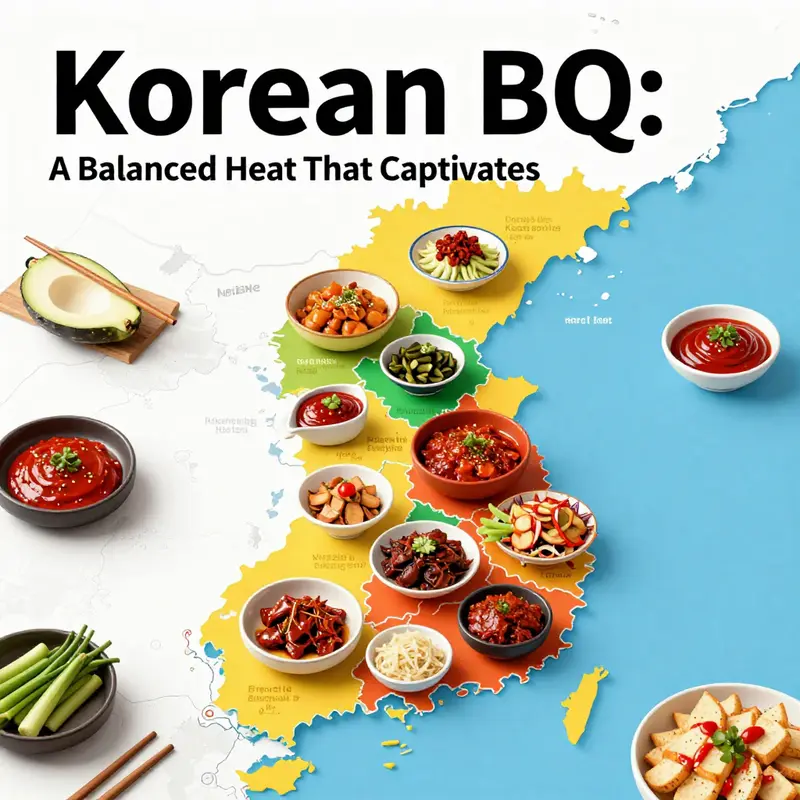
The question of whether Korean BBQ is spicy invites more nuance than a simple yes or no. The heat found in a plate of bulgogi or galbi tends to ride a wave rather than crash over the senses. In practice, Korean BBQ sauces blend heat with sweetness, salt, sour notes, and deep umami to create a multi-layered experience. The heat often arrives as a bright, aromatic spark and settles into a warm, lingering glow that punctuates the texture of the meat rather than scorching the palate. This balance is not an accident. It reflects a culinary philosophy that honors harmony among the five tastes and aims to enhance the meat’s natural savor rather than overpower it. Consequently, while Korean BBQ can carry a noticeable kick, it rarely registers as aggressively hot in the way some other cuisines push heat to the foreground. The range of spiciness is wide, and the regional interpretation of heat helps explain why a single sauce can taste both familiar and surprising depending on where it’s produced or enjoyed.
The most telling differences appear when we compare the Seoul-style approach with the Busan-style approach. Seoul-style sauces tend to lean into sweetness as a dominant note. Think of a glossy glaze that coats bulgogi or galbi with a caramel-like sheen achieved through a higher proportion of sugar, honey, or rice syrup. The chili paste, usually gochujang, remains the backbone of the flavor, but the heat is often tempered by the sweetness that characterizes the city’s sensibility. The result is a deeply savory, almost fruit-forward profile where the spiciness takes a back seat to balance and depth. The glaze clings to the meat, creating a glossy finish that invites a second bite and a longer savoring of the sauce’s complexity. Even as the heat lingers, it is not the crowd-pleasing star—it’s the conductor that pulls the flavors together, guiding the palate toward a richer, more restrained burn that complements rather than conquers.
Busan-style, by contrast, is renowned for its bold, robust character. The southern port city favors a more assertive heat, built on a greater quantity of gochujang and an expressive use of fresh chilies. Garlic often plays a starring role here, contributing a pungent, aromatic backbone that amplifies the spice. The result is a hotter, more explosive profile with a lingering warmth that can satisfy those who crave a stronger kick. The spiciness in Busan-inspired sauces tends to reveal itself in stages: first a bright aroma with garlic and chili notes, then a spicy depth that remains after the initial sweetness has faded. This approach mirrors coastal culinary priorities—vivid, direct flavors that cut through smoke and fat, leaving an unmistakable impression of heat that stays with you after the bite.
This contrast is not merely a matter of taste buds; it is a reflection of regional palates and culinary history. Seoul’s preference for a balanced, sweeter glaze aligns with a tradition of sophisticated, layered sauces designed to harmonize sweetness, saltiness, sourness, bitterness, and umami. Busan’s fiercer, more garlic-forward heat echoes a maritime culture that values intensity and clarity, where the chili-driven punch can stand up to the smoky richness of grilled meat. The common thread across both styles remains the same foundation: fermented soy products, bright aromatics, and a deliberate emphasis on the meat’s texture and umami backbone. The goal is not to overwhelm but to elevate, to coax the meat’s natural flavors into higher relief while offering a spicy chorus that is accessible rather than overwhelming.
For those who seek even more intensity, regional and home-made variations can push heat higher still. These versions tend to increase the proportion of gochujang and incorporate fresh chilies or pepper pastes, sometimes at the expense of sweetness. Yet even in their most aggressive incarnations, the spiciness is designed to complement the meat’s richness rather than annihilate it. The heat serves as a counterpoint to the meat’s umami, creating a dynamic where sweetness, salt, and sourness continue to play essential supporting roles. In other words, spiciness in Korean BBQ is a chorus, not a solo. It adds energy to the grill’s sizzle and makes each bite a negotiation among flavors that rewards patience and balance.
Reader experiences of spiciness can also be shaped by where and how the sauce is applied. A quick brush of spicy glaze can give a meat’s surface a tantalizing kiss of heat, while a longer marination can permeate the fibers, delivering a steadier, deeper warmth. The grilling method itself matters as well. A hot, quick sear tends to seal in moisture and concentrate sweetness and garlic aromatics, creating a tempering effect that makes the heat seem more approachable. A slower, steady flame can allow the chilies’ bite to intensify and linger, especially when garlic and gochujang have had more time to bloom with the meat’s fats. In both cases, the result remains a test of balance: heat that caresses and clarifies, rather than heat that shouts and overpowers.
As you navigate these regional profiles, the best guidance is to listen to your own palate and to the dish’s intent. Seoul-inspired sauces work beautifully when you want a glossy, multi-layered experience that finishes with warm sweetness and a subtle, comforting heat. Busan-inspired sauces shine when the craving is for a bold, bright kick that holds its ground through multiple bites and a lingering afterglow. If you’re curious to explore a city-specific approach within a broader conversation about Korean BBQ, you can look to regional expressions such as Korean-bbq-chambersburg, which captures how a local kitchen can interpret the same core ingredients through its own heat lens. This is a reminder that regional variation is not about right or wrong; it is about texture, timing, and the way a sauce interacts with meat and smoke.
Another practical dimension is how the palate perceives heat in the context of accompanying sides. Traditional accompaniments—kimchi, pickled vegetables, sesame seeds, and simple rice—offer acidity, crunch, and starch that can modulate spiciness on the plate. The acidity in kimchi can sharpen the brightness of the heat, while the rice or banchan provide a cushion that makes even a Busan-level flame feel approachable. The overall composition—glaze, meat, and sides—creates a conversation that changes with every bite. The sauce on the beef’s surface may be the star in one mouthful, while the textures of the sides become the true heat dampeners in the next. This dynamic is part of the charm of Korean BBQ: it invites you to pace yourself, to savor the evolving balance, and to discover how sweetness, salt, sour, bitter, and umami work in concert with heat.
For cooks aiming to reproduce or adapt these regional identities at home, the principle is known and simple: adjust the proportions. If you crave Seoul’s sweeter, more caramelized finish, increase the sugar or honey and allow the glaze to reduce to a lacquered gloss. If you want Busan’s fiery edge, elevate the chili paste and add more fresh chilies or garlic for that blunt, aromatic punch. Reduce sweetness if necessary to highlight the chili’s raw heat, and always consider how long the meat marinates or rests before grilling to let the flavors meld with the fat. The skill lies not in chasing heat but in balancing it so the meat’s own character remains the core, with heat acting as a persuasive accompaniment rather than a confrontational force.
In the end, the question is less about a universal measure of spiciness and more about regional storytelling through flavor. Seoul and Busan provide two dynamic stories of how a shared culinary foundation—fermented soy, heat, sweetness, and umami—can be tuned to different sensibilities. The fact that these distinctions exist speaks to Korean cuisine’s confidence in its own complexity. It invites cooks and diners to explore, to compare, and to savor how regional preferences shape a dish that is at once familiar and surprising. The next step is to taste with intention: to notice when heat conceives harmony and when it asserts itself too aggressively, and to adjust with sauce, sugar, garlic, or chili so that the bite feels precisely as the moment calls for. The journey through spiciness is, after all, a journey through balance, and Korean BBQ offers a memorable map of how heat travels from sweet, to bold, to lingering across tables and flavor memories.
External reference for further reading on regional sauce variations and authentic approaches can be found at The Spruce Eats, which provides a detailed exploration of Korean BBQ sauce variations and their guiding principles: https://www.thespruceeats.com/korean-bbq-sauce-variations-4129837
Final thoughts
The perception of spiciness in Korean BBQ is largely influenced by the harmonious balance of flavors rather than sheer heat. As business owners, understanding this complexity can significantly enhance menu design and customer engagement. By acknowledging the regional nuances and the general characteristics of Korean BBQ sauces, you can cater to a diverse clientele, ensuring that your offerings are both authentic and appealing. Embrace the complexity and balance that Korean BBQ brings to the culinary landscape.