
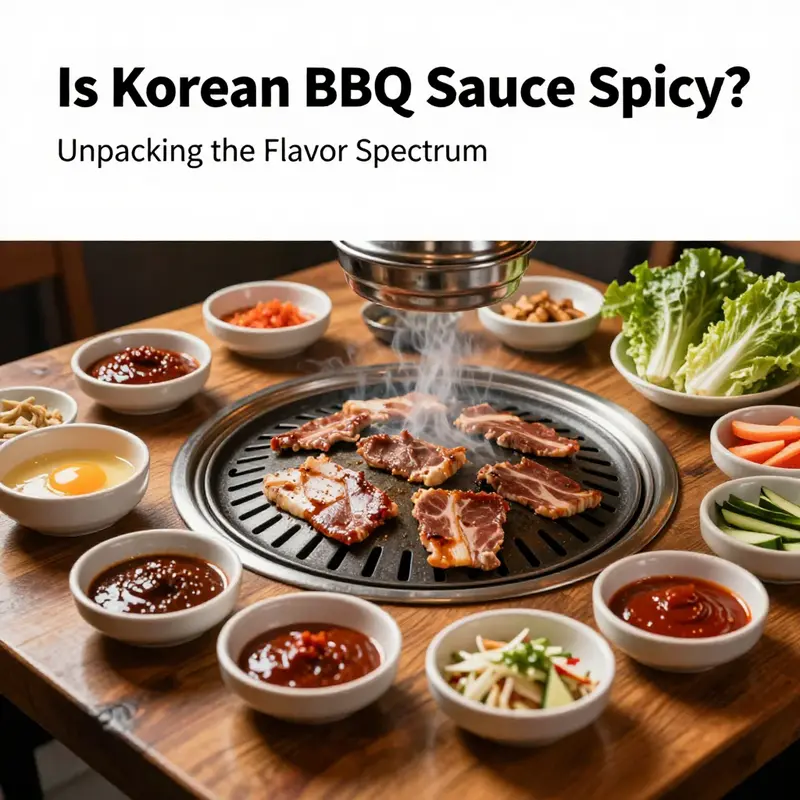
Korean BBQ sauce is a flavor sensation that has captivated palates around the world, enticing patrons with its unique balance of spicy and sweet elements. For business owners in the culinary industry, understanding the complexities of this sauce can facilitate better menu decisions and culinary offerings. This article delves into the spicy ingredients and variations of Korean BBQ sauce to provide insights that can help businesses cater to diverse consumer preferences. By exploring both the spiciness intrinsic to certain sauces and the sweeter alternatives available, we aim to equip you with the knowledge required to enhance your culinary experiences.
Heat Unfolded: The Spicy Signature of Korean BBQ Sauce
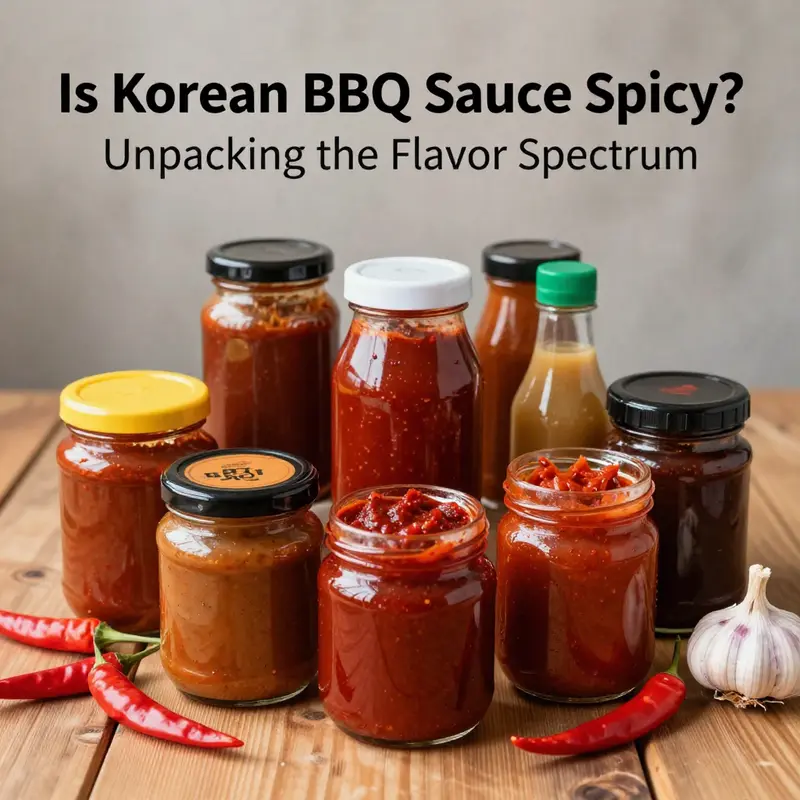
Spicy elements in Korean BBQ sauce are often thought of as a defining trait, yet the truth is more nuanced than a single fiery label. In many kitchens, heat is a carefully tuned ingredient, a culinary thread that can be bright and brisk or slow to warm the palate into a lingering glow. The overall question—whether Korean BBQ sauce is spicy—emerges not from a universal rule but from a spectrum shaped by tradition, preference, and the ingredients that give Korean sauces their distinctive character. Across regions and generations, cooks have learned to wield heat with intention, balancing it against sweetness, depth, and the sly, savory umami that anchors every marinade and glaze. When we listen closely to how a sauce evolves in a simmer, on a rack of grill, or under the gloss of a finished glaze, the heat emerges as a signature trait rather than a mere sensory headline.
At the heart of this heat are two fermented pillars that most of us encounter in Korean BBQ recipes: gochujang and gochugaru. Gochujang, the fermented red chili paste made from chili peppers, soybeans, and rice, is more than a heat source. It is a living, breathing ingredient that carries a layered warmth. It starts with brightness and fruitiness, then rides a gentle, almost honeyed warmth that lingers long after the plate has been cleared. The warmth it provides is not an aggressive punch but a rounding arc that broadens the sauce’s profile, inviting other flavors to join in rather than overpowering them. This is why gochujang is often the backbone of many spicy sauces rather than a mere hot note. It has depth, it has complexity, and it has a time-release quality that makes the heat feel integrated rather than imposed.
Gochugaru, the bright red pepper flakes, contributes a different, more direct facet of heat. It brings a sharper, cleaner bite—an immediate spark that announces the presence of spice without waiting for fermentation to reveal itself. The flakes also contribute a vivid visual cue, a crimson hue that signals heat while promising a crisp, almost bite-sized intensity. When gochugaru is blended into a sauce, it delivers bursts of peppery brightness at various moments, giving the palate a hint of sunlight before the gochujang-based warmth settles in. The combination of gochujang’s layered warmth and gochugaru’s direct brightness is the hallmark of many iconic spicy profiles in Korean BBQ sauces.
Yet authentic spiciness does not rely solely on these two ingredients. Some cooks introduce fresh chilies for a fast, sharp kick, tasting the immediate bite that fresh peppers offer. Others experiment with modern or fusion elements—chipotle to add smokiness, yuzu kosho for citrusy brightness and a peppery finish—that stretch the heat into new dimensions while still rooted in traditional Korean technique. These additions can be adventurous, but they remain optional. The most enduring spicy foundation remains gochujang and gochugaru, the two ingredients that give Korean BBQ its distinctive heat rhythm: heat that announces itself, heat that warms gradually, and heat that lingers with a savory memory.
An essential part of understanding heat in Korean BBQ sauce is recognizing how spiciness interacts with sweetness. The sweetness in many sauces—often drawn from fruit purées such as pear, kiwi, or even a touch of honey—acts as a counterweight to heat. It softens the bite and creates a balance that keeps the sauce from becoming a one-note scream of spice. That balance matters because the heat, when perfectly tempered, invites other flavors to the stage rather than competing with them. The natural sugars in fruit not only provide sweetness but also contribute a subtle acidity that brightens the palate just when the spice would otherwise accumulate. In a well-balanced sauce, the sweetness does not mask heat but cushions it, prolonging the pleasure of each bite as the glaze caramelizes on the surface of meat over the grill.
Umami, too, plays a starring role in how spiciness lands on the tongue. Soy sauce and other fermented pastes lend depth and a savory foundation that makes heat feel grounded rather than aggressive. Umami acts like a seasoning network that helps the heat travel through the sauce, weaving with the soy’s saltiness, the fish sauce’s marine depth, or miso’s gentle earthiness to create a multi-dimensional experience. This is why even high-heat sauces can feel comforting and balanced; the umami gives the palate something substantial to anchor to when the spice flares. A touch of sesame oil adds a final layer of richness, a fatty counterpoint that rounds out the heat by introducing a silken gloss that helps the sauce cling to meat and rice alike. The resulting profile is not simply hot sauce poured over meat; it is a carefully orchestrated composition where heat, sweetness, and umami meet in a way that feels inevitable and satisfying.
Regional preferences and personal tastes further shape the heat profile. In some parts of the Korean culinary world, spicy versions of barbecue sauces are iconic. They shine through in dishes that celebrate a bold, pepper-forward heat, often featuring dak-galbi or heavily gochujang-based marinades that deliver a bright flash of spice followed by a slow, warming finish. In other corners, the emphasis shifts toward sweeter, more savory profiles—where marinating beef for longer, or using a lighter glaze, can yield a sauce with less perceived heat but plenty of savory depth. This variability is not a flaw; it is a feature that allows cooks to tailor a sauce to the meat, the grill temperature, and the dining context. A thinner glaze can carry a sharper, quicker heat when brushed on during the last minutes of cooking, while a thicker, caramelized coating can mellow the burn as it forms a glossy, flavorful crust.
The canvas of heat is further broadened by the technique of preparation. A sauce built for marination often benefits from time. The alcohol and sugars in the mix begin to break down proteins in the meat, inviting more interaction between the surface and the sauce’s heat. An extended soak can make the palate sense a concentrated spiciness that arrives as a slow, steady warmth rather than a sudden burn. In contrast, a glaze applied toward the end of cooking acts like a heat flag, signaling spice in a moment of caramelized crunch. The glaze’s sugars melt and the gochujang’s fermented complexity softens around the edges as the meat finishes. This contrast between marinade heat and glaze heat contributes to the dynamic of Korean BBQ sauces, reinforcing the principle that spiciness is a living element rather than a fixed measurement.
Of course, not every sauce is meant to be fiery. Some recipes focus on milder warmth or even a sweet-forward profile where heat sits behind other flavors. For listeners who prefer a gentle kiss of spice, cooks can moderate spiciness by dialing back gochujang, reducing gochugaru intensity, or substituting a portion of the chili element with a fruit-forward glaze that still carries warmth without a sharp bite. The important point for home cooks and professional chefs alike is the same: heat in Korean BBQ sauce is adjustable, and the best versions invite you to taste, adjust, and re-balance. This adaptability is what makes the spicy language of these sauces so expressive.
In the broader ecosystem of Korean barbecue, the spicy core acts as a unifying thread across a spectrum of dishes and techniques. The sauce is not a standalone fire; it is a living partner to the meat, sesame, and rice that define the meal. The heat has the power to brighten and sharpen, to mellow and embrace, and to carry a trace of smoke or citrus depending on how it’s built. It is this versatility that has helped spicy Korean sauces travel beyond a single cuisine and into many culinary conversations around the world. In practice, a cook who understands the heat’s nature can choose to emphasize brightness with more gochugaru, lean into the fermentation warmth with extra gochujang, or weave in aromatic notes with a splash of sesame oil and a note of fruit sweetness. The result is a sauce that can be as bold or as subtle as the moment requires.
For readers who want to explore a practical example within the broader philosophy described here, bulgogi marinades offer a useful touchstone. The marinating approach often favors a balance that leans toward savory depth and tenderness, with spiciness playing a supporting but crucial role. In many bulgogi recipes, the heat is present but not overpowering, allowing the natural beefiness to remain front and center while the sauce contributes a subtle warmth and a kiss of chili brightness. This is a reminder that spicy Korean BBQ sauce is not a one-size-fits-all solution. It is a toolkit, a way of thinking about how heat interacts with meat, sugar, salt, and the slow-time chemistry that happens as ingredients mingle and rest. When you consider that idea, the value of a thoughtfully designed sauce becomes obvious: it is a bridge between the farm-fresh meat and the smoky grill, a mediator that helps every bite reveal layers of flavor rather than a single sensation of heat. If you want to glimpse this dynamic in a concrete, culinary context, you can explore related ideas about marinating approaches in bulgogi-focused discussions. bulgogi marinades and flavors
As guidance for home cooks shaping their own versions, a few practical takeaways can help translate theory into practice. First, start with a baseline that emphasizes gochujang as the anchor and gochugaru as the brightness. Keep the paste’s fermentation depth as the spine, because that depth is what makes the heat feel integrated rather than merely aggressive. Second, consider the fruit’s role in tempering heat. A pear puree or a splash of kiwi can soften the bite without eliminating heat’s presence. Third, think about the umami foundation early. A small amount of soy sauce or a touch of fish sauce can deepen the sauce and help heat spread more evenly across the palate. Fourth, let the sesame oil be the finish line of richness. A little oil at the end preserves the glaze’s gloss and coats the meat with a velvet warmth that lingers pleasantly. Finally, remember that timing matters. If you want a quick, bright heat, brush on near the end of cooking; for a more integrated warmth, let a marinade sit and mingle with the meat longer. Each decision pivots the spiciness toward a slightly different emotional nuance, but all remain rooted in the same essential ingredients and their relationships.
To return to the heart of the question—whether Korean BBQ sauce is spicy—the answer is that it can be, and it often is, but it is not inherently always so. The heat is a design choice, a dial that cooks tune according to tradition, the dish at hand, and the guests at the table. The gochujang-driven core provides a safety net of complexity, the gochugaru supplies a bright punch, and the others ingredients are the choreographers who ensure the heat never hogs the stage. This is why experienced cooks can create sauces that sing with spice for dak-galbi or glide toward a more subdued sweetness when matching with certain cuts of beef. It is not merely about adding chili; it is about sculpting a heat profile that respects the meat, the grill, and the moment.
In this sense, the heat of Korean BBQ sauce is less about a fixed number on a heat scale and more about a relationship—between chili, sweetness, umami, and fat—that feels cohesive and alive. When you taste a well-balanced sauce, you should sense a journey: the initial spark, the mid-palate warmth, and a lasting finish that invites another bite. The best spicy sauces manage to stay hospitable even as they offer a spirited kick. They respect sweetness and umami enough to keep the heat from shouting and allow the meat’s character to participate in the conversation. They invite subtlety and boldness to coexist, which is perhaps the truest measure of a spicy Korean BBQ sauce’s sophistication.
In closing, spicy elements are not a monolith but a culinary vocabulary. The core message remains: spiciness is widely embraced in Korean BBQ sauces, especially where gochujang and gochugaru play lead roles, yet the heat is eminently adjustable. A sauce can be bright and pepper-forward or slow and mellow, all while retaining a shared backbone rooted in fermentation, sweetness, and umami. As cooks continue to experiment—whether by revisiting traditional formulations or by borrowing techniques from other cuisines—the spicy language of Korean BBQ will continue to evolve. The result is a family of sauces that can heat a grill, comfort a table, and tell a story of balance and craft with every bite.
External resource for further reading on spicy Korean BBQ sauces: https://www.seriouseats.com/spicy-korean-bbq-sauces-2026
When Heat Meets Sweet: How Korean BBQ Sauce Balances Spice and Sugar
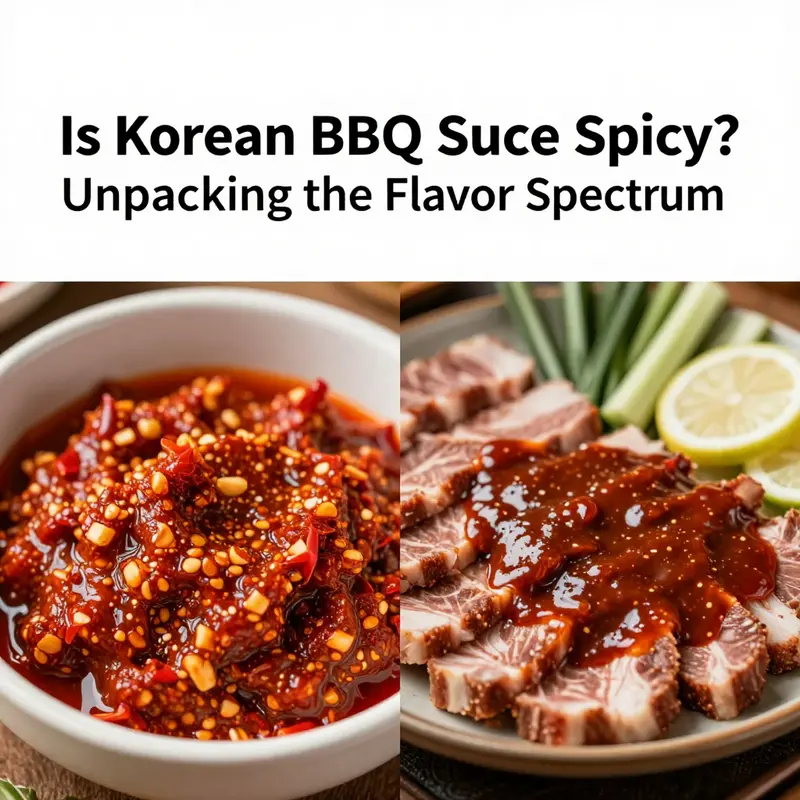
Korean BBQ sauce is a study in contrasts. It can sing with a gentle heat, or it can glide across the tongue like a sweet glaze. What makes that possible is not one ingredient, but a deliberately balanced mix of fermentation, sweeteners, and savory components that respond differently depending on use. Understanding why some versions are spicy while others are sweet requires looking past labels and into purpose, regional habits, and ingredient chemistry.
At the foundation sits fermentation. Fermented pastes—most notably gochujang, soy-based ganjang, and sometimes doenjang—bring deep umami and a rounded intensity that amplifies both spicy and sweet elements. Gochujang is the most obvious agent of heat, but its heat is rarely raw. It carries a fermented complexity that makes the spice feel layered: an initial brightness, a developing warmth, then a lingering roundness. That is why sauces built around gochujang often feel spicy without being sharp. The same fermentation also boosts perceived sweetness, which helps explain how heat and sugar coexist so naturally in Korean BBQ sauces.
Sweetness is not decorative. It browns and caramelizes on hot grills. It softens fibers when used in marinades. It tempers the salt of soy and the tang of fermented ingredients. Typical sweeteners range from plain sugar to honey, rice syrup, or fruit purees. Pear and apple juices are traditional choices when marinating beef, because their natural enzymes begin to tenderize meat while adding gentle sweetness. A bulgogi-style sauce, for instance, leans toward a higher fruit or sugar ratio so the thinly sliced beef caramelizes quickly and develops edges that are both glossy and tender. For reading about classic bulgogi marinades and their sweet emphasis, see bul-gogi Korean BBQ.
How spicy a sauce becomes depends on several controllable variables. First is the type and quantity of chili used. Gochugaru, Korean chili flakes, provide color and a broad, mild heat. Gochujang combines heat with fermented depth. Fresh chiles introduce sharper, immediate heat. Most commercial or home-style sauces fall somewhere between 500 and 2,500 Scoville units, which places them in a gently spicy category rather than anything explosive. But perceived heat varies with sugar and fat. A sauce with more sugar or oil will feel milder because sugar blunts the burn and fat carries flavor without intensifying heat.
Second is the ratio of savory to sweet. A practical rule of thumb used by many cooks is to aim for a balance where no single element overpowers the others. In many classic recipes that balance translates to roughly 30% savory components, 20% sweetness, and the remainder shared among umami, acid, and aromatics like garlic and ginger. That formula keeps spiciness from dominating and yields a harmonious mouthfeel suitable for both quick grills and long marinades.
Regional tastes nudge those ratios further. Seoul-style sauces frequently favor sweetness and richness. They use fruit puree or rice syrup to create a thick glaze that adheres to meat and becomes lacquered when seared. That sheen is prized for tabletop grilling where appearance matters as much as taste. Coastal regions, influenced by seafood and stronger condiments, often produce spicier, slightly saltier sauces. Fish sauce or fermented seafood may be added for brinier notes, which in turn calls for a touch more sugar to preserve balance. Those regional tendencies explain why two restaurants can both call their sauce “Korean BBQ” yet present quite different heat profiles.
The intended function of the sauce matters too. Marinades differ from finishing glazes. A marinade for thin cuts like bulgogi is often sweeter and includes fruit to tenderize. It is designed to permeate and soften the meat. A finishing glaze applied during grilling, however, often emphasizes balance: enough sweetness to caramelize and build color, enough acid and umami to cut through fat, and a modest heat to enliven the flavor. A dipping sauce served at the table can be brighter and sharper, with vinegar, scallions, and raw chilies highlighting the meat between bites.
Adjusting spiciness while keeping balance is a skill worth learning. To make a sauce milder, reduce gochujang or substitute a lower-heat chili. Increase sweet elements like honey or fruit puree, but do so gradually to avoid cloying sweetness. Acid—rice vinegar or citrus—can lift flavors while distracting from heat, so a small splash may help temper perceived spiciness. If a recipe calls for chili flakes, add them at the end, taste, and adjust. For professionals and home cooks alike, tasting in stages is the safest strategy.
To amplify heat without breaking the sauce, layer chilies rather than relying on a single source. Combine gochujang for depth with a pinch of fresh chili for immediacy. Add gochugaru to increase color and texture without upping the burn too much. Keep the sweet elements steady. The heat will read as more pleasing if the sauce remains balanced and glossy.
Texture also shapes perception. A thick, syrupy glaze will carry flavors differently than a thin, vinous sauce. For short ribs grilled over high heat, a thicker, slightly sweeter glaze helps form a caramelized crust and accentuates savory notes. For pork belly or quick-cooked vegetables, a lighter, vinegar-bright glaze allows the natural fat and texture of the ingredient to shine through without overpowering it.
Pairing matters more than many realize. Korean BBQ is rarely consumed alone; rice, lettuce wraps, and banchan (small side dishes) are essential partners. Plain rice absorbs heat and sugar. Crisp lettuce and perilla leaves provide cooling contrast. Pickled banchan, like kimchi or quick-pickled radish, offer acidic relief that cuts richness and resets the palate. Even a mildly spicy sauce can seem much hotter when eaten with fatty cuts. Conversely, a sweeter version will shine when paired with leaner meats or grilled vegetables.
Household and restaurant preferences vary. Families might reduce chili for children, substituting extra sweetness or umami. Restaurants catering to an international clientele may dial back heat to appeal to broader tastes, offering extra spicy options on request. Street vendors sometimes make sauces intentionally bold to stand out among competing flavors. That variability is part of what makes Korean BBQ sauce adaptable; it can be tuned to match context, audience, and ingredient.
There are practical tips that help preserve balance when you experiment. Start with a baseline: a measured amount of fermented paste, soy sauce, and sweetener. Add aromatics—garlic, scallion, ginger—in small increments. Taste between additions. Remember that cooking concentrates sweeteners, so a sauce that tastes mildly sweet raw may become much sweeter after grilling. Conversely, fermentation gives gochujang depth that emerges more clearly after heat. If you overshoot on spice, add creaminess or sweet acidity. If you overshoot on sweetness, a splash of soy or fermented paste will restore umami and reduce cloyingness.
Perception of heat is also psychological and physiological. Fermented chiles bring compounds that stimulate different receptors than fresh chiles. Sugar can numb heat to a degree. Salt enhances flavor but can make a spicy sauce feel sharper. That’s why two sauces with similar chili content can taste strikingly different. Chefs rely on that interplay to craft a sauce that reads as harmonious rather than simply hot.
For cooks who want to offer both experiences, prepare two complementary sauces. A milder, sweeter marinade can be used for longer marination and for diners who prefer gentle flavors. A second, spicier glaze or dipping sauce can be offered for those seeking heat. Doing so keeps the core identity of Korean BBQ intact: communal, customizable, and balanced.
The final point is adaptability. Whether you favor sweet or spicy, the principles are the same. Build from fermented umami. Add sweetness for browning and tenderness. Layer chilies to control heat. Use acid and aromatics to lift flavors. Taste and adjust. Those techniques preserve the essential character of Korean BBQ sauce: a layered, intentional blend where spice and sugar coexist rather than compete.
For further reading on the role of gochujang in Korean sauces and its fermented character, see the discussion on gochujang here: https://en.wikipedia.org/wiki/Gochujang
Final thoughts
Understanding whether Korean BBQ sauce is spicy or sweet is essential for culinary business owners looking to diversify their offerings. The variability in recipes and preferences allows for a broader selection of sauces that can cater to manifold tastes. Whether enhancing grilled meats with a bold, spicy marinade or opting for a milder, sweet alternative, having this knowledge promotes better menu choices and enriches the dining experience. Embracing the full spectrum of flavors in Korean BBQ sauce can help businesses engage with a wide array of customers while effectively showcasing culinary creativity.