
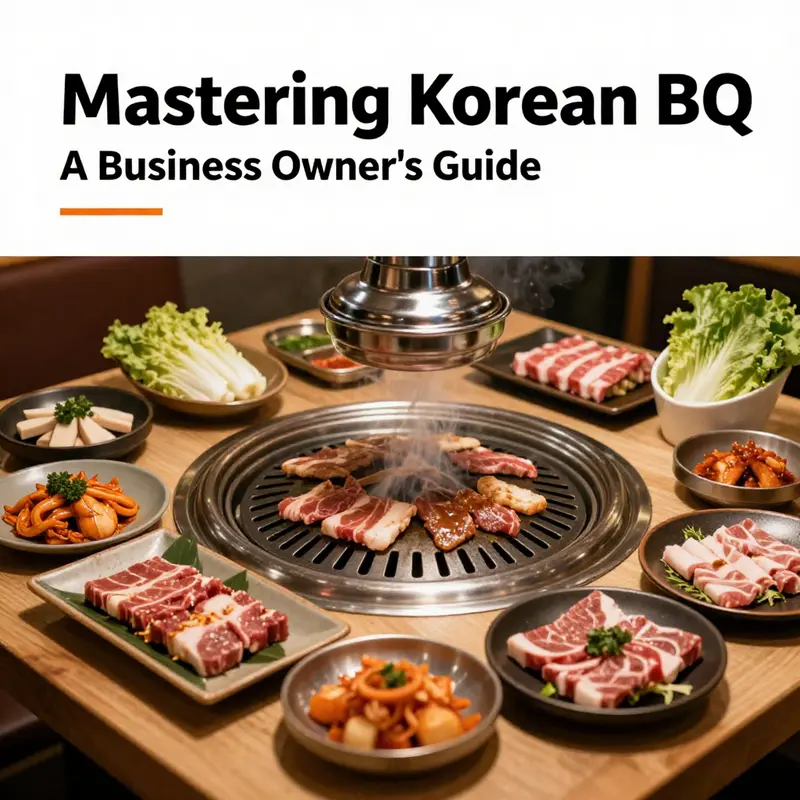
Korean BBQ has surged in popularity, not just for its rich flavors and engaging dining experience but also as a potential revenue stream for business owners in the food industry. Whether you run a restaurant that includes Korean BBQ on the menu or provide catering for events, understanding how to order Korean BBQ effectively is crucial. This guide breaks down the ordering process into two main chapters: first, how to efficiently order from a Korean BBQ restaurant; and second, exploring home options like meal kits and recipes to enhance customer satisfaction and meet growing demand.
Mastering the Grill: How to Order Korean BBQ at a Restaurant Like a Local
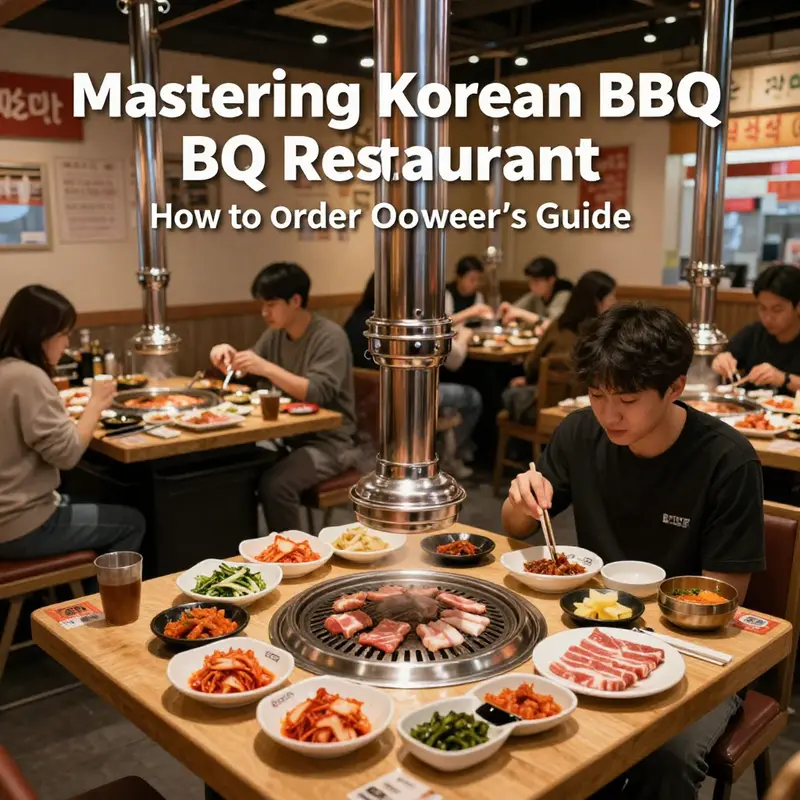
Walking into a Korean BBQ restaurant feels like stepping into a shared ritual. The table is centered on a grill. Plates of crisp lettuce, pungent kimchi, and glossy banchan already appear. Ordering here is part menu choice and part choreography. With a few clear moves you can order efficiently, avoid common mistakes, and shape an enjoyable meal for everyone at the table.
Begin by thinking in portions, not individual pieces. Korean BBQ is usually sold by the person, expressed as inbun (인분). When you tell the server “two portions” you indicate how much meat the kitchen will prepare. This system keeps quantity simple. For conservative appetites, one portion per light eater is fine. For hearty appetites, allow 1.5 to 2 portions per person depending on the mix of meats and sides. If you want variety, order a mixed platter that combines beef, pork, and sometimes chicken. A mixed set reduces decision fatigue and ensures a range of textures and flavors.
Selecting cuts matters more than you might expect. Look for tender cuts like sirloin or ribeye for quick grilling. Request slightly thicker slices—about half a centimeter—so meat stays juicy on the grill. Thinner cuts cook faster but can dry out. Fatty cuts such as pork belly offer rich texture and a satisfying char. Leaner cuts, like certain skirt or flank items, reward shorter cooking times and careful attention. If you are unsure, ask the server for a recommended cut or the house special; staff will often point you to popular or well-prepared choices.
Balance is central to the meal. Korean BBQ is designed to be eaten with fresh greens and many small side dishes called banchan. Always order a generous plate of lettuce and perilla leaves. These create the wraps that bring all elements together. Add mushrooms, sliced onions, and grilled scallions to the grill order. Consider a shared stew, like a tangy kimchi-based soup, to keep the table lively between grilling rounds. Aim for a near one-to-one ratio of meat to vegetables when placing your order. This helps the meal feel lighter and keeps the palate fresh across many rounds of grilled meat.
Sauces and condiments transform each bite. Typical dipping options include a sesame oil mixture with salt and pepper, a soy-based savory sauce, minced garlic, and sliced green chilies. Sample each sauce lightly before mixing them. If the restaurant offers a signature sauce, try a small amount first. A squeeze of citrus can cut through richness beautifully, especially with fatty pork belly. Request extra side sauces early, because they disappear quickly with communal dining.
Communicate cooking preferences succinctly. If your group prefers beef cooked to medium-rare, say so early. Servers or grill staff can often assist, or you can courteously ask the person at the grill to leave slices slightly pink. For pork, ensure it reaches safe internal temperature. When grilling seafood on the same plate, ask for those items to be cooked separately to avoid flavor transfer. If anyone at the table has spice sensitivity, confirm the level before ordering spicy marinade options.
Etiquette at the table keeps the experience smooth. Rotate grilling duties so one person does not dominate the spatula. Wipe excess oil from the grill with a folded napkin or a provided cloth between rounds. If pieces become overly charred, remove and replace them promptly. Overcooked burnt bits can taste acrid and may carry undesirable compounds. Share banchan freely, and wrap bites in lettuce when passing plates. Avoid sticking chopsticks into shared rice bowls; use serving utensils. Use polite phrases when requesting extras. A few simple Korean words go a long way: “Chujonhae juseyo” for a recommendation, or “Deo juseyo” when you want more of something.
Timing your order keeps the meal steady. Start with a lighter meat or marinated cut to open the appetite. Move next to fattier or more intensely flavored cuts. Interleave grilled rounds with fresh lettuce wraps and banchan to reset the palate. If you plan to order additional plates, wait until the first round has finished to assess hunger. This prevents waste and helps the server pace your courses. When ordering soup or noodle dishes, add them toward the end so you finish the grilled items first.
Pay attention to the grill temperature and airflow. Many restaurants have built-in exhaust hoods but grills differ in heat. A very hot grill sears meat quickly and yields a crisp exterior. Medium-high heat gives a good balance of char and tenderness. If the grill is uneven, move pieces around to cook them uniformly. Rotate thick cuts to make sure they cook through without burning. When grease builds up, request a grill wipe or a quick clean from staff to avoid flare-ups.
Health-conscious choices are possible without losing flavor. Pick leaner cuts, and pair them generously with vegetables. Request sauces on the side to control sodium and sugar. Ask for steamed rice or barley as a neutral base rather than heavy fried sides. Chewing slowly and pairing fatty bites with crunchy lettuce helps digestion. If anyone has dietary restrictions, mention them when ordering. Many restaurants will accommodate allergies to shellfish, garlic, or sesame with advance notice.
Reading the menu will reveal house specialties and portion sizes. Look for words indicating marinated vs. plain cuts. Marinated meats typically offer sweeter, deeper flavor. Plain or lightly seasoned cuts showcase the quality of the meat and are ideal if you enjoy dipping sauces. If the menu lists thickness or a particular farm origin, those notes usually indicate care in preparation. A mixed set or sampler is a strong choice for groups who want variety and a reliable meal progression.
If you want an authentic local spot, you might seek out regional venues known for their approach to grilling. For example, a restaurant like Korean Grill Kensington often highlights regional favorites and a comfortable, communal layout that newcomers appreciate. Local establishments may offer unique house marinades or seasonal sides worth trying.
When the meal winds down, consider ordering a finishing dish. A light cold noodle, a mild stew, or a simple bowl of rice with reserved grilled meat can round out the flavors. Desserts are often modest, so plan accordingly if you want something sweet afterward. Ask for the check in a polite manner when the table is ready. Tipping practices vary by location, so follow local custom.
Small practical tips improve the evening. Bring a sweater if the restaurant runs warm near the grills. Avoid wearing delicate fabrics that might carry smoke. If hair is long, tie it back to avoid stray smoke or oil splatter. Keep napkins handy and designate one person to manage the grill tools if the staff does not. Take photos early; a table with pristine banchan and raw cuts makes the best images. Finally, stay present. Conversation flows naturally with the rhythm of cooking and eating.
Ordering at a Korean BBQ restaurant is part decision-making and part social dance. Know your portions, select complementary cuts, and balance meat with vegetables. Communicate clearly with servers and share grilling duties. Respect the grill, watch for charring, and enjoy the sauces thoughtfully. With these steps you will order efficiently and enjoy a warm, communal meal that showcases the best parts of Korean BBQ.
For more on Korean dining etiquette and best practices when eating at a shared grill, a reputable cultural guide offers a helpful ordering reference: https://www.koreasociety.org/korean-bbq-ordering-guide/
From Kits to Kitchen Mastery: A Homecook’s Path to Authentic Korean BBQ
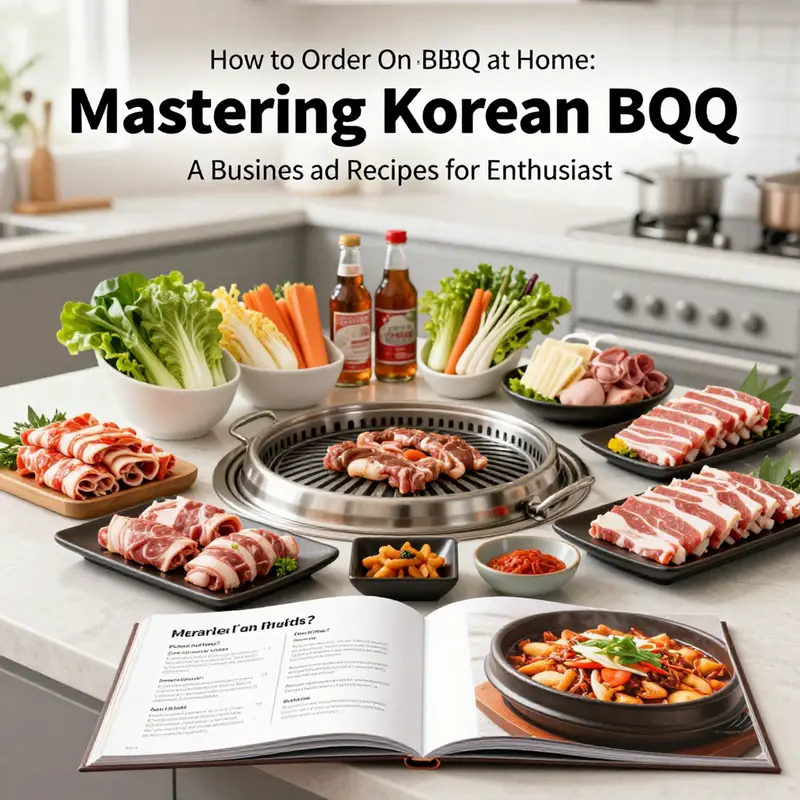
The allure of Korean BBQ is not just the sizzle or the smoky aroma wafting from the grill. It’s a ritual of choosing cuts, marinating with balance, and presenting a chorus of textures—softer marinated beef, crisp lettuce wraps, tangy kimchi, and the bright heat of peppery banchan. When you bring Korean BBQ into your home, you’re not simply cooking; you’re curating an experience. You can lean into the convenience of meal kits that deliver restaurant-forward flavors with minimal planning, or you can exercise total control by assembling ingredients and following a precise, tested recipe. Either path honors the same core idea: the moment when marination, heat, and restraint meet to deliver a bite that’s at once familiar and newly exhilarating. This chapter walks that path, tracing a fluid line from ready-to-grill kits to authentic home recipes, and it grounds the journey in practical, counterintuitive wisdom you can apply tonight.
For many enthusiasts, the easiest entry into the home-Korean BBQ world begins with meal kits. These kits promise a restaurant-like result with the benefit of pre-portioned ingredients, built-in marinades, and clear instructions. They remove the guesswork about which cuts to buy, how long to marinate, and what sauces to pull from the pantry. If you crave a dinner that feels celebratory but doesn’t demand a week’s worth of planning, a meal kit can be a smart, satisfying bridge between dining out and cooking from scratch. A well-designed kit will typically include two or three marinated proteins—bulgogi beef and galbi-like short ribs are common—paired with fresh vegetables for wraps, a couple of banchan-style sides, and sauces that let you finish at the table without juggling six jars. The advantage isn’t just convenience; it’s consistency. The marinade ratios, the slicing thickness, and the order of operations have been tested to yield diners’ favorite outcomes, so you can achieve a restaurant-worthy experience without becoming a kitchen scientist overnight.
Still, many cooks want the thrill and flexibility of building a dish from raw ingredients. Here, the home kitchen becomes a laboratory where you control every variable—from the precise cut and thickness of meat to the balance of marinade flavors and the array of accompaniments. To that end, a solid foundational approach centers on a simple, robust base marinade and a high-heat cooking method that caramelizes the sugars and sears the proteins quickly, creating that characteristic char and a half-crisp exterior. A practical starting point is a marinade built around soy, sesame, sugar, garlic, and a touch of fruit juice for tenderness. The idea is not to overwhelm the meat with sweetness or salt, but to coax a natural savoriness that plays well with the freshness of lettuce, the heat of kimchi, and the brightness of raw onions and scallions.
A quick-start marinade, useful whether you’re working from a kit or from scratch, can be very straightforward. Combine 1/4 cup soy sauce, 2 tablespoons sesame oil, 2 tablespoons brown sugar, 4 cloves minced garlic, and 1/4 cup grated pear or apple. This mix provides a balance of salty, sweet, and fruity notes that help tenderize and flavor the meat deeply. The pear or apple juice offers a gentle enzyme-driven tenderness, while the soy supplies umami, and the sesame oil lends a toasty aroma that foreshadows the best grill marks. Marinating for at least 30 minutes unlocks flavors, but overnight marination yields a deeper, more cohesive taste across slices of beef or pork. If you’re new to this, start with 30 minutes and taste a small piece to gauge intensity before you commit to a longer soak.
Whether you’re using a kit or crafting a dish from raw ingredients, the high-heat principle remains constant. Korean BBQ thrives on searing meat quickly over very high heat to create a lacquered surface while preserving juiciness inside. If you’re cooking at the table on a built-in grill, you’ll have front-row seats to that transformation. If you’re cooking on a stove, a heavy skillet or a cast-iron griddle can replicate the effect, provided you heat it to a level where a single piece of meat sizzles vigorously upon contact. The goal is not a gentle simmer but a rapid sear that establishes browning and a touch of caramelization. Turn the meat only as needed to avoid crowding, which would lower the pan temperature and hinder the coveted crust.
Accompaniments are not extras in this framework; they are essential partners that complete the experience. Lettuce leaves are the wraps, kimchi provides tang and spice, and a few raw or pickled vegetables—thinly sliced onions, green peppers, or cucumbers—offer crunch and brightness. A light, crisp rice forms the anchor of the meal, allowing everyone to build bites that contrast textures and temperatures. The ritual of wrapping a bite with a leaf, adding a skewered piece of meat, a dab of sauce, a sliver of onion, and a bite of kimchi creates a sensory balance that is central to Korean BBQ. The most important reminder here is that the meat isn’t the only star; the banchan and the greens are the chorus that makes the chorus memorable.
If you’re ordering in or picking up ready-to-cook components, you’ll still want to think ahead about the dynamics of your grill space and timing. Prep your vegetables before you heat the pan or light the grill. Have a tray for the marinated meat ready to go, and keep a second tray for grilling while you’re finishing another round of marinated slices. This sequencing matters because the magic moment is when you turn meats onto the hot surface and hear that first crisp contact—the sound signals flavor building, aroma intensifying, and a texture shift that tells you you’re in the right place. A practical tip is to slice meat uniformly to ensure even searing. Thinner slices are common for bulgogi and galbi because they cook quickly and render a silky texture that harmonizes with crisp lettuce and kimchi.
For shoppers who want a curated, all-in-one shopping experience, a one-stop option exists that bundles marinades, meats, and greens in a single, ready-to-assemble package. The concept is simple: you arrive home with a kit that provides everything you need, and you follow a few straightforward steps to assemble the meals. The prospect of a “no guesswork” dinner can be especially appealing when schedules tighten or when you’re introducing Korean flavors to friends who are new to the cuisine. If you choose this route, you’ll still gain a valuable education in how components relate to one another: the way a marinade’s sweetness complements the bright tang of kimchi, or how a thinly sliced ribeye’s fat cap renders beautifully under a sizzling surface. The kit experience also serves as a useful baseline for future experimentation; once you’ve tasted the kit’s flavor profile, you’ll know what to adjust in your homemade marinades or how to pair different meats with specific banchan.
This is where the internal landscape of home ordering and shopping becomes almost as important as the cooking itself. The act of selecting ingredients or a kit is an expression of taste, budget, and appetite for control. If you want a streamlined approach that still feels hands-on, consider a Korean BBQ mall or a specialized marketplace that aggregates components for home grilling. These platforms can offer a curated mix of marinated proteins, crisp lettuce varieties, fresh kimchi, and simple sauces in one place. Such a setup invites you to customize a plan for a given week, balancing indulgence with practicality. For readers who want to explore this approach, a convenient reference point exists in a dedicated online hub that aggregates Korean BBQ offerings and ingredients. korean-bbq-mall provides a sense of how these sets are composed, and can guide your first steps toward assembling a personal home menu that repeats with predictable excellence.
Beyond convenience and control, a more classic route preserves the cooking-from-scratch ethos. If your aim is to learn the craft and to refine your own marinades, start by selecting a few key cuts that respond well to quick cooking and marination, such as thinly sliced beef ribeye, pork belly, and bite-sized chicken thighs if you want lighter, faster-cooking options. The beauty of this approach is that you can tune the marinade to your palate with a few small adjustments. If you prefer deeper sweetness, increase a touch of sugar or pear juice; if you crave more kick, introduce a hint of gochujang—though keep in mind that typical home kitchens may not stock every Korean chili paste in a pantry, so you can approximate using a chili-garlic sauce with a splash of rice vinegar for brightness. The aim is not to imitate a restaurant exactly but to create a version that’s satisfying, personal, and repeatable.
The process of cooking at home is as much about timing as it is about technique. You’ll want to coordinate marinating, marinating time, and the moment you drop the meat onto heat. A practical plan is to marinate the meat for 30 minutes to overnight, as noted. Then, preheat your pan or grill to a heat level that sizzles when meat touches the surface. Cook in small batches to avoid crowding, flipping only as the surface darkens and releases easily from the pan. The goal is a crust that brings sweetness and complexity to the surface while keeping the interior juicy and tender. Once the meat is cooked, you’ll want to present it with the lettuce leaves and kimchi nearby so guests can assemble wraps at the table. A few slices of scallion, a sliver of onion, and perhaps a dab of a simple sesame-soy dipping sauce are all you need to elevate the experience without overwhelming the main flavors.
When planning the meal, think about the pacing. A shared plate of meat can stretch into several rounds, with guests pairing bites with different sides and banchan. It’s helpful to offer a couple of protein choices, so guests can experience variation in texture and flavor across the table. If you’re introducing Korean BBQ to newcomers, you might begin with bulgogi—beef that’s intensely aromatic but not overly sweet—paired with kimchi and lettuce wraps. Then, you can introduce pork belly for a richer, fattier bite and observe how the characters on the palate shift with each addition. A note about textures: the crisp edge of seared meat contrasted with the soft ply of lettuce makes the dining experience cohesive. If a bite feels dry, brighten it with a touch of kimchi or a slim wedge of garlic to refresh the palate. A well-curated set of banchan, even in smaller portions, helps balance salt, smoke, sweetness, and acidity in every round.
In terms of sourcing, you’ll find that meal kits are a comfortable starting point, while recipes from reputable sources empower you to tailor the flavors to your home kitchen. If you’re looking for a robust, authentic reference point to anchor your technique, you’ll find the technique behind bulgogi and the science of marinades well explained in well-regarded culinary guides. Starting from the base marinade and pairing it with careful cooking methods will gradually expand your repertoire so you can improvise confidently. As you grow more comfortable, you’ll begin to layer additional flavors—maybe a sesame-ginger finish, a splash of rice wine, or a citrus note from yuzu for brightness—and you’ll discover that home-cooked Korean BBQ can be as expressive as it is comforting.
The overall arc here is not simply about choosing one path over another. It’s about recognizing that meal kits can deliver a near-restaurant experience with less planning, while recipes that you build from scratch enable you to tailor every bite and to learn the deeper mechanics of flavor and texture. The two tracks are not mutually exclusive; they intersect at the point where marinade, heat, and fresh accompaniments combine to form a meal that is both satisfying and memorable. If you’re unsure where to start, dip your toes into a kit for a couple of meals and then graduate to a hands-on session, where you can experiment with marinade times, meat thickness, and the balance of condiments to suit your own taste.
For readers who want a reference point that blends these worlds, consider the approach of consulting a detailed, tested recipe that has stood up to scrutiny in home kitchens. A widely respected Bulgogi recipe offers a clear framework for the flavors and technique that define this quintessential Korean BBQ dish. You’ll find the recipe’s step-by-step guidance, explanations of how ingredients interact, and a sense of the importance of timing and heat to achieve that caramelized exterior and succulent interior that defines bulgogi. See a trusted, well-tested resource for deep-diving into the science of marinades and the art of quick searing; the linked guide delves into the mechanics behind the marinade’s flavor profile and how the high-heat technique interacts with sugars to produce that characteristic crust. This resource complements the home-cook’s practical toolkit, pairing culinary theory with actionable steps that translate beautifully to both kit-based and scratch-based preparations.
In sum, ordering Korean BBQ for home enjoyment is a spectrum rather than a single method. Meal kits offer a gateway with built-in flavor architecture and convenient portions, while recipes you master at home empower you to experiment, calibrate, and personalize. The best home experience emerges when you blend these approaches: start with a kit to learn the rhythm, then move toward crafting your own marinades and platters, using the same core principles to guide decisions about meat choice, marination time, heat, and the interplay of sauces and banchan. The result is a home barbecue that’s not just a meal but a recurring ritual—one that honors the technique of Korean grilling and the joy of sharing warmth and flavor around a table with friends and family.
External resource for deeper technique and tested guidance: Serious Eats Bulgogi Recipe.
Final thoughts
Ordering Korean BBQ doesn’t have to be daunting for business owners. Whether you’re sourcing meals from a restaurant or assembling homemade kits, understanding the nuances of Korean BBQ can broaden your menu and enhance customer experience. Tailoring your approach to meet specific needs, such as meal kits or authentic dining, will not only satisfy cravings but also solidify your establishment’s reputation as a go-to place for flavorful, enjoyable meals. Stay ahead by continually exploring and adapting your offerings to cater to the ever-evolving tastes of your clientele.