
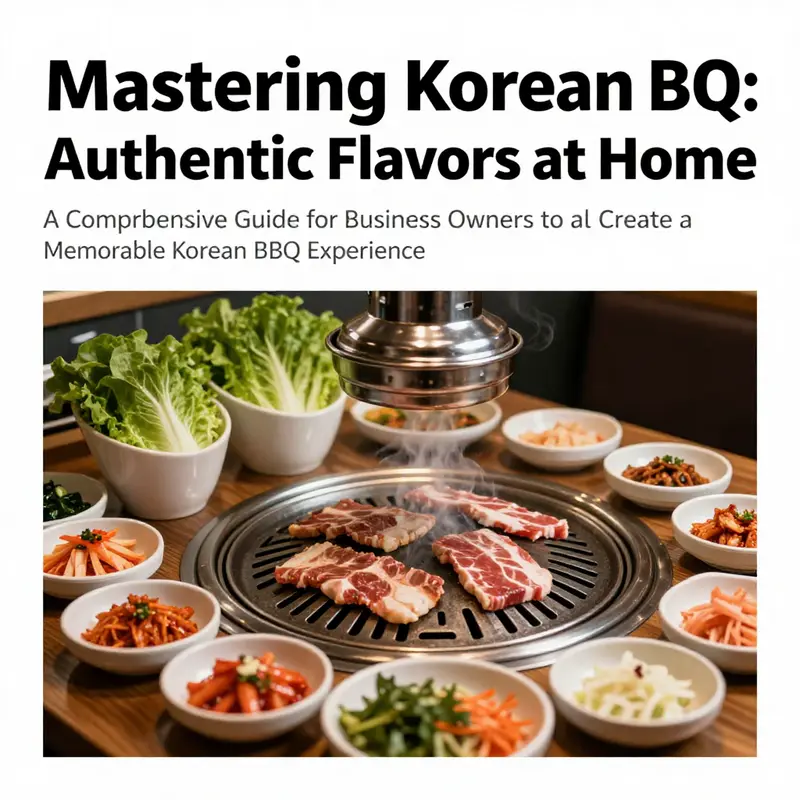
As Korean cuisine gains popularity worldwide, the demand for authentic Korean BBQ experiences at home is on the rise. Business owners can capitalize on this trend by learning how to make Korean BBQ, providing customers with a unique and interactive dining experience. This guide will delve into essential ingredients, a homemade BBQ sauce recipe, and the best meat selections to ensure your Korean BBQ is both authentic and delicious. By mastering these elements, business owners can elevate their culinary offerings and satisfy the growing appetite for Korean cuisine.
Flavor Foundations: Building Authentic Korean BBQ at Home with the Essential Ingredients

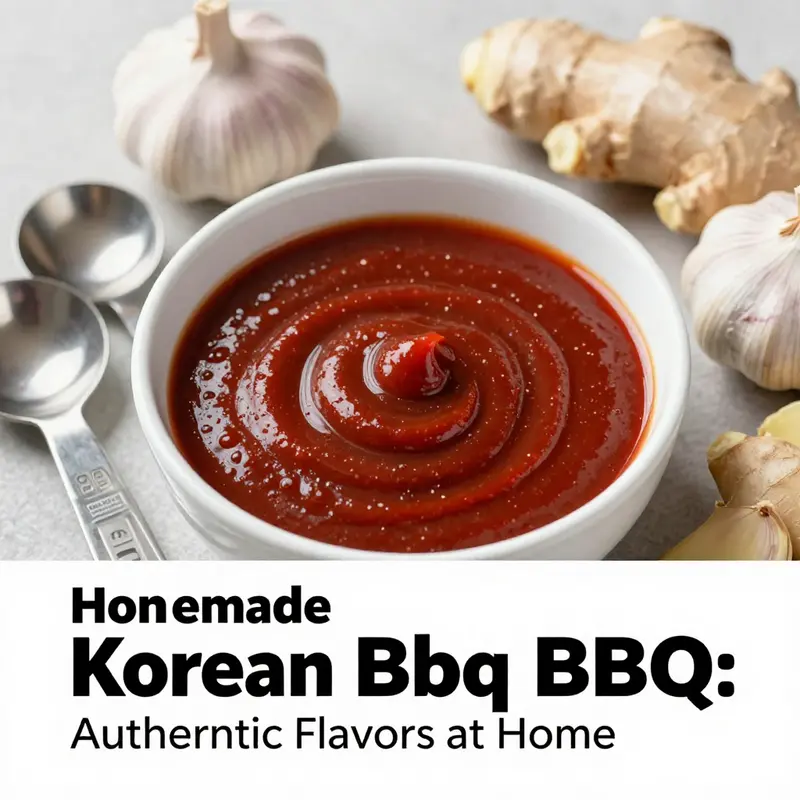
The heart of authentic Korean barbecue is not just how you cook it, but what lives in the bowl that seasons, tenderizes, and glazes. The essential ingredients form a flavor map that balances savory depth, gentle sweetness, and bright heat. When you gather these elements, you are assembling a technique and a memory of cooks across Korea coaxing flavor from every morsel. At the center of this map sits soy sauce: Korean ganjang, lighter and more nuanced than some expect, delivering umami and salt without washing away the meat’s sweetness. Pair it with a touch of sweetness to create a glaze that sticks and caramelizes as the grill sings. The principle is simple: salt, sugar, heat, and aroma must walk in step, not stumble over each other.
Sweetness conducts the glaze and helps create a glossy crust while counterbalancing salt. Brown sugar or honey provide depth, while fruit purees such as pear or apple add natural sweetness and help tenderize meat and help glaze cling. Pear is celebrated for softening proteins and creating a tender bite without masking the meat’s character. The fruit puree is a tenderizing ally and a glue that helps the sauce bond to every slice.
Aromatics—garlic and ginger—are the soul of the sauce. Garlic provides a pungent backbone, while ginger adds warmth and brightness. Freshness matters: crush or mince just before using to release oils and sharper aromas. Sesame oil is the finishing kiss that oils the glaze and the crust edge; a few drops lift aroma and brightness. Sesame seeds, lightly toasted, bring a gentle crunch and a nutty echo. These three elements—garlic, ginger, sesame—are the quiet champions, enhancing the main players without shouting over them.
Red heat comes from gochujang and gochugaru. Gochujang adds deep fermented sweetness and a reddish hue, while gochugaru offers brightness and a vibrant bite. The balance between them allows you tailor sweetness, spice, and color to your table, creating a glaze that clings, caramelizes, and sings when you grill.
All these pieces come together in a preparation that can be used as a marinade or a glaze. The sugars melt and form a sticky coat that seals in juices; the pear or apple enzymes penetrate the meat for deeper, even flavor. The texture of the meat—whether thin bulgogi, bone-in galbi, or thick samgyeopsal—responds to the same core balance of umami salt, sweet glaze, aromatic warmth, and a touch of smoke from the grill.
Practical tips: keep the core components accessible; balance salt and sweetness at the table; use fresh garlic and ginger; apply sesame oil sparingly; measure gochujang and gochugaru to keep the meat’s character. For further guidance, you can consult trusted sources that align with these ingredients.
null
null
From Marbling to Sizzle: Selecting the Perfect Meats for Korean BBQ at Home

Meat is the heart of Korean BBQ, and the best home setups hinge on choosing the right cuts that perform under intense heat while staying juicy and flavorful. The goal is to find meat with enough marbling to render sweet fat into a glossy crust, yet lean enough to cook quickly through. Look for cuts with bright red color, fine texture, and a pleasant aroma. If you’re buying at a market, don’t rush to the cheapest option; ask for cuts that show even marbling and have been kept cold. The way you slice matters as much as the cut itself; slicing against the grain shortens muscle fibers and leads to tenderness, a small detail that makes a big difference when you’re cooking at a table grill or a stovetop pan.
Beef options run deep and they’re where most of the drama happens. Brisket delivers a rich, beef-forward flavor and holds up well to high-heat searing. Its fat layers render gradually, so ultra-thin slices help create a balanced bite without overwhelming the palate. Flank steak offers a punch of beefy taste with a leaner profile; cut across the grain for tenderness, and aim for thin, even slices that fry quickly in a hot pan or on the grill. Tri-tip is a versatile performer, pairing juiciness with a robust beef note, and it responds beautifully to a fast sear when sliced thin. Short ribs, or galbi, are among the crowd pleasers; their fatty interlayers render into a deep, savory crust that remains succulent inside, especially when you opt for bone-in portions. Ribeye, with its generous marbling, delivers a silky bite and a superb crust with a quick, high-heat treatment. For a more indulgent experience, you might lean toward ribeye or short ribs that carry extra intramuscular fat, yielding instant flavor and a lingering finish.
Pork and other proteins deserve their moment too. Pork belly, known as samgyeopsal in many homes, is a staple grilled unadorned to savor the fat’s richness and the crackle of a good sear. Pork shoulder offers a sturdy bite and stands up well to light marinades that enhance sweetness and depth without masking the pork’s natural character. Chicken thighs, especially bone-in, stay moist under intense heat and take flavors well if you want a touch of garlic, sesame, or a whisper of pepper. When you decide to sample different meats, keep in mind how long you’ll grill each piece: delicate cuts such as very lean slices crave brief contact with the heat, while fatty cuts tolerate a little longer and still stay juicy inside.
A few practical truths help translate theory into great results. Always thaw meat completely and pat it dry before cooking to promote a crisp surface. Preheat your pan or grill to a high sear, then add meat in small batches to maintain temperature and avoid crowding. For beef, aim for a sear around 450–500°F (232–260°C), a zone that sears fat beautifully while preserving tenderness. Pork benefits from a similarly hot surface, but you may want to moderate slightly to ensure fat renders without burning. Uniform thickness is essential; if cuts are uneven, the thin edges will overcook before the centers are done. When cooking at the table, fold in a rhythm: sear a moment, flip, rest briefly, and bite into those crisp edges that form a caramelized crust.
As you refine your meat selection, you’ll notice how a well-chosen mix creates a spectrum of textures for wrapping with lettuce, rice, and ssamjang. A simple, classic approach is to pair ultra-thin flank or brisket with richer galbi-style short ribs for contrast, then include a leaner option like round or tri-tip to balance intensity. This balance keeps the cook from feeling overwhelmed and invites guests to explore different flavor crescendos in each bite. If you’re curious about specific preparations that highlight beef’s best features, consider a traditional bulgogi-inspired approach as a reference point: bul-gogi-korean-bbq. The aim is to let the meat express itself while your sizzling surface orchestrates the moment of crust and tenderness.
In the grand arc of a Korean BBQ night, the meat you choose should feel like a canvas that responds to heat with color, aroma, and texture. It’s not merely about finding the most expensive cut but about matching the cut to the cooking method, the table setup, and the group’s appetite for variety. With thoughtful selection, your home grill becomes a stage where marbling, sear, and time converge into a chorus of sizzling moments. And as you rotate between brisket, short ribs, ribeye, and pork belly, you’ll discover that great flavor often comes down to careful, informed choice as much as method.
For broader guidance on premium cuts suited to home grilling, this comprehensive resource offers trusted insights: https://www.seriouseats.com/korean-bbq-meat-cuts-guide
Final thoughts
By learning how to make Korean BBQ at home, business owners can embrace the growing fascination with Korean cuisine. With the right selection of ingredients, a delicious homemade sauce, and quality cuts of meat, they can create a unique dining experience that captures the essence of Korean BBQ. This culinary knowledge not only enriches their menu offerings but also brings customers together, fostering a sense of community around shared meals. Whether for personal enjoyment or to enhance a business’s appeal, mastering Korean BBQ is a worthy endeavor.