
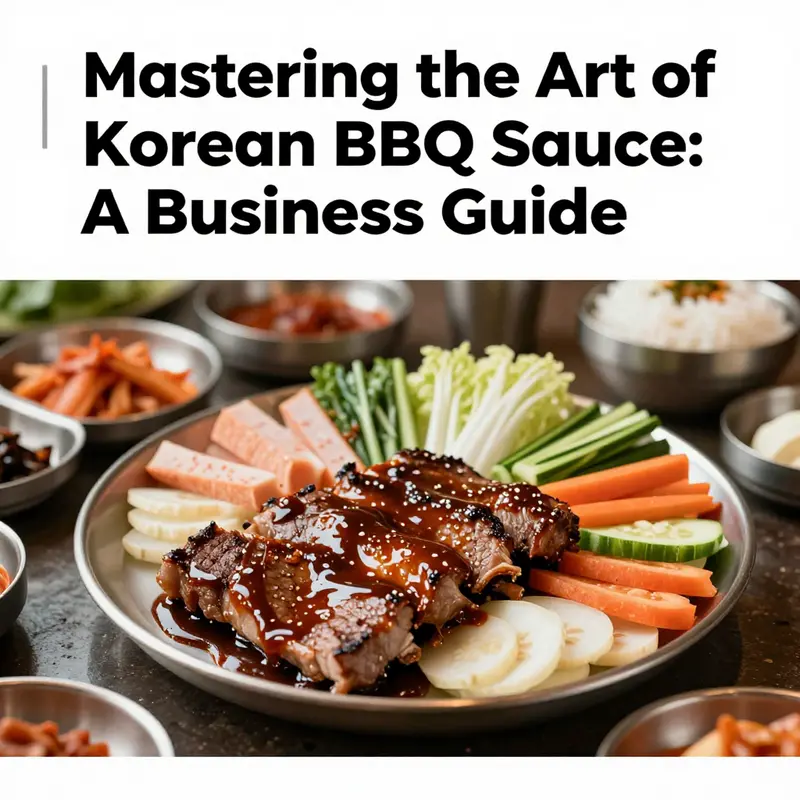
Creating a signature Korean BBQ sauce can be a transformative addition for business owners in the food industry. This sauce, known for its perfect balance of umami, sweetness, and spice, not only enriches dishes but also enhances customer satisfaction, driving repeat visits to your establishment. The following chapters will guide you through essential ingredients necessary for crafting this authentic flavor and provide a step-by-step process to ensure your sauce stands out, making it an invaluable asset to your culinary repertoire.
Balancing Fire, Fermentation, and Flavor: The Craft of a Classic Korean BBQ Sauce
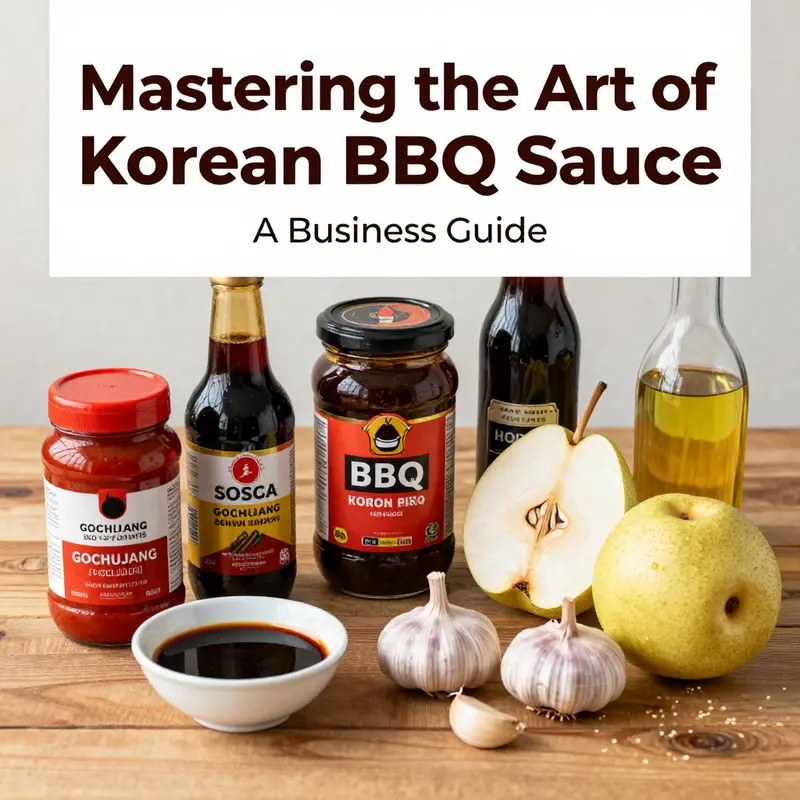
The best Korean BBQ sauce works like a conductor in a kitchen symphony. It does not merely cling to meat; it elevates every bite with a measured kiss of heat, a velvet sweetness, and a depth of savory umami that lingers on the palate. This is not a one-note glaze. It is a carefully balanced blend that leans into tradition while inviting modern flexibility. At its heart lies yangnyeomjang, a sauce built to marinade, glaze, and finish grilled meats with a glossy crust and a perfume of sesame, garlic, and ginger. The essence of this sauce comes from a small set of core ingredients that, when played in the right proportions, reveal a spectrum of flavors: sweet, salty, tangy, spicy, and truly aromatic. The discipline is in respect for fermentation, in knowing when to push sweetness, when to temper heat, and how to coax the meat to sing without overpowering it. In other words, great Korean BBQ sauce is an instrument for harmony, not a loud solo performance. And it starts with the basics, done thoughtfully and with patience.
The anchor of this sauce is soy sauce, a creature of depth and balance. In Korean kitchens, ganjang—Korean soy sauce—provides a savory backbone that grounds the sauce, offering salt, umami, and a subtle sweetness that reads differently from Western soy sauce. If gluten is a concern, a gluten-free alternative can be used, but the underlying principle remains the same: a robust, well-fermented soy note that can carry heat and sugar without buckling. Beside it sits gochujang, the fermented red chili paste that defines the profile of many Korean marinades. Its heat is layered, its sweetness a counterpoint to the saltiness, and its umami richness acts like a seasoning backbone. The heat can be swift and bright when first mixed, yet it matures with time, blooming subtly as the sugars caramelize during grilling. This is not a hot sauce; it is a depth charger, a component that helps the glaze cling and develop. A tablespoon or two of gochujang is enough to set the tone, but the exact amount should be tailored to your tolerance for heat and the eventual cooking time of the meat you plan to use.
Sweetness is essential, not optional. The natural sweetness in this sauce comes from two sources: brown sugar or rice syrup and fresh fruit purée. Brown sugar introduces a molasses-like warmth that helps with caramelization on the grill, creating that lacquered finish that gleams when noodles of fat render beneath the surface. Rice syrup contributes a light, clean sweetness that doesn’t overwhelm the savory base. But the most dynamic sweetener comes from grated fresh fruit—Asian pear or apple, and even kiwifruit in some modern adaptations. The fruit brings a bright, almost orchard-like brightness and enzymes that help tenderize meat slightly. The enzymes in grated pear or apple act a touch, and they can be especially effective when you are marinating thinner cuts such as bulgogi slices. The concept is simple: let the fruit introduce brightness and tenderness, while the sugars deliver caramel alongside the heat. A quarter cup of grated pear or apple is a classic target, but the balance is personal. Taste frequently, and be ready to adjust with a touch more sugar or a splash of fruit purée if the mix tastes too flat or too salty.
Aromatics are the soul of the sauce. Minced garlic is non-negotiable; its pungency anchors the brightness, while grated fresh ginger adds warmth and a subtle bite that brightens the dish rather than stifling it. Sesame oil—preferably toasted—brings a nutty, fragrant note that lifts the entire mix. A little goes a long way, but it does more than flavor. It coats the surface of the meat during grilling, helping to form that irresistible lacquer. Sesame seeds, lightly toasted, contribute texture and a final pop of aroma. If you want a more layered profile, adding finely chopped green onions can echo the herbaceous note of the grill and introduce a hint of fresh color to the glaze. Soil and sea meet in this blend: the earthiness of garlic and ginger meeting the soft sweetness of fruit, the nutty depth of sesame with the bright lift of fresh greens.
The sauce is also a canvas for optional accents that can push it toward your preferred style. A splash of mirin adds a subtle complexity and a touch more sweetness, while a pinch of chili flakes or gochugaru can raise the heat with a brighter, clearer pepper bite. If you want extra tenderness and tang, a little kiwifruit purée can be folded in—though this is more of a modern twist than a traditional move. These optional elements are not indispensable; they are ways to tailor the sauce to your crowd and your meat. The core remains the same: a balance of salt, sweet, heat, and aroma, anchored by a deep, umami-rich base. As you assemble the components, you may notice that the order matters only in how you perceive the flavor, not in the final chemistry. Start with the base, fold in aromatics, then layer in sweetness and fruit, and finish with a kiss of sesame oil and seeds to seal the glaze’s texture and fragrance.
Crafting the sauce is as much about technique as it is about ingredients. Begin by preparing your aromatics: mince the garlic and grate the ginger, and grate the pear or apple. The fruit should be loose and juicy rather than mushy, so you can fold it into the mixture easily. In a medium bowl, whisk together gochujang, soy sauce, brown sugar, and sesame oil until the mixture is smooth and cohesive. There is a natural viscosity to gochujang that helps the entire sauce cling to meat, but you want a silkier texture than a paste if you plan to brush it on multiple times during grilling. Fold in the minced garlic and grated ginger first, then fold in the grated fruit. The fruit’s presence should be felt in the fragrance and the balance of sweetness, not as a dominant tang. Stir in toasted sesame seeds and finely chopped green onions if you choose. Taste and adjust with a careful hand: more sweetness if the saltiness dominates, a touch more soy if you crave savoriness, or a little more gochujang if you want heat to linger. If you worry about the sauce over-powering the meat, remember that this is a glaze as well as a marinade. You want the meat to pick up the glaze’s gloss without becoming saturated with one note.
Rest is a surprisingly powerful ingredient in this equation. Let the sauce rest for at least 30 minutes, or even overnight, to allow the flavors to meld. During this time, the fruit enzymes loosen and the spice recedes slightly, yielding a smoother, more integrated profile. If you have a thicker version, consider a quick whirl in a blender to achieve a satin texture that coats meat evenly—this is especially helpful when you are grilling densely marbled cuts that need a little help carrying the flavor into every bite. The resting period also gives you a chance to assess texture. If the sauce seems too thick for brushing, a small splash of water or a touch more fruit juice can loosen it without sacrificing its intensity. Conversely, if it’s too loose, a touch more brown sugar or a longer rest can help it tighten up as the sugars begin to caramelize on contact with heat.
When it comes to applying the sauce, think of it in stages. Start with a light coating during the early stages of marinating or the first few minutes of grilling. As the meat approaches the final phase, brush on a second, more generous glaze so the surface caramelizes into a shiny crust. The sugar and enzymes will contribute to a lacquered finish that crackles as it sears, yielding that quintessential Korean barbecue sheen. If you are integrating this sauce into vegetables, tofu, or other proteins, you can adjust the ratios to keep a balanced profile that still emphasizes the main ingredient. The texture should be glossy and slightly sticky, with a comfortable bite that clings to the surface without sliding off. A well-made glaze does not gush with moisture; it forms a thin film that locks in flavors as the meat rests after cooking, allowing diners to experience a succession of aromas with each bite.
The sauce also serves as a practical guide for pairing. Bulgogi, the thinly sliced beef, benefits from a slightly sweeter version that helps the meat caramelize and develop depth as it grills. For galbi, or spare rib cuts, you may want to increase gochujang and sesame oil a touch to support a longer grilling time and deeper sear. For chicken or tofu, mirin and extra fruit can contribute tenderness and a lighter, brighter finish that doesn’t compete with the delicate texture of poultry or plant-based proteins. Store any leftover sauce in an airtight container in the refrigerator for up to two weeks. Its flavors intensify with time, which is convenient for meal planning if you intend to use it as a glaze across several meals during the week. A processed smoothie of the sauce is not a misstep; simply reblend to reemulsify if the mixture seems to separate after refrigeration.
This approach to the sauce is more than a recipe; it is a philosophy. Traditional Korean cooking emphasizes fermentation, harmony, and a sense of jeong—care in preparation—and mat, which speaks to sensory harmony across textures and tastes. Fermented elements like gochujang contribute complexity far beyond what a simple chili paste could offer. The fermented backbone is what gives the sauce its longevity and its ability to build flavor across layers of grilling time. If you want to explore this concept more deeply and see how fermentation shapes taste in a broader context, you can explore related experiences in local Korean BBQ scenes like the page dedicated to Las Vegas near you, which offers a vivid snapshot of how a well-seasoned glaze translates into a dynamic dining moment: https://kogikoreanbbq.net/korean-bbq-las-vegas-near-me/.
In practice, the beauty of this sauce lies in its adaptability. It is forgiving enough to accommodate substitutions when certain ingredients are not available, yet steadfast enough to shine when you use the full slate of core components. If you prefer less heat, reduce gochujang by half and rely more on the fruit’s brightness to carry the flavor. If you want a bolder bite, increase the gochujang and add a touch of gochugaru for a cleaner pepper finish. If you aim for a meat-forward profile, emphasize the sesame oil and the depth of the soy sauce, letting the glaze ride on the meat’s natural fats so the glaze caramelizes without masking the meat’s character.
This chapter has sketched a framework that feels both traditional and flexible, a practical path to a Korean BBQ sauce that satisfies the home cook and the enthusiast alike. The method encourages experimentation, but never at the expense of balance. When you stir the base, fold in the aromatics, and let the flavors mingle in the resting time, you begin to understand why this sauce endures. It is not merely a condiment; it is an invitation to transform ordinary grilled meat into something with a glossy, resonant finish and a chorus of tastes that stay with you after the last bite. For readers who want to deepen their understanding with a different hands-on reference, a comprehensive external guide offers step-by-step instructions that echo these principles and provide additional technical detail on proportions, timing, and technique: https://www.seriouseats.com/korean-bbq-sauce-recipe.
Glaze and Groundwork: Crafting an Authentic Korean BBQ Sauce That Marries Umami, Sweet Heat, and Fragrant Depth
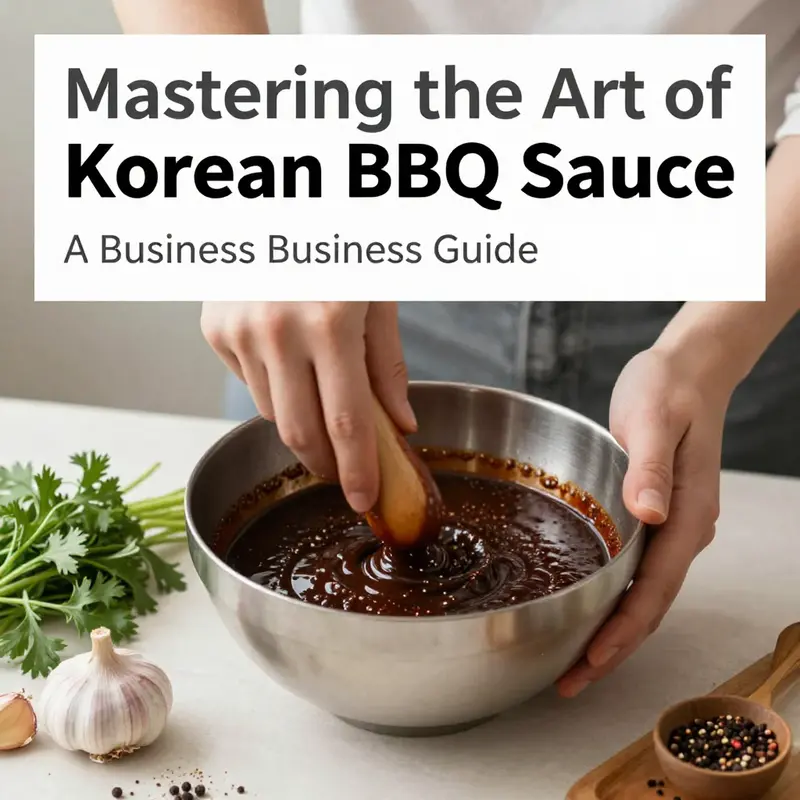
In Korean grilling, the sauce is not a mere finishing touch; it is a partner to the fire, a pulse that carries the meal from fiery char to lingering savor. The dependable yangnyeomjang, often translated as seasoned sauce, sits at the heart of bulgogi, galbi, and countless pan-seared variations. It is a disciplined blend of fermented depth, natural sweetness, and bright aromatics, a choreography of flavors that respects the meat while guiding it toward caramelized perfection. A home kitchen can recreate this balance with intention, using ingredients that honor tradition while embracing practical substitutions when needed. The goal is not to drown the meat but to weave a glossy, savory crust that clings, caramelizes, and then reveals itself in successive bites. The process rewards patience, precision, and a willingness to taste, tweak, and rest the mixture so its components harmonize rather than compete.
At the core of this sauce is fermentation’s quiet magic. Fermented elements like gochujang carry a layered umami that comes from years of aging, converting simple chili heat into a nuanced depth. This depth is not just about more flavor; it is about complexity that enhances the meat’s own savor and creates a glaze that glosses rather than overshadows. When you combine gochujang with soy sauce, brown sugar or rice syrup, and a handful of aromatic allies, you begin a symphony rather than a single-note sauce. The ingredients are small in number but large in contribution: heat, salt, sweetness, garlic, ginger, and a fresh belt of fruit enzymes that tenderize and brighten the profile at the same time.
Take the base ingredients as scaffolding for a living, evolving sauce. Gochujang provides the signature spicy-sweet umami backbone. Its heat level is real but not singular; it carries warmth that lingers and deepens with time. Soy sauce anchors the mix with salt, savoriness, and a certain roundness that prevents the heat from pinching. Brown sugar or rice syrup offers natural sweetness—an essential counterweight that allows the heat to breathe instead of dominating. Garlic and ginger punch the aroma forward; they are the quiet drivers of aroma and astringent brightness that lift the glaze in simmer or on the grill. The Asian pear or apple puree is a small but decisive instrument here. Its enzymes tenderize tissue gently and add a subtle, orchard-fresh sweetness that helps the sauce cling to meat as it caramelizes. Toasted sesame oil adds a nutty richness and aroma that makes the glaze feel three-dimensional, while sesame seeds sprinkle texture and a final note of toasty fragrance.
Optional enrichments invite variation without breaking the fundamental balance. Mirin supplies a touch of sweetness with a soft, rounded acidity that glows under heat. Green onions lend a fresh, green lift that supports the sauce’s aroma, especially when added toward the end of mixing so their crisp bite remains intact. A pinch of gochugaru—Korean chili flakes—offers color and a little extra heat for those who want a bolder finish. For an unconventional but historically plausible tweak, kiwifruit puree or a little pineapple juice can contribute more enzymatic tenderizing power and a brighter tropical note. These tweaks should be integrated with care; the sauce must remain a partner to the meat, not a loud intruder.
The preparation can sound deliberately simple, and that is the point. Begin by gathering your ingredients with discipline. It helps to use freshly minced garlic and grated ginger rather than relying on precut jars. A fresh pear or apple, grated, releases enzymes that help tenderize meat and also introduce a natural sweetness that does not rely on refined sugar alone. In a medium bowl, whisk gochujang with soy sauce and your sweetener until the base is smooth and cohesive. Then fold in the aromatics—garlic and ginger—followed by the fragrant fat of toasted sesame oil. The sesame seeds add a delicate crunch and a final toasty note that punctuates the glaze as it glazes the surface of the meat. Finally, fold in the fresh fruit puree or juice and the chopped green onions, if you choose to include them.
Flavor balance is the secret password here. If the sauce tastes too sharp or spicy, a touch more sugar or rice syrup will soften the edge. If it tastes flat, a splash more soy or a whisper of mirin can add depth and a hint of brightness. If it lacks savoriness, a small splash of soy or a pinch of doenjang, the fermented soybean paste, can intensify the collective umami, though this is optional for beginners who want a purer outset. The beauty of yangnyeomjang is that it rewards patience—allowing the mixture to rest for a while so the ingredients meld. A thirty-minute rest is practical, but overnight chilling in the fridge intensifies the layers and makes the glaze cling more stubbornly to meat when it hits the grill.
This is a sauce meant to be versatile. It shines as a marinade for beef and pork, turning a simple bulgogi into a glaze that caramelizes on contact with heat and sears into a lacquered crust. With galbi, a slightly bolder gochujang presence plus a touch more sesame oil helps the glaze complement rib meat’s fat with a glossy, flavorful sheen. Chicken and tofu respond well to a touch more fruit and mirin, which tenderize and brighten without overshadowing the savory backbone. A roasted vegetable tossed with a little of this glaze before finishing in the oven becomes a sizzling side dish with a caramelized edge and a tantalizing aroma of sesame and garlic. The same sauce can also serve as a quick dipping sauce for dumplings or as a quick stir-fry finish when mushrooms and peppers take center stage. In short, the yangnyeomjang you craft at home becomes the hinge between raw ingredients and a finished dish, a tiny unit of alchemy that makes grilling not only possible but delightful.
To achieve a smooth texture, a short spin in a blender or food processor is optional but often beneficial. If you prefer a rustic finish with small flecks of garlic and ginger, skip the machinery and whisk thoroughly by hand. Either route will yield a sauce that clings, but the blender-friendly version glides onto meat with ease and creates a more uniform glaze that caramelizes evenly on the grill. Heat control is another practical dimension. Gochujang’s heat can intensify as the sauce rests, especially when sugar levels are high. Start with a measured amount and reserve a little extra gochujang to add if needed after a tasting. This incremental approach prevents a single misstep from turning the sauce into an overpowering paste.
When it comes to the application, timing matters. For a marinade, coat the meat well and let it rest in the fridge for one to two hours, or longer for tougher cuts. The long marination lets enzymes begin their tenderizing work while the flavors seep through every fiber. For a glaze, brush on during the last minutes of grilling or pan-frying, allowing heat to caramelize the sugars and intensify the umami. The sauce also works beautifully as a finishing dip for the table, inviting guests to coat a piece of meat as they wish, thereby maintaining a dynamic range of intensity across servings.
Authenticity in this context does not require rigid fidelity to every traditional note. Doenjang, a fermented soybean paste, is sometimes included in regional recipes for deeper earthiness, but it is not essential for beginners seeking a reliable, home-friendly approach. The fermentation mindset—embracing enzymes from fruit, the deep umami of fermented paste, and the subtle aromatics from garlic, ginger, and sesame—remains the core. This approach aligns with a broader culinary principle: balance rules flavor, and in Korean barbecue, balance is achieved through contrasts that complement rather than compete. The sauce should lift the meat, not mask it; it should sparkle with brightness when the meat is fresh off the grill and deepen as the glaze sets into a lacquered crust.
To connect this practice to the broader landscape of cooking and to illustrate how a single recipe can anchor an entire meal, consider a practical reference within the wider world of Korean barbecue. For a perspective on how a restaurant approach translates into home cooking, you can explore a locally anchored example that demonstrates the same principles in a real kitchen: korean-bbq-las-vegas-chinatown. This link offers a window into a broader menu that illustrates how a glaze like yangnyeomjang interacts with a variety of meats and preparations, reinforcing how essential the sauce is to the overall dining experience.
As you move from shopping to kitchen to grill, remember that your sauce’s success rests on three pillars: faithful flavor scaffolding, careful aroma layering, and mindful timing. The gochujang-soy-sugar backbone is your foundation; garlic, ginger, and fruit provide motion; sesame oil and seeds give finish and fragrance. Resting the mixture lets the flavors settle and deepen, preparing it to cling to meat and to reveal new nuances with each bite. And because Korean barbecue is as much about technique as it is about ingredients, the sauce becomes a dynamic partner to heat: it returns heat with sweetness, butter-smooth gloss with a bright snap, and a lingering afterglow that makes every morsel feel properly grilled and thoughtfully seasoned.
In practice, this means treating the sauce as a living element of your cooking. Taste early, taste again after rest, and adjust with small increments. Embrace the friction between sweet and spicy, salt and umami, brightness and depth. If you ever find your finished glaze too fiery, cool it with a little more fruit and a touch of honey or pear to coax the heat into balance. If it feels flat, coax it with a touch more soy and a hint of mirin, then whisk in a little warm water to loosen the texture just enough for a clean glaze that clings without dripping. The beauty of this approach is that the sauce grows with you; as you gain experience, you can tailor it to the meat, the cut, and the heat of your grill without ever abandoning its essential character.
The final sign of a well-made Korean BBQ sauce is not only how it tastes on the first bite but how it continues to reveal itself as you cook. A good glaze leaves a glossy sheen that catches the flame and helps develop a caramelized crust. It offers a gentle umami that makes the meat feel richer, even as the fruit sweetness keeps everything balanced. It invites you to keep grilling, to keep tasting, to adjust, and to share. The best versions do not demand perfection on the first try; they reward iterative tasting, small adjustments, and an openness to evolving the recipe based on the specific meat, its fat content, and the heat of the grill. With this mindset, the humble ingredients you assemble become a sauce that not only seasons meat but elevates the entire experience of Korean barbecue in a home kitchen.
For readers who want to explore a broader, tested approach to the same technique, a detailed, expert-tested resource offers deeper insight into how experts think about proportions, fermentation, and the science of flavor balance in Korean BBQ sauce. See the linked external resource below for an enriched understanding of the method and the science behind the steps described here.
External resource: https://www.seriouseats.com/korean-bbq-sauce-recipe
Final thoughts
Understanding how to make a flavorful Korean BBQ sauce is crucial for any business owner in the food industry. This sauce not only enriches the taste of your grilled offerings but can also become a customer favorite. Implement the insights from this guide to create a distinctive sauce that enhances your menu and captivates your guests, ensuring a memorable dining experience that keeps them coming back.