

Korean BBQ has gained immense popularity worldwide, drawing food enthusiasts and casual diners alike to its rich, smoky flavors and unique dining experience. For business owners, incorporating authentic Korean BBQ into your restaurant or catering service could elevate your culinary offerings. Understanding the right selection of meats and how to prepare delicious marinades is critical. This guide will take you through the essential steps required to master the art of Korean BBQ, ensuring that every meal served is not only flavorful but also memorable for your guests. Each chapter will delve into specific aspects of this beloved cuisine, offering practical insights that can be implemented right away.
Cut by Cut: Selecting the Right Meat as the Flavor Foundation of Korean BBQ

Choosing the right meat is the first and most influential decision you make when building a Korean BBQ at home. It is not merely about picking a favorite cut; it is about selecting a form that carries the flavor of the marinade, the texture of the quick sear, and the way the fat plays with heat to create that signature balance of juiciness and bite. In a kitchen not set up for a full koreana frequented table, the meat becomes your anchor. The goal is to find cuts that stay tender under high heat, that respond to a brief, bright kiss of flame, and that offer layers of flavor whether they arrive unmarinated or after a more assertive glaze. The essential idea is to choose cuts that can grill quickly, render fat gracefully, and take to a sauce or wrap without losing their core character. In practice, this means understanding two broad families—beef and pork—and then matching each to the style of Korean BBQ you want to recreate at home: bold and sweetly aromatic bulgogi, deeply savory galbi, or the crisp, indulgent pork belly that crackles at the edges while remaining succulent inside.
Beef provides a spectrum of tenderness and richness that makes it a natural centerpiece for many home cooks. Within beef, the cuts most commonly employed for quick grilling are those that balance marbling with firmness. Sirloin, known in Korea as deungshim, is prized for its soft texture and pronounced beef flavor. Its marbling tends to be more restrained than in premium ribeye, making it forgiving for everyday home grilling and ideal for serving as unmarinated slices that let the beef’s own character shine through. This is a cut that invites the grill to do most of the work, leaving you with a clean, beef-forward bite that pairs beautifully with sesame oil, garlic, or a light soy-based glaze. Then there is galbi, the short rib, which carries more marbling and a chewy, toothsome bite that invites a sweet-savory marinade to do most of the flavor work. The marrow-like richness of galbi makes it a crowd-pleaser, and when marinated properly, it remains juicy even after a quick sear over high heat.
Bulgogi is a different pathway altogether. Thinly sliced beef, often brisket or sirloin, is designed to be marinated in a mixture that combines soy, sugar, sesame oil, garlic, and other aromatics. The slicing is not just an aesthetic preference; it is a practical technique that accelerates flavor penetration. When you bite into bulgogi at your table, you want the outer layer to carry a caramelized edge while the interior remains tender and flavorful. The version you encounter in a home kitchen might vary by the thickness of your slices, but the core principle holds: a well-balanced marinade cooperates with rapid cooking to deliver a dish that tastes both bright and deeply savory.
Pork, for its part, brings a different texture and fat distribution that many people find irresistible in Korean BBQ. Samgyeopsal, the iconic pork belly, is all about the interplay between crisp exterior and juicy interior. The fat renders as it hits high heat, creating a crackling crust that collapses into a juicy center. The cut’s layered structure rewards a straightforward approach—season lightly or rely on a simple marinade that lets the pork’s own richness sing. Pork shoulder, or jeyukbap in marinated preparations, provides a balance between lean meat and fat. This cut can stand up to bolder seasonings and longer resting times, making it a nice option if you plan to combine quick grilling with a touch of braising later on. The key, with pork as with beef, is to select slices that cook quickly and evenly, avoiding pieces that are too thick or poorly trimmed, which can create uneven doneness on a hot grill.
When you assess any cut, you should look for even marbling—the white flecks of fat scattered through the muscle that become the flavor and moisture backbone when heated. For beef, the term “snowflake marbling” is a useful guide: the more even and fine the marbling, the more forgiving the meat will be under high heat, and the more luscious the finished bite. For pork, you’re feeling for a fat-to-meat ratio that delivers a satisfying crisp along the edge without leaving the center dry. In both cases, color and texture are reliable indicators: beef should be a bright, fresh red with a clean, slightly humid sheen; pork should carry a pinkish hue with a slight translucence and a firm, not rubbery texture. A strong aroma is a good sign as well, but never rely on scent alone; always evaluate the cut’s appearance, thickness, and fat distribution before purchasing.
Thickness matters deeply, especially when you are cooking at home on a stovetop griddle or a shallow grill pan. The different cuts expect different treatment, but there is a practical rule for quick grilling: uniform slices ensure even searing and reliable doneness. For many beef preparations, you want slices in the range of about 2–5 millimeters for fast, high-heat cooking. This thickness facilitates rapid caramelization while preserving moisture, and it helps ensure that you can flip once and achieve a golden crust with a moist center. For galbi, the short rib meat often comes bone-in or bone-out in various thicknesses; when bone-in, you still want slices that will kiss the surface long enough to render fat and harbor a bit of chew without becoming stringy. In pork, samgyeopsal is typically cut into relatively thick slabs with visible fat layers that render during grilling, but many home cooks prefer slightly thinner slices to maximize surface area for crisping and to prevent the centers from drying out.
Beyond marbling and thickness, the choice between unmarinated and marinated meat will shape your approach to flavor. Traditional Korean BBQ celebrates the meat’s character, but the range of flavors is vast. Unmarinated cuts let the natural beef or pork notes take center stage, while marinated options intensify sweetness and savoriness from the start. If you opt for unmarinated cuts, you will likely rely on lighter seasoning or acidulated finishing sauces that brighten rather than overwhelm. On the other hand, marinated cuts—particularly bulgogi and galbi—carry a built-in depth that changes the cooking dynamic: the marinade helps tenderize the surface, contributes color and aroma, and creates a glaze-like finish on the surface when grilled. If you choose to marinate, you should plan it around your time and the cut’s thickness. The classic marinade we consider here combines soy sauce, fruit juice for tenderizing enzymes, sugar for caramelization, aromatics, sesame oil, and pepper. This blend works well with thin beef slices and can be extended to pork if you wish to echo a similar balance in the finish.
In practice, most home cooks will mix and match—beef sirloin for a clean, quick-cook base; galbi or short ribs for a richer, more decadent option; pork belly for a crowd-pleasing crunch. The selection process benefits from two practical questions: how much time do you have for marinating, and what texture are you seeking on the grill? If you want a bright, quick-to-finish meal, you might choose thin, unmarinated sirloin or marinated bulgogi-style beef. If you want the party to center on a deeply flavored, caramelized crust, go with galbi or thick-cut pork belly and allow the glaze to shine.
As you survey your options, keep in mind that the best approach may be to incorporate a single, well-chosen cut as the anchor and supplement with a second option for contrast. For example, a platter might feature thin bulgogi beef for rapid cooking alongside fatty samgyeopsal that sizzles and crisps at the edge. This creates a meal that presents multiple textures and flavor profiles in a single round of grilling, while staying within the practical limits of home equipment. If you want to explore how bulgogi fits into a broader map of Korean BBQ meat cuts, you can browse a detailed guide that focuses on bulgogi and related preparations. bul-gogi-korean-bbq offers one of the most direct looks at this beloved cut and its typical preparations, helping you align slicing thickness, marinade balance, and cook time with the rest of your lineup.
In selecting your meat, also consider the purchasing context. If you are shopping at a traditional market or a well-stocked grocery, ask the butcher about thickness and recommended cook times for quick grilling. If you are shopping pre-packaged, read the label for cut type and marbling notes, and choose pieces that have a consistent thickness and bright color. For those seeking authenticity without the need for a full butchery setup, pre-marinated options offer a convenient alternative; just be mindful that some marinades may overpower delicate cuts, so balance your expectations with the actual flavor profile on the plate. The goal remains simple: you want meat that sears evenly, that remains moist, and that, when paired with the right wrap and sauce, delivers a memorable bite that echoes the Seoul-toned sizzle of a tabletop grill.
In the end, the choice of meat is a starting point, not a finale. It sets the mood, but the rest of the meal—the wrap, the banchan, the sauces, and the way you present everything around the table—dictates how the flavors arrive at the palate. The most successful home cooks treat meat selection as a deliberate, thoughtful step rather than a last-minute afterthought. They consider marbling, thickness, and whether the piece will shine unmarinated or after a glaze. They weigh the balance between fat and lean, texture and taste, and they plan their cooking strategy to honor those choices. And they remember that the joy of Korean BBQ is not only in the central bite but in the whole experience—sharing, wrapping, dipping, and savoring the way each bite builds toward a chorus of textures and flavors that feels both comforting and exciting.
External resources can illuminate choices that feel overwhelming at first glance. For a focused dive into Bulgogi and related cuts, see bul-gogi-korean-bbq. The broader landscape of meat cuts and their best applications for Korean BBQ is explored in depth in external guides as well, providing nuance on marbling, thickness, and marination times that help you tailor your selections to your equipment, space, and taste preferences. If you’re curious about a more formal survey of cuts and their culinary roles, you can consult additional resources to inform your decisions as you refine your shopping list and prep rituals.
External Resource: https://www.creatrip.com/article/1234567890
Marinade Alchemy: Building Korean BBQ Flavor from the Inside
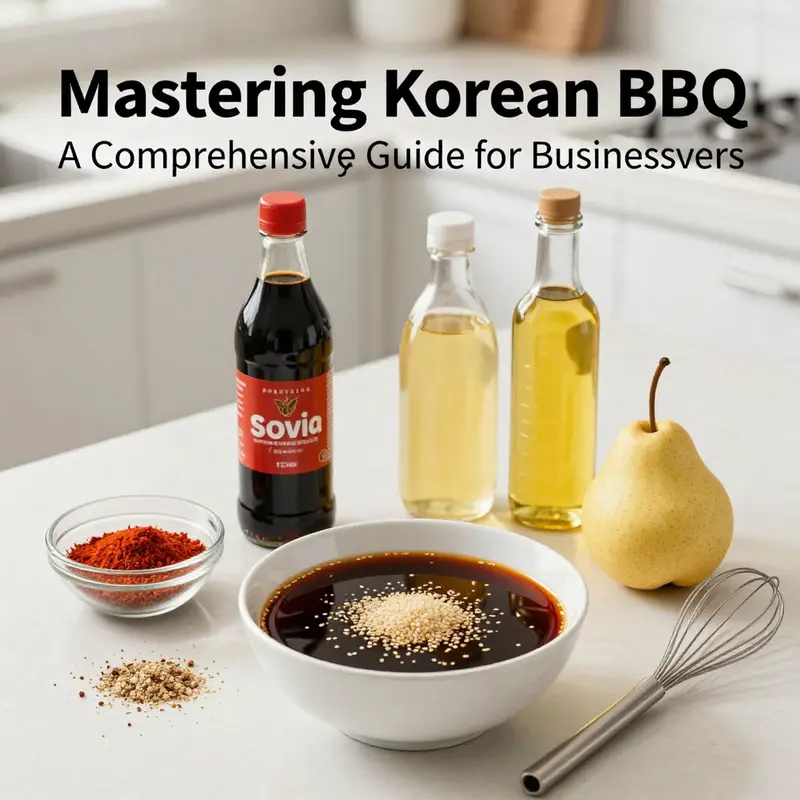
The marinade is more than a flavor boost in Korean BBQ; it is the quiet driver of texture, aroma, and color. When you set up the grill, your eyes may fix on the sizzling surface, but the real magic happened hours earlier as the meat bathed in its savory bath. The marinade binds and tenderizes, coats the meat with a glossy gloss, and sets in motion a series of chemical reactions that caramelize at the surface when heat comes. At its core, a successful marinade balances salt, sweetness, depth, and a touch of heat, while leveraging natural enzymes from fruit to coax tenderness without dissolving the character of the cut. This is where the craft begins, and where the palate learns to anticipate the first bite—the moment when the crust gives way to juiciness, and the flavors bloom in a chorus of savory, sweet, tangy, and toasty notes.
In traditional Korean practice, the backbone of the marinade rests on a few sturdy pillars. Soy sauce provides salt and umami, acting as the anchor for the other flavors. Gochujang, a fermented red chili paste, contributes heat, depth, and a gentle sweetness that carries well through high-heat grilling. A second paste, ssamjang, often appears as a richer, more complex cousin—its blend of doeenjang (fermented soybean paste) and gochujang adds a savory backbone that lingers on the tongue. Garlic and ginger lend pungency and warmth, while sesame oil and sesame seeds bring a toasted, nutty aroma that lingers long after the food disappears from the plate. A natural sweetness—pear juice, honey, or brown sugar—does two things at once: it tempers salt and heat, and it helps the surface of the meat form a caramelized crust during a hot sear. The enzymes lurking in fruit are not just a flourish; they are a practical tool. Pear, and sometimes kiwi, release bromelain-like activity that gently softens proteins, making the texture more tender without turning the meat to mush if you watch the timing.
Like any great recipe, the art lies in restraint and intentionality. A marinade that leans too heavily on acidity or fruit enzymes risks over-tenderizing a lean cut or pale, pale, fragile results. Instead, the rule of thumb is to lean into a balance of elements that can stand up to the heat of a pan or grill without losing their identity. A timeless Bulgogi-inspired approach uses 30 minutes to four hours of marinating for the leaner beef cuts and those with minimal marbling. For cuts with more fat or for pork belly, a longer window can deepen the flavor and help the fat render in harmony with the meat’s surface, while still preserving a satisfying bite.
To make this concept tangible, imagine a Bulgogi-style marinade that acts like a perfume for the meat. A classic ratio emphasizes soy as the salt of the ocean and the backbone of the taste, combined with a measured sweetness and a splash of sesame oil for aroma. A grated pear or crushed pear juice introduces a gentle enzymatic lift that helps the proteins loosen their grip, allowing the seasoning to penetrate more evenly. The process begins in a simple bowl, where soy sauce is whisked with a touch of sugar or honey, sesame oil, and the pear’s juice or puree. Garlic, finely minced, and a knob of grated ginger find their place next, followed by a few grinds of black pepper. The mixture rests momentarily until the aromatics wake up—the garlic sizzles gently, the sesame oil releases its fragrance, and a glaze-like sheen forms on the surface of the liquid.
If you want a concrete starting point, consider a Bulgogi-inspired marinade that mirrors the classic balance of savory, sweet, and aromatic intensity. Use three key components—soy for salt and umami, a natural sweetener for caramelization, and sesame oil for aroma. Fold in a grated pear for tenderness and garlic for bite. This approach can translate differently across cuts. For thinner slices meant to cook rapidly, the marinade’s time can be shorter, ensuring the surface sears with a kiss rather than stews in the liquid. For thicker or fattier cuts, the same marinade benefits from a longer stay in the bath, allowing the surface to kiss the interior with an even, glossy finish that caramelizes into a crust with a bite. A practical example would be to combine three-quarters of a cup of soy sauce with three tablespoons of white sugar, six tablespoons of sesame oil, half a ripe pear grated, and three large garlic cloves sliced thin. Mix until the sugar dissolves, then drop in the meat and let it mingle with the flavors in a resealable bag, turning occasionally so every surface is bathed. This method not only ensures flavor penetration but also creates a uniform glaze when the meat hits the hot grill.
The virtues of this approach extend beyond flavor alone. The marinade acts as a protective barrier, reducing moisture loss during high-heat cooking and helping the meat sear rather than steam. When the surface proteins meet the heat, the sugars begin to caramelize, forming a crust that locks in juiciness. The salt from the soy draws moisture to the surface, but far from drying it, this moisture becomes a vehicle for steam and aroma as the searing crust forms. The result is a conversation between the crust and the interior—crisp, savory, and deeply fragrant—while the meat remains tender and flavorful inside.
A note on variations is worth lingering over. While the Bulgogi-inspired base remains a reliable workhorse, modern cooks increasingly explore subtle departures that stay true to Korean flavor principles. A gochujang-enhanced version can introduce a gentle heat that lingers into the finish without overpowering the meat’s natural character. A hint of miso can add a deeper, umami-driven backbone, while a splash of yuzu kosho or tamarind can push the profile into a light fusion territory without breaking the essence. The trick is in restraint: add a small amount of these bold accents, then taste and adjust. The objective is a marinade that amplifies the meat’s own flavors rather than masking them with a loud, one-note sauce.
The marinating window itself deserves careful attention. For most beef marinades, a window of thirty minutes to four hours usually yields a pleasing penetration. If you opt for a fruit-forward profile with pear or kiwi, do not exceed four hours for thin slices; the enzymes can begin to work too aggressively, producing a mushier texture. In contrast, pork and chicken may tolerate a longer stay, especially when the fruit is milder or when the meat is sliced thicker. The key is refrigeration and occasional turning, ensuring every surface meets the same degree of seasoning. A simple, practical routine is to seal the meat and marinade in a resealable bag, then turn the bag midway through the marinating period so every facet receives attention. This reduces mess, and the bag design encourages more complete flavor transfer than a flat bowl could provide.
The philosophy behind a well-crafted marinade is not merely taste but technique. When you later grill, you want the marinade to contribute a glaze rather than a puddle. That glaze forms because the sugars in the marinade caramelize under high heat and the protein surface tightens as it hits the hot surface. The meat’s own juices mingle with the marinade, creating a glossy, inviting sheen that makes the first bite almost inevitable. The process is both scientific and artistic: balance, timing, and heat work together to produce a result that looks as good as it tastes and smells.
One practical way to anchor this practice in a broader cooking context is to think of the Bulgogi marinade as a template. The same foundation—soy sauce, a natural sweetener, sesame oil, aromatics, and a fruit-derived tenderizer—can be adapted for other cuts and even for chicken wings or thighs, which bring their own texture and moisture to the table. The result remains the same: a meat that’s deeply seasoned, with a surface that crisps and a center that stays succulent. For readers curious to see a closer focus on Bulgogi itself, the bul-gogi-korean-bbq page provides a dedicated route to explore this marinade in more depth and see how it distinguishes the classic Korean flavor profile from other regional barbecue traditions.
In practice, the success of your marinade reflects your attentiveness to the ingredients and to timing. It invites you to taste, adjust, and listen to the ingredients’ whispers as they meld. It asks you to respect the delicate balance between salty, sweet, and savory, and to honor the aromatic oils that rise from the sesame as you bring the meat to heat. The result is not a single dish but a pathway to a kitchen that echoes the sensory world of a Korean grill—where the smoke, the leaf-wrapped bites, the crisp edges, and the bright, cool sides come together in a single, satisfying meal. The marinade is the conductor; the grill, the stage; and the plate, the applause.
If you want to explore a Bulgogi-specific path further, you can navigate to a dedicated bulgogi marinade resource here: bul-gogi-korean-bbq.
As you plan your next gathering, remember that the marinade is not an afterthought but the heart of the meal. The meat’s texture, the glaze on the surface, and the harmony of flavors come from the careful choices you make at this stage. The rest—the slicing, the grill, the leafy wraps, and the bright pickles—becomes a graceful companion to this central act of flavor-building. In short, marinade alchemy is how you start the journey toward authentic Korean BBQ at home, transforming ordinary cuts into something vibrant, memorable, and deeply satisfying.
External resource for further guidance on sauces and deeper flavor development: How To Prepare Authentic Korean BBQ Sauce At Home. https://www.foodnetwork.com/recipes/korean-bbq-sauce-recipe-1985735
Final thoughts
In conclusion, mastering Korean BBQ involves a careful selection of quality meats paired with well-prepared marinades that infuse flavor into each bite. As a business owner looking to expand your culinary offerings, investing time in understanding these essential elements can differentiate your establishment in a competitive market. By embracing the art of Korean BBQ, you not only enhance your menu but also create an engaging dining experience that can build customer loyalty and excitement. Take the steps today to incorporate these practices, and you’ll surely delight your patrons with an unforgettable Korean BBQ experience.