
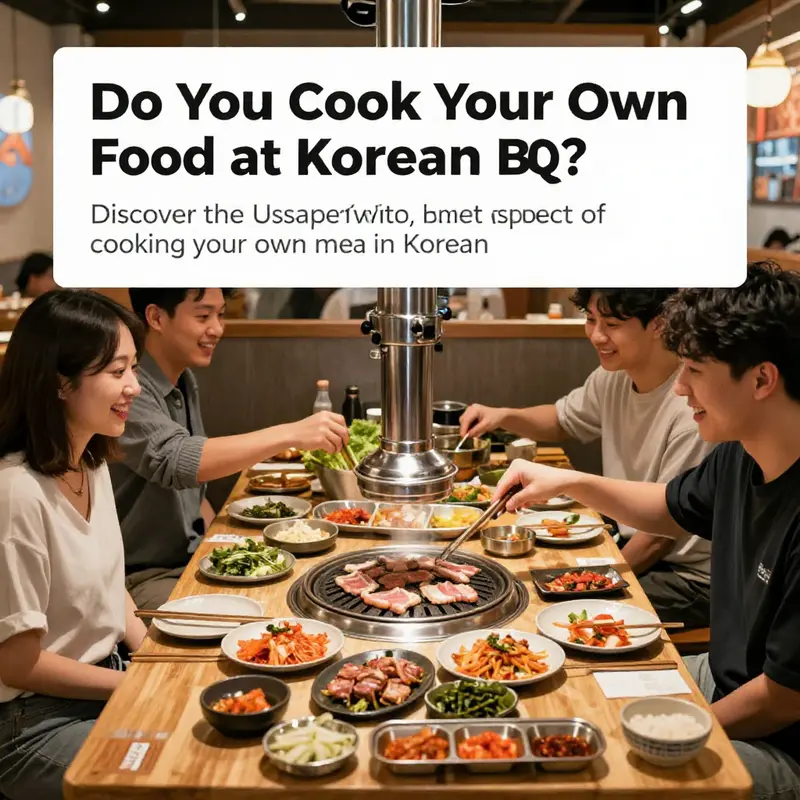
Korean BBQ offers a culinary journey that immerses diners in a unique experience where they have the pleasure of cooking their own food. This interactive dining style is not just a meal; it’s a social gathering that fosters connection and brings people together. This article delves into the three main facets that define the Korean BBQ experience: the hands-on culinary aspect, the cultural significance embedded in this tradition, and the dynamics of dining that enhance patron engagement. Together, these elements underscore why the experience of cooking one’s own food is central to the appeal of Korean BBQ.
Do You Cook Your Own Food at Korean BBQ? The Interactive Sizzle at the Heart of the Experience
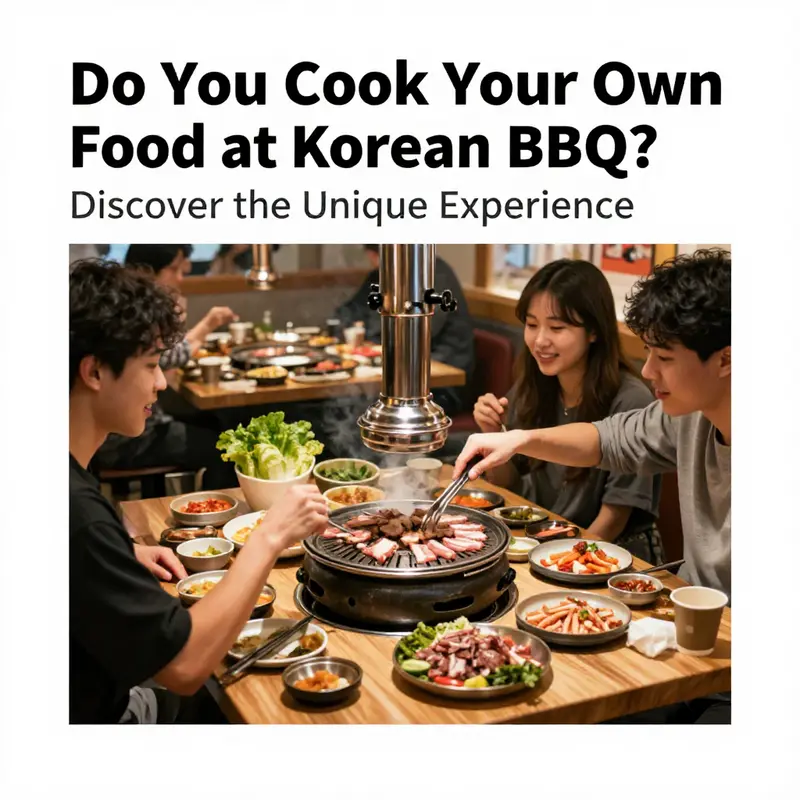
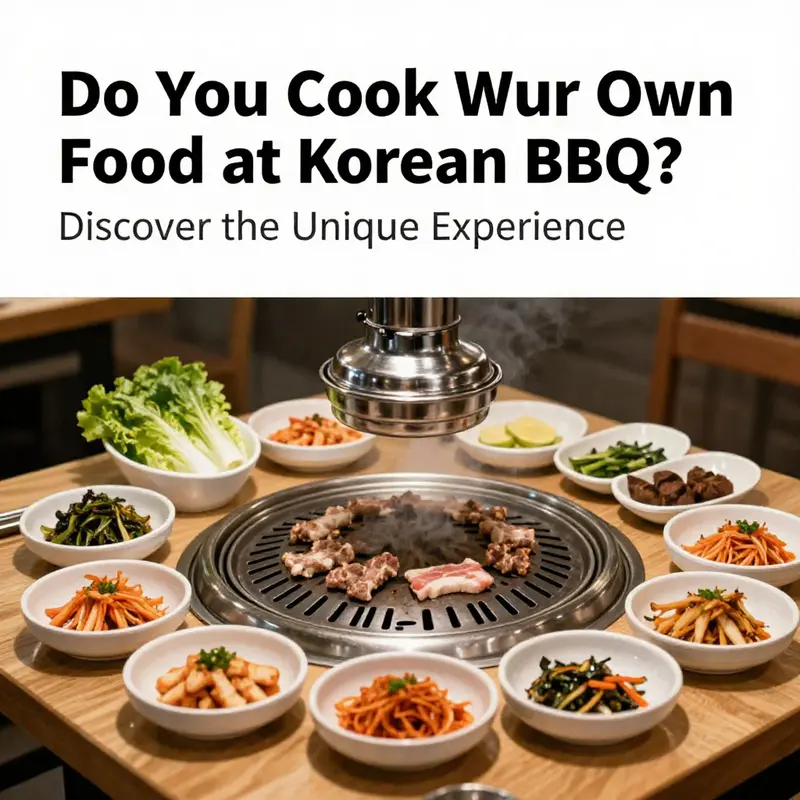
At Korean BBQ, the kitchen comes to the table in a way that few meals do. Before the first bite, the experience is announced by the sound of metal, the scent of garlic and sesame, and the sight of raw, glistening slices arranged in neat portions. The core ritual is simple yet defining: you cook your own food. Not through a pass of chefs, but under a shared canopy of heat, friends and family taking turns to sear, flip, and time each cut to its preferred doneness. This is more than cooking; it is a social choreography that binds guests to the moment and to each other. The grill sits at the center of the table, often a compact unit with infrared or charcoal heat, designed to deliver steady, high heat without a smoke-filled kitchen. The raw materials arrive on platters—bulgogi, galbi, and sometimes unmarinated cuts like samgyeopsal—alongside a chorus of banchan, lettuce leaves, rice, and a suite of dipping sauces.
With the first sizzle, the dining party participates in a micro-drama of heat and timing. You choose a piece, lay it on the grill, and watch it transform from pink to seared brown. The grill surface is designed to maximize contact, searing the exterior quickly while keeping the interior moist. The marination level matters: bulgogi often comes ready to go, its garlic-sweet aroma filling the air, while galbi invites a longer stay on the heat as its bone-in structure yields deeply caramelized edges. A diner learns that the experience is about bringing the plate to your mouth through your own hands. The grill becomes a stage, utensils become conductors, and the rhythm—tossing a hot bite here, waiting a moment to rest there—creates a cadence you feel in your lungs and your stomach alike.
Beyond technique, the social texture of Korean BBQ is inseparable from cooking. Friends trade turns to handle the tongs, cousins compare sear marks, and younger guests learn patience by watching the flame and listening to the sizzle. This is a reason to celebrate: a birthday, a reunion, a lively dinner. The shared moment becomes a memory that echoes in conversation long after the last bite. The interactive element transforms a meal into a shared event rather than simple consumption of food. The diners become active participants in flavor development, adjusting salt and dipping sauces by taste, and selecting which bite deserves the last touch of heat before wrapping it for a final bite. The fragrance of garlic and chili lingers, a scent reminder that you have chosen speed and precision in equal measure.
After a piece reaches the right level of sear, the ritual of wrapping begins. A crisp leaf of lettuce or a shard of perilla becomes the vessel for a morsel of meat, a dab of ssamjang, a sliver of garlic, perhaps a shred of onion pickled in vinegar. A small spoon of rice is often the quiet counterbalance, providing starch to cleanse the palate before the next bite. The wrap, known as ssam, is a universal language here: a compact bite that holds the complexity of umami, heat, and freshness in a single mouthful. Even the simplest cuts shine when framed by crunch and greens, because the act of wrapping slows the pace and invites conversation. You learn to preserve the integrity of a piece while still savoring the communal experience—the sense that your plate travels around the table as much as your conversation does.
For those new to the concept, the novelty can feel odd at first. In Western grilling, a chef might deliver a finished dish, and you would eat. Here, you steer the moment. You control the level of doneness, the crispness of the edges, and the exact moment you decide a bite has reached its peak. There is a brief learning curve: understanding how long a thin slice of beef needs on a hot surface, when to flip to avoid overcooking, and how to balance quick, small bites with longer-marinated pieces. The payoff is immediate: you eat food hot, fresh from the grill, with a satisfying sizzle echoing around the table. This immediacy forms a memory that many diners carry back to their homes, where they imagine their next chance to cook and share in the same spirit.
Within this participatory format lies a cultural thread that anchors the entire experience. Korean culinary practice emphasizes balance—between meat and greens, between spicy and mild, between the heat of the grill and the coolness of a fresh leaf. The set of side dishes, or banchan, invites a spectrum of textures: crisp kimchi, pickled vegetables, radiant sesame oil, and sesame seeds. The dipping sauces—ssamjang and others—offer a layered heat that can be adjusted bite by bite. You learn to pace yourself, to respect the communal pace as well as your own appetite. The shared sequence—from raw platter to sizzling grill to wrap and bite—becomes a thread you pull through the evening, weaving conversation, laughter, and the satisfying crackle of color and scent that defines the meal.
Those curious about how the setup translates to different dining venues can imagine the same ritual adapted for homes, event spaces, or dedicated grill tables. The core principle remains: the table becomes the kitchen, and the kitchen becomes the stage for social connection. In places where the experience is marketed as all-you-can-eat, the emphasis on cooking at the table takes on an added dimension of abundance and time together. It’s not merely about consuming more; it’s about extending the pleasure of watching meat transform, sharing judgments of optimal bite size, and savoring the moment when a platter of raw meat finally yields to a chorus of satisfied cheers as everyone reaches a natural finish. For readers seeking practical context, consider exploring this kind of all-you-can-eat dynamic online at one guide: all-you-can-eat-korean-bbq-oakland.
External resource: Technical Guide to Korean BBQ Grill Table.
null
null
Sizzle and Social: The Self-Cooking Heartbeat of Korean BBQ Dining
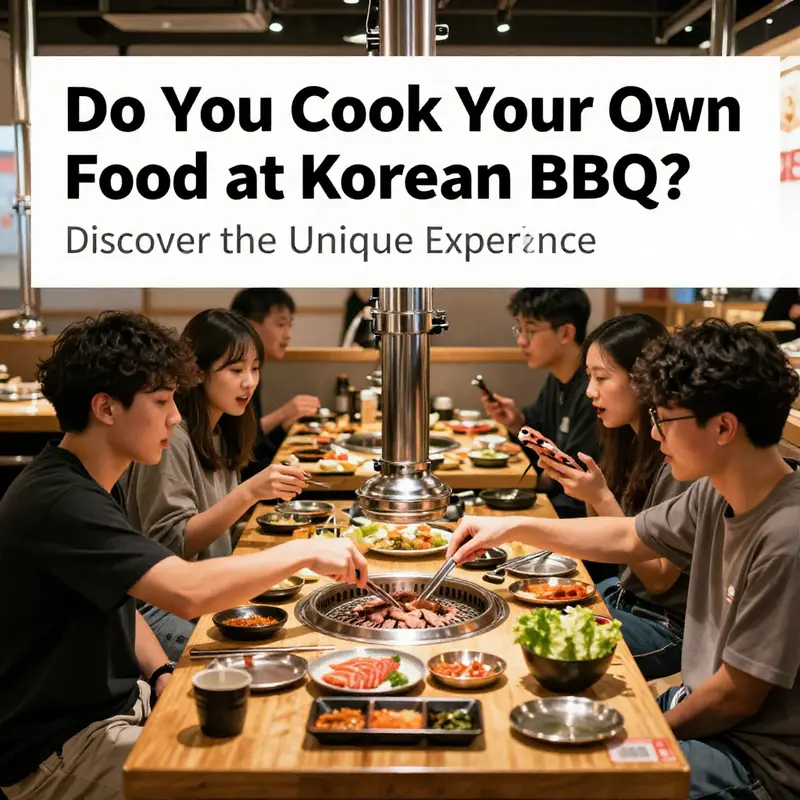
The moment you sit down at a Korean BBQ table, you step into a dining experience where heat, aroma, and conversation fuse into a single, shared ritual. The tabletop grill is more than a cooking surface; it is the host of the evening, inviting everyone to participate in a playful, deliberate act of nourishment. At most Korean BBQ spots, the grill sits at the center of the table, often powered by infrared or another heat source that delivers a steady, high heat with a precise crown of control. Raw, marinated cuts arrive on platters like small invitations to create something fresh and delicious in real time. The options vary, but the pattern remains the same: you decide when to place the meat on the hot surface, you monitor the sizzle, and you decide when it’s ready to come off and into a wrap or a bite-sized bite. This participatory format is not an afterthought; it is the defining feature that threads together flavor, timing, and togetherness on a single, live stage.
The meats themselves orbit a familiar trio of stars. Bulgogi, marinated beef that perfumes the air with garlic and sweet soy, arrives thin and ready to kiss the heat and curl at the edges. Galbi, the marinated short rib, comes with ribbons of fat that render as it sears, lending depth to the meal with a caramelized edge. Samgyeopsal, those thick slabs of pork belly, invites a little more watchful cooking, because its fat layers can render quickly if left unattended. Each slice or bite invites a new moment of judgment: a few moments longer for a deeper char, or a quick flip to preserve juiciness. The grilling itself is tactile theater, and the chef inside the diner learns to read the grill by sound and scent as much as by sight. When the meat hits the surface, you hear a satisfying sizzle, a percussion that marks the rhythm of the meal and cues the pace of everybody’s conversation. The air thick with garlic, sesame, and gochujang whispers offers of what’s to come, and your table becomes a gallery of small performances—plates rotate, tongs glide, and the cook in each seat becomes a conductor of taste.
Yet the act of cooking is only part of the story. A core component is the way raw meat is transformed into a bite-sized, flavorsome piece in moments, then wrapped with leaves and sauces for a final, personal flourish. Lettuce leaves and perilla leaves become edible spoons, cradling morsels of meat with a dab of ssamjang, a smear of garlic, and sometimes a sliver of fresh green onion. The wrap is not merely a vessel; it’s a Personal Dining Ring, a tiny ritual that combines textures and temperatures—crisp leaf, seared meat, cool rice, and a kick from gochujang—into a single mouthful. This structure—the quick sear, the wrapping, the bite—makes the meal feel intimate and immediate. It is freshness in motion, because every piece is eaten almost as soon as it is cooked, preserving the full brightness of flavor and the sensation of heat on the tongue. Some diners even treat the process as a performance, trading tips on the best sear times and the most satisfying sauces, turning the table into a collaborative kitchen with a shared audience.
The social dynamic around self-cooking is perhaps its most enduring appeal. You do not passively wait for the plate to arrive; you participate in shaping the dish you are about to eat. Conversations drift between cooking tips, family stories, and the day’s news, and the grill itself becomes a point of convergence. Friends and family gather, taking turns manning the flame, coordinating the pace so that everyone gets a taste of each selected cut while the heat remains evenly distributed. The sense of communal dining is amplified by banchan—the small, bustling array of side dishes that accompany the main event. These items, from tangy kimchi to seasoned vegetables and pickled sides, offer bright counterpoints that refresh the palate between bites or between different meats. The ritual of wrapping a chunk of meat, the crispness of a leek, the bite of a spicy paste, and the clean finish of a leaf all work together to heighten the sense that this is not just a meal but an experience built around shared action.
Even when the scene unfolds in a home kitchen with an electric grill or a compact tabletop unit, the essential heartbeat remains the same: you cook, you taste, you adjust, and you connect. The hands-on nature of Korean BBQ invites a gentle, mindful approach to cooking, one that values freshness and direct interaction with the food. You learn to gauge doneness by color and texture, to time the flip for that perfect sear, and to balance heat with the cooling counterbalance of banchan and rice. The result is a meal that satisfies in layers—the visual appeal of the grill, the aroma of sizzling meat, the satisfying bite, and the warmth of sharing food in good company. In this light, the self-cooking element is not a gimmick but the culinary philosophy behind the cuisine’s enduring charm. For readers curious about the broader landscape of all-you-can-eat options that echo this communal style, one can explore a nearby example that captures how diners engage with the format: All-You-Can-Eat Korean BBQ in San Mateo.
Internally, the experience also serves as a bridge between tradition and contemporary dining culture. The ritual of cooking at the table mirrors long-standing communal dining practices while embracing modern conveniences like precise heat control and quick, responsive service. The atmosphere is rarely solemn; it is lively and participatory, with the grill acting as a communal stage where each person contributes to the evening’s flavor arc. This is how a meal becomes a memory—the sizzle, the laughter, the shared sauces, and the sense that everyone has a say in how the night unfolds. It is easy to see why friends and families return to these tables time and again, not only for the food but for the shared responsibility of cooking and the sense of belonging that comes from doing it together. For those seeking a deeper understanding of grill technologies and how they enable this dynamic in professional settings, a concise technical overview can offer additional context [External resource: Indoor Table BBQ Grills Technical Details].
External resource: For more on the broader dining scene and variations of the self-cooking concept in related venues, readers may also explore related profiles like All-You-Can-Eat Korean BBQ in San Mateo.
External resource: https://www.example.com/indoor-table-bbq-grills-technical-details
Final thoughts
The act of cooking your own food at a Korean BBQ restaurant transcends simple meal preparation; it transforms eating into an engaging and communal experience. It cultivates connections, reflects cultural heritage, and creates memories that diners cherish long after the meal is over. For business owners, understanding the pivotal role of this hands-on cooking experience is essential for enhancing customer satisfaction and promoting a lively dining atmosphere. By facilitating this interactive element, you not only offer a meal but an unforgettable experience that keeps customers returning.