
Korean BBQ is not just a meal; it’s a vibrant cultural experience that brings families and friends together around a table filled with sizzling meats and delectable sides. However, for pregnant women, the allure of feasting on this culinary delight can often collide with concerns about safety and health during pregnancy. The question arises: Can one enjoy the rich flavors of Korean BBQ while prioritizing the well-being of both mother and child? As expectations rise for innovative food choices during pregnancy, it is essential to navigate the complexities involved in consuming Korean BBQ.
While this beloved dish is deeply rooted in South Korean traditions, it comes with specific considerations that expectant mothers should keep in mind. The nature of Korean BBQ-often involving raw meats and the social interactive cooking at the table-signals the need for heightened attention to food safety. Uncooked meats can pose risks of foodborne illnesses that could adversely affect both the mother and developing fetus. Health experts suggest that expecting mothers should approach their food choices with care and diligence, making informed decisions about what is safe to eat.
Notably, the cultural appeal of Korean BBQ lies not only in the unique flavors but also in the communal aspect of sharing meals, making it an event to be cherished. The challenge becomes how to enjoy this experience while adhering to necessary safety precautions. Join us as we explore the intersection of Korean BBQ and pregnancy, uncovering ways to relish this culinary tradition without compromising health.
Risks Associated with Eating Korean BBQ While Pregnant
Eating Korean BBQ can be an enticing culinary experience, but pregnant women should be aware of specific risks involved with certain foods commonly served at such establishments. Here’s a list of potential concerns and safety precautions regarding Korean BBQ during pregnancy:
-
Raw or Undercooked Meat: Many items in Korean BBQ are served raw, including beef, pork, and poultry. Consuming undercooked or raw meat poses a significant risk of foodborne illnesses, such as Listeria and Toxoplasmosis, which can be particularly harmful during pregnancy.
-
Foodborne Illnesses: Beyond raw meat, there is always a risk of cross-contamination in Korean BBQ restaurants due to the communal cooking style. High bacteria levels can be found if proper food safety guidelines are not followed, leading to foodborne illnesses that can affect both the mother and the baby.
-
High Sodium Content: Korean BBQ dishes often contain high levels of sodium due to marinades and dipping sauces. Excessive sodium intake can lead to increased blood pressure and swelling, which are concerns during pregnancy.
-
Possible Allergens: Some marinades and sauces may contain allergens such as soy, tree nuts, or sesame. Pregnant women should be cautious and aware of their allergies to avoid adverse reactions.
-
Under-cooked Seafood: For those who enjoy grilled seafood options, under-cooked fish and shellfish can be particularly dangerous as they may harbor harmful bacteria and parasites, such as Vibrio or Salmonella.
-
Charred and Burnt Meats: Cooking meat at high temperatures can lead to the formation of harmful compounds, such as heterocyclic amines (HCAs), which may be linked to an increased risk of cancer. Pregnant women are advised to limit their intake of charred meats, which are prevalent in Korean BBQ.
-
Excessive Fat Intake: Some Korean BBQ meats are high in fat. Consuming a high-fat diet can lead to gestational diabetes or excessive weight gain, affecting the health of both the mother and the baby.
Given these risks, it is crucial for pregnant women to ensure the safety of the food they consume in Korean BBQ restaurants. Learn more about food safety practices and make informed choices while dining out.
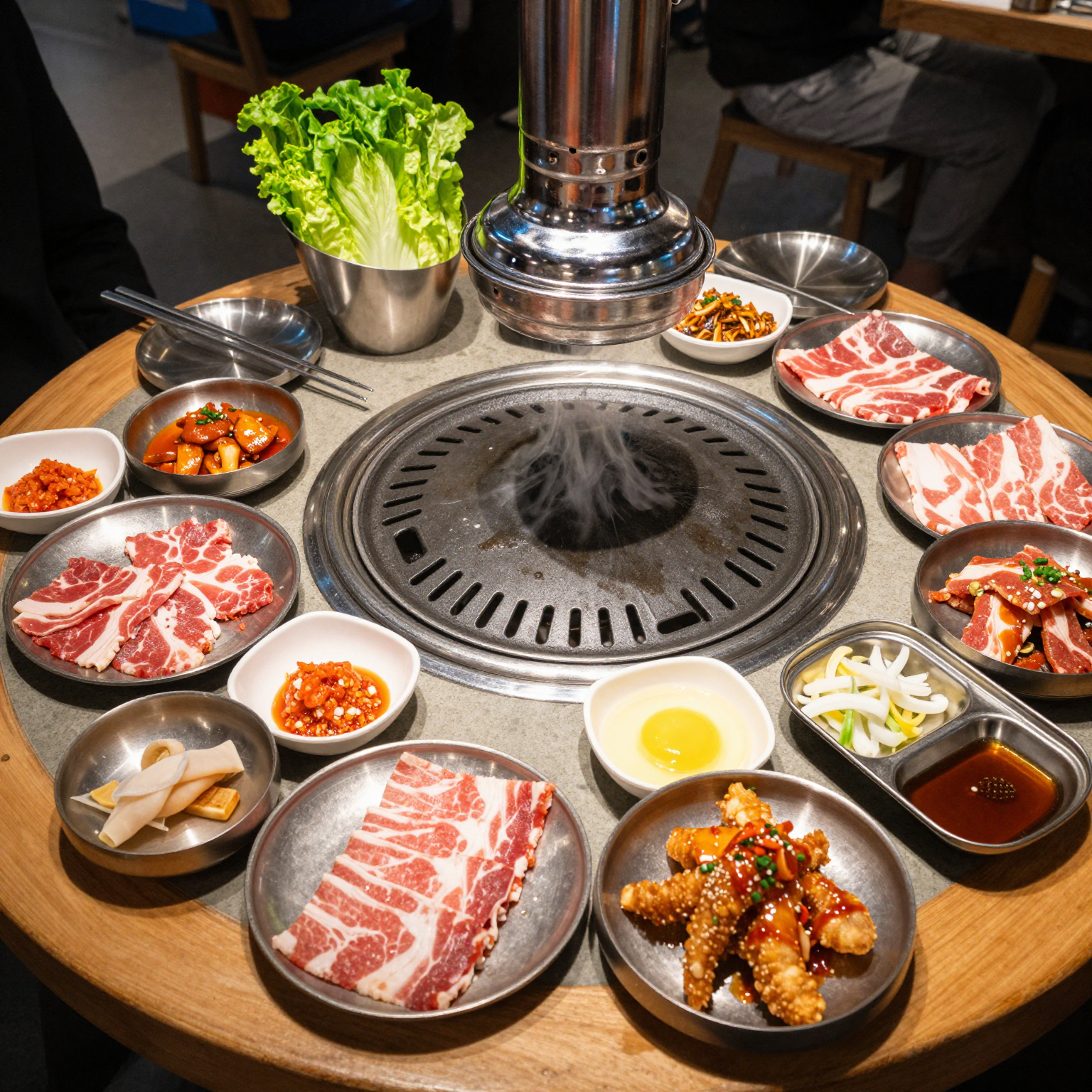
Safe Food Practices for Pregnant Women at Korean BBQ Restaurants
Eating out during pregnancy can be a delightful experience, especially at places like Korean BBQ, where cooking at the table creates a social and interactive dining experience. However, pregnant women need to prioritize food safety to ensure both their health and the health of their unborn babies. Here is a detailed outline of safe practices to follow during your visit.
1. Choose Well-Cooked Meats
One of the most important practices for pregnant women when dining at Korean BBQ is to insist on well-cooked meats. This includes requesting all types of meat-beef, pork, and chicken-to be grilled thoroughly until the internal temperature reaches at least 165°F (73.9°C). Undercooked meats can harbor harmful bacteria such as Listeria and Salmonella. To minimize risks, avoid dishes that feature raw or rare meats, which are common in BBQ cuisine, especially sashimi or steak cooked rare (CDC food safety guidelines).
2. Avoid Certain Dishes
Certain ingredients are off-limits for pregnant women, including:
- Raw Fish: This is particularly crucial as raw seafood can carry Listeria and other pathogens.
- Unpasteurized Products: Avoid sauces and dips that may be unpasteurized, such as some kimchis.
- Runny Eggs: Eggs should be cooked until both the white and yolk are firm.
3. Understand Food Safety Regulations
Be aware of food safety practices that restaurants are expected to follow. Pregnant women should inquire about how the restaurant handles food preparation. Ask the staff about their food safety measures, such as ensuring cleanliness in utensils and grills used for cooking. One tip is to ask for the grill to be cleaned before cooking your food, especially if other customers have used it for raw meats (Mayo Clinic).
4. Maintain Personal Hygiene
Maintaining personal hygiene is crucial in preventing foodborne illness. Be sure to wash your hands before handling any food and use separate utensils to avoid cross-contamination. Using personal serving tongs can also help minimize risks associated with shared utensils.
5. Communicate with Staff
Don’t hesitate to communicate your dietary needs and concerns to the restaurant staff. They are there to assist you and can often help accommodate your requests for food safety. For instance, discuss your preferences for well-cooked items or ask specific questions about the dishes being served.
In conclusion, by following these safe food practices, pregnant women can enjoy Korean BBQ while prioritizing their health. This not only enhances the enjoyment of dining out but also ensures a safer dining experience for expectant mothers.
Can You Eat Korean BBQ While Pregnant? Insights from Experts
Pregnant women often have concerns about what they can and cannot eat, and Korean BBQ is one area that raises questions. Experts, including nutritionists and obstetricians, provide valuable insights into safely enjoying Korean BBQ during pregnancy while maintaining a balanced diet. According to various health sources, it is possible to integrate Korean BBQ into a pregnancy diet with proper precautions and mindful choices.
Key Recommendations:
-
Cooked Meat is Essential: It is crucial to avoid raw or undercooked meats to prevent foodborne illnesses such as Listeria or Salmonella. Experts recommend thoroughly cooking meats to an internal temperature of at least 71°C (160°F) before consumption.
-
Focus on Quality Proteins: Registered dietitians suggest opting for well-cooked beef, chicken, or tofu, paired with an abundance of vegetables. This combination offers essential nutrients beneficial for pregnancy, including proteins, iron, and vitamins.
-
Sodium Awareness: Korean BBQ often involves soy sauce and other salty condiments which can contribute to high sodium intake. Pregnant women are advised to monitor their sodium levels, as excessive salt can increase the risk of high blood pressure and preeclampsia during pregnancy. Choosing low-sodium sauce alternatives and including fresh vegetables can help maintain a healthier nutrient balance in meals.
-
Moderation and Balance: While Korean BBQ can be enjoyed as an occasional treat, it should not become the mainstay of a diet. Experts recommend including a variety of foods rich in folate, iron, and zinc, which support fetal growth and development. Incorporating fermented foods like kimchi, known for their probiotic benefits, can also enhance health during pregnancy.
-
Consult Professionals: Expecting mothers should always consult their healthcare providers about their dietary choices. Personalized advice can cater to individual health needs, especially regarding maintaining a balanced intake of nutrients.
In conclusion, with careful selection and preparation, pregnant women can safely enjoy Korean BBQ as part of a varied diet. Always ensure that meals are prepared with food safety in mind, and strive for a diverse array of foods to support overall health during this crucial time.
| Dish | Calories | Protein (g) | Sodium (mg) |
|---|---|---|---|
| Grilled Bulgogi | 230 | 25 | 600 |
| Samgyeopsal (Pork Belly) | 320 | 20 | 750 |
| Chicken Bulgogi | 210 | 27 | 550 |
| Galbi (Short Ribs) | 270 | 28 | 700 |
| Grilled Beef (100g) | 240 | 26 | 680 |
| Grilled Pork (100g) | 310 | 18 | 820 |
Safe Alternatives to Traditional Korean BBQ for Pregnant Women
Enjoying Korean BBQ is a delight, but when it comes to dining out while pregnant, choosing safe options is crucial. While traditional BBQ often revolves around grilled meats, there are numerous alternatives that not only align with cultural preferences but also adhere to food safety guidelines, ensuring health for both the mother and the unborn child. Below are some Korean BBQ alternatives tailored specifically for pregnant women.
1. Grilled Meats (with Caution)
Although raw or undercooked meats are off the table, well-cooked varieties such as bulgogi (marinated beef) and galbi (short ribs) can still be enjoyed. Ensure these meats are then cooked thoroughly, reaching an internal temperature of 145°F (63°C). Most restaurants will gladly accommodate requests for cooked-to-order meats, allowing diners to experience the flavors without compromising safety. For more about various meat options, check out our Korean BBQ menu.
2. Fresh Vegetables and Side Dishes
Korean cuisine is rich in vegetable-based dishes that are not only nutritious but also safe for pregnant women. Enjoy steamed or stir-fried vegetables such as broccoli, spinach, or zucchini. Pair these with kimchi (ensure it is pasteurized if store-bought) for added flavor and probiotics. Fresh salads, particularly those dressed with vinegar or sesame oil, can also be excellent choices, providing both flavor and nutrients with minimal risk.
3. Steamed Rice and Noodles
Steamed rice is a staple at Korean meals and serves as a perfect base for many dishes. It is safe and easy to digest. For a twist, opt for jjajangmyeon (noodles in black bean sauce) using well-cooked ingredients. Make sure that any sauces used are low in sodium and preservatives to maintain healthiness.
4. Soups and Stews
Consider exploring sundubu jjigae (soft tofu stew) or kimchi jjigae (kimchi stew), both of which can be made with plenty of vegetables and protein (like chicken or tofu) while ensuring that everything is cooked thoroughly. These hearty meals not only provide warmth but also can contribute beneficial nutrients for expecting mothers.
5. Safe Protein Alternatives
Instead of focusing solely on red meat, explore leaner options like chicken or fish that are low in mercury, such as salmon. These options provide essential fatty acids beneficial for fetal development. Be sure to confirm that the fish is fully cooked and free from contaminants for optimal safety.
Conclusion
Dining out during pregnancy does not have to mean skipping your favorite cuisines altogether. By carefully selecting safe options from the menu, pregnant women can continue to enjoy the essence of Korean BBQ while prioritizing their health and safety. Always communicate with restaurant staff about food preparation methods to ensure that dishes meet your needs. For those looking for unique dining experiences, check out our guide to various Korean BBQ locations!
Be mindful of your choices, and you’ll be able to experience delicious meals without worry!
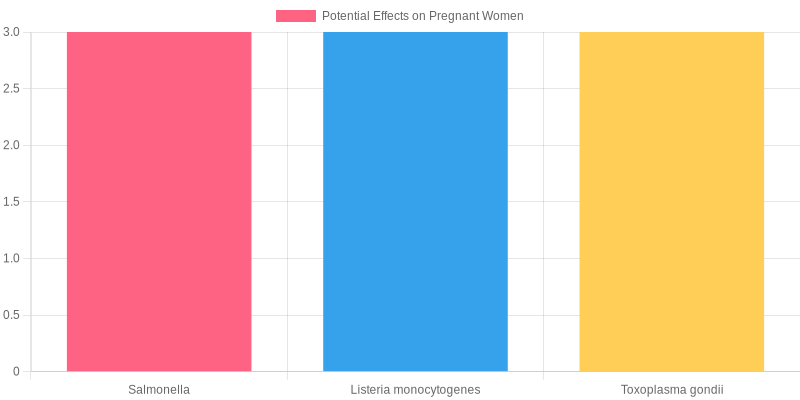
Common Foodborne Pathogens Related to Undercooked Meats
Food safety is particularly crucial for pregnant women, as consuming undercooked meats can lead to serious health issues for both the mother and the baby. Below is a chart illustrating common foodborne pathogens associated with undercooked meats and their potential effects on pregnant women.
Key Insights
- Salmonella: Commonly associated with undercooked poultry and meats. Infection can lead to increased risks of miscarriage and severe gastrointestinal illness in the mother.
- Listeria monocytogenes: Found in undercooked deli meats and unpasteurized dairy. It poses a high risk for miscarriage and severe health issues in the newborn.
- Toxoplasma gondii: Linked to undercooked meats and can cause severe birth defects or miscarriage.
For more information on food safety, visit the CDC’s guide to listeria and pregnancy or the WHO’s factsheet on toxoplasmosis.
As you consider dining out during pregnancy, it’s essential to focus on food safety. As stated by the American College of Obstetricians and Gynecologists (ACOG):
“Pregnant women should avoid undercooked or raw meats and seafood when dining out, including at Korean BBQ restaurants. Ensure all meat is cooked to safe internal temperatures, and choose reputable restaurants with proper food handling practices.”
Read more about food safety during pregnancy.
This advice is crucial for enjoying Korean BBQ safely while pregnant. You can relish the flavors by opting for fully cooked dishes, ensuring a tasty yet safe experience. For a complete Korean BBQ experience, make sure to check out our Korean BBQ menu that features delicious cooked items that are pregnancy-friendly.
Conclusion
In conclusion, while enjoying Korean BBQ during pregnancy can be a delightful experience, it comes with several risks that require awareness and careful management. The primary concerns involve the potential for foodborne illnesses from undercooked meats, which can lead to serious complications like miscarriage or preterm labor. Safe cooking temperatures must be observed-ground beef should reach an internal temperature of 160°F, while pork should be cooked to at least 145°F. It is essential to avoid rare or raw meats and be cautious with unpasteurized sauces and side dishes, including kimchi, that may not have undergone thorough fermentation. Moreover, excessive sodium from marinades can lead to further health complications, so moderation and informed choices are paramount.
Safety practices for pregnant women dining on Korean BBQ include:
- Opting for fully cooked meats: Always ask for well-cooked options, and if possible, choose lean meats to minimize health risks.
- Avoiding high-sodium sauces: Choose fresh, safe sides like grilled vegetables and lettuce wraps.
- Maintaining hygiene: Inquire about the restaurant’s food preparation standards to ensure a safe dining experience.
For those not comfortable with dining out, consider preparing Korean BBQ at home where you can control the ingredients and cooking methods. This not only ensures safety but allows for healthier choices, such as opting for lower sodium dips and focusing on plant-based sides.
Ultimately, making informed food choices during pregnancy is crucial. Expectant mothers must prioritize their nutrition to support fetal growth and their overall well-being. To further assist in addressing your safety and dietary needs, we encourage you to contact Zoomlion for expert guidance and resources tailored to pregnant women. Your pregnancy is a vital time for both your health and your baby’s, so making safe, nutritious choices is more important than ever.