
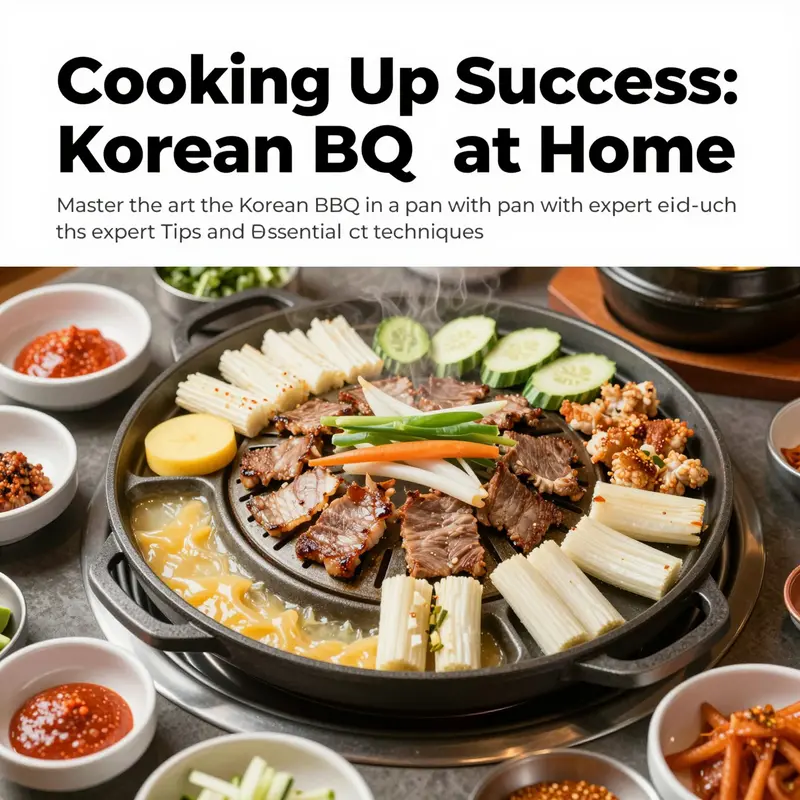
Korean BBQ is not just a beloved cuisine; it’s a culinary experience that brings people together over sizzling meat and vibrant flavors. For business owners in the food industry, especially those considering expanding their menu offerings to include popular dishes like Korean BBQ, understanding how to cook this delicacy in a pan can open doors for both dine-in and takeout opportunities. In this guide, we will explore three critical aspects: successfully cooking Korean BBQ in a pan, essential ingredients to achieve authentic flavor, and the best techniques that ensure a mouthwatering result. By gaining insights into these areas, you can potentially enhance your culinary repertoire, appeal to a diverse customer base, and create unforgettable dining experiences.
From Skillet to Sizzle: Mastering Korean BBQ in a Pan
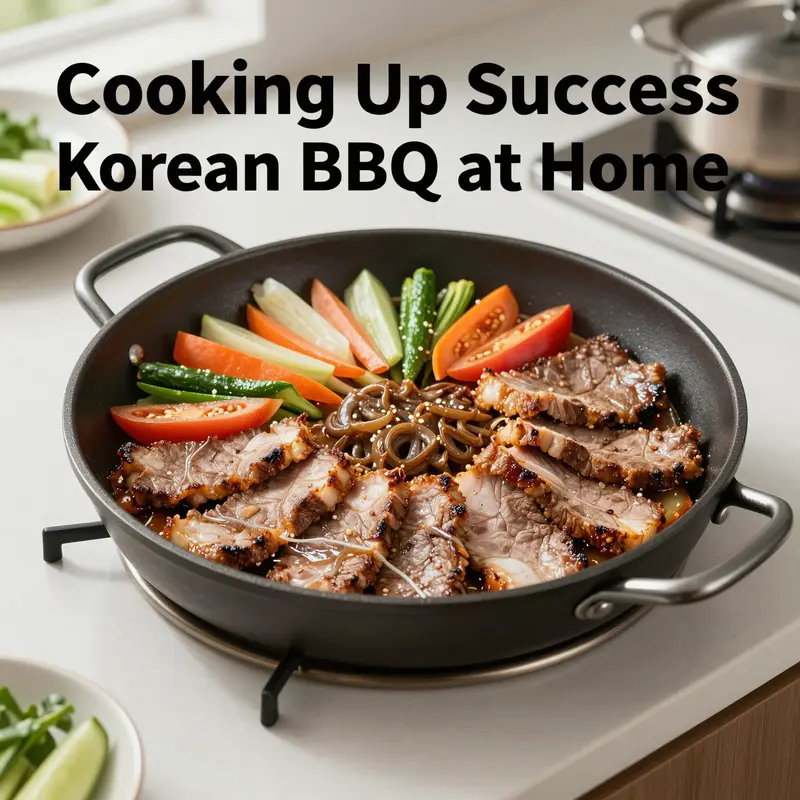
When the craving for Korean BBQ hits but an outdoor grill isn’t in reach, a hot pan can still deliver the signature balance of char, tenderness, and bright, savory dressing. The magic lies in treating the pan like the grill you don’t own, guiding the meat through steady heat, just enough caramelization, and a marinade that carries classic Korean flavors without overpowering the beef or pork. With a little prep and patience, you can recreate that intimate, interactive dining experience right on your stove.
Begin with the meat, the foundation of any pan-cooked Korean BBQ. Choose thin slices of pork belly, beef ribeye, or sirloin, aiming for a uniform 2–3 millimeters in thickness. The thin cut cooks quickly, developing that coveted crust while remaining juicy inside. For a touch of tenderness, some cooks briefly soften the surface with a splash of soda water before marinating. This gentle tenderizing step loosens muscle fibers without compromising structure, especially when you’re aiming for quick, shallow sears rather than long braises. The meat should be ready to take on a bold flavor, yet still sing with its own natural savor.
The marinade is where the dish becomes distinctly Korean. A balanced blend anchors the sweetness, salt, heat, and fruitiness that keeps the meat juicy. A simple yet reliable profile can be built from soy sauce for salt and depth, gochujang or red pepper flakes for heat and color, a touch of sesame oil for aroma, and a grated pear or pear juice for tenderness and subtle fruitiness. Garlic and ginger provide the backbone, while a little sugar or honey helps the glaze cling and caramelize. Optional kimchi juice can add a tangy tang that deepens the profile, and a splash of rice wine or mirin can lift the aroma. The key is to massage everything evenly so each slice carries its share of the marinade. Then, let the meat rest in the fridge for at least two hours, ideally overnight, so the flavors penetrate every edge of the cut.
When you’re ready to cook, heat a heavy-bottomed pan—cast iron or a sturdy non-stick works best—over medium to medium-low heat. A common mistake is to crank the heat up fast, which can burn the surface before the interior has a chance to cook. If you’re using lean cuts like sirloin, a small amount of neutral oil can help with searing, but pork belly is generous enough to render its own fat, so you may skip oil altogether. Lay the marinated slices in a single layer without crowding; you’ll likely need to cook in batches to preserve a crisp crust. Let the first side sear untouched for about 2–3 minutes, until it develops a golden-brown, slightly crispy edges. Then flip once and cook the other side for another 2–3 minutes. Resist the urge to flip repeatedly; too many turns interrupt the crust formation and can squeeze out juices.
As the fat renders from the meat, you’ll see the pan begin to shimmer with its own juices. A practical trick is to spoon off excess grease every few minutes. This keeps the surface from becoming greasy and helps the meat brown rather than steam. In the final minute of cooking, brush the cooked side with a tiny mix of leftover marinade, soy, sesame oil, and a touch of sugar to intensify color and glaze. If you want extra aroma, add a quick handful of sliced onions, bell peppers, or garlic toward the end so their sugars caramelize and mingle with the meat’s drippings. These aromatics don’t just taste good; they also brighten the pan’s scent, hinting at the sizzling grills of a restaurant kitchen.
Serving Korean BBQ from a pan invites a playful, communal setup. Arrange crisp lettuce or perilla leaves, kimchi, pickled radish, and fresh rice beside the meat. The experience thrives on wrapping: place a bite on a leaf, add a dab of sauce and a few greens, then roll into a neat pocket. A simple dipping sauce—soy sauce balanced with sesame oil, a pinch of sugar, and black pepper—complements the meat without stealing its main character. If you want a healthier note, venture into parchment paper beneath the meat to catch drippings and cut down on smoke, a tip some modern cooks employ to keep the kitchen air clearer.
For further guidance and a tested, authentic approach, readers may explore a local example that aligns with this method: Korean BBQ in Moreno Valley. It offers a relatable template that mirrors the pan technique while emphasizing how a balance of heat, timing, and marination yields reliable results. Integrating those lessons with your own kitchen setup will help you refine your browning, mooing pull of flavor, and the texture that characterizes a true pan-kissed Korean BBQ.
A few closing notes help ensure success: don’t rush the heat; give the meat time to crust; marinate long enough for depth; and use fresh ingredients for brighter aroma and color. You can reuse rendered fat to sauté potatoes or tofu later, turning the leftovers into a vibrant, savory side. The goal isn’t to imitate an outdoor grill perfectly but to translate its core tactics—high-contrast sear, layered flavor, and a lively sauce—into a practical, satisfying indoor technique. And while the flavor can astonish with a skillet, the real delight stems from letting each slice carry its own story of salt, sweetness, and smoke-kissed crust, all in harmony with the crisp greens that wrap it.
External resource: https://www.bbcgoodfood.com/recipes/korean-bbq-beef-in-pan
Aromatic Foundations: Essential Pan-Ready Ingredients for Korean BBQ
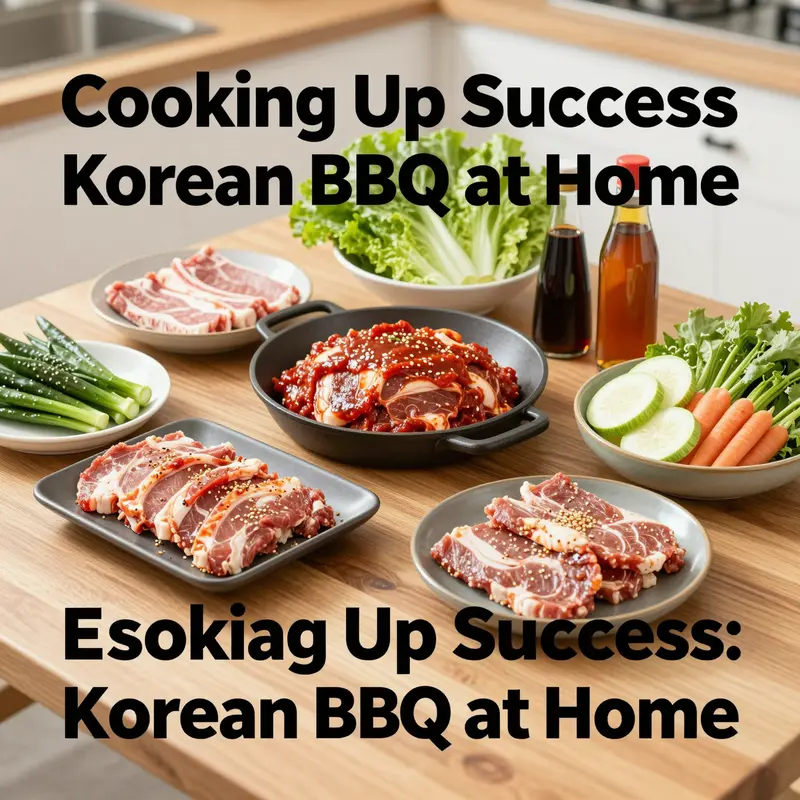
Cooking Korean BBQ in a pan begins with a small, precise ensemble of ingredients that carry the signature balance of savory, sweet, spicy, and umami. The star is gochujang, a fermented chili paste that brings heat with depth. Its complex sweetness and tang come from fermentation, giving the sauce a backbone that a mere chili powder cannot provide. Ganjang, the Korean soy sauce, anchors the profile with salt and a deep umami undertone, offering savoriness without overwhelming the other flavors. A kiss of sesame oil adds a nutty aroma and a softer richness, enhancing the overall texture of the glaze without becoming heavy. Garlic, freshly minced or crushed, contributes pungent warmth that lingers pleasantly. A touch of sugar or honey balances heat and salt, aiding caramelization as the meat hits a hot pan. Then there is the tenderizing lift from Asian pear or kiwi puree. These fruits harbor enzymes that gently break down proteins, helping to keep slices juicy even when cooked quickly in a skillet. Together these core ingredients form a melody rather than a collection of notes, allowing the marinade to work harmoniously during a brief, high-heat sear indoors. The goal is to craft a sauce that clings just enough to the surface to seal in moisture, while letting the meat’s own character shine through.
Beyond the foundational trio, a few supportive elements deepen the sauce and reinforce texture. A splash of rice syrup or mirin can add gloss and a touch more sweetness, encouraging a glossy finish as the surface caramelizes. Toasted sesame seeds sprinkled at the end provide a tiny burst of crunch and a final nutty aroma. If you like brightness, a small amount of vinegar can lift the palate, while a pinch of chili flakes or fresh chilies adds an extra layer of heat for those who crave more intensity. The beauty of this approach is that the marinade should feel like a partner to the meat, amplifying its natural savoriness without masking the grain or moisture inside each slice.
An understanding of texture and aroma can guide practical decisions in the kitchen. Use a non-stick or heavy-bottomed pan that spreads heat evenly, and slice the meat very thin—around 2–3 millimeters—so the marinade saturates quickly and the surface sears into a crisp, flavorful crust in minutes. Fatty cuts, such as pork belly, can render their own fat, reducing the need for extra oil; leaner cuts may benefit from a light brush of oil to ensure even browning. Marinate the meat for at least 30 minutes, up to two hours, in a shallow dish so every surface tastes of the seasoning. When the pan is hot, place slices in a single layer in small batches to avoid crowding, which would steam and dull the crust. Let the first side form a golden crust, then flip once to seal the other side without overcooking. If you want to heighten aroma, toss in sliced onions, green peppers, or extra garlic during the final minute to soften their bite and perfume the pan. This careful choreography—marinade, heat, restraint—results in a pan-cooked Korean BBQ that carries the restaurant’s essence without smoky intrusion indoors.
Serving becomes part of the flavor conversation. Present the meat with fresh lettuce leaves, kimchi, and pickled radish, offering a crisp counterpoint to the fat and spice. A simple wrap—meat, a dab of sauce, and a vegetable pairing inside a leaf—recreates the communal, hand-held joy of a proper barbecue while staying within the home kitchen. If smoke is a concern, a parchment liner under the meat can help catch drippings and reduce flare-ups, preserving clarity of flavor and air quality. The marinade should feel like a bridge between the meat’s own character and the pan’s sear, not a mask over it. For readers seeking a broader, tested pan-cooked guide that echoes these principles, you can explore Korean BBQ in Moreno Valley. Korean BBQ in Moreno Valley.
For those who crave a deeper dive into the science behind these ingredients, a reliable external resource offers a thoughtful examination of fermentation and flavor development in Korean barbecue sauces. The Key Ingredient That Makes Korean BBQ Sauce Irresistible. https://www.seriouseats.com/the-key-ingredient-that-makes-korean-bbq-sauce-irresistible
Pan-Searing Perfection: Mastering Korean BBQ Indoors with Skillet Techniques

Cooking Korean BBQ in a pan can feel like a practical paradox, yet the skillet can deliver the same depth of savor, the same caramelized crust, and a bright balance of sweet, salty, and chile heat that define this cuisine. The path to success isn’t about mimicking a grill but about embracing heat, timing, and careful prep in a compact space. At its core lies a simple idea: high heat, fast cooking, and deliberate assembly so every slice drinks in the marinade without turning greasy. When you approach indoor pan-cooking with patience and a solid plan, you unlock a reliable method for weeknight Bulgogi or galbi-inspired bites that taste restaurant-worthy and come together in minutes. The flavor comes from a combination of a hot surface, well-managed marination, and a lean, technique-driven workflow that keeps the meat juicy and the crust deeply browned.
Choose a pan that holds heat and rewards you with a sear. A heavy-bottomed cast iron or carbon steel skillet is ideal because it drinks up heat and keeps a stable surface long enough to form a crust. Avoid non-stick for high-heat searing; it tends to dull the crust and can release fumes if overheated. Preheat the pan over medium-high to high for at least five minutes. You want a surface that sizzles when meat lands and shimmers with a light haze. A quick test helps: drop two small beads of water onto the pan—if they dance and evaporate immediately, you’re ready. The pan is your heat amplifier, so give it time to settle.
Marinade is more than flavor—it’s tenderness. A classic Korean BBQ sauce blends soy sauce, gochujang, sesame oil, garlic, and ginger with a touch of sugar or honey. Some cooks add pear or apple juice to supply enzymes that help break down proteins and soften the bite. For tenderness and depth, marinate the meat 2–4 hours, or overnight if you’re planning ahead. Slice beef or pork into very thin pieces, about 2–3 millimeters, so the flavors penetrate quickly and the meat cooks in just a moment, creating that characteristic caramelized edge. Patience with slicing matters: uniform thickness ensures even browning and prevents underdone centers.
The cooking itself is all about control. Do not overcrowd the pan; in a crowded crowd the pan’s temperature plummets and the meat steams rather than sears. Lay the marinated slices in a single layer, letting each piece sit until it develops a golden, slightly crispy crust before you flip. Typical sear time is about 1–2 minutes per side, depending on thickness. If you want a lacquered glaze reminiscent of bulgogi, add a splash of the marinade in the last minute to reduce and cling to the meat. But watch sugar—too much can burn and turn bitter. Flip only once to preserve the juices and the crust’s integrity.
Aromatics belong in the final moments of searing, not at the opening. Push the meat to one side, then let minced garlic, ginger, or sliced scallions sizzle in the rendered fat for aroma. Stir them through the pan and briefly mix with the meat to blend the toasty notes with the bright base flavors. This keeps the dish cohesive and aromatic without prolonging the cook time. Serve immediately to capture that contrast between the crusty exterior and a tender interior. Traditional accompaniments—fresh lettuce leaves, kimchi, pickled radish, and steamed rice—turn each bite into a little handheld feast. A dab of ssamjang adds heat and depth, balancing fat with peppery brightness. For a lighter approach, consider parchment paper under the meat to catch drippings and reduce smoke, a small but meaningful trick that keeps the kitchen more comfortable while you sear.
If you’re exploring the broader landscape of pan-cooked Korean BBQ, a related primer can be found at korean-bbq-in-moreno-valley. This reference echoes the same core principles: high heat, careful marination, and rapid, targeted cooking to replicate the restaurant experience indoors without a grill. The method translates across proteins and marinades, inviting you to experiment with different cuts and flavor profiles while staying rooted in the fundamentals of searing, timing, and balance.
With these techniques, indoor Korean BBQ becomes a reliable, flavorful alternative to outdoor grilling. The key is to respect heat, manage the pan, and preserve the brisk tempo that gives Korean BBQ its signature texture. When you pair a properly preheated skillet with a well-balanced marinade and a disciplined cooking rhythm, you’ll find that pan-cooked Korean BBQ is not only doable but deeply satisfying, a home-cooked re-creation that invites you to repeat, tweak, and share.
External resource: Why cast iron is ideal for high-heat cooking. https://www.seriouseats.com/why-cast-iron-is-the-best-pan-for-searing-meat
Final thoughts
Cooking Korean BBQ in a pan not only brings the flavors of this traditional cuisine into home kitchens but also presents an exciting opportunity for business owners to cater to the rising demand for diverse menus. By mastering the art of pan-cooked Korean BBQ, and understanding the essential ingredients and techniques involved, businesses can offer diners an authentic culinary experience that is both convenient and cost-effective. Embrace the simplicity of this cooking style, and consider incorporating these insights into your operations to attract new customers and innovate your restaurant offerings.