
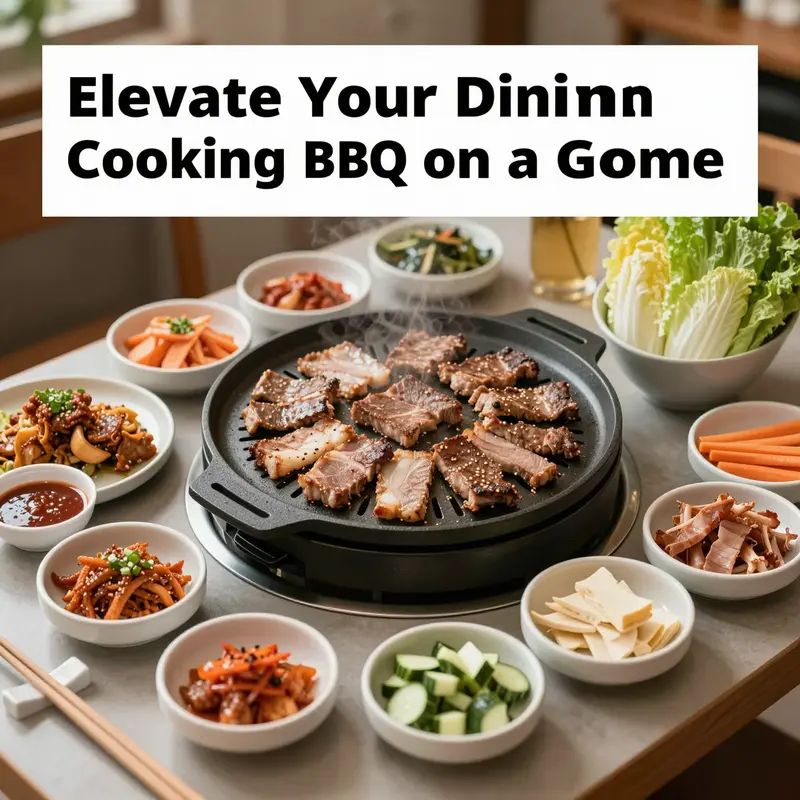
The growing interest in Korean cuisine has made Korean BBQ a popular choice for both restaurants and home cooks alike. The interactive and communal nature of this dining experience offers not just delicious flavors but also an enticing environment for gathering and socializing. For business owners looking to diversify their menu options or enhance their existing offerings, understanding how to effectively replicate Korean BBQ at home using a griddle presents a significant opportunity. This guide will delve into the advantages of utilizing a griddle for Korean BBQ, including safety and efficiency, as well as provide practical techniques that can facilitate a successful cooking session. Each chapter will arm readers with insights and actionable strategies to make their cooking endeavors both enjoyable and rewarding.
Griddle-Driven Korean BBQ: Elevating Flavor, Char, and Community on a Flat Surface
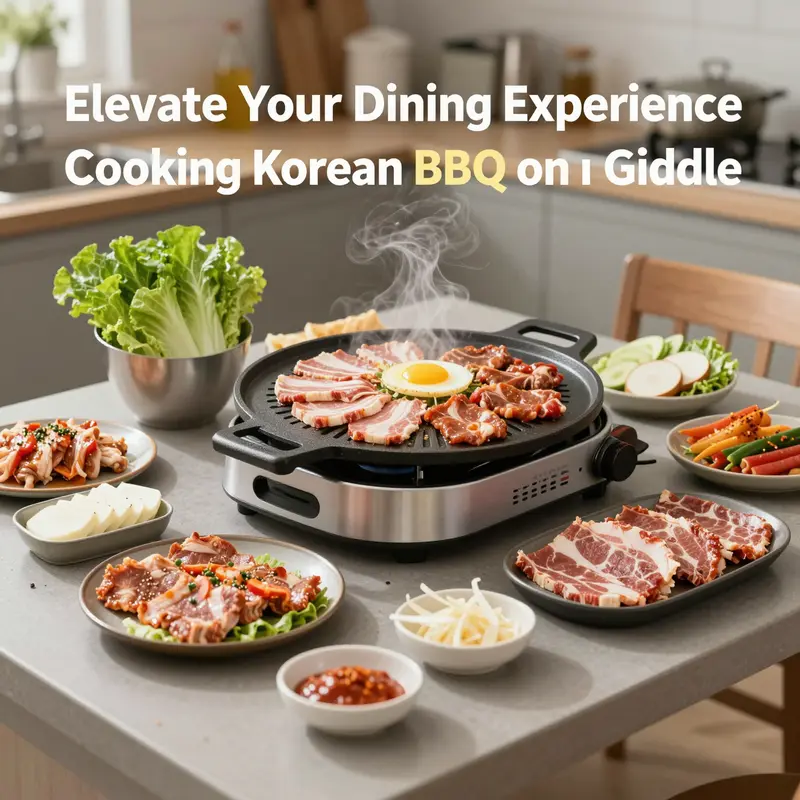
When you picture Korean barbecue, you likely imagine a round tabletop grill, flames kissing meat as friends gather around bowls of banchan and steaming bowls of soup. Yet a modern griddle—especially one designed with a central grease groove or channel—can reproduce a surprisingly faithful, even elevated version of that experience in a home kitchen. The flat, expansive surface translates the restaurant’s high-heat sear and the fast choreography of a shared meal into something approachable and controllable. You don’t need a sizzling open flame in a fire pit to coax the same caramelized edges, the same juicy interior, or the same convivial atmosphere that defines a Korean BBQ night. What you gain with a griddle is predictability, versatility, and safety, all wrapped in a single, family-friendly platform that can handle the center stage and the side dishes with equal aplomb.
Even heat distribution stands out as the first practical advantage. A good Korean-style griddle provides a broad, uniform surface that minimizes the dreaded hot spots you may encounter on thinner pans or on home grill grates with uneven heat pockets. That uniformity matters when you’re searing delicate bulgogi or cooking thicker galbi slices to a perfect mid-rare without overcooking the edges. The Maillard reaction—the caramelization and browning that builds that savory crust—benefits from consistent temperature across the surface. On a griddle, you’re less likely to have a portion of a piece of meat overcooked while another portion remains underdone. The result is a more reliable texture: a supple interior with a crisp, slightly blistered exterior that echoes the bite you’d expect from a grill at a Korean BBQ joint.
The surface’s sheer size is another strategic advantage. A generous, flat plan means you can orchestrate more than one dish at a time without crowding the heat source. Bulgogi can occupy the center stage, sizzling and searing in quick, shallow bursts, while slices of galbi—thicker and slower to render—sit at the edge, slowly drawing heat and releasing fat that bastes without pool overflow. Around these, you can lay down onions, peppers, mushrooms, or even pieces of tofu to pick up the smoky kiss of the grill. This simultaneous versatility mirrors a table full of banchan and main courses in a restaurant setting and reinforces the social joy of the meal. You’re not just cooking; you’re managing a mini-grid of flavors and textures, coordinating timing so each bite lands at peak satisfaction. The multi-dish capability is particularly welcome for family dinners or small gatherings, where one person’s bulgogi should not delay another’s kimchi fried rice or tofu skewers.
Central to the griddle’s value proposition is its safety and grease management. Korean-style griddles often feature a central groove or channel that collects and redirects fat away from the heating elements and away from your cooking surface. This design characteristic is not merely a convenience; it reduces flare-ups and smoke, which can otherwise cloud flavors and tip an evening toward heaviness. The grease channel acts like a built-in safety valve, guiding oils toward a catch tray or a designated area where they won’t threaten the cook or create splatter. This is especially important when you’re cooking marinated meats, which release oil and juices in generous bursts. The result is a cleaner, calmer cooking environment that makes it more enjoyable to manage continuous grilling sessions. You’ll notice fewer interruptions for cleaning or dousing flames, and that flow translates into more seamless conversation and shared tasting moments rather than constant kitchen firefighting.
The griddle’s integrated features also push the experience from grilling into a more interactive dining format. Some models place a small pot or well in the center, a design element that resonates with the traditional Korean table setup where soup or a light broth plays a companion role to the sizzling meat. Imagine grabbing a bit of bulgogi, wrapping it in lettuce with a dab of fermented bean paste, then dipping into a hot, simmering broth for a cleansing contrast—this is not just cooking; it’s a ritual of balance and communal savor. Even if your unit doesn’t have a built-in pot, the center area remains a reminder of that shared pot-or-noodle moment, inviting you to prepare a quick kimchi jjigae or a simple seaweed soup on standby while the main course finishes its caramelized journey. The social dimension—watching the pot bubble, listening to friends trade tips on timing, and serving with tongs and chopsticks passed around the circle—elevates the act of cooking into a festival of eating.
The sensory dimension of griddle cooking is worth pausing over. The circular, open design of many Korean griddles invites a natural rhythm: you bite, you flip, you nudge, you plate, you sip—an ongoing conversation of heat and time. The even surface ensures that the sizzling sound travels in a pleasant, even hum rather than a staccato chorus of sizzle and smoke, and the aroma of garlic, sesame oil, and soy wafts through the room in a way that feels both comforting and celebratory. This ambiance matters as much as the technique because Korean BBQ thrives on presence—on the social act of cooking together and sharing bites in quick succession. A griddle makes that possible in a kitchen where space is at a premium and a traditional grill sits outside or in a larger dining room. In smaller homes, that same circular, inclusive setup fosters the sense that everyone is part of the meal, not merely a spectator to someone else’s sear.
From a practical standpoint, temperature control on modern electric griddles brings another layer of precision to the table. The ability to fine-tune heat means you can tailor your approach to different ingredients in real time. High heat is excellent for sealing bulgogi slices right after marinating, while a lower setting helps you coax tenderness from thicker short ribs or let mushrooms soften without drying out. The same dial can transition from searing to simmering—turning up the flame briefly to re-create that crust, then lowering it to catch the juices in a gentle simmer that keeps the meat juicy. This flexibility is essential when you’re teaching new cooks how to approach Korean BBQ, as it builds confidence and reduces the guesswork surrounding timing. It’s one thing to say that Korean BBQ benefits from a quick, high-heat sear; it’s another to watch the butter-soft bite of a perfectly cooked short rib emerge from the same instrument that browned the vegetables and warmed a pot of broth.
There is also an important consideration about equipment options. If you don’t own a purpose-built Korean BBQ griddle, a high-quality carbon steel or stainless steel griddle pan can still deliver excellent results. Carbon steel heats quickly and develops a natural, durable patina over time, which helps this material become more non-stick with every use. It can stand up to the high temperatures required for a good sear and can be seasoned to form a protective, flavorful layer. They do demand more care than nonstick or fully seasoned cast iron; you’ll want to pre-season, maintain dryness after cooking, and store properly to prevent rust. The surface will change with use, and that change is not a flaw but a sign that the pan is developing its own cooking personality. If you go this route, you should still embrace the communal energy of the grill and lean into the same strategies: dry the meat, pat the marinade lightly, keep fat from pooling in a way that douses the sear, and stay mindful of the amount you crowd on the surface. A crowded grid can collapse the sear and cause steaming rather than crisping, which strips away the signature texture that makes bulgogi sing and galbi glow with caramelization.
In practical terms, transforming a group of raw ingredients into a cohesive, delicious meal on a griddle comes down to a few disciplined steps. Start with well-prepared meat—thin slices or small, manageable pieces that can sear rapidly without long, slow cooking. A light pat-dry after marinating helps the surface crisp and prevents the meat from steaming in its own juices. Marinations for bulgogi typically balance sweet, salty, and umami notes: soy sauce or a similar salty base with sugar or honey for caramelization, minced garlic, sesame oil, a touch of grated pear or kiwi for tenderness, and a little black pepper. These flavors cling to the surface and bloom as they hit that hot surface, forming a glossy lacquer that promises a succulent bite. When the meat hits the griddle, you should hear a clean sizzle, not a loud splatter of moisture. If you hear too much steam, you’re likely crowding or using a surface that’s not hot enough. In response, give the meat room, allow the edges to dry a moment, and then flip with a pair of tongs to develop that even crust. A quick flip, a moment to render fat, and a rest before serving help lock in juiciness and texture.
Beyond the main proteins, the griddle excels at vegetables and quick side experiments that enhance the overall meal. Slices of onion, peppers, and mushrooms can be tossed onto the perimeter to soak up the same smoky sweetness from the meat, and a few sesame seeds can be sprinkled over the vegetables to echo the flavors of the marinades. A separate, quick-fried kimchi side, or kimchi-laced fried rice cooked on the same hot surface after the meat, can complete the circle of taste and temperature in a way that mirrors the sequencing found in many Korean homes. The trick is to manage space and heat so you’re not letting raw vegetables trap steam beneath heavy meat or letting meat juices drown the crisp vegetable edges. If you time your cooking so that the meat comes off the grill just as you finish the last side dish, you create a rhythm where every bite is ready at the same moment, which heightens the communal dining experience.
If you’re curious about the broader universe of Korean grills in home settings, consider exploring related options and ideas in the wider kitchen landscape. For readers who want to dip into a broader conversation about Korean grills and their place in a home kitchen, a related resource worth checking is Korean Grill Kensington. It delves into how different grill designs perform in real kitchens and highlights the balance between professional-style results and at-home practicality. You can explore that discussion here: Korean Grill Kensington.
As you gain more familiarity with the griddle, you’ll notice that your approach to timing and sequence becomes more intuitive. The first batch of bulgogi will likely finish just as the second batch begins to sizzle, and you’ll quickly learn the rhythm that yields consistent results. The central groove continues to function as a quiet, constant reminder to manage the fat. You’ll draw the meats across the surface in a single, confident motion, letting the sauce cling and crust without burning. A good griddle meal does not force you to chase the flames; it invites you to chase flavor through technique and restraint. You finish with a crowd-pleasing array of textures: crisp edges on the beef, a velvet interior, caramelized morsels that melt with the bite, and a chorus of vegetables that carry the same depth of taste. The experience, when done well, is a modern homage to the communal Korean barbecue ritual—a reminder that great meals are built not only on ingredients but on the shared act of cooking together and savoring the moment.
For cooks who want to sustain the tradition while keeping cleanup manageable, the griddle also offers practical benefits. The central grease channel simplifies post-meal cleanup, and many griddles are designed for easy wipe-down after a brief soak. If you choose a non-coated surface, the ongoing conditioning of carbon steel becomes part of the cooking ritual, and you gradually curate a patina that adds character to future sessions. Regular maintenance—seasoning, proper drying, and proper storage—keeps your equipment reliable for years of meals that feel both familiar and fresh. The payoff is not simply about a single dinner; it’s about building a toolkit that makes Korean flavors more accessible, transforming a busy weeknight into a small, recurring celebration of taste and togetherness. The griddle becomes more than a tool; it becomes a stage, a gathering space, and a catalyst for evolving technique and shared memory. In this sense, the advantages of cooking Korean BBQ on a griddle are clear: even heat, multi-dish efficiency, safety through grease management, integrated or implied communal features, and an attainable path to authentic flavor without leaving the home kitchen.
External resource for further detail on griddle features and performance can be found at a widely used product guide that outlines the specifications and performance standards for electric griddles. This resource offers practical guidance on heat controls, surface materials, and design features that influence cooking outcomes and safety: https://www.breville.com/us/en/products/indoor-grills/electric-griddles.html
Searing Seoul in Your Kitchen: Mastering Korean BBQ on a Griddle
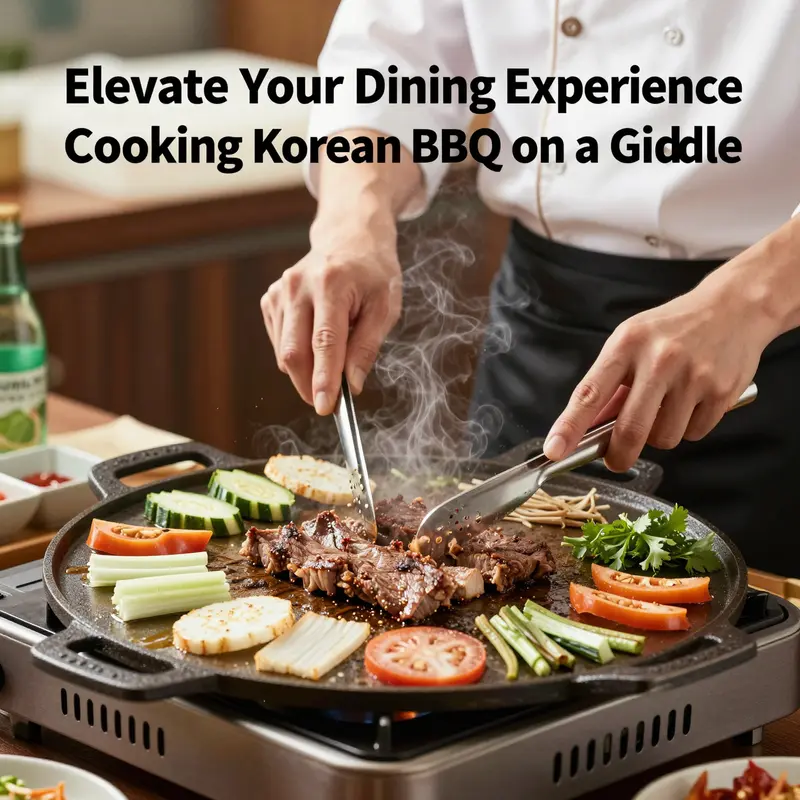
The allure of Korean barbecue is not just in the ingredients but in the ritual of cooking it at the table, the hiss of fat meeting hot metal, and the communal joy of wrapping slices of meat in crisp lettuce with a dab of bright, peppery sauces. Bringing that experience home means choosing the right surface and honoring a sequence of steps that coax maximum flavor from punchy marinades, high heat, and quick, confident flips. A griddle—whether a purpose-built Korean BBQ model with a central grease groove or a sturdy, well-seasoned pan—offers the broad, forgiving surface needed for the multiple meats and dipping accoutrements that define the meal. The central groove in many Korean-style griddles is not merely a design flourish; it channels fat away, helping reduce flare-ups and keep the fire beneath from roaring out of control, which is essential when you’re searing delicate slices of beef or pork at a temperature where caramelization happens in moments rather than minutes. On a flat, expansive surface, you can lay down many pieces at once, yet still maneuver each piece to a perfect crust with minimal sticking, provided you respect the rhythm of heat, space, and time.
Preheating is the first quiet step that pays off in searing glory. You want the griddle hot enough that a drop of water leaps and evaporates in an instant. Medium-high is your cue to begin, and the space between the initial sizzle and the first flip should feel deliberate, not hurried. If the griddle isn’t hot enough, the surface will cling; if it’s too hot, the exterior will burn before the interior has a chance to render and cook. The goal is a surface that sears promptly—producing a crust with a little char that carries the caramel sweetness of the marinade. Speaking of which, the marinade is your flavor architect. Traditional Korean BBQ marinades often blend soy sauce, sesame oil, garlic, and a touch of sweetness, sometimes pear juice or honey to balance savoriness with a gentle fruitiness. A classic bulgogi profile leans on fat-friendly textures and sugars that aid browning, while galbi benefits from a longer marination that lets the beef soak up soy depth and aromatic sesame. If you’re curious about practical applications, a widely referenced guide demonstrates a bulgogi approach you can adapt for the griddle, and it’s easy to explore more deeply when you’re ready to experiment: bul-gogi-korean-bbq.
Once the surface is ready, the heat needs to stay consistently high through the cooking phase. This is where the griddle shines compared with a conventional pan: its wide area accommodates more pieces, creating a bustling grid of meat that can be turned in small batches without cooling the pan dramatically. Fatty cuts, such as pork belly, benefit from not adding extra oil—the fat that renders from the meat itself pools in the groove and around the edges. If the fat starts pooling excessively, you can tilt the griddle or use a spatula to lift and drain the excess into a small receptacle, keeping the surface from steaming the meat rather than searing it. For leaner cuts, a light wipe with a paper towel and a tiny brush of neutral oil can help promote even browning, but the instinct to add fat should be restrained to maintain the crisp, lacquered crust that defines Korean BBQ texture.
Another crucial detail is cutting technique. Meat should be sliced against the grain into thin, uniform pieces about a quarter of an inch thick—or even thinner if you’re working with particularly tender cuts. Thinner slices cook swiftly and uniformly, which is essential on a griddle where you want a rapid crust all around and no raw pockets in the center. Uniform thickness also ensures that you can cook the meat in rapid succession, flipping only once to create that unbroken, caramelized surface. Overcrowding is the enemy here. A crowded griddle cools too quickly and steams the meat, preventing the crisp, peppery bite that comes from a quick, high-heat sear. The technique is to work in batches, giving each piece enough space to kiss the surface and develop a crust before turning. This rhythm—laying down the pieces, allowing a hard crust to form, flipping once—creates the texture matrix diners expect: a crackly edge with a juicy interior.
The flip is the moment that tests your control. For best results, let the first side form a browned crust before you touch it. A single, confident flip preserves the integrity of the slice and the structure of the marinade’s sugars and amino acids. Repeated turning or moving pieces too soon will disrupt the sear and dull the promised crunch. Patience here is practical, not ceremonial. The griddle’s heat will do the rest if you respect the sequence: lay out the meat, wait for the crust, flip once, and remove while the interior remains moist and pink where appropriate. This is the core of the technique that yields the restaurant-like texture at home.
Marinades deserve a moment of close attention because they do more than flavor; they influence how the meat behaves and browns on the griddle. A well-balanced marinade carries soy for savoriness, garlic for pungent bite, sesame oil for aroma, and a sweet component such as pear juice or honey to encourage browning without making the final bite cloying. The sugars present in the marinade begin to caramelize as soon as they contact the hot surface, forming a lacquer-like crust that is both flavorful and visually appealing. For those who want a deeper, more rib-sticking flavor profile, a small amount of gochujang can provide a subtle heat that lingers after the first bite. With kimchi, ssamjang, and lettuce ready at the side, the marinade becomes part of a larger symphony rather than a solo note.
In the broader picture of technique, the griddle’s surface is also a platform for accompanying flavors and textures. While the meat sears, you can arrange thinly sliced vegetables—onions, peppers, mushrooms—that will quickly soften and mingle with the beef’s fat and marinade. Keeping the vegetables on the hot edge of the griddle allows them to blister and sweeten without steaming, contributing their own sugars to the pan sauce that forms briefly in the pooled fat. The central groove acts as a passive sous-chef here, channeling fat away so the vegetables aren’t frying in oil that could overwhelm their natural sweetness. If your setup includes a built-in pot or a secondary well, a small simmering kimchi jjigae or a light broth can be kept warm in the middle while you continue to cook the meat around the edges, preserving the social, shared dining experience even as you toggle between dishes. This versatility is one of the griddle’s strongest arguments for home Korean BBQ.
Equipment choice matters, of course. A dedicated Korean BBQ griddle with the central trough is ideal because it mirrors the restaurant setup and makes fat management straightforward. That said, a high-quality carbon steel or stainless steel griddle pan can also deliver excellent results. Carbon steel responds quickly to heat, heats evenly, and develops a natural non-stick patina with proper seasoning. It’s robust under high heat and tolerates the aggressive sear you want for bulgogi or galbi. The seasoning step—often overlooked by beginners—consists of heating a thin coat of oil on the pan and wiping away any excess. With use, the pan builds a seasoned surface that improves browning and reduces sticking, even as you cook multiple batches back to back. If you’re new to using steel pans for Korean BBQ, start with a lightly-oiled surface, keep the heat steady, and gradually let the patina build as you gain confidence.
Serving is the reward for the work you’ve put into the sear and the simmer. Korean BBQ is a communal event, and the best meals unfold when the hot meat straight from the griddle is wrapped in a crisp lettuce leaf with a dab of ssamjang, a handful of kimchi, some sliced scallions, and a touch of fresh herbs. If you’ve marinated the meat, the sauce provides a contrast that brightens the bite, so assemble your wraps quickly and eat while the components are still warm and vibrant. The moment at the table, when everyone creates their own bite, is where the griddle’s utility shines—nothing feels rushed, and the flavors stay vivid. The rhythm of short, hot cooking cycles makes for a lively, interactive meal that still respects the integrity of each slice.
As you refine your technique, consider how you’ll rotate meats and manage different cooking times. Beef cuts like bulgogi go from vivid pink to richly browned in moments, while pork belly may require a bit more render time to achieve that balance between crisp edges and chewy interior. Chicken, when used, benefits from thinner slicing and careful attention to cross-contamination between batches. A practical approach is to cook in stages, starting with the richer sauces and then moving to leaner proteins so that the flavor remains consistent across the plate. The key is to observe, not just follow a timer, and to keep the griddle clean enough to prevent flavor bleed between batches. Every batch should feel like a fresh experiment rather than a repeat of the last, and the first bite should be as exciting as the last.
Finally, the relationship between technique and safety should be obvious but worth underscoring. The central groove helps, but you’re still managing hot fat and high heat. Use long tongs, keep a grease reservoir nearby, and never walk away with meat still on the griddle. Let the surface rest briefly if you notice a flare-up, then resume cooking with a slightly reduced heat until the fat re-emulsifies and the crust returns. For those cooking in smaller kitchens, a well-ventilated area or a powered fan can make the difference between an enjoyable evening and a lingering smoke issue. The aim is to create a seamless flow where the food cooks quickly and cleanly, and the dining experience remains relaxed and communal rather than hectic and smoky.
The culinary payoff is real. You can achieve a true Korean BBQ profile right on a home griddle—crunchy-edged, juicy-centered slices that pick up the marinade’s sweetness and peppery heat in every bite. The experience becomes not just about the finished dish but about how the cooking surface and the timing bring out the best in each ingredient. The griddle invites experimentation: try different marinades, adjust the thickness of the slices, or add vegetables that snap and caramelize in the same moment the meat browns. You’ll discover a versatile, approachable way to recreate a favorite dining experience in your own kitchen, without the need for a dedicated tabletop grill. And with the right rhythm, you’ll find that the griddle not only mirrors the restaurant experience but also fosters a more intimate, interactive form of cooking that invites everyone to participate in the moment of transformation from raw ingredients to a table of shared flavor.
To explore a practical, well-rounded example of how these techniques come together in one profile, you can look into bulgogi-focused preparation tied to the griddle method described above and see how the elements fit in practice. The technique is adaptable, and the core philosophy—high heat, careful batch cooking, restrained oil use, and a thoughtful garnish of aromatics and greens—remains the same whether you’re grilling short ribs or thin slices of beef. If you want to expand beyond the meat and into a fuller plan for a Korean BBQ night, there are resources that lay out the sauces, wraps, and side dishes that complete the experience, and you can explore the broader approach while maintaining the robust sear and juicy interior that the griddle makes possible.
External reference: Serious Eats provides an in-depth, tested guide to authentic Korean BBQ techniques and recipes, which can serve as a complementary resource for understanding the broader flavor profiles and methodical steps that underpin the griddle approach. https://www.seriouseats.com/korean-bbq-recipe
Final thoughts
Understanding how to cook Korean BBQ on a griddle not only enhances menu options for business owners but also enriches the dining experience for their customers. The efficiency and safety that a griddle provides make it an ideal choice for both novice and experienced cooks. By implementing the advantages and techniques discussed, businesses can elevate their offerings and attract a wider clientele, thus fostering a vibrant dining culture around Korean cuisine. Whether for home gatherings or restaurant service, harnessing the power of the griddle can create lasting impressions and unforgettable meals.