
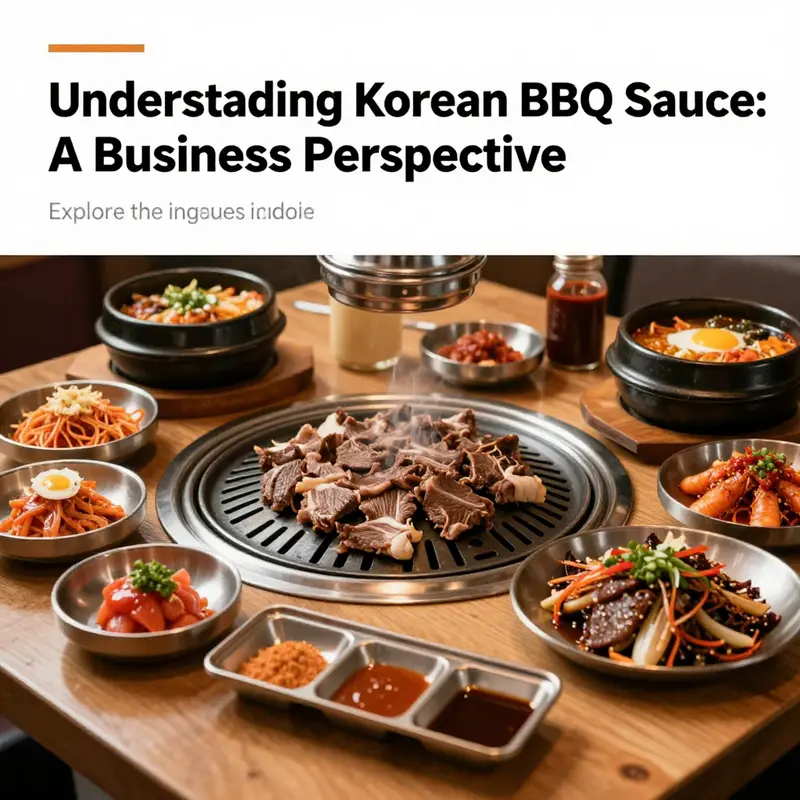
Korean BBQ sauce, or yangnyeomjang, represents a complex play of flavors crafted from fermented soybean products, sweeteners, and spices. With a growing global interest in Korean cuisine, understanding this versatile sauce is essential for business owners aiming to innovate their culinary offerings. This article will delve into the ingredients and flavor profile that define Korean BBQ sauce in the first chapter, followed by a look at its rich cultural and culinary significance in the second chapter, providing insights on how to leverage this knowledge for your business.
Beyond the Glaze: Unraveling the Fermented Heart of Korean BBQ Sauce
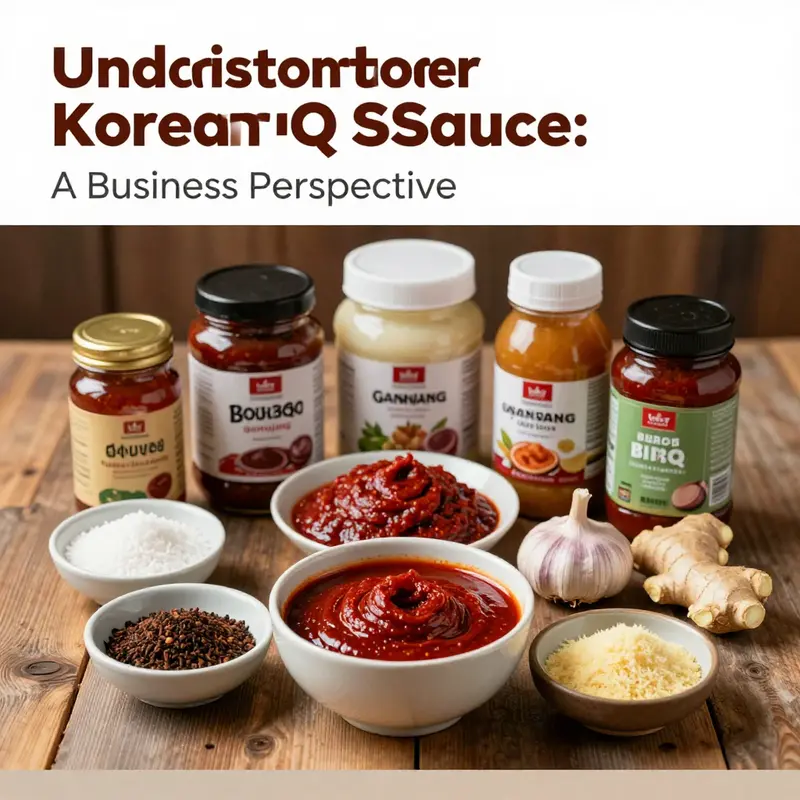
The phrase Korean barbecue sauce often evokes a glossy glaze, a sticky sheen that clings to sizzling meat and sparks a memory of smoky grills. Yet a closer look reveals that this glaze is only the tip of a much larger, more intricate story. Korean BBQ sauce, known in Korean as yangnyeomjang, is not a single recipe but a whole family of savory-sweet, deeply fermented sauces that lend character to grilling, marinating, and finishing a range of proteins. Its essence rests not in bold tomato tang or vinegar punch, but in a carefully balanced alliance of fermented soybean products, natural sweeteners, aromatics, and a touch of fruit-derived tenderness. The backbone is usually built from gochujang, a fermented red chili paste, and ganjang, soy sauce, whose combined umami anchors the flavor while leaving room for the brightness of garlic, ginger, and sesame. This is a sauce that does not merely season; it infuses, tenderizes, and rounds the meat in a way that is both savory and almost fragrant with a roasted, toasty depth.
Gochujang is the signature heat source here, but its heat is not a single note. It emerges as a layered warmth that starts with a bright edge and settles into a warm, lingering glow. The paste brings a sweetness born of fermentation, a touch of fruitiness from rice or glutinous rice, and a savory backbone from fermented soybeans. When this heat mingles with ganjang, the soy’s saltiness and umami become a canvas that makes every bite feel fuller and more grounded. The soy sauce component also helps to create that glossy, inviting texture that coats meat as it grills, inviting a patient browning that seals flavor while developing a crust that is both caramelized and savory. The aromatic trio—garlic, ginger, and green onion—acts like punctuation marks in a sentence, giving bursts of sharpness that wake the palate before the next bite.
Sweetness in Korean BBQ sauce often comes from natural sources rather than refined sugar alone. Traditional cooks rely on fruit purées such as Asian pear or kiwi, which bring a gentle sweetness and, perhaps more importantly, enzymes that help to tenderize meat as it marinates. The idea is that sweetness and enzymatic action work together to soften connective tissue and proteins, allowing the marinade to penetrate more deeply. Modern iterations occasionally substitute honey or rice syrup, preserving the same effect while offering a predictable caramelization during grilling. This synergy of sweet, salty, spicy, and umami creates a harmony that feels both familiar and distinctly Korean, a balance that respects the meat’s intrinsic flavor while elevating it through a layered, almost musical, seasoning.
The aroma and texture are equally deliberate. Sesame oil adds a toasted, nutty finish that lingers on the tongue and in the air as meat hits the grill. A touch of sesame seeds can be whisked in or sprinkled on at the end for a delicate crunch and a hint of roasted aroma. Ginger and scallions contribute a lively brightness that helps cut through the richness of the meat, preventing the glaze from cloying. Sometimes a pinch of gochugaru—crushed dried red chili flakes—adds a second, subtler heat that sits behind the gochujang’s primary blaze, giving the sauce a complexity that defies simple description. The result is a multi-layered profile: sweet and salty, hot and cool, smoky and bright, all at once.
Fermentation sits at the core of yangnyeomjang’s complexity, and its presence speaks to a long tradition of preservation and depth. Fermented ingredients carry a density of flavor that only time can deliver. The enzymes released during fermentation, including those from fruit believers like Asian pear, help to break down tougher muscle fibers, contributing to tenderness that a marinade alone could not achieve. This is not merely practical; it’s cultural. In traditional Korean cooking, care and intention—referred to as jeong—shape how food is prepared and how flavors harmonize. A sauce built with fermented elements embodies that spirit: patience, respect for the ingredients, and an understanding that time can be a flavor amplifier.
The practical uses of this sauce extend beyond marinating. A marinade does more than season; it initiates tenderness and builds aroma that stays with the meat as it cooks. During grilling, a glaze heats and glistens, forming a lacquer-like crust that locks in moisture and intensifies flavors. A finishing brush of yangnyeomjang at the table or toward the end of grilling layers a final gloss and an extra whisper of richness. The sauce also functions as a versatile condiment for dipping and drizzling, allowing diners to tailor each bite—some swiped with a thicker, sweeter glaze, others with a leaner, more vinegar-free bite. While bulgogi and galbi are the most iconic matches, the sauce proves flexible enough to kiss chicken, pork, tofu, mushrooms, or seafood, expanding the range of grilled dishes that rely on its savory-sweet charisma.
In terms of regional variation, the core logic remains constant: a fermentation-forward base, balanced by sweetness and salt, seasoned with garlic and aromatics, and finished with a touch of sesame and heat. Yet homespun versions vary with local ingredients and family traditions, reflecting a broader culinary ethos that values nuance and balance over uniformity. The move from a homestyle mix to bottled versions in markets worldwide has helped popularize a familiar flavor profile while also inviting cooks to reinterpret its potential. The bottled sauces may offer a more consistent sweetness or a particular intensity of heat, but they still echo the same underlying principles: a layered, umami-rich kiss of fermentation that enhances rather than masks the meat’s quality.
For cooks seeking to honor authenticity, there is a quiet challenge in crafting yangnyeomjang at home. The best versions are not hurried; they reflect a moment when ingredients come together with intention. The harmony you seek is not simply about achieving the right taste; it’s about the sensory memory of who prepared it and why. This sensitivity to process—tagged in Korean cuisine as jeong—translates into a sauce that tastes personal, patient, and deeply resonant. In practice, that means choosing ingredients with care, balancing sweetness against salt and heat, and allowing the sauce to mingle with meat long enough to deliver tenderness alongside flavor.
In this sense, Korean BBQ sauce is less a standalone flavor and more a culinary instrument. It is a conductor that guides the fat and muscle of meat toward a intended chorus of sensations: a first kiss of sweetness, a savory midsection, a light citrus-tinged spark, and a lingering warmth that makes you reach for another bite. Its versatility is not a marketing hook but a practical consequence of its foundational philosophy: fermentation, balance, and respect for the ingredients. The sauce makes a grilled piece of meat feel whole, lending its own character to the dish while allowing the inherent qualities of the meat to shine through. When you taste it, you are tasting a tradition that celebrates time-honored preservation techniques and a modern palate that seeks depth without domination.
For readers curious about the practical and cultural dimensions of the ingredients, a deeper dive into authentic ingredient sourcing and recipe development is available through a comprehensive guide from a leading Korean food research resource. This external reference provides context for the kinds of ingredients used, the rationale behind fermentation-based flavor development, and how chefs and home cooks can approach recipe development with care and intention. External resource: https://www.kfri.re.kr/en/foodinfo/recipe/
In the process of thinking about how such a sauce is built and used, it’s helpful to consider a concrete example within the family of dishes that define Korean barbecue. A typical bulgogi marinade blends gochujang with soy, garlic, sesame oil, and a fruit puree to coax tenderness and a glossy finish when grilled. The result is not merely meat with sauce; it is meat that has been invited toward a deeper, more affectionate flavor. The same approach can be adapted to other proteins or even to vegetables that crave a touch of savoriness. For readers who want to explore a canonical expression of this category, the recipe for bulgogi below demonstrates how the key ingredients come together to deliver that quintessential profile. It is a reminder that the sauce’s true power lies in how it interacts with heat, fat, and time, transforming plain ingredients into something memorable. When you see the gloss appear on the surface of the meat, you know the moment has arrived: a balance of heat, sweetness, salt, and umami that speaks of tradition and craft.
If you want a starting point that pairs well with the flavor profile discussed here, you can explore a well-regarded example of how a glaze and marinade come together in a classic pairing. For an in-depth look at a dish that embodies these principles, explore the bul-gogi-korean-bbq preparation that centers on a gochujang-driven marinade and a restrained sweetness that supports the meat’s natural richness. This path offers a practical window into how yangnyeomjang informs every step, from kneading the marinade into the meat to the final brush on the grill. The approach demonstrates why this sauce earns its place as a cornerstone of Korean barbecue, not as a mere topping but as a fundamental flavor engine that can carry a meal from ordinary to unforgettable.
In sum, Korean BBQ sauce embodies a philosophy as much as a flavor. Its fermented base, driven by gochujang and ganjang, is a doorway into a broader tradition of preservation, balance, and sensory harmony. The addition of fruit enzymes for tenderness, the nutty perfume of sesame oil, and the bright foreground of garlic and ginger create a profile that is at once comforting and adventurous. It is a sauce that invites fermentation’s lingering complexity rather than rushing to simple sweetness or sharp heat. It rewards patience, technique, and an appreciation for how ingredients interact on a grill, transforming the act of cooking into a shared experience of flavor and memory.
Yangnyeomjang Unpacked: The Cultural Heart and Culinary Craft of Korean BBQ Sauce
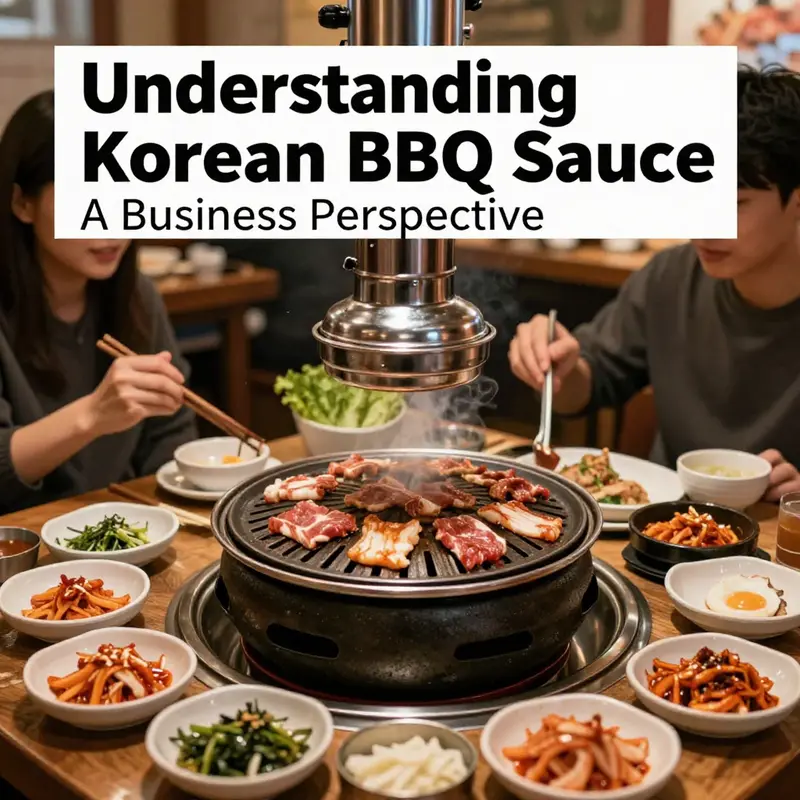
Korean BBQ sauce—known in Korea as yangnyeomjang—is less a single recipe and more a living category of condiments. It sits at the intersection of fermentation, seasoning craft, and communal cooking. These sauces were shaped by centuries of preservation techniques and by a cultural approach to food that values balance, patience, and shared experience. The result is a family of sauces that can tenderize, glaze, preserve, and harmonize, all while highlighting the character of the main ingredient.
At the core of most Korean BBQ sauces are fermented bases. Gochujang, the deep red fermented chili paste, and ganjang, Korean soy sauce, give the sauce its backbone of umami and heat. Garlic and ginger add aroma and bite. Sesame oil contributes a nutty finish. Natural sweeteners—Asian pear, apple, rice syrup, or brown sugar—round the edges. When combined, these elements produce a layered profile: sweet, salty, spicy, and umami in near-equal measure, with a suggestion of sour and bitter completing the sensory balance.
The fermented ingredients matter beyond flavor. Fermentation concentrates amino acids and produces complex aroma compounds. It helps preserve and amplify taste. The microbial transformations in gochujang and aged soy products are a distant cousin to other world fermented staples like miso. Because these sauces begin with living, time-aged components, they bring depth that a simple ketchup-and-molasses mixture cannot match.
Functionally, Korean BBQ sauces do several jobs at once. They are marinades, bastes, dips, and glazes. As marinades, they infuse meat with flavor and help tenderize fibers. Enzymes found in fruits such as Korean pear or kiwi break down connective tissue, making tougher cuts more yielding when grilled. As bastes and glazes, the sugars caramelize over the grill. This produces a glossy, slightly charred crust that seals in juices and amplifies savory notes. As a dipping sauce, a thinner or fresher version brings immediate brightness to each bite.
The sauces are most famously tied to signature dishes. Bulgogi—thinly sliced, marinated beef—relies on a balance of soy, sugar, and aromatics for its delicate caramelization. Galbi, with its cross-cut short ribs, benefits from a marinade that can penetrate and soften the meat. Spicy dwaeji bulgogi (pork bulgogi) leans more heavily on chili and fermented paste. Each dish highlights how different proportions and small ingredient swaps alter the final texture and taste.
Beyond those classics, the versatility of yangnyeomjang is remarkable. It adapts to chicken, pork, firm tofu, mushrooms, and certain seafood. Vegetable-based interpretations accommodate vegetarian diners without losing the sense of depth. Simple adjustments—tone down the sugar, increase the soy, or swap a fruit for rice syrup—can tailor the sauce to a different protein while keeping the same DNA.
Culturally, these sauces are embedded in social ritual. Korean tabletop grilling, or gogi-gui, revolves around shared cooking. Guests or family members grill at the table, passing platters, dipping in sauces, and layering bites into lettuce wraps. This communal motion fosters a sense of jeong: emotional warmth and bond-building through food. The sauce itself becomes an expression of care. Recipes are inherited, tweaked, and guarded. A family’s bulgogi sauce can carry the memory of a grandmother’s hand, a local market pear’s sweetness, or the neighborhood butcher’s preferred cut.
Historically, these sauces evolved from practical needs. Korea’s seasonal climate required food preservation. Fermentation served that need, transforming soy, grains, and vegetables into long-lasting, flavorful ingredients. Over centuries, this practice refined taste palettes. The royal kitchens of the Joseon era experimented with nuanced seasoning. Home kitchens adapted those techniques to everyday life. The condensed, umami-rich pastes and soy-based sauces that emerged were robust enough to stand up to grilling over open flame.
The role of fermentation also has health implications. Fermented ingredients contain beneficial microbes and nutrients. While the sauce itself is not a probiotic panacea, its components align with Korea’s broader tradition of probiotic-rich foods. This heritage emphasizes foods that are not only tasty but also supportive of digestion and gut health.
On the grill, timing and technique matter. Thin cuts like bulgogi require short, high-heat searing to preserve tenderness and develop caramelization. Longer, thicker cuts benefit from longer marinades and careful basting. Because sugar is present, cooks must manage heat to avoid burning. A common practice is to apply generous marinade early to flavor the meat, then reserve additional sauce for a final glaze applied during the last minutes of cooking. This builds layers without creating bitter char.
Balance is the guiding principle when composing a sauce. Achieving harmony among sweet, salty, spicy, sour, and umami is central. A sauce that leans too sweet will mask the meat. One that is too salty will overwhelm. The best sauces accentuate the protein’s natural qualities. For example, a sauce for beef may highlight soy and pear; one for pork may emphasize gochujang and garlic. Small touches—sesame seeds for texture, scallion for freshness—keep flavors lively.
Regional and household variations keep the category lively. Coastal regions might favor lighter, fish-based notes, while inland recipes may emphasize thicker, more fermented pastes. Families introduce small but meaningful differences: extra ginger, a splash of rice wine, or a secret ratio of pear to sugar. These distinctions echo the idea that yangnyeomjang is not static but adaptable.
In modern kitchens around the world, bottled Korean BBQ sauces make the category accessible. Bottled versions condense many flavors into a shelf-stable product. While convenient, they lack the nuance of freshly combined ingredients and of the living fermentation in a jar of aged gochujang. Home cooks often improve bottled sauces by adding fresh garlic, grated pear, or toasted sesame oil. Simple adjustments revive the vibrancy and make the sauce more personal.
The sauce’s global rise is tied to Korean cuisine’s broader popularity. Dishes like bulgogi and galbi introduced many diners to yangnyeomjang’s flavor range. Asian pear’s tenderizing effect surprised some home cooks and became a well-known hack. The adaptability of these sauces to fusion dishes—glazed wings, noodle bowls, roasted vegetables—helped spread their appeal.
When using yangnyeomjang at home, consider a few practical tips. Marinate thin cuts for 30 minutes to two hours for quicker meals. Allow thicker cuts to rest overnight for deeper penetration. Reserve some fresh sauce for serving to keep brightness on the plate. When basting, apply a glaze in the last five minutes of high heat cooking to avoid burning. For vegetarian versions, swap fruit enzymes for a gentle acid like rice vinegar and increase umami with mushroom soy or fermented soybean paste.
These sauces also anchor the meal beyond the grill. They pair naturally with rice and with the array of side dishes known as banchan. A lettuce wrap, layered with grilled meat, a smear of sauce, a spoonful of kimchi, and a light scatter of scallion creates a complete flavor and texture contrast. Yangnyeomjang bridges rich meat and bright accompaniments. It creates cohesion on the plate.
Ultimately, Korean BBQ sauce is a testament to a culinary philosophy that prizes balance, craft, and community. It delivers flavor and function. It is preservative and transformative. Its variations tell stories about place and family. Whether used to tenderize short ribs or to glaze mushrooms, its character remains the same: a living, layered condiment designed to enhance, not hide, the food it touches. For further reading on the historical and cultural roots of these fermented condiments, consult the Smithsonian Institution’s overview of Korean cuisine and fermented pastes: https://americanhistory.si.edu/collections/search/object/nmah_1450586
For a practical example of how these sauces appear in popular preparations, see this guide to bul-gogi Korean BBQ, which highlights the sauce’s role in a classic marinated dish: https://kogikoreanbbq.net/bul-gogi-korean-bbq/
Final thoughts
Korean BBQ sauce is more than just a condiment; it embodies a rich culinary tradition rooted in fermentation and communal dining. Understanding its ingredients and significance empowers business owners to incorporate this beloved sauce into their offerings creatively. Whether through unique marinades or as a standalone ingredient, the allure of Korean BBQ sauce can attract customers and elevate dining experiences, making it an invaluable asset for any culinary establishment.