
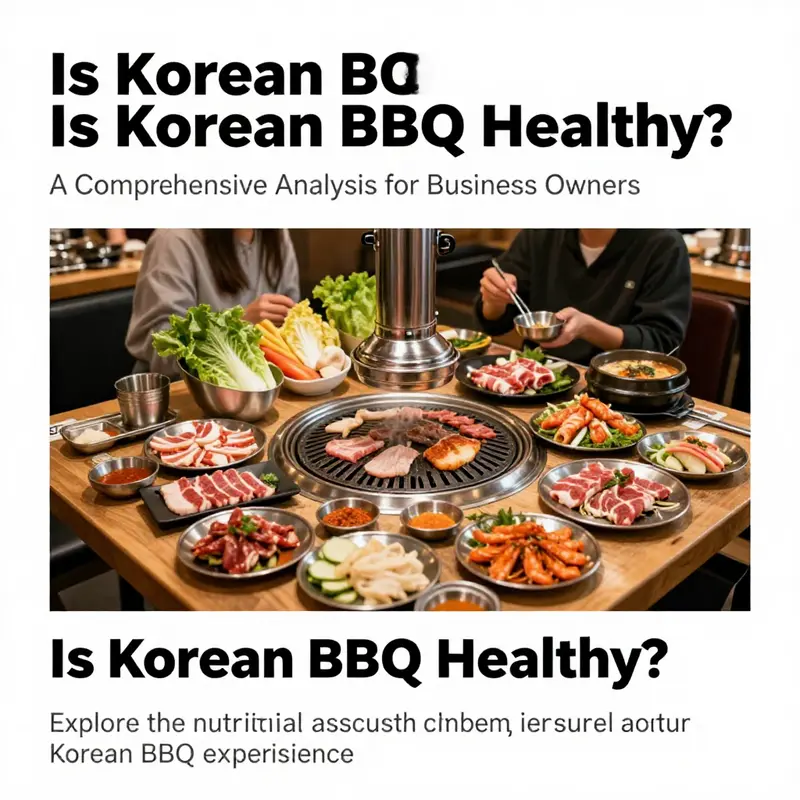
Korean BBQ has gained immense popularity, captivating food enthusiasts with its unique flavors and communal dining experience. For business owners in the food industry, understanding the health implications of this beloved cuisine is crucial. As customers increasingly seek healthy dining options, it’s important to explore whether Korean BBQ can be a nutritious meal choice. This article investigates the nutritional profile, health risks, and informed choices surrounding Korean BBQ, providing essential insights for those looking to enhance their offerings and cater to health-conscious diners.
null
null
Sizzle, Salt, and Safety: Weighing Health Risks and Rewards in Korean BBQ
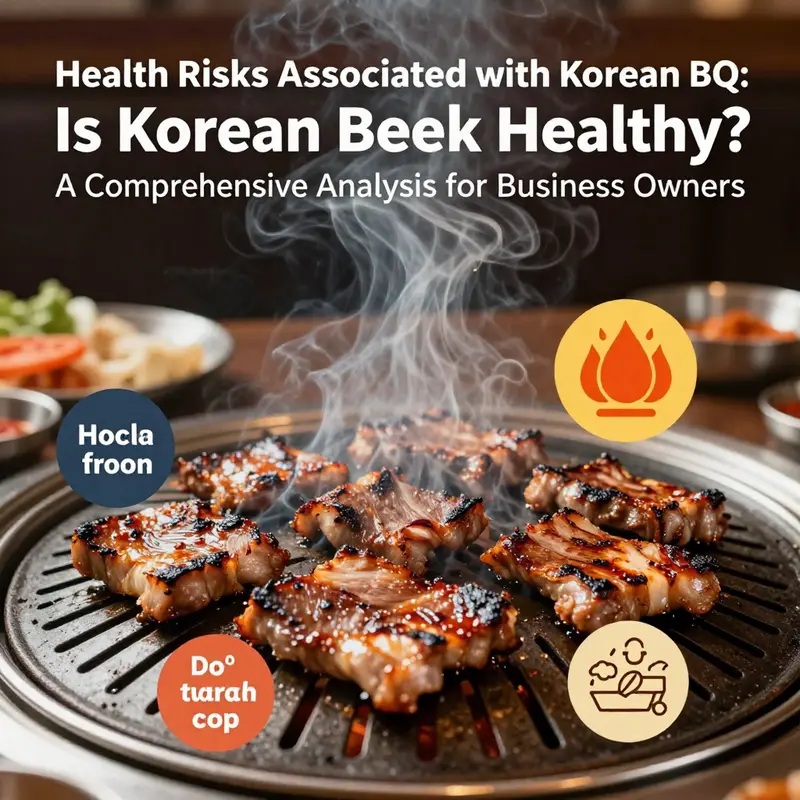
Korean BBQ is more than a meal; it is a social ritual that brings people together around a grill where aroma, texture, and pace shape the dining experience. Yet the same elements that make it so appealing—live cooking, high heat, and a chorus of dipping sauces—also raise questions about health. The chapter of risk and reward turns on two fronts: what is being cooked and how it is cooked, plus what accompanies the meat on the plate. On the risk side, the most studied concerns stem from the grilling process itself. When meat meets intense heat and open flame, certain compounds form that scientists call carcinogens. Polycyclic aromatic hydrocarbons, or PAHs, arise in smoke and char as fat renders and drips onto coals. Heterocyclic amines, or HCAs, can form in the surface of meats cooked at high temperatures. The more the meat is charred or blackened, the higher the exposure to these byproducts. While emissions from modern charcoal or gas grills tend to stay within regulatory safety limits, the potential cumulative impact of frequent, high-heat grilling remains a thoughtful consideration for those who eat Korean BBQ regularly. The social format—sharing foods, grilling meat at the table, savoring with friends—can amplify appetite and lead to larger portions, which in turn raises total exposure to added fats and calories. A single serving of popular dishes like bulgogi or galbi can be high in calories and fat, especially saturated fat, if larger cuts and richer marinades are chosen repeatedly. This is not an argument to avoid the table altogether, but a reminder that the health footprint is shaped by choice and frequency rather than a single dining occasion. In the broader spectrum of risk, another layer emerges from the traditional side dishes that accompany Korean meals. Kimchi, a staple fermented cabbage, contributes a bold, tangy profile and probiotic benefits, yet it also brings sodium and nitrites to the table. High salt intake is a well-recognized factor linked to hypertension and, for some people, to gastrointestinal concerns when combined with other salty foods. In regions where gastric cancer risk is already a public health concern, the sodium-rich elements of the diet—particularly from preserved foods—are an area experts monitor closely. This is not a universal verdict on kimchi or fermented foods, but a cue to balance flavor with mindful seasoning and portion size. The dietary pattern surrounding Korean BBQ has also shifted in some urban areas toward more red meat and processed foods, a shift associated with shifts in cancer risk profiles for certain populations. The fiber gap from reduced plant-based foods and the lure of decadent marinades can influence digestion and toxin exposure time in the intestinal tract, underscoring the value of including vegetables and whole grains to pace the meal with fiber-rich options. Despite these cautions, Korean BBQ also offers meaningful nutritional benefits. Grilled meats supply high-quality protein essential for muscle maintenance and metabolic health. Beyond meat, Korean nutritionists highlight several natural foods with potential anti-cancer properties, such as garlic and certain grains, suggesting that thoughtful ingredient choices can modulate risk. The practice of wrapping meat in lettuce or other vegetables adds fiber and micronutrients, providing a balance to the protein center. To explore this balance in a real-world setting, consider a local experience that demonstrates the pairing of lean cuts, vegetables, and measured sauces. For example, a visit to korean-bbq-chambersburg illustrates how menus can emphasize lean options, fresh greens, and controlled dipping elements, offering a practical model of mindful Korean BBQ dining. At the same time, the broader literature points to safety considerations beyond the plate. Charcoal combustion and smoke carry trace metals and other byproducts that warrant regulation and ongoing monitoring. The linked external research on charcoal products highlights that, while trace metals may be present, exposure levels in real-world settings are typically kept within safety standards. This nuance reinforces a central message: Korean BBQ can be part of a healthy pattern if choices are deliberate and the meal is integrated into a balanced diet. To reduce risk without sacrificing flavor, opt for leaner cuts, favor grilled vegetables and kimchi in moderate amounts, and limit sauces that are high in salt or added sugars. Maintain good heat control to minimize charring, turn meat frequently, and plate the meal with whole grains and ample greens. Mindful consumption does not tarnish the experience; it enhances it by aligning pleasure with long-term well-being. With that mindset, Korean BBQ becomes less a test of restraint and more a practice of informed enjoyment. For those seeking deeper scientific context on charcoal-related safety, see external research that examines trace metals in BBQ products. In the end, the healthiest approach to Korean BBQ is a balanced one: savor the experience, choose ingredients with care, and treat it as one component of a varied, fiber-rich diet rather than a weekly ritual driven by indulgence. As always, moderation and preparation matter as much as passion and taste.
Savoring the Flame with Purpose: Making Korean BBQ Healthy Through Mindful Cooking and Thoughtful Choices
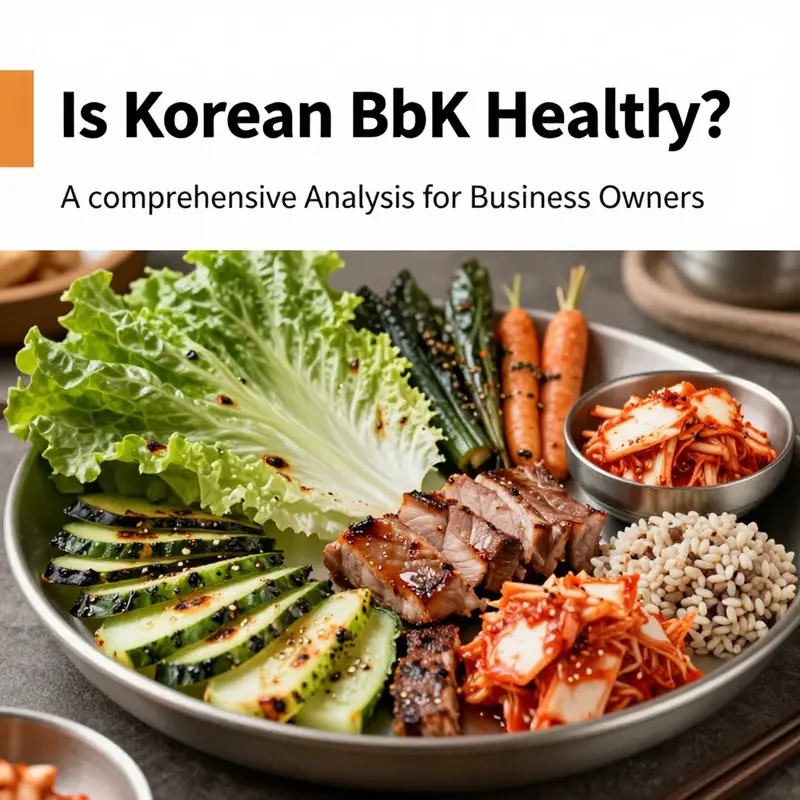
Korean BBQ can be a vibrant, social way to share a meal, yet its healthfulness hinges on the choices made at the grill and at the plate. When cooking method, ingredient selection, and portioning align, the meal becomes a steady source of protein, fiber, and fermentation benefits rather than a simple high-fat indulgence. This chapter explores how to sustain the bold flavors of Korean barbecue while supporting long-term well-being through practical, mindful decisions.
Choosing the right cooking method matters as much as the cut itself. Modern Korean BBQ often relies on electric grills or stovetop griddles that heat food indirectly, through conduction rather than direct flame. This approach reduces exposure to high heat and minimizes the formation of harmful compounds like PAHs and HCAs, which have been associated with increased cancer risk when meat charrs or cooks at extreme temperatures. In practice, the result is a cleaner sizzle and a more controllable cooking process. Some restaurants even use baking paper placed under the meat to absorb excess fat, yielding leaner bites without sacrificing flavor or tenderness.
Lean cuts matter, too. While fatty options such as pork belly and richly marbled beef are beloved for their succulence, leaner choices provide high-quality protein with less saturated fat. For beef, cuts with more muscle and less marbling tend to offer a leaner fat profile, while lean pork loin can serve as a lighter alternative without compromising savor. When possible, rotate between these options to keep daily meals within a heart-healthy fat range while still enjoying the characteristic textures of Korean BBQ. The goal is to select meat that supports protein needs and overall caloric balance without relying solely on indulgent cuts.
A hallmark of healthy Korean BBQ is how meat meets greens. Wrapping grilled meat in fresh lettuce or leafy herbs creates a natural vehicle for fiber, vitamins, and antioxidants, while also slowing down consumption and promoting mindful eating. Pair this practice with a vibrant array of banchan—kimchi, cucumber salad, seasoned spinach—and include grilled vegetables like mushrooms, onions, and peppers on the plate. A practical balance might skew toward about 70% meat and 30% vegetables for a plate that broadens the nutrient spectrum and helps moderate calories. This approach nourishes the palate and the body, turning a celebratory meal into an opportunity for steady energy and fullness signals. For a real-world example of leaner meat choices in a Korean BBQ context, explore the bul-gogi option here: bul-gogi Korean BBQ.
Seasoning is another hinge on the healthful scale. Marinades and dipping sauces often contribute substantial sodium, which can raise blood pressure if consumed regularly. The upside is that you can moderate this by favoring marinades built on garlic, ginger, onion, and fruit-derived sweetness rather than salt alone. When sauces are used, apply modest amounts and savor the meat’s natural juices first, allowing the flavors to emerge without over-saturating each bite. Controlling heat also matters: avoiding excessive charring and turning the meat frequently helps prevent the formation of crusty, potentially harmful edges while keeping the exterior evenly cooked.
A balanced meal extends beyond the grill. Pairing the main with steamed rice or a whole grain option provides lasting energy, while abundant vegetables enhance fiber, vitamins, and minerals. The lettuce-wrap tradition itself serves as a gentle reminder to pace eating and to focus on portion control. Plate composition, mindful chewing, and a varied spread of banchan collectively bolster nutrient density and reduce the likelihood of overeating. In practice, healthy Korean BBQ invites conversation, slows pace, and fosters satisfaction as a natural counter to overindulgence.
For practical guidance on safe, efficient grilling in home settings, it helps to engage with principles that emphasize indirect heat, fat management, and steady heat control. External resources can illuminate the science behind safer grill practices and offer a benchmark for home cooks seeking consistency and safety in their Korean BBQ sessions. The core message remains clear: healthier Korean BBQ is less about denying pleasure and more about shaping cooking methods, cut selection, and plate composition to support long-term wellness.
External resource: https://www.calories.com/food/korean-bbq
Final thoughts
Korean BBQ, while inherently flavorful and culturally rich, presents both nutritious opportunities and health risks. By understanding its nutritional profile and the potential dangers linked to high sodium content, high fat, and harmful cooking methods, business owners can empower patrons to make informed dietary choices. Promoting healthier options and adapting cooking methods can enhance customer satisfaction while maintaining the essence of this communal culinary experience. A mindful approach to Korean BBQ can indeed cater to health-conscious diners, ensuring they enjoy this delicious cuisine without compromising their health.