
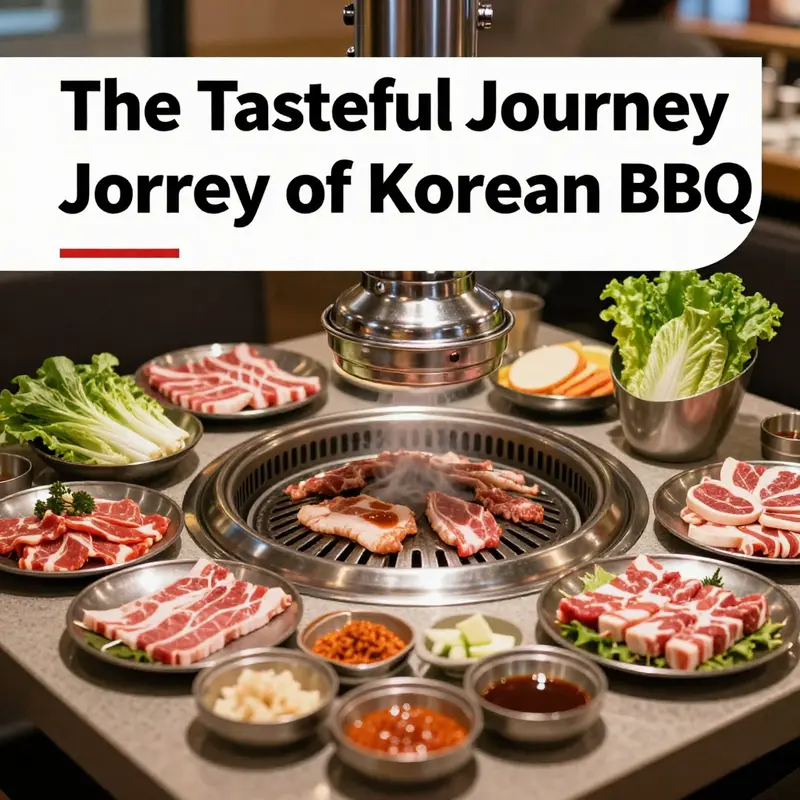
Korean BBQ stands out in the world cuisine landscape, marrying bold flavors with cultural practices. Its exquisite taste profile stems from a harmonious blend of sweetness, spiciness, and umami, shaped by generations of culinary tradition. Understanding the distinct taste of Korean BBQ unfurls its impact not just on the palate but also as a cultural symbol. In this exploration, we will delve into the intricate flavors that define Korean BBQ, the sensory experience it creates, and its cultural significance within Korean cuisine.
The Flavor Dance of Korean BBQ: How Sweet, Savory, and Umami Converge on the Grill
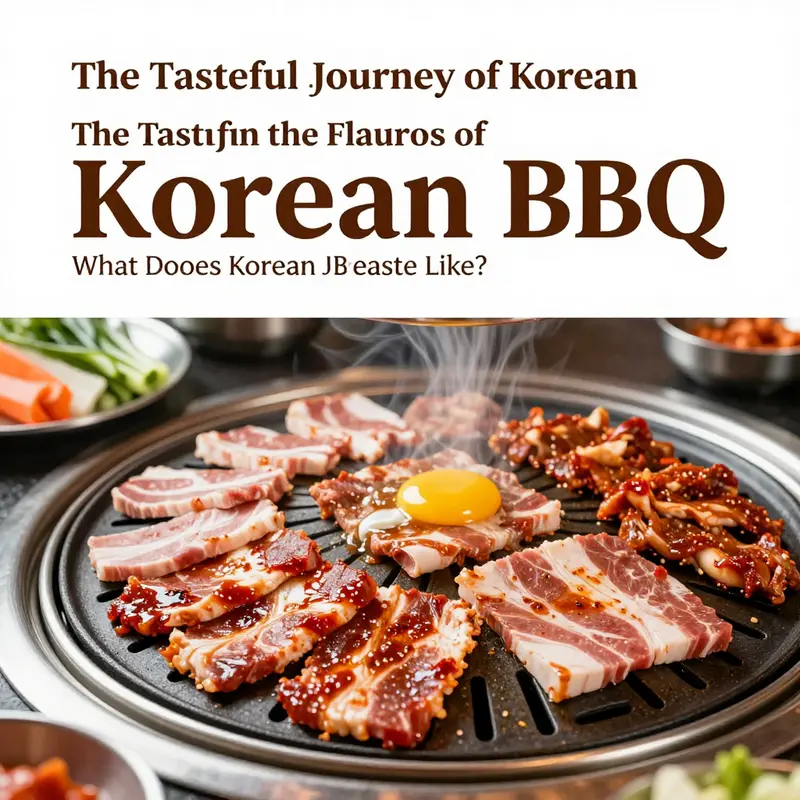
The flavor of Korean BBQ unfolds as a deliberate, almost musical dance on the palate, where sweet, savory, salty, spicy, and deeply umami notes collide and then harmonize. It is not a single note but a chorus that shifts with each bite, each pass of the tongs, and every dip of ssamjang. At the heart of this experience are marinades and sauces that balance fermentation, fruit sweetness, and bold seasonings, creating a profile that feels both robust and polished rather than straightforwardly smoky or tangy. The first impression often arrives as a warm sweetness and a savory depth that cling to the surface of the meat, a gloss that comes from quick searing and the natural fats meeting hot metal. This is where the sizzle becomes part of the story, the moment when the fat hits the grill and bursts into a fragrant perfume that mingles with charcoal or gas heat. That aroma, not just the taste, primes the senses for what follows and invites you to slow down and savor the sequence rather than inhale it all at once.
The core of the taste, however, is a careful choreography of ingredients that foreground fermentation and fruit. Gochujang, a fermented red chili paste, provides a spicy-sweet backbone with a deep, almost mineral umami kick. It is not only about heat; it is a fermentation-driven complexity that lingers, inviting repeated tasting rather than delivering a single punch. Ganjang, the Korean soy sauce, contributes a salty, savory base that anchors the profile and helps the meat release its own juices in a balanced way. Together with natural sweeteners such as pear juice, sugar, or even kiwi juice, these components create a sweetness that is bright and refreshing rather than cloying—sweetness that also helps tenderize by engaging enzymes in fruit during the marination and cooking process. The result is a surface that caramelizes into a shallow, glossy crust, which houses a moist interior that remains juicy through the bite.
In parallel with these fundamentals runs a culinarily essential trio: garlic, sesame oil, and green onions. Fresh garlic provides a sharp, peppery brightness that cuts through fat and heat, while sesame oil contributes a nutty, toasty richness that coats the tongue and carries the other flavors forward. Green onions add a fleeting sharpness, a green-clean note that brightens the entire composition. Ginger, often present in the aromatics alongside garlic, adds a subtle zing that keeps the profile from tipping into heaviness. The interplay of these aromatics—garlic, ginger, onion—gives the dish its fragrant lift and lends a sense of lift to the slow, simmering warmth of the sauces.
This is not a sauce-driven cuisine in the sense of Western barbecue but a fermentation-forward, fruit-silkened approach that emphasizes balance over single-note punch. Unlike some Western sauces that lean on vinegar or tomato for acidity, Korean BBQ favors fermented products and fruit-derived sweetness to cultivate a gentler acidity and a more rounded tang. The fermentation culture surrounding gochujang and doenjang feels like a thread running through the entire eating experience, shaping the way meat interacts with condiments and wraps. Doenjang—the fermented soybean paste—adds a deep, earthy savoriness that grounds the brighter fruitiness, and it often shows up in ssamjang, a rich, savory-spicy dip made from gochujang and doenjang itself.
Historically, these flavors were not created overnight but refined over generations. The practice of fermentation is a hallmark of Korean food culture, comparable in importance to miso in Japan or certain pickled staples in Europe. Fermentation increases digestibility, develops complex flavors, and offers a pantry of umami that can be carried forward in a lineage of recipes and techniques. Korean BBQ’s modern form—tabletop grilling in urban spaces—has accelerated the social dimension of flavor as much as the gustatory one. The act of cooking at the table, sharing bites of glossy meat wrapped in leafy greens with ssamjang, perilla leaves, and fresh garlic, makes taste a communal event. It is in this ritual that flavor becomes memory, where each bite is tied to a moment of conversation, laughter, and shared appetite.
What emerges is a profile that feels bold yet balanced, rich without being heavy. The sweetness helps temper the heat, the saltiness and umami provide depth, and the aromatic notes offer lift and clarity. The experience is enhanced by the textural contrast: a quick sear that forms a caramelized crust, the tenderness of well-marbled meat, the crisp bite of lettuce or perilla, and the creaminess of a dollop of ssamjang that anchors the wrap. The wrap itself—hot meat tucked into a fresh leaf with a dab of sauce and raw garlic—adds freshness and a gentle crunch, a final act that stitches together all the flavors into one satisfying, multisensory mouthful. We taste a bold, confident cuisine that does not lean toward heaviness; instead, it invites repeat tasting, a deliberate pace, and a social rhythm that makes the meal feel bigger than the plate in front of you.
For those exploring authentic flavors, the cultural and historical context behind these ingredients enriches the dining experience. The flavors arise from centuries of practice, from nomadic grilling traditions to refined sauces in the Joseon era, where fermentation secured both flavor and digestibility in a climate where preservation mattered. When you sit down to a Korean BBQ meal, you are not simply tasting meat and sauce; you are encountering a layered culinary language, spoken in aromas and textures as much as in words.
As you continue to navigate the chapter, remember that flavor is only part of the story. The real essence lies in how these flavors interact with technique, fermentation, and the social ritual of the table. The sizzle, the immediate sweetness, the umami depth, and the final wrap all come together to form a taste memory that is distinctly Korean and deeply satisfying. The next chapter will further connect taste to technique, showing how grill height, meat quality, and timing shape the mouthfeel in real time, ensuring that readers understand not just how Korean BBQ tastes, but how to coax that taste from any grill and at any table.
Flavor as Fire: The Sensory Dance of Korean BBQ
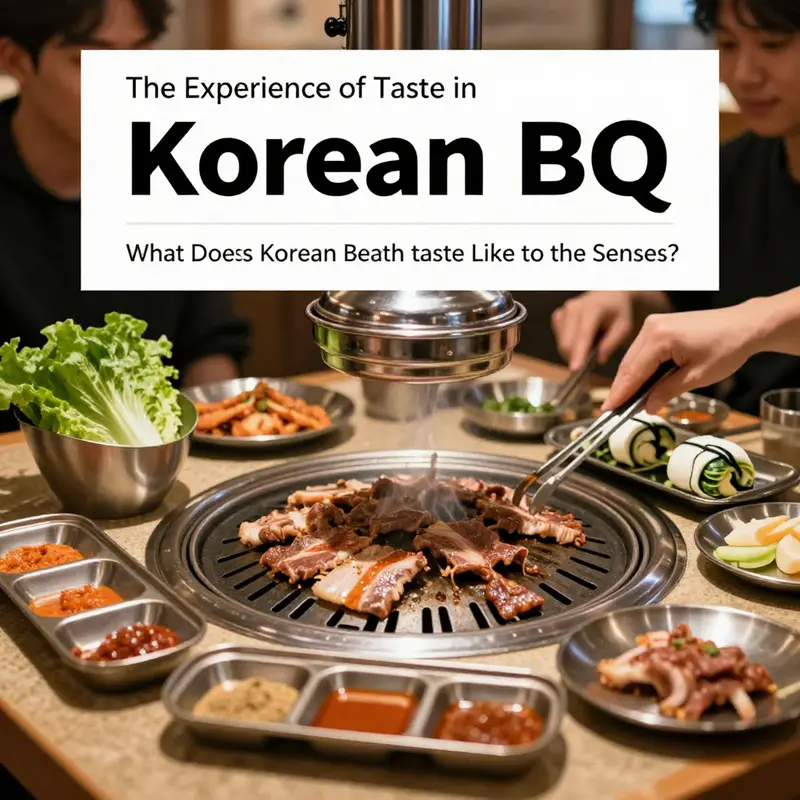
For a deeper immersion into the senses and the atmosphere that lift Korean BBQ beyond a simple dinner, consider this external perspective on the experience of dining in Seoul, where culture, history, and culinary technique fuse into a singular tasting event. What Makes Korean BBQ in Seoul So Special? https://www.seoultour.org/what-makes-korean-bbq-in-seoul-so-special
Flavor, Fire, and Fellowship: What Korean BBQ Means in Korean Cuisine
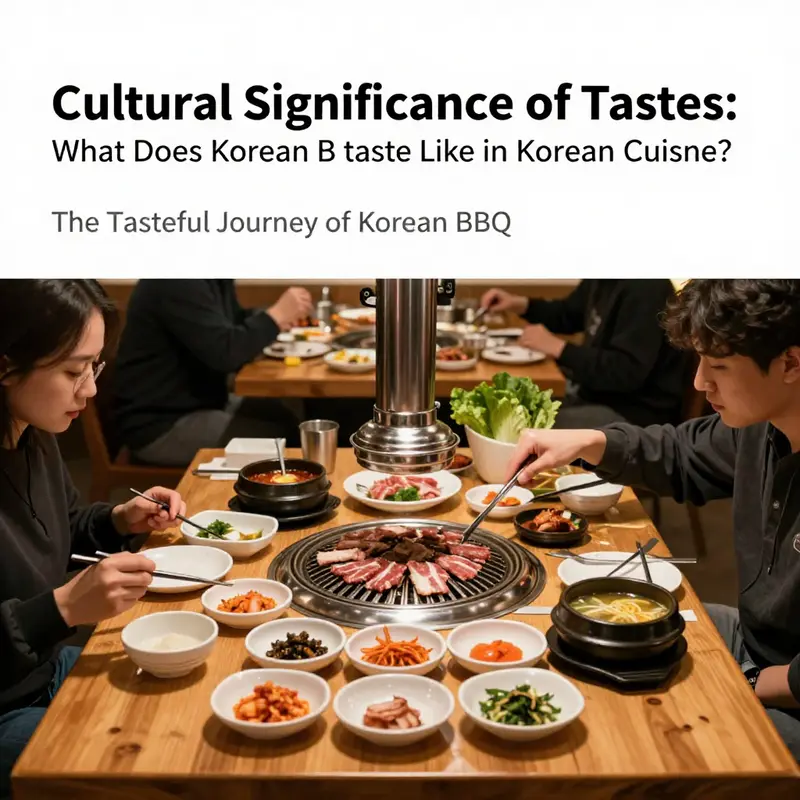
Korean BBQ is more than a cooking method; it’s a social ritual that turns a shared flame into a communal memory. When you taste Korean BBQ, you encounter a balance of sweet, savory, salty, spicy, and umami that unfolds with every bite. The glaze of marination, the crust on the grill, and the crisp lettuce wraps all contribute to a harmony that is both comforting and lively. The foundation rests on fermented elements like soy sauce, gochujang, and doenjang, which deepen the meat’s flavor with mellow, lingering umami while allowing the bright aromatics to shine. Sweet notes from pear or honey help temper heat and tenderize meat, keeping the palate refreshed rather than overwhelmed. Aromatics such as garlic, ginger, scallions, and sesame oil perfume the air and invite another bite, while charcoal smoke adds a smoky shimmer that lingers on the lips. The ritual—grilling, slicing, wrapping in lettuce with a dab of ssamjang—transforms eating into a shared performance, where everyone participates in layering flavors and textures. Side dishes (banchan) provide counterpoints: tangy pickles, kimchi’s fermented bite, and herbal greens that cleanse the palate between rounds. This ensemble creates matsui, a Korean sensibility of cohesive taste harmony where no single element dominates but all are heightened together. Culturally, the act of dining together builds community, hospitality, and kinship; the meal becomes a microcosm of social life, inviting guests to partake in a celebration of food, flame, and fellowship. Through varying regional preparations, the same core balance persists, allowing cooks to adapt marinades and grilling styles without losing the essence of the dish. In this way, Korean BBQ tastes not as a static flavor but as a living practice that travels across communities while preserving its shared soul.
Final thoughts
The diverse flavors and cultural traditions embedded in Korean BBQ offer a unique culinary experience that transcends mere taste. This exploration reveals how Korean BBQ is not just food, but an art form representing the beauty of sharing and togetherness. Its ability to unite flavors and people alike underscores its significance in Korean culture, inviting others to partake in this delightful gastronomic journey.