
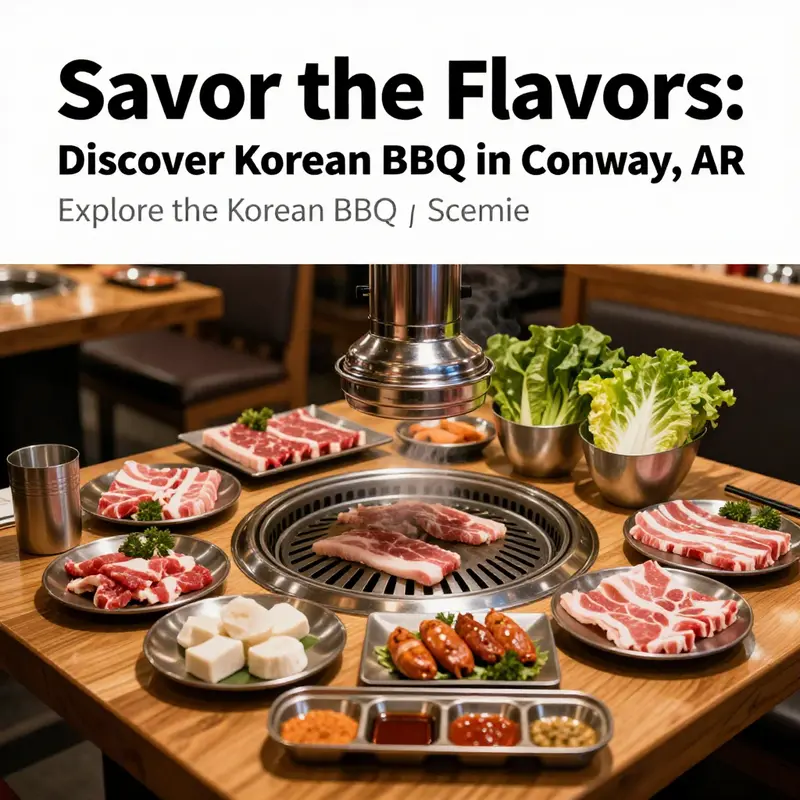
Korean BBQ has become a cherished dining experience, captivating food lovers with its unique communal style and rich, flavorful dishes. In Conway, AR, this culinary trend has found a home in notable establishments that not only satisfy cravings but also foster community. This article explores the prominent Bulgogi Korean BBQ and the increasing popularity of Korean BBQ culture in the area, providing insight for business owners interested in tapping into this thriving market.
Bulgogi Korean BBQ in Conway: Authentic Grilling, Culture, and Community
Bulgogi Korean BBQ in Conway: Authentic Grilling, Culture, and Community
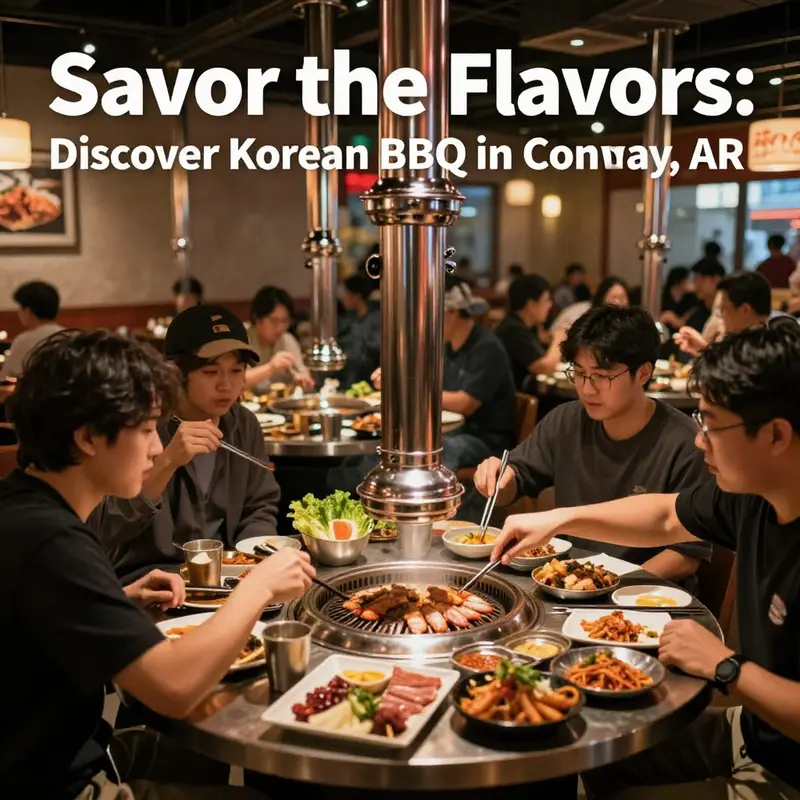
Walking into Bulgogi Korean BBQ in Conway feels like stepping into a familiar neighborhood kitchen where heat, spice, and conversation meet. The restaurant’s address at 317 Oak St, Suite 1 places it near the center of town. Its dining room balances casual comfort with an energetic atmosphere. Low hums of conversation mix with the sound of sizzling meat. Servers move with practiced ease to tend grills and refill banchan bowls. The setting invites diners to slow down, share dishes, and take part in the cooking.
At the heart of the experience is the grill. Tables are fitted with tabletop grills designed for communal cooking. Guests are encouraged to participate, flipping thin slices of marinated beef, turning short ribs, and watching marinades caramelize. This hands-on element transforms the meal into an event. It encourages small talk, group cooperation, and tasting across a range of flavors. Whether friends gather for a weekend dinner or colleagues meet for a midweek meal, the interactive format fosters connection.
The menu highlights a classic: bulgogi. Thinly sliced beef is marinated in a balanced blend of savory, sweet, and aromatic ingredients. Traditional components include fermented red pepper paste and soy elements, combined with garlic, ginger, and a touch of sweetener. The resulting glaze develops a deep umami character as it grills. Each bite offers sweet-salty notes with a hint of char. Galbi, or grilled short ribs, provides a meatier contrast. These pieces bring richer fat and a deeper beef flavor when seared. The variety of cuts and marinades keeps the meal dynamic and satisfying.
Quality of ingredients is noticeable from the first bite. Meat arrives fresh and well-trimmed. Marinades taste thoughtfully composed. Side dishes arrive in small plates. Known as banchan, they include crisp kimchi, lightly pickled vegetables, and seasoned greens. These sides refresh the palate between richer bites and offer layers of texture. Rice and soup round out the meal. Rice absorbs sauces and balances stronger flavors, while brothy soups bring warmth and a comforting finish.
Beyond food, service plays a central role. Staff members are attentive and skilled at operating tabletop grills safely. They guide guests on cooking times and offer tips for achieving the ideal sear. Their recommendations help newcomers who may be unfamiliar with Korean barbecue techniques. For regulars, servers maintain a rhythm of refill and timing that keeps conversation uninterrupted. The service model blends helpfulness with unobtrusiveness, enhancing the communal dining rhythm.
The restaurant’s reputation on review platforms reflects consistent customer satisfaction. Ratings highlight food quality, service, and atmosphere. Diners often mention returning for the same dishes, describing the bulgogi and galbi as dependable favorites. Positive reviews also point to the restaurant’s role as a local dining staple, a place friends recommend for special meals or casual gatherings. These testimonials shape expectations for first-time visitors and reinforce loyalty among repeat guests.
Operating hours are simple and convenient. Open from late morning through early evening every day, the restaurant serves both lunch and dinner. This schedule makes it accessible for a range of plans. A midday visit suits a relaxed lunch with colleagues. Evening meals accommodate leisurely dinners and small celebrations. The consistent hours foster a reliable presence in Conway’s dining scene.
Cultural authenticity threads through the experience. The approach to marinades, fermentation, and side dishes reflects time-honored Korean techniques. Fermentation, for example, contributes depth and umami to staples like kimchi and certain sauces. These flavors are the product of tradition and time. They bring a profile that feels both rooted and vibrant. That authenticity invites diners to learn more about Korean cuisine and its culinary logic.
Community impact is another important dimension. The restaurant serves as a gathering spot for local residents and visitors alike. Its presence enriches Conway’s culinary diversity. For many, it offers an accessible introduction to Korean cooking. For others, it provides a reliable place to maintain cultural foodways. The restaurant also supports social dining by creating spaces where people can connect over shared plates and grilling responsibilities.
Practical considerations matter as well. Reservations are helpful for larger groups, especially on weekends. Walk-ins are generally welcome but may face short waits during busy hours. Parking near the Oak Street location is usually manageable. Pricing aligns with the quality and hands-on nature of the meal. Portions are generous enough to encourage sharing, and the interactive dining format makes multi-course exploration feel natural.
For those exploring beyond Conway, options exist for Korean barbecue and hot pot experiences in the broader region. Neighborhoods within driving distance offer variations on the Korean barbecue theme, including all-you-can-eat formats and hot pot combinations. These alternatives complement the experience at the Oak Street location and offer comparative perspectives on menu styles and service models.
Choosing to dine here is about more than eating. It is an entry point to a communal practice. The tabletop grill, the round of banchan, the steady flip of marinated meat—each element invites participation. Patrons leave having shared food and stories. They carry with them flavors shaped by fermentation, char, and sweet-savory marinades. The meal lingers as a memory of warmth, both culinary and social.
For updated details, menus, and reviews, consult the restaurant’s online presence, including customer feedback on popular review sites: https://www.yelp.com/biz/bulgogi-korean-bbq-conway
For additional background on Korean barbecue traditions and restaurant concepts, see this local write-up on Bul Gogi Korean BBQ: Bul Gogi Korean BBQ overview.
Grill, Pot, and Community: Navigating Korean BBQ in Conway, AR with a Nearby Hot Pot Haven
Conway, Arkansas may be a quiet town, but its taste for Korean barbecue is anything but. In this corner of the state, the dining scene has settled into a rhythm of sizzling grills, shared plates, and the satisfying clink of chopsticks meeting the edge of a steaming bowl. The most familiar name for locals and visitors alike is Bulgogi Korean BBQ, tucked along 317 W Oak St. Ste 1, a place that has become a touchstone for those who crave the immediacy of a table where meat meets flame and conversation flows as freely as the sauces. What makes Bulgogi stand out in Conway isn’t just the aroma of marinated beef on the grill or the steady hum of a dining room that feels almost ceremonial in its familiarity; it’s the way the restaurant invites a kind of interactive dining that makes a meal feel like a shared ritual. Diners don’t simply order and wait; they participate in the pacing of the feast, turning a simple dinner into a small party where individual preferences—whether it’s a sear on thinly sliced bulgogi or a longer, gentler cook on thicker cuts—become part of the experience. The neighborhood has learned to value this sense of participation, a hallmark that helps Bulgogi Korean BBQ endure as a favored destination amid the modest bustle of Conway’s dining options. On platforms that gather opinions from travelers and locals alike, Bulgogi Korean BBQ tends to rise to the top of the conversation. Reviews highlight consistency, a welcoming atmosphere, and a menu that keeps the grill at the center of the table where the real choreography of a Korean barbecue unfolds. In short, it’s not just about what you eat, but how you share the act of cooking together in a space designed for warmth and camaraderie.
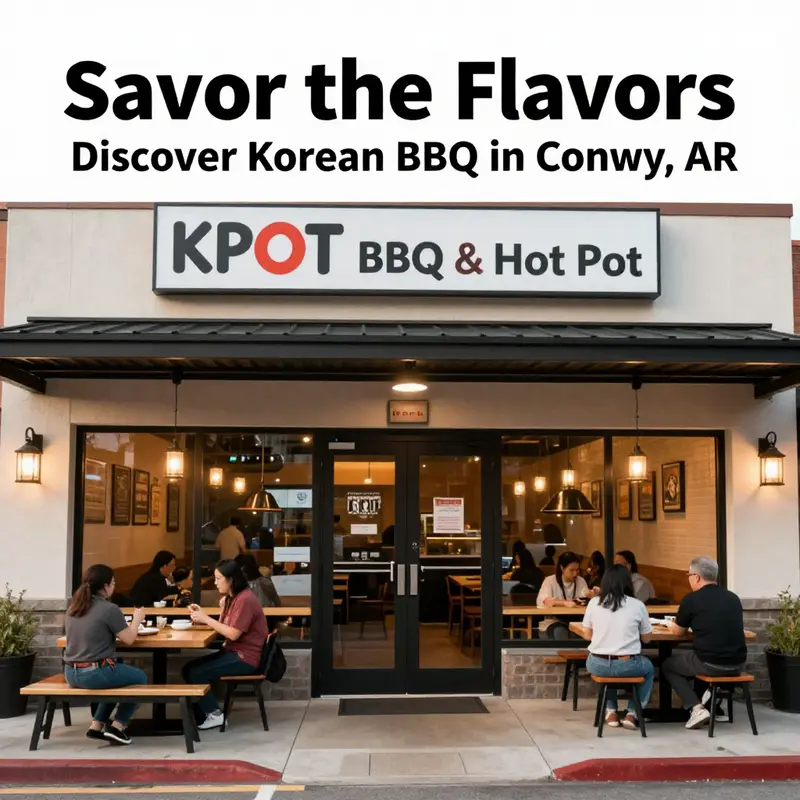
Yet the region’s appetite for Korean flavors doesn’t stop with one local favorite. If you’re willing to travel a short distance, a different side of the Korean barbecue and hot pot world unfolds in North Little Rock, roughly 23.8 miles from Conway. KPOT Korean BBQ & Hot Pot presents a distinct, nearly cinematic option for groups that want a feast with a broader horizon. The North Little Rock location anchors its identity in a contemporary, circle-of-fires ambiance where the dining table doubles as a stage for communal dining. The layout and lighting lean into a modern nightlife vibe, a useful cue that tells you this is a place built for gatherings—birthday celebrations, team dinners, or simply a night out with friends who appreciate variety as much as heat. The heart of KPOT’s appeal lies in its hybrid concept: the best of two worlds—Korean barbecue and hot pot—served up in a single, all-you-can-eat experience. A diner can sear marbled cuts of beef, plump oysters, and other seafood on a grill while also tossing fresh ingredients into a bubbling pot to coax out the briny sweetness of the sea. The idea is flexible, almost democratic in its execution: each person crafts their own flavor profile, and the table becomes a culinary landscape where the grill and the pot act in dialogue with one another.
From a value standpoint, KPOT’s pricing structures are straightforward and generous. The lunchtime rush is priced at $20.99, while dinner, including weekend hours, rises to $30.99. The offerings are described as unlimited self-serve, a term that signals abundance and the opportunity to sample more than a single meal’s worth of tastes in one sitting. The real treat, for many, is the seafood-forward emphasis that appears during later hours: oysters and a spicy crab can appear as part of the evening experience, while lunch leans into a robust selection of crustaceans and shellfish that feels almost like a tide pool of options on a single table. The menu also features a spectrum of vegetables, sauces, and an assortment of meats—from precise cuts of beef to more indulgent selections—that encourage diners to experiment, to compare textures, and to discover new favorites in a shared setting. There’s something about a self-serve, all-you-can-eat format that makes the pace of the meal feel almost ceremonial: you decide when to flip, when to dip, and when to slow down to savor a scent that lingers in the air after a crisp bite.
This juxtaposition of Bulgogi’s intimate, grill-centric approach and KPOT’s expansive, hybrid concept sits at the heart of the Conway region’s Korean barbecue narrative. If you’re a resident who prizes proximity and a steady, well-executed grilling routine, Bulgogi Korean BBQ offers a serving of comfort and consistency that makes it a reliable weekly ritual. It is where the flame becomes a familiar neighbor and the staff a supportive chorus that helps you navigate a table full of choices with ease. On the other hand, if curiosity pulls you toward variety, if you enjoy the idea of trading a little distance for a broader table of options, a trip to KPOT becomes a compelling expedition. There you can bracket a night of grilling with the dynamic spectacle of hot pot, letting the broth and sauces mingle with the grill’s direct heat to craft a palate that travels with you—from the first bite of a seared slice to the last dip of a shrimp into a herbed, simmering stock.
As you weigh which path to take, a practical thread runs through both experiences: the social element. Korean barbecue, at its core, is about the people you share it with. The table becomes a microcosm of community, where the pace of conversation rises and falls with the rhythm of sizzling meat and dancing broth. The Conway scene benefits from a local confidence—the sense that you know where to go, what to expect, and how the staff will guide you through a satisfying meal. The North Little Rock option, meanwhile, encourages a broader circle of guests, inviting a crowd that’s ready for a longer, more immersive evening. If you’re in the mood for a concise, well-curated grill, Bulgogi in Conway is your anchor. If you want a bigger, more porous plate of experiences, KPOT’s combination of bites and broths is your temporary harbor for a night out that feels special without requiring a bank-breaking itinerary.
For readers who want to peek at a broader range of unlimited Korean barbecue near their location, a practical starting point is a concise guide that aggregates these options and helps you compare what’s nearby. Korean BBQ Unlimited Near Me offers a sense of where to look next, and it complements the Conway-centered narrative by reminding you that the region’s barbecue culture travels beyond any single storefront’s walls. It’s a gentle nudge toward exploration, a reminder that the region’s appetite is bigger than a single table.
The story of Korean barbecue around Conway isn’t just about the meat or the broth; it’s about how communities choose to gather around heat, scent, and shared food. Bulgogi Korean BBQ gives locals a dependable doorway into that world, a doorway that’s close enough to swing by after work or on a lazy weekend. KPOT Korean BBQ & Hot Pot, with its generous hours and the lure of unlimited seafood and vegetables, offers a broader stage for those who want to linger longer and see how far a single meal can travel across flavors and textures. Both options, in their own ways, invite you to participate in the evolving dialogue of Korean barbecue in this corner of Arkansas, where culture, community, and cuisine collide in a chorus of sizzling, simmering, and social delight.
External insights can offer an additional lens on this scene. For a fuller picture of customer experiences, you can consult the Yelp listing for KPOT Korean BBQ & Hot Pot in North Little Rock, which captures a range of reviews and perspectives on the restaurant’s offerings and atmosphere: https://www.yelp.com/biz/kpot-korean-bbq-hot-pot-north-little-rock
From Tableside Grills to Community Rituals: Korean BBQ’s Rise in Conway, AR
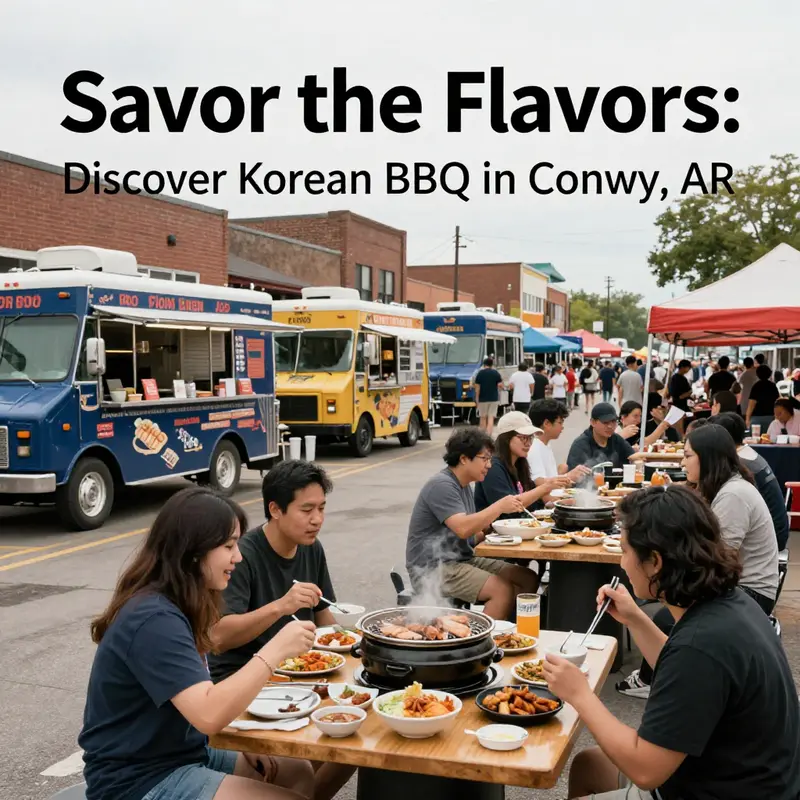
A local food scene changes when people look for connection as much as flavor. In Conway, Arkansas, Korean barbecue has moved beyond novelty to become a visible thread in the city’s culinary fabric. What began as a curiosity for adventurous diners has settled into everyday life for many residents, and the trend reflects a shift in how people here choose to gather and eat. The interactive, hands-on nature of Korean barbecue fits a communal impulse: groups share platters, cook together at the table, and trade stories over smoke and shared side dishes. That ritual has translated well to Conway’s neighborhoods, college crowd, and families seeking a different kind of night out.
The appeal is layered. At the most immediate level are the flavors: savory marinades, caramelized edges of thinly sliced meats, and bright kimchi and banchan that reset the palate. At another level is the sensory theater—tableside grills, steaming plates arriving in waves, and the smell of sesame and garlic. Yet perhaps the most important element is social. Korean barbecue asks diners to slow down and participate. Cooking together encourages conversation and a relaxed dining pace. For Conway, a city with a growing interest in diverse cuisines, that social quality has been a key driver of the style’s popularity.
Local spots that provide this experience have become anchors. They offer familiar comforts and introduce new rituals at once. These venues balance authenticity with local taste, adapting marinades, side dishes, and portion sizes to serve the community without losing the essence of the cuisine. Updates to menus show this balance in action: classic preparations are preserved while new small plates and seasonal sides appear. That willingness to innovate keeps regulars coming back and makes the cuisine accessible to newcomers. For readers wanting a deeper look at one such local profile, see this concise Bul Gogi Korean BBQ write-up: https://kogikoreanbbq.net/bul-gogi-korean-bbq/.
Part of the adoption comes from Conway’s demographics. A steady stream of students and young professionals encourages experiential dining. Many are open to sharing plates and trying unfamiliar ingredients. Restaurants that create a welcoming atmosphere for first-timers, while offering authentic touchstones for experienced diners, tend to thrive. In addition, family gatherings and weekday dinners find value in the convivial format—groups can order an array of items and sample broadly without the rigidity of individual entrées. This versatility makes Korean barbecue appealing across ages and social groups.
Dining formats have also adapted. Some establishments emphasize all-you-can-eat options that appeal to budget-conscious students and large families. Others focus on premium cuts and curated tasting menus for diners who want a more refined, restaurant-driven meal. The presence of establishments that blend Korean barbecue with hot pot or other interactive formats expands choices further. These alternatives create a richer local ecosystem and invite repeat visits, since each format offers a different social rhythm and flavor profile.
Community impact extends beyond dinner. These restaurants function as cultural hubs where traditions are visible and shared. Servers explain unfamiliar dishes and the rhythm of the meal. Regulars bring friends and family, effectively teaching new diners the etiquette of grilling at the table. Pop-ups, collaborations, and occasional cultural events make these venues places of learning as well as eating. That educational role subtly shifts perceptions: Korean cuisine becomes less exotic and more integrated into local tastes. Over time, once-rare ingredients and techniques enter home kitchens, widening the ripple effects of the dining scene.
The economic implications are meaningful. Growing demand supports a range of business models, from casual takes to full-service restaurants. It attracts investment in kitchen tech and ventilation systems suited to tabletop grilling. Suppliers respond by stocking higher-quality cuts and a broader array of Korean pantry items. As a result, the region sees improved access to ingredients like gochujang, Korean soy sauces, and fresh kimchi, which benefits both shops and home cooks. The culinary supply chain matures alongside demand, making it easier for future restaurateurs to open without steep sourcing hurdles.
As momentum builds, so does a competition of quality. Diners become discerning; they expect clean grills, attentive service, and balanced banchan. Social reviews and word-of-mouth matter. Restaurants that maintain consistency while innovating find loyal followings. The presence of highly rated local listings attests to that dynamic and guides newcomers looking for a dependable introduction to the format. In Conway, a particular local listing has accumulated consistently positive customer feedback, helping to steer diners toward an authentic experience: https://www.yelp.com/biz/bulgogi-korean-bbq-conway.
The long-term cultural effect is subtle but important. When a cuisine becomes part of a city’s regular rotation, it changes daily habits. Families may add fermented condiments to their grocery lists. College students might plan group nights around tabletop grilling. Local food festivals and markets may include Korean-style offerings. Chefs in other kitchens borrow techniques and flavors, incorporating gochujang into glazes or adding kimchi to fusion dishes. That cross-pollination deepens the cuisine’s roots in the local palate and fosters a more eclectic food identity for the city itself.
Finally, the popularity of Korean barbecue in Conway speaks to a broader curiosity—an appetite for experiences that combine taste, theater, and social connection. Restaurants that deliver on each of those elements will sustain interest. Those that do not will find the bar set by well-reviewed peers hard to match. For diners, the result is a richer landscape of options, from casual grills to immersive tasting menus, each contributing to a dynamic, evolving food culture in the heart of Arkansas.
Final thoughts
The rise of Korean BBQ in Conway, AR, not only enriches the local dining landscape but also offers entrepreneurs an opportunity to engage with a growing market. Both Bulgogi Korean BBQ and KPOT Korean BBQ & Hot Pot showcase the diverse flavors and communal dining experience that define this beloved cuisine. As the interest in Korean BBQ culture continues to flourish, business owners can capitalize on this trend by providing unique dining experiences that resonate with the community’s appetite for quality and culture.