
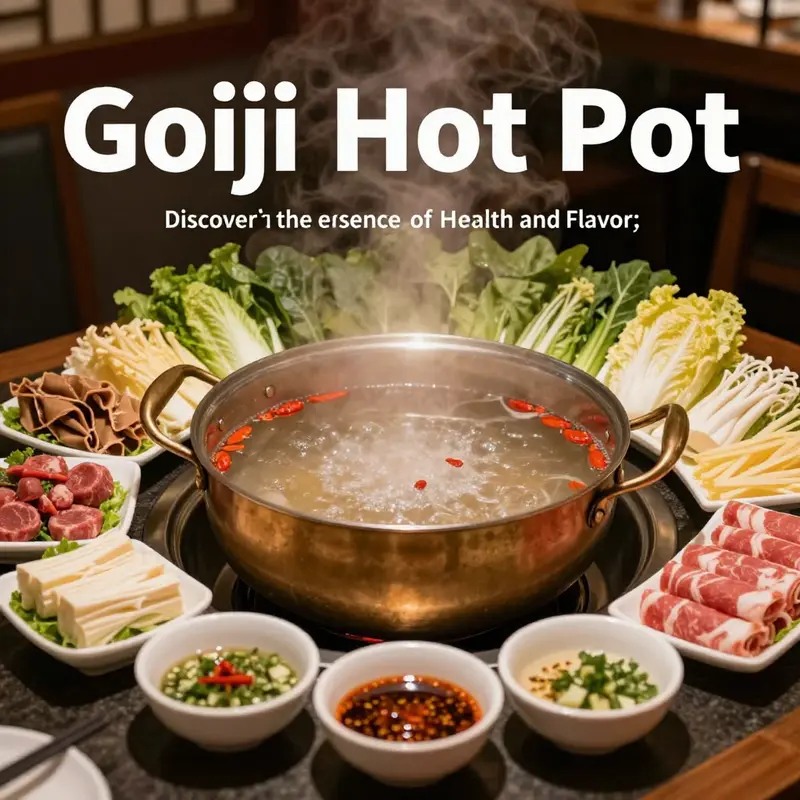
Goji Hot Pot, celebrated for its unique health benefits and exquisite taste, represents a deep cultural culinary tradition. This dish, primarily featuring goji berries, offers both flavor and wellness, appealing to health-conscious consumers. Understanding the distinct characteristics, rich cultural background, and ideal ways to enjoy Goji Hot Pot can position restaurateurs to attract a clientele seeking both nutritious and delectable dining options. This article unfolds the core characteristics and flavors inherent to Goji Hot Pot, delves into its cultural significance and rising popularity, and illustrates the best ingredients and dipping sauces to enhance this remarkable dish.
Delicate Depths: The Core Characteristics and Flavor of Goji Hot Pot
Delicate Depths: The Core Characteristics and Flavor of Goji Hot Pot
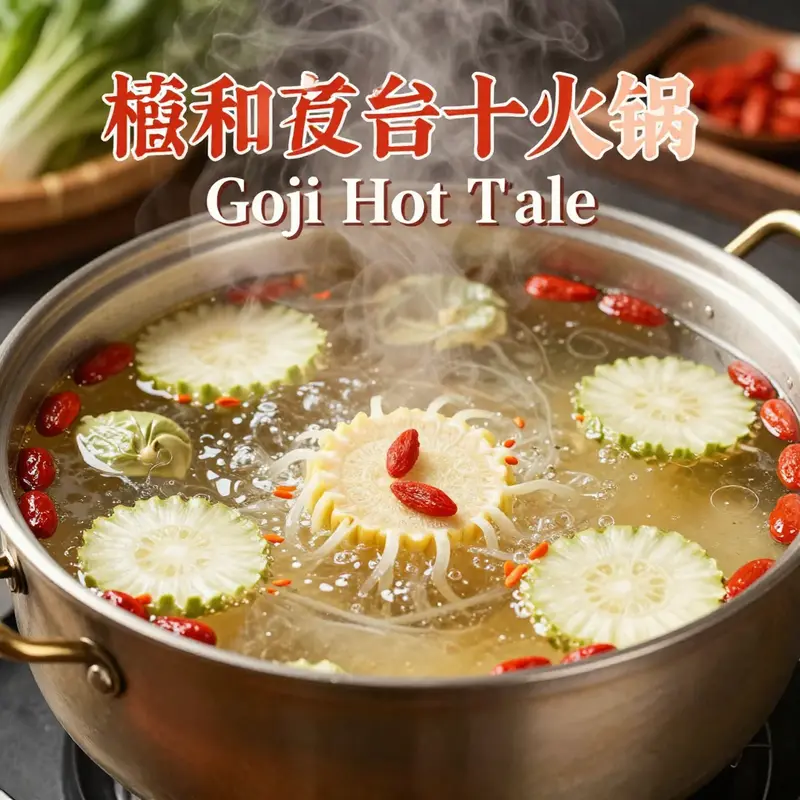
Goji Hot Pot centers on restraint rather than aggression. Where many hot pots rely on chili and heavy seasoning, this style chooses clarity. The broth is a gentle stage built to spotlight subtle, nourishing ingredients. Goji berries form the emotional center of the pot. They lend a mild sweetness and a floral, almost honeyed aroma that lingers beneath other tastes. Around them gather complementary tonic ingredients — red dates, dried shiitake, slices of ginger, scallions, and sometimes astragalus root. These elements simmer together to produce a broth that is warm, clean, and quietly layered.
The flavor profile reads as mild, balanced, and restorative. Salt and umami are present but never imposed. Instead, the broth amplifies the natural umami of meat, seafood, and vegetables. When thinly sliced lamb or tender chicken touch the simmering liquid, they absorb the herbal nuances and release savory juices back into the pot. Seafood such as shrimp and scallops benefit particularly from the goji base; their sweetness sings against the berry’s gentle notes. Vegetables and noodles maintain their own textures and freshness, because the base does not overwhelm them.
Texture plays a subtle role in the experience. Goji berries soften and swell after simmering, offering a tiny burst of fleshiness between bites. Red dates become pillowy and jammy. Dried mushrooms rehydrate and contribute a rounded, woodsy depth. These textural contrasts keep each mouthful engaging without relying on heat or heavy fat. The broth’s mouthfeel often leans toward silky rather than oily, achieved by using a clean bone or chicken stock and skimming impurities as it simmers.
Broth composition is both simple and intentional. A common approach uses a lightly roasted chicken carcass or pork bones as the base. Simmering for hours extracts collagen and savory compounds. Into that base go goji berries, a handful of red dates, a few pieces of dried shiitake, and slices of fresh ginger. Some cooks add a strip of kombu or a small piece of dried kelp for subtle marine umami. The result is a nourishing liquid that tastes of slow cooking and balance. It is not designed to hit the palate hard. Rather, it acts like a soft canvas that draws out the best of each dipped ingredient.
Because the broth is mild, pairing and condiments matter. Keep dipping sauces simple to complement, not compete. Nut-forward sauces, like a light sesame paste thinned with warm broth, can add creaminess and body. A dash of soy-sesame or a restrained seafood sauce lifts umami and introduces a savory counterpoint. For those who desire a touch of heat, chili oil may be offered on the side, used sparingly so the goji’s sweetness remains discernible. Fresh herbs such as cilantro or mild scallions provide freshness when sprinkled on individual portions.
Ingredient selection often tilts toward items that harmonize with an herbal, slightly sweet base. Thinly sliced lamb retains tenderness and matches the broth’s warmth. White fish, shrimp, and squid show off their sweetness. Leafy greens and mild cabbages keep the texture light. Starches like rice noodles and soft dumplings absorb the broth’s flavor and bring a satisfying, comforting quality.
Beyond taste, Goji Hot Pot resonates culturally and nutritionally. Goji berries carry associations of eye care and vitality in traditional practice. When the berries steep in warm broth, they release antioxidants and gentle sweetness. The pot becomes, in effect, a shared bowl of low-heat nourishment. This quality makes the dish ideal for cooler months and for diners seeking a less aggressive, more restorative communal meal.
The appeal of this hot pot lies in its restraint. It invites slow enjoyment and attention to nuance. Each ingredient contributes without shouting, creating a dining experience that is quietly memorable. For those who want a contrast to fiery, intense hot pots, the goji style offers a soft, layered alternative that warms both body and palate. For an example of restaurants that pair hot pot with complementary regional styles, see The Moon Korean BBQ and Hot Pot (https://kogikoreanbbq.net/the-moon-korean-bbq-and-hot-pot/).
For further reading on the flavor elements and composition techniques described here, consult a culinary guide to light broths and tonic cooking for more detailed preparation methods.
Between Tradition and Trend: The Cultural Pulse and Global Reach of Goji Hot Pot
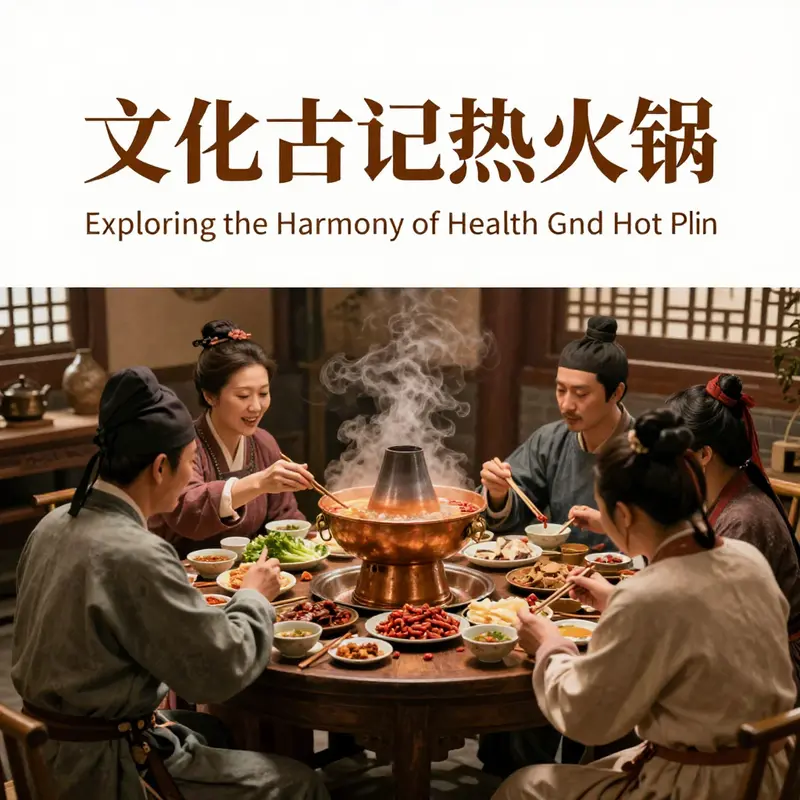
Goji Hot Pot functions as a brand narrative in the modern dining landscape, more about concept and experience than a single traditional lineage. In the available materials, Goji Hot Pot refers to a Yangon-based concept within the KSS restaurant family, described as a sister branch that blends Thai barbecue with hot pot. This positioning signals a contemporary, trend-driven dining approach rather than a fixed historic style. The name Goji acts as a branding cue, guiding expectations around ingredients and origins rather than preserving a specific ancestral recipe. The result is an experience that emphasizes fusion, hospitality, and the social ritual of sharing, instead of a narrowly defined hot pot culture rooted in tradition.
Cultural context helps explain why a brand like Goji Hot Pot can gain traction in Yangon and beyond. Hot pot becomes a spatial practice—diners gather around a bubbling pot, test tenderness with tongs, and negotiate a rhythm of conversation. When paired with a Thai barbecue ethos, the dining moment broadens to a microcosm of cross-cultural interchange, where Southeast Asian hospitality meets East Asian technique, and where modern palates expect lighter, balanced profiles alongside comforting warmth. The Goji branding foregrounds wellness narratives, freshness, and Instagrammable plating, aligning with a social meal that feels nourishing, fashionable, intimate, and adventurous.
The popularity of this concept seems to hinge on adaptability rather than lineage. Fusion formats that marry hot pot with other cooking styles offer variety and social engagement. In Bangkok, Singapore, Yangon, and beyond, diners respond to venues that provide choices—broth bases, sauces, and grill components that invite playfulness and personalization. The emphasis on a clear, health-forward broth profile also fits a growing demand for lighter meals that still feel indulgent when shared with others. In this light, Goji Hot Pot represents a cultural moment in a global dialogue about food that is restorative and entertaining, traveling well beyond any single region.
External reference: Goji Hot Pot on Yelp. https://www.yelp.com/biz/gogi-korean-bbq-hot-pot-yangon
Internal link example: for readers curious about how hot pot blends with other cuisines, see Moon Korean BBQ and Hot Pot. https://kogikoreanbbq.net/the-moon-korean-bbq-and-hot-pot/
Goji Hot Pot: A Harmony of Ingredients and Dipping Sauces
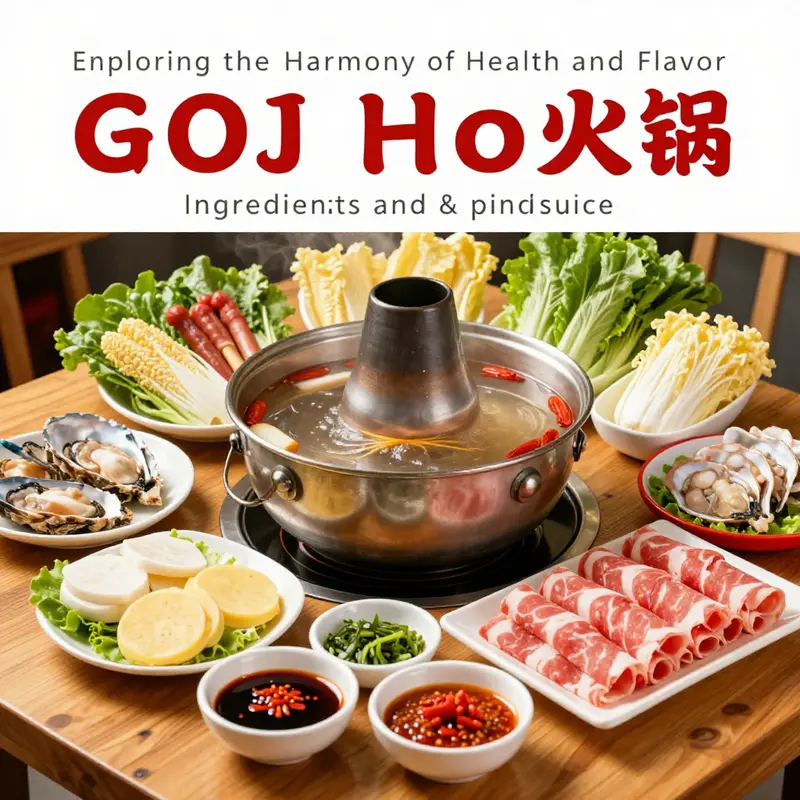
Goji Hot Pot is more than a meal; it is a slow ritual of warmth, balance, and shared time. At its heart lies the goji berry, the bright orange soul that lends sweetness and a touch of tartness to the simmering pot. In Chinese culinary thinking, this is not merely flavor but a living expression of the idea that food can heal. The pot becomes a gentle classroom in which nourishment and pleasure walk hand in hand, a quiet assertion that health can be delicious. The goji’s role is heightened by its association with eyesight and vitality, earning the nickname 明目果, a reminder that a well-made broth can support both eye comfort and immune vigor through the winter months.
The broth is the stage on which all other ingredients appear. A Goji Hot Pot leans toward clarity and light sweetness rather than the roaring intensity of some regional broths. Its foundation grows from layers of umami drawn from carefully chosen elements: dried mushrooms that release a deep, woodsy savor; fermented bean paste that adds a mellow, tangy backbone; fish sauce that nudges the broth toward complexity without overwhelming it; and bones that have slow, patient heat to extract collagen and depth. These components are not mere seasonings; they are history in a simmer, a nod to generations who learned to coax flavor from time, patience, and a respectful hand with ingredients. Aromatics carry the perfume of the kitchen into the dining room: garlic and ginger, green onions, and a light shower of toasted spices or fresh herbs. The result is a broth that invites the palate into a layered, evolving conversation, where the goji berries contribute a subtle sweetness that lingers like a soft echo after each sip.
In this gentle foundation, the goji berries do more than sweeten. They introduce a faint earthiness that complements the natural freshness of meats and seafood used to dip into the liquid. Rather than masking the ingredients’ innate brightness, the goji acts as a conductor, allowing the trace notes of the broth, the clean savor of a slice of lamb or a plump shrimp, and the meadow-like aroma of mushrooms to shine together. The balance of taste—sweet, slightly tart, and delicately herbal—encourages a mindful, unhurried dining rhythm. Diners often gravitate toward light, high-quality proteins that appreciate the broth’s soft sweetness: tender lamb, thinly sliced beef, chicken, or an assortment of seafood that bathes briefly and returns with a fresh, succulence that is best enjoyed in the company of good friends.
No hot pot is complete without its dipping sauces, the personal signature on a shared pot. The five classic dips aligned with Goji Hot Pot strike a careful equilibrium between simplicity and depth. A Garlic Soy Dip offers a straightforward, savory anchor; its saltiness and aromatic garlic are reliable companions to the broth’s sweetness. A Chili Oil Sauce, infused with dried chilies and Sichuan peppercorns, introduces a peppery lift and a hint of heat that offsets and awakens the delicate goji sweetness without masking it. The Sesame Sauce brings creaminess and a nutty toast that smooths the bite of the meat and intensifies the umami chorus. A Japanese Sesame Miso dip adds a complex, savory note, where miso’s deep, fermented character harmonizes with sesame’s richness. Lastly, a Spicy Peanut Sauce revs the palate with creaminess and a gentle kick, offering a contrast that invites experimentation—dipping a shrimp or a slice of beef into a glossy, lime-bright finish.
These dips are not rigid recipes but invitations to tailor each bite. The broth’s character remains the star, so the sauces should support rather than overpower. A light touch with the dipping sauces lets the goji’s sweetness and the meat’s own flavor come through, while a bolder dab can transform a single bite into a new tasting moment. The experience favors emergent flavors and textures—slightly chewy mushroom caps, the snap of a fresh vegetable, the moment a sliver of meat just barely blanches and holds a kiss of broth that elevates its natural aroma.
If the palate craves additional inspiration beyond the table, a nearby culinary variation in the broader hot pot world demonstrates how freely traditional ideas can cross with contemporary tastes. For example, you can explore the Moon Korean BBQ and Hot Pot, which blends elements from different hot pot traditions into a vibrant, shared dining format. This cross-pollination mirrors the Goji Hot Pot’s spirit: honoring a classic approach while allowing room for fusion and personal interpretation. the Moon Korean BBQ and Hot Pot
In practice, savoring a Goji Hot Pot becomes a quiet practice of attentiveness. The simmering broth, the glow of goji berries, the crispness of greens, the tenderness of meat, and the glossy sheen of each dipping sauce all blend into a moment of warmth—an antidote to the damp, dim days of late autumn and winter. This is home cooking that travels well, an everyday ritual that respects tradition while inviting personal expression. It is a dish designed to be shared, allowing stories and laughter to rise as naturally as steam from the pot. The health-minded shopper may appreciate the nourishing potential of goji alongside the meal’s satisfying, comforting texture. Nourishment here is both physical and social—a reminder that good food can be restorative, simple, and deeply satisfying all at once.
External inspiration: https://www.iheartumami.com/hot-pot-sauces/
Final thoughts
Goji Hot Pot stands as a remarkable representation of Chinese culinary culture, offering a blend of rich flavors and nutritional benefits. Ideal for both casual gatherings and health-focused dining, its popularity continues to rise in contemporary settings. By understanding its core characteristics, cultural significance, and best practices for enjoyment, business owners can successfully introduce this dish into their menus, catering to the growing appetite for healthy yet delicious food options. Embracing Goji Hot Pot not only promotes wellness but also enhances the dining experience, making it a valuable addition to any restaurant’s offerings.