
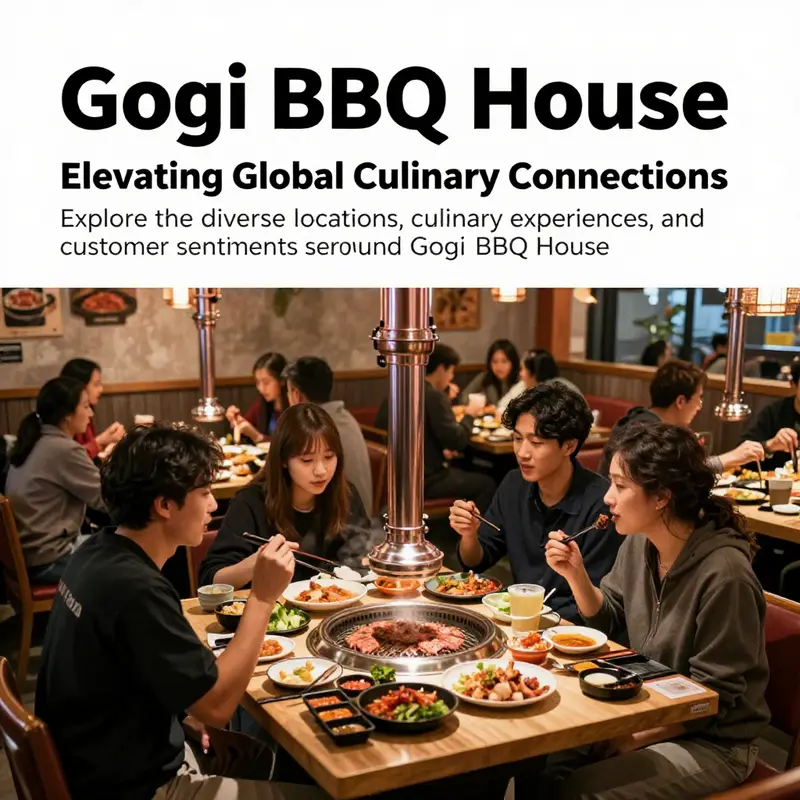
Gogi BBQ House has carved a niche in the global restaurant landscape. With locations spanning across continents, this dining establishment embodies the fusion of culture and cuisine. Each location offers a unique flavor profile while maintaining a consistent ethos of quality and service. In this exploration, we will delve into the various Gogi BBQ House locations worldwide, uncover their culinary offerings, and examine customer reviews to paint a holistic picture of the brand’s reputation and appeal. By understanding these elements, business owners can glean insights into effective restaurant strategies and customer engagement.
Mapping Gogi BBQ House: Where the Name Travels and What It Means for Diners
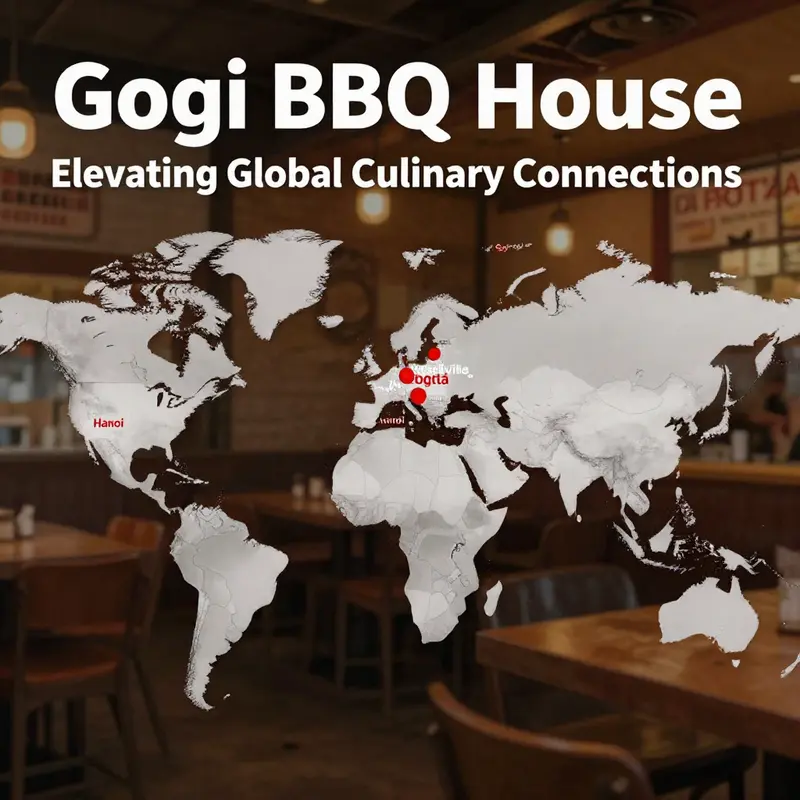
Across cities and continents, the name associated with Gogi BBQ House appears on storefronts, menus, and local review pages. That repetition can create an impression of a single global chain. The reality is more layered: some venues are part of an identifiable group operating within a country, while others share only a name, style, or a nod to Korean barbecue culture. Understanding that nuance helps diners set expectations before they book a table.
In Vietnam, the picture is relatively clear. Gogi House operates as a branded concept under the umbrella of a major local restaurant group. Branches concentrate in large urban centers and shopping hubs, with notable outlets in Da Nang and Ho Chi Minh City. In Da Nang, you will find a branch inside a Vincom shopping mall. In Ho Chi Minh City, multiple locations serve neighborhoods close to the Saigon River and within popular dining districts. These outlets typically follow a mid-range pricing model and present the familiar elements of Korean barbecue: marinated thin cuts, tabletop grills, banchan (side dishes), and an emphasis on communal dining.
Because these Gogi House venues belong to the same parent group, they tend to share consistent elements: menu themes, interior concepts, and service standards. That makes them easier to describe collectively. Expect modern casual interiors, clear menu categories for beef, pork, and seafood, and promotions tied to shopping-center traffic or seasonal events. Local adaptations matter: a seaside city branch may emphasize seafood, while a mall location leans on value-driven combos that appeal to families and groups at midday.
Outside Vietnam, the name takes on different forms and meanings. In Bogotá, a Korean barbecue operation with a similar name has earned exceptionally high local ratings. Reviewers praise its friendly service, polished cooking stations, and variety of vegetable and healthy options alongside classic barbecue fare. In the United Kingdom, a venue with a related name promotes soju and shared barbecue experiences and appears on social platforms favored by diners who post photos and short reviews. In the United States, a small-town listing under the name has had limited visibility and even temporary closure. These scattered examples show how a shared name can exist across independent businesses.
Why does this matter for a diner? First, name recognition does not guarantee a uniform experience. A well-rated city restaurant in Bogotá may offer different portion sizes, spice levels, and price points than a mall-based branch in Vietnam. Reviews and local menus are more reliable predictors than the name alone. Second, brand connections can matter. When restaurants operate under a single group, quality and menu design often align. When names overlap by coincidence or inspiration, variations increase.
Practical travel advice follows from that distinction. If you land in a Vietnamese city and see Gogi House listed, you can assume a familiar, consistent format and mid-range pricing aimed at groups. Reserve in advance for weekend dinner slots. Look for set menus that offer a balanced mix of meats and vegetables; these often represent the best value and showcase the concept. If you encounter a similarly named restaurant in a distant city, scan recent local reviews and photos. Confirm opening hours and whether tabletop grilling is self-service or handled by staff. Some independent restaurants emphasize curated service and will cook for you, while others expect hands-on grilling by diners.
Another practical tip is to watch for menu adaptations. In international markets, many Korean barbecue restaurants add local flavors or health-forward options. The Bogotá location, for instance, highlights vegetable-forward dishes and lighter preparations alongside traditional barbecue. In mall-based branches, expect promotional platters and kid-friendly choices. Understanding these tendencies helps you choose the right venue for a date night, family meal, or solo exploration.
For operators and curious observers, the spread of the Gogi name illustrates a common pattern in restaurant culture. A concept that resonates—centered on communal grilling, approachable flavors, and social dining—naturally inspires similar outlets. Some become formal franchise operations; others remain independent, borrowing the name or adapting the idea to local tastes. That mix creates a diverse set of experiences under similar signs.
If you want a quick comparative look before visiting, search for recent photos from local guests and scan the menu for set platters and grill style. For a nearby reference that explores similar Korean barbecue concepts, see the page on Gogi Korean BBQ Sushi for how menus and formats can vary. For background on the Vietnam-based group behind many Gogi House locations, visit the operator’s site at https://goldengate.vn/.
Grill, Gather, and Global Flavor: A Narrative of Gogi BBQ House
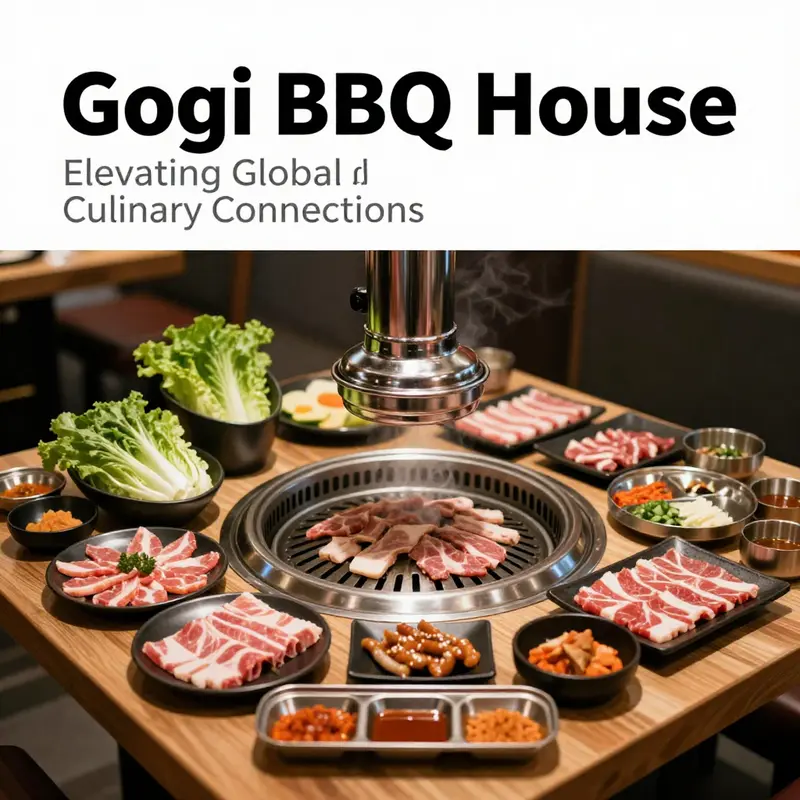
Inside a Gogi BBQ House, the dining ritual is a shared performance around the grill. A circular rhythm of sizzling metal, fragrant smoke, and shared plates invites conversation and playful teamwork as guests take turns guiding tongs, flipping morsels, and tasting along the edge of perfect sear. The layout and energy feel universal across locations: upbeat music, welcoming staff, and a table alive with steam and conversation. The experience is more than eating; it’s a communal ceremony that invites laughter, tasting, and the gentle competition of spotting the best sear.
Brand-wise, Gogi BBQ House cultivates a promise of social dining across cities, even when menus adapt to local crops and tastes. In Bogotá the chain has earned a strong rating and approachable pricing that makes it easy for groups to explore a variety of bites. In places like Russellville, Arkansas, hours may vary or temporarily close, while other markets adjust. Yet the core image remains: a lively, interactive supper where the grill is central and the table a forum for flavor notes.
The menu emphasizes abundance and sharing. Combo sets bundle multiple meats with an array of sides to encourage sampling and conversation. The sides, from steamed rice to pickled vegetables and light salads, provide balance so that the grilled proteins shine without overwhelm. The meats offer a spectrum: lean marinated slices for quick cooks, richly flavored rib cuts for deeper bite, and pork and poultry prepared to enhance the grill time at the table. Marinades and seasonings aim for aroma, tenderness, and a crisp edge, while diners negotiate times and pairings to balance salt, heat, and acidity.
Beyond the grill, the kitchen features Korean staples and playful fusion—bowls with rice and toppings, stews with chilies, and casual bites that reinterpret familiar fast-food favorites with Korean-inspired seasoning. This blend of roots and experimentation helps explain the broad appeal to families, friends, and coworkers: a menu that honors tradition while inviting tasting exploration in a social setting.
The atmosphere supports interaction. A lively dining room becomes a stage where conversations mingle with sizzle and steam. Servers guide the rhythm of grilling, but guests often share tips and memories of great sears, discovering that moment when a piece hits the perfect edge. The energy is welcoming to first-timers and seasoned visitors alike, especially in communities where the brand has a built experience of belonging through patterns of sharing and laughter.
Online, the brand’s philosophy echoes in related spaces. A page connecting Korean barbecues with sushi options invites readers to imagine how a single meal can become a journey through textures and cultures—pairing ideas that often accompany the grill at table service. For a quick view, related pages highlight how barbecued meats sit beside sushi-style offerings, guiding diners through a sequence of tastes rather than a single plate, with example pages and links that illustrate the menu world.
Diners’ perspectives—through reviews and social posts—offer a window into the authenticity and warmth of the experience, from praise of approachable pricing to notes on slow-cooked moments of tenderness. This is a place where food, conversation, and shared ritual connect across borders in a friendly, inviting flame.
null
null
Final thoughts
In summary, Gogi BBQ House has successfully established itself as a significant player in the international restaurant sector. Each location reflects a blend of local culture and the core principles of quality Korean BBQ, catering to diverse palates and dining preferences. The favorable reception from customers underscores the importance of maintaining high culinary standards and engaging with patrons through exceptional service. By examining the successes and areas for improvement across different regions, other business owners can extract valuable lessons to apply in their own ventures, ensuring growth and customer satisfaction in the competitive food industry.