
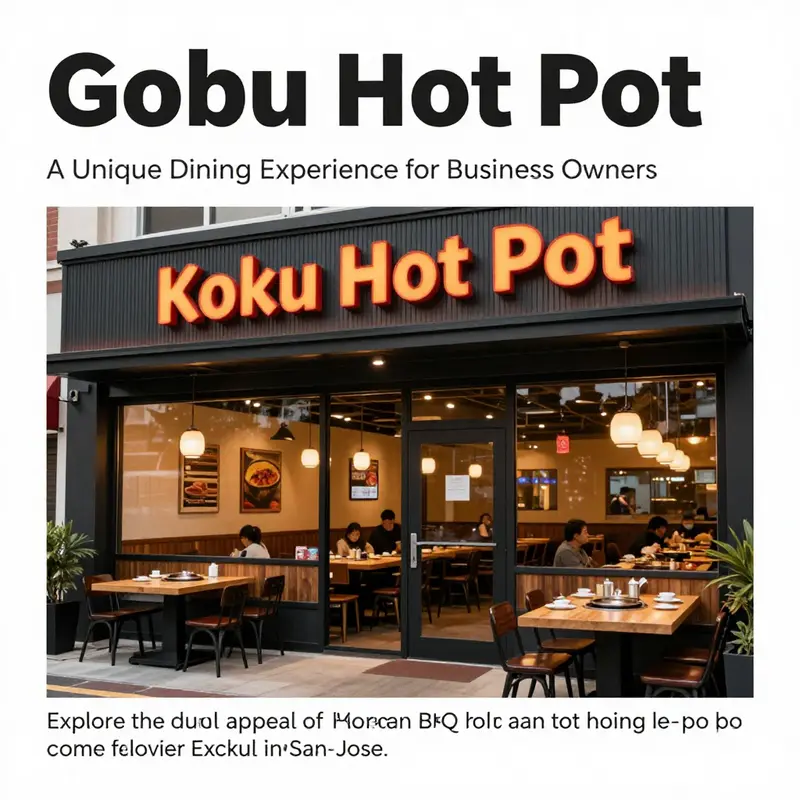
Goku Hot Pot in San Jose exemplifies a rising trend in the dining scene by merging the excitement of Korean BBQ with the communal experience of hot pot. This dynamic setup not only appeals to food enthusiasts but also presents lucrative opportunities for business owners interested in innovative restaurant concepts. In this exploration, we will delve into the culinary spectrum that Goku offers, alongside insights into its attractive dining experience, which collectively enhance its customer appeal and position in the market.
Goku Hot Pot: A Lively Fusion Feast Along Meridian in San Jose
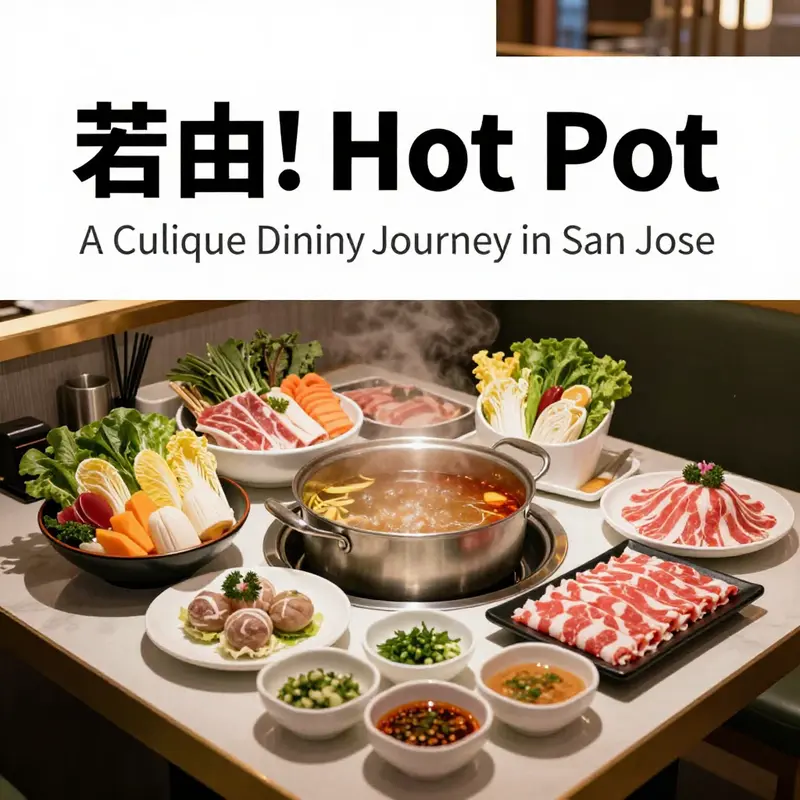
Goku Hot Pot is the kind of dining spot that invites conversation before it invites a menu. Located at 3085 Meridian Ave in San Jose, this dual flame of Korean BBQ and hot pot has become a neighborhood fixture for groups seeking a sociable, immersive meal. From the moment you step inside, the space feels designed for shared moments—long tables, grills built into the center, and simmering pots that release steam like a small, fragrant fog over the table. The restaurant’s hours, open daily from 11:00 AM to 10:00 PM, frame a broad window for both lunch gatherings and late-evening dinners, making it easy to slip into a rhythm of tasting, grilling, and dipping that feels more like a social ritual than a single meal. The atmosphere is vibrant without being overwhelming, a balance that suits families, friends, and first-timers who want to observe the choreography of interactive dining while they eat.
The concept is straightforward and compelling: you grill your own selection of meats at the table, then you can pivot to the hot pot for a separate, communal cooking experience. The two-pronged approach lets guests tailor their meal in stages, moving from the quick, seared bite of a sizzling slice to the slow, shared broths that simmer with vegetables, noodles, and seafood. This is not a meal to be rushed; it is a performance where participants—especially younger diners and curious newcomers—learn to coordinate flames, broth, and dipping sauces into an edible conversation. It’s a setting that rewards collaboration, where a family or a table of friends can negotiate cooking times, judge the readiness of a piece of beef, and cheer a perfectly tender bite together.
The menu spans a broad spectrum of ingredients, underscoring the restaurant’s Asian fusion identity. Expect a range of cuts in beef, pork, and chicken, each prepared to a counterpoint with the sizzling grill. The seafood options bring variety to the grill and the pot alike, with shrimp and other sea treasures appearing alongside crisp vegetables and delicate dumplings. Noodles find their way into the hot pot, offering texture and substance as the broths begin to sing with flavor. The vegetable selection is generous, allowing even lighter meals to unfold from the same shared experience. The breadth of ingredients matters here not merely for quantity but for the way it supports a rhythm: one person may focus on grilling marinated slices, another on building a colorful pot with a braid of greens and mushrooms, and a third on coaxing a spoonful of spicy broth into a final, satisfying bite.
What makes the hot pot and grill combo especially engaging is the customizable nature of the dining voyage. Diners can choose from broth options that suit bold or subtle palates, and then season their dishes with a personal array of sauces crafted at the table. The sauce station—where sesame oils, chopped garlic, fresh chilies, and soy bases mingle—becomes a playful gallery for experimentation. A touch of sweetness here, a little heat there, a hint of tang, all adjustable and shared. For guests who crave spice, there’s a reservoir of heat that can be dialed up with confidence. For those who prefer milder flavors, the broth can be tempered, letting the intrinsic taste of meat and vegetables shine through. This flexibility underscores the restaurant’s inclusive philosophy: there is room for spice lovers, for purists who want the clean taste of fresh ingredients, and for newcomers who are still learning how to orchestrate the flavors they love.
The dining experience surfaces a sense of community that feels rare in many modern eateries. Tables become hubs of conversation as noodles are coaxed from their bundles, meat is laid down on the grill with a gentle sizzle, and a pot opens a window into the alley of aromas that rise from the simmering broth. Families appreciate that children can watch the cooking dance and participate in small, safe steps—placing vegetables into the pot, deciding when a dumpling has reached a joyful plumpness, and offering a bite to a guardian before the rest of the table dives in. Friends savor not just the food but the shared ritual—the chance to host and be hosted by a meal, to cheer a well-seared piece, then to lean in as steam carries a hint of sesame and garlic into the air. The pace of the evening often mirrors the mood of the group: relaxed and lingering when the conversation flows, brisker when there’s a circuit of grills wrapping up a new plate of meat for the pot.
This is a place where value aligns with the collective nature of the meal. An all-you-can-eat concept blends with a wide ingredient pool, inviting guests to explore a landscape of textures and flavors without feeling pressured by a rigid price or a limited set of options. It’s easy to lose track of time as one sequence flows into the next—the moment of catching a perfectly seared edge on a scan of beef pairs with the simmered savor of a long, bubbling pot. The kitchen’s energy travels outward, smoothing into the dining room’s warmth, and the result is a sense of belonging. The restaurant’s central corridor of Meridian helps this sense of belonging—an urban artery through which a steady stream of neighbors, students, and local workers passes, pausing to eat, talk, and plan what to try next.
For newcomers or the curious, there’s a simple invitation embedded in the setup: observe a few rounds of cooking, learn the timing of a good sear, and then step into the rest of the tasting. It’s a gentle pedagogy—experiential learning through shared practice. The social element thrives here because the cooking is an experience designed to be negotiated together. Someone might take the lead on the grill and another the lead on the pot, while the rest of the table contributes both with ideas for what to cook next and with the arrangements of sauce and spice. It’s a meal that invites storytelling as much as savoring, and that makes it easy to linger and reminisce about the flavors even after the last napkin is folded.
If one desires a quick guide to the broader landscape, it’s worth noting that the restaurant sits in a community of diverse dining options in San Jose, a city where fusion flavors and communal dining styles have grown into a cultural preference for many food lovers. Yet Goku Hot Pot distinguishes itself through two strong pillars: the interactive act of cooking and the generosity of ingredients that allows for a satisfying variety each visit. The dual format—BBQ at the table and hot pot at the center—encourages guests to pace their meal, to try a mixture of textures, and to share plates in a way that feels natural rather than ceremonial. There’s a democratic spirit to the way the plates accumulate on the table: a little bit of everything, so everyone can taste and respond to what’s happening at the grill and in the pot.
For readers curious to see a snapshot of the kitchen concept in action, a detailed write-up exists at the dedicated page about Goku Korean BBQ Hot Pot. It offers a close look at how the grill and pot coexist as core elements of the dining experience, including the rhythm of courses and the shared joy of crafting flavors together. Visit kogikoreanbbq.net/goku-korean-bbq-hot-pot/ for more details.
As a practical note, the establishment maintains consistent hours and a steady flow of guests, which helps create the lively but manageable pace that defines the experience. The location’s accessibility, combined with its open hours from late morning through the evening, provides a flexible canvas for a family lunch, a weekend gathering, or a casual weeknight feast with friends. The result is a restaurant that doesn’t just feed people; it invites them into a ritual that blends Korean barbecue with the comforting, communal joy of hot pot. It’s a culinary journey that respects tradition while embracing the lively tempo of a modern take on shared meals, all set in a neighborhood that welcomes both locals and visitors to slow down, cook, and savor together.
From Grill to Broth: How Goku Hot Pot Crafts a Shared, Flavor-Forward Dinner

Goku Korean BBQ & Hot Pot at 3085 Meridian Ave in San Jose turns a meal into an event. The restaurant’s hybrid format blends the hands-on excitement of tabletop grilling with the communal warmth of a bubbling hot pot. That duality shapes every part of the experience — menu design, pacing, and the mood around the table — and explains why groups, spice lovers, and anyone who values fresh ingredients keep returning.
At the center of Goku’s appeal is the all-you-can-eat structure. Guests can mix and match grilled meats and hot pot items, sampling widely without the pressure of ordering a la carte. That flexibility removes the usual dilemma of choosing one style over another. It also unlocks variety: diners can alternate between seared, caramelized slices from the grill and delicate simmered pieces from the pot. For groups, this model delivers clear value and a social rhythm. Plates come in short cycles, conversations stay lively, and everyone can chase favorites while trying new combinations. If you want a closer look at how restaurants pair unlimited barbecue and hot pot concepts, check this piece on all-you-can-eat Korean BBQ and hot pot for context: all-you-can-eat Korean BBQ and hot pot.
Quality shows up in the basics. Meats at Goku are consistently praised for their flavor and texture. The kalbi — short ribs richly marbled and marinated — is a highlight. Thinly sliced beef and pork are prepared to sear quickly and absorb the grill’s char without drying out. For hot pot, proteins are cut to the right thickness so they cook evenly in the broth. Vegetables arrive crisp and fresh, engineered to stay lively under heat. Leafy greens, mushrooms, and sturdy roots provide balance after fattier bites and keep the meal from feeling heavy.
The hot pot broths deserve particular mention. Goku’s Taiwanese-style base offers a savory backbone that complements smoky grill notes. It carries aromatics and gentle spice, framing meat flavors rather than competing with them. That balance makes it easy to move between grill and pot without palate fatigue. Diners who like heat can amp spice at the table with condiments and dipping sauces. Those who prefer a milder bite simply enjoy the broth’s depth. The result is a customizable heat profile for every diner.
Atmosphere matters here. The dining room hums with the kind of energy that belongs to communal meals. Tables are designed to facilitate participation: built-in grills sit at the center, and hot pot stations are curated to avoid cross-contamination while keeping service efficient. Lighting is warm but bright enough to monitor cook times. Noise levels are lively, not chaotic, which suits celebrations and casual group dinners. Staff move with practiced speed, refilling plates and adjusting burners so diners can focus on cooking and conversation.
Service plays a big role in shaping the evening. Servers know the rhythm of an all-you-can-eat session. They pace orders to avoid waste and help newcomers with timing — when to flip a thin slice, how long seafood needs in the pot, where to ladle broth. That guidance shortens learning curves and reduces burned or undercooked dishes. The team also manages inventory thoughtfully; popular items are replenished frequently, and the kitchen rotates specials to keep returning guests engaged.
Beyond pure flavor, Goku’s format encourages experimentation. A single bite might combine grilled kalbi, a spoonful of broth, and a morsel of pickled side. That layering of textures and temperatures is part of the fun. Sharing plates invites swaps and recommendations, turning strangers into collaborators at the table. For food lovers who enjoy building flavor combinations, the interplay between grill and pot is highly rewarding.
Practical considerations add to the appeal. Running hours are consistent through the week, which helps when planning group outings. The restaurant’s layout accommodates parties of different sizes, with seating that adapts to intimate dinners as well as larger celebrations. For budget-conscious diners, the all-you-can-eat price point often beats ordering separate entrees for each person, especially when appetites vary.
Still, some diners should arrive with simple strategies. Pace yourself early in the meal to avoid the trap of overeating on bread or starches. Alternate grill and hot pot rounds to stay energized, and sample small portions first to discover favorites. If you like spice, ask for heat-level options and build your own dipping sauce from provided condiments. For those unfamiliar with tabletop cooking, request quick tips from staff; a brief pointer on grill timing or pot etiquette enhances safety and enjoyment.
Pairing choices also influence the experience. Light, effervescent beverages cut fat and cleanse the palate between rich bites. Savory side dishes — pickled radish, kimchi, and light salads — contrast grilled caramelization and broth richness. Desserts that emphasize brightness, like citrus-based or fruity options, finish the meal on a refreshing note.
Goku’s dual concept is especially well-suited to modern social rituals. It transforms dinner into a shared project, a paced adventure where each person contributes to the table’s trajectory. Fresh ingredients and a broad menu keep variety high. Service that understands the all-you-can-eat tempo makes the experience accessible for novices and veterans alike. And the Taiwanese-influenced broth adds a distinct aromatic profile that pairs well with smoky grill flavors.
For local diners seeking variety and interaction, Goku’s combination of Korean-style barbecue and hot pot offers a compelling option. The restaurant balances quality, value, and conviviality in a way that invites repeat visits. Whether you prioritize spicy depth, tender short ribs, or the simple pleasure of cooking together, the place delivers a memorable, flavorful meal that leaves groups satisfied and ready to plan the next visit.
For more details specific to this location, see the Goku Korean BBQ & Hot Pot page: https://kogikoreanbbq.net/goku-korean-bbq-hot-pot/
Final thoughts
The concept of Goku Hot Pot demonstrates how a unique dining experience can attract diverse customer bases while fostering a social atmosphere. This blend of culinary creativity and communal enjoyment makes Goku a compelling choice for food lovers and an innovative model for business owners seeking to stand out in a competitive market. By embracing local flavors and interactive dining styles, Goku Hot Pot sets a strong example of how restaurants can thrive by focusing on experience and quality ingredients.