
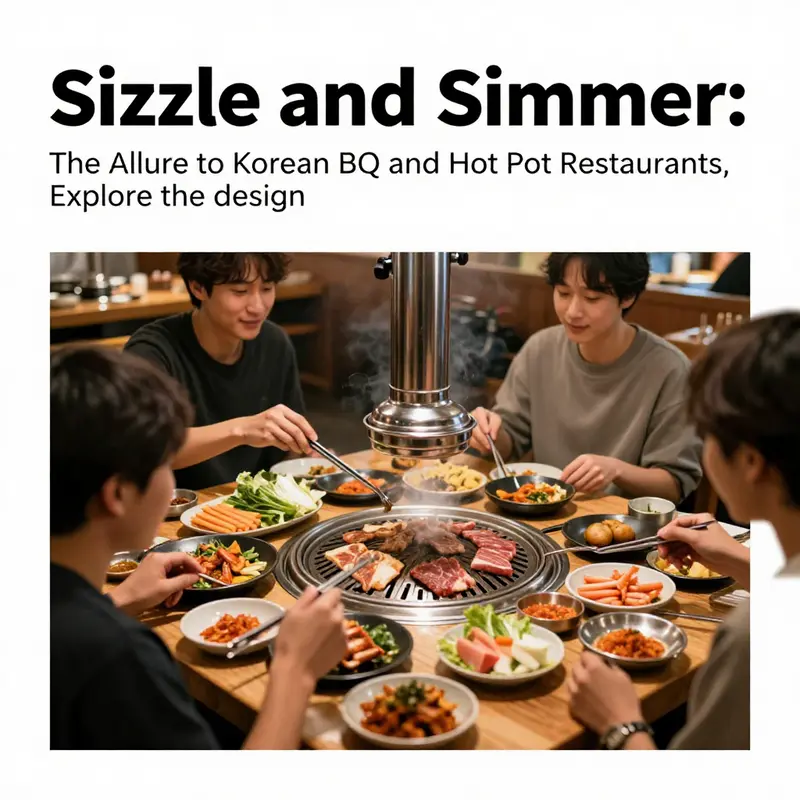
Korean BBQ and Hot Pot restaurants have transcended cultural and geographical boundaries, generating a unique dining experience that emphasizes interactivity and communal dining. As these restaurants gain popularity globally, understanding their operational design, cooking methods, and cultural significance is vital for current and prospective business owners. This article delves into the anatomy of restaurant design, the intricacies of cooking techniques that make Korean BBQ and Hot Pot appealing, and their rising influence across various cultures, equipping business owners with a comprehensive view of establishing or enhancing their own establishments.
Sparks at the Table: Designing Korean BBQ and Hot Pot Spaces for Shared Ritual and Flavor
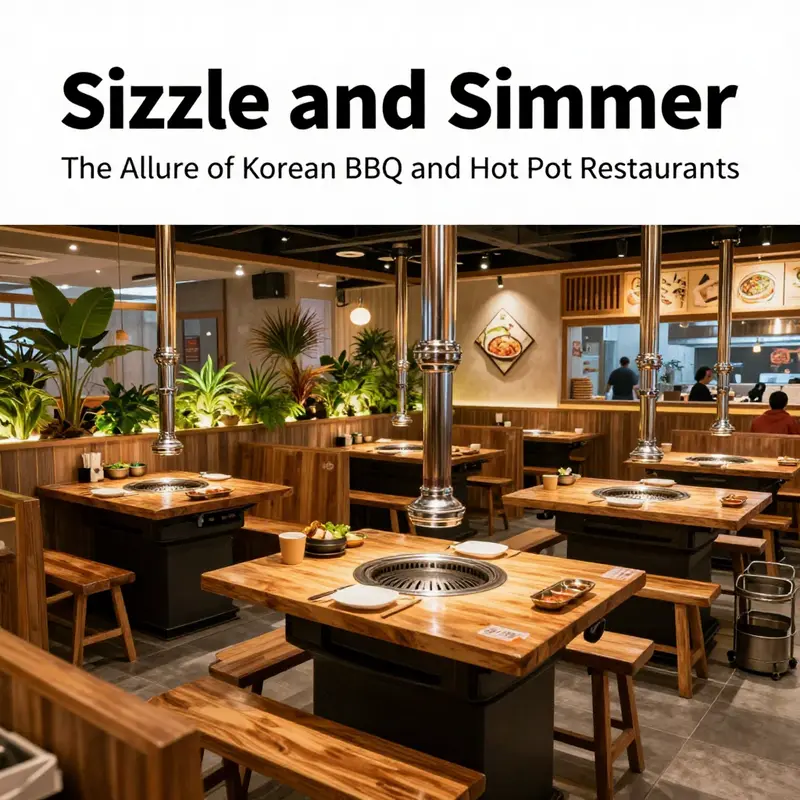
Sparks light up the room not only from the grills but from the design choices that frame a Korean BBQ and hot pot meal as a shared ritual. In these rooms, the table is more than a surface; it is a stage where heat, aroma, and conversation perform together. The architecture and furniture work in tandem to invite guests to lean in, to notice how each bite is shaped by the space around it. The goal is an atmosphere that feels both rooted in tradition and attentive to contemporary dining rhythms.
Atmosphere and ambiance. A modern Koreatown aesthetic often leans into transparency and warmth. The glass façades of some venues invite passersby to peek at the sizzle, turning cooking into a form of theater. Soft backlighting preserves the drama of the flame while keeping the surrounding area welcoming. Subtle nods to East Asian motifs emerge in carved lines or brushed textures, never shouting, always adding texture to the experience. This balance of visibility and intimacy helps guests feel both connected to the action and protected from the outside world.
Spatial layout and functional zoning. Efficiency is the quiet backbone of these spaces. Semi-circular or curved partitions carve intimate islands within a larger room, letting groups form private microcosms without losing sight of the central performance. Concrete floors and exposed walls in a consistent material palette unify the interior, giving it an industrial chic that complements the rawness of live cooking. The design must accommodate a high turn of guests while safeguarding comfort, privacy, and safety, which means aisles that invite movement and tables that sit at the right height for natural interaction.
Culinary integration into design. The cooking stations are not hidden; they are the heart. At the table, half-moon grills let guests control sear, color, and texture with a few confident flips. Ventilation is engineered to pull away smoke and odors, keeping the air clean without dulling the drama of the flame. Beside the grills, hot pot bases simmer, turning broth into a living tableau that evolves with each added ingredient. The scene is kinetic: meat juices merge with aromatics, herbs release fragrance, and steam traces the outlines of conversation. A link to the immersive side of the concept can be seen at the Moon Korean BBQ and Hot Pot, where design language translates into a tangible dining ritual the Moon Korean BBQ and Hot Pot.
Materiality and texture. Materials are chosen not only for durability but for how they reflect light and interact with heat. Stainless steel with brushed finishes offers a sleek, washable surface that still feels premium. Copper and brass accents catch glow from warm lighting, creating halos that frame the table and the diners. Wood and stone may enter sparingly to counterbalance the coolness of metal and the hardness of concrete, grounding the space in tactile reality. The contrast between metal’s clinical shine and wood’s organic warmth echoes the duality at the meal’s core: precise grilling and comforting broth.
Lighting and mood control. Light is a storyteller. Warm-toned wall sconces, discreet ceiling washes, and amber highlights around the grills soften the room after sundown, making every sizzle feel intimate rather than industrial. The glow focuses attention on the food and faces, guiding conversations and enhancing the perception of freshness. Proper lighting also tempers a few architectural imperfections, letting diners read the space as a curated experience rather than a utilitarian room.
Cultural storytelling through design. Every design cue whispers a narrative about quality, authenticity, and community. The brand’s name, the sequence of banchan, even the clink of metal chopsticks contribute to a cohesive story. The space invites sharing, not just eating, embedding the meal in a social ritual. In this design language, the kitchen becomes a showroom and the table a stage where tradition and modernity mingle, creating a memorable pattern that resonates with guests long after the last bite.
Practice and sustainability. The practicalities of safety, cleaning, and maintenance shape every choice. Stairs and benches are kept accessible; ventilation is tuned to balance air quality with energy use. Outdoor variants adapt seating, weatherproof materials, and integrated sauce stations for a patio dining experience, expanding the theatre beyond four walls.
For architects and operators alike, the anatomy of these restaurants is a study in how to fuse culinary drama with human connection. The design must support the dynamic exchange that defines Korean BBQ and hot pot: the heat of the grill, the simmer of the broth, and the glow of shared laughter. It is a concept that travels well, inviting guests to gather and participate in a ritual that feels both ancient and freshly contemporary.
External resource: https://www.designboom.com/architecture/kogi-korean-bbq-sydney-han-lim-03-2021
Sparks, Steam, and Strategy: Mastering Techniques That Make Korean BBQ and Hot Pot Sing
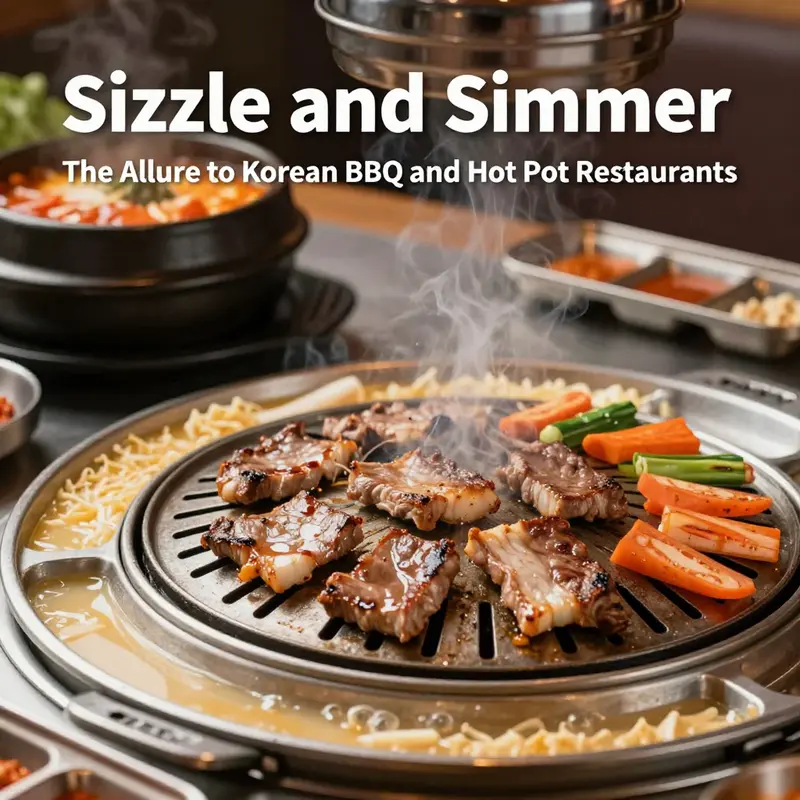
The dining table is the stage, and the techniques performed there are as much about precision as they are about personality. In a Korean BBQ and hot pot setting, sizzle and simmer are not mere sounds; they are the rhythm of a carefully choreographed meal. At the core lies the gogi-gui method, the tableside grilling tradition that invites guests to participate in the transformation of raw meat into flavorful, restaurant-quality morsels. The grill is not a backdrop but a vertex where heat, timing, and texture converge. Marinades, typically built on soy, garlic, sesame oil, and a touch of sweetness, are more than flavor agents. They act as tenderizers and moisture guardians, ensuring an even browning and a juicy interior even as the outside crust forms. The best chefs read the surface with a practiced eye, flipping with tongs and turning cooked pieces aside to rest briefly while new slices meet the heat. Chopsticks are then used to plate or transfer cooked portions, a small but deliberate distancing measure that helps maintain food integrity and reduce cross-contact—a quiet discipline that aligns with traditional etiquette and modern food-safety standards.
Meanwhile, the hot pot component operates as a separate, patient counterpoint. A robust broth base—ranging from bright, peppered kimchi to rich, lingering tonkotsu-like blends—rests in a heavy pot at the table. The boiling point is not merely a measure of heat; it is a living control system. Cast iron bases and similarly heavy vessels are favored for their heat retention, ensuring the broth remains a steady, inviting reservoir as diners add thinly sliced proteins, vegetables, and noodles. In some kitchens, chefs rely on high-heat induction or insulated table inserts to stabilize the simmer, preventing the broth from cooling too quickly while guests decide their pace and preferences. The result is a fluid, interactive experience where conversation and food influence one another’s tempo.
The material choices behind the cooking surfaces reflect a careful balance between performance, maintenance, and guest comfort. Stainless steel grills, common in fast-paced venues, offer quick response to temperature changes, easy cleaning, and a sleek, contemporary look. But their heat retention is modest, so staff gauge the moment when a new batch of meat should hit the grill or when the broth requires a gentle stir to maintain a consistent simmer. Cast iron, on the other hand, excels at holding heat, reducing the risk of temperature drops during longer meals. The trade-off is a heavier table footprint and more attentive preheating. In upscale or outdoor settings, designers couple these principles with weather-resistant materials, built-in sauce compartments, and integrated seating to maintain the intimate, communal feel regardless of weather or crowd size.
Operationally, the techniques extend beyond the grill and pot. Standardized prep routines weave together a reliable tapestry of flavor and service. Proteins are pre-marinated to consistent profiles—bulgogi-like sweetness, galbi-like depth, or lighter, more neutral char. Side dishes (banchan) are portioned into designated compartments to speed up service and reduce cross-contact during bustling periods. Sauces, often the quiet workhorses of the kitchen, are prepared in controlled batches to preserve balance and repeatability across locations. Training emphasizes both culinary precision and customer engagement: staff understand not only cooking times and temperatures but how to guide guests through doneness choices and dipping sauce combinations with confidence and warmth.
An additional layer of complexity comes from the etiquette and flow of service. gogi-gui requires knives, tongs, and chopping actions that minimize cross-contamination while maximizing speed. For guests, the mastery of turn-and-taste becomes part of the experience itself. The kitchen’s choreography—prepped mise en place, well-organized banchan stations, and a trained crew that can read the room—ensures that the live-fire spectacle remains enjoyable rather than exhausting. As customers become immersed in the interactive process, the staff’s ability to manage heat, timing, and table hydration determines the overall satisfaction, especially in mid-to-large urban venues where gas access, ventilation, and safety protocols are continuously tested.
The poetry of technique is in how these elements converge to create a sense of authenticity without sacrificing efficiency. A well-designed table and a well-trained team can transform a simple meal into a culturally rich experience that travels well. The flame, the broth, the sauces, and the quick choreography of turning, tasting, and sharing come together to tell a story of place and tradition, updated for today’s diners who crave both participation and consistency. The equipment isn’t just metal and ceramic; it is a conduit for hospitality, a way to honor a centuries-old practice while delivering modern reliability. For readers curious about the equipment side of the story, a deeper look at how outdoor tables and heat management are engineered can be explored here: The Moon Korean BBQ and Hot Pot. This link illustrates how form and function align in real-world settings.
The knowledge behind these techniques travels beyond the flames and simmer. It informs how menus are designed, how staff move through dining rooms, and how guests experience time at the table. The best operators treat every grill mark and every simmer as a data point—an input into a system that aims for consistent flavor, safe practice, and a memorable sense of communal dining. As the industry continues to evolve, the marriage of traditional marination, careful heat management, and disciplined service will keep the table at the heart of Korean BBQ and hot pot culture, inviting people to cook, share, and linger together. For practitioners seeking a broader technical lens on heat and table design, an external resource on outdoor table composition and industrial benefits provides a rigorous context for ongoing optimization: https://www.example.com/korean-bbq-table-composition
From Grill to Global Table: The Cultural Arc of Korean BBQ and Hot Pot as a Shared Experience
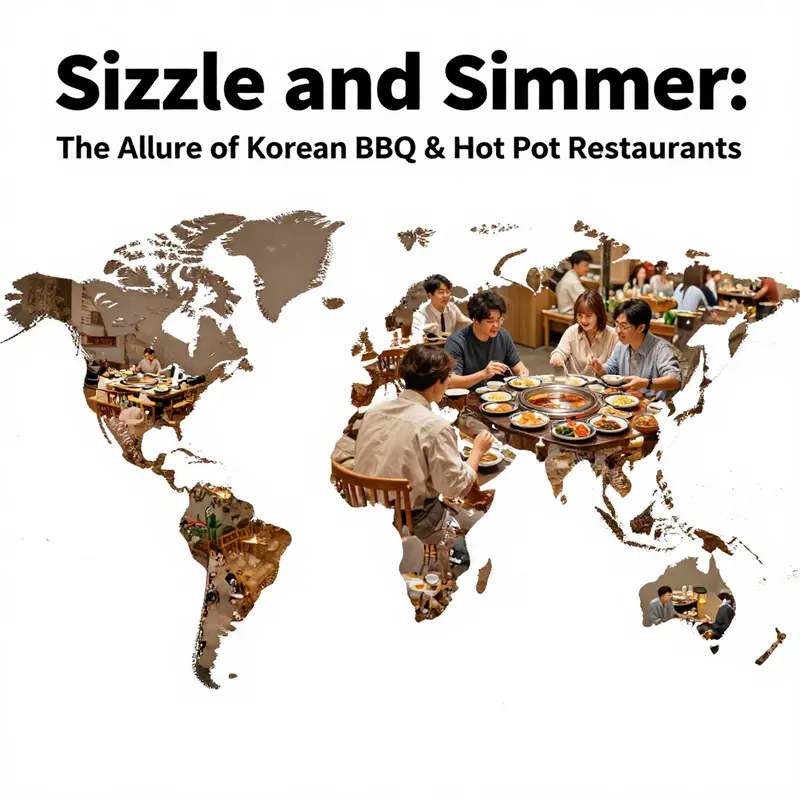
At the table, the first sizzle is more than sound; it is a cue that a meal is becoming a shared event. The ritual of cooking meat at the table, wrapping bite-sized slices in crisp lettuce with ssamjang, and passing dishes around creates a community that travels with the diners as they move from city to city, country to country. This is not merely a trend but a cultural export rooted in northern Korea’s nomadic past and refined in the kitchens of the Joseon era. The modern iteration arrived in the 20th century, accelerated by postwar meat availability and urban growth, turning grilling into a social act that invites participation rather than passive viewing. The tabletop grill, once a practical solution, became a stage for conversation, a way for strangers to become companions, and a framework for sharing flavors in a generous and forgiving way.
As Korean cuisine leaped into global prominence through media and travel, the BBQ-and-hot-pot concept found fertile ground far beyond its homeland. Cities around the world welcomed the opportunity to pair bold marinades with simmering broths, offering a dual experience that marries the heat of the grill with the warmth of a pot. This combination resonates in places seeking interactive dining where guests act as co-chefs, adjusting doneness to preference and watching the broth deepen with each addition of protein and vegetable. In many menus, you can choose a fiery kimchi base alongside milder, seaweed, or creamy tonkotsu options, letting the table curate a signature rhythm of spice and comfort. The result is more than a meal; it is a social practice that invites conversation over the sounds and scents of cooking, a sensory dialogue that travels with the group.
Global appeal is reinforced by popular culture and digital storytelling. K-pop and Korean dramas broadcast vibrant styles and flavors into living rooms worldwide, creating aspirational associations with communal dining, night markets, and hospitable hosts. Travelers encounter this dining model as a tangible memory—grill marks, the clatter of bowls, and the shared satisfaction of a broth that grows more complex with time. In many regions, chefs and operators balance fidelity to traditional techniques with local adaptations. They preserve the core ritual—grilling at the table, wrapping core ingredients in leaves, savoring banchan—while tempering spice levels, ingredient availability, and service pacing to fit different markets. That blend of authenticity and responsiveness helps explain why the concept embeds itself in new culinary ecosystems without losing its essential character.
The roots of this dining phenomenon reach back to eras when meals were not just nourishment but social glue. The practice of assembling food communally mirrors long-standing East Asian dining norms that prioritize sharing and harmony. Yet the modern global table reframes those customs for diverse audiences: taller tables in urban centers, glassy surfaces in contemporary interiors, and a pace of service that respects both gathering rituals and personal preferences. This evolution demonstrates an important principle of culinary globalization: the core idea endures while the surface adapts. The result is a mosaic of experiences that honor tradition while inviting experimentation, a balance that makes the concept feel both familiar and exciting no matter where one sits.
With the expansion comes a growing emphasis on accessibility and inclusivity. The interactive format suits a wide range of occasions—from casual nights out to family gatherings and corporate celebrations—where meals double as experiences. Diners can observe the theater of the grill, negotiate thickness of meat, and then share a table’s evolving broth, which becomes a living memory of the evening. The design of the dining environment—sleek stainless surfaces in high-velocity urban settings, or warm wood and low seating that nods to tradition—reinforces that sense of immersion while supporting efficient service. Even the simple act of choosing sides and sauces becomes a small ritual, inviting participants to trade recommendations and stories as flavors mingle with conversation.
For readers seeking a practical gateway to this world, many venues offer all-you-can-eat formats that pair broad protein selections with a variety of hot-pot bases, a model that invites repeated returns and social sharing. all-you-can-eat Korean BBQ and hot pot.
The global trajectory of these cuisines is not about homogenization but about a dynamic exchange. While restaurants in different regions adapt to tastes and dietary norms, the central appeal endures: the table as a forum for discovery, the grill as a spark for conversation, and the broth as a living, evolving companion to the meal. This enduring appeal reflects broader patterns in contemporary dining, where authenticity and experience converge. The rise of Korean BBQ and hot pot embodies a broader appetite for shared meals, tactile engagement, and the social pleasure of food as a cultural bridge.
To place this trend in a broader context, see the latest global interest in Korean cuisine documented by Statista. Statista – Popularity of Korean Food Worldwide 2024.
Final thoughts
Korean BBQ and Hot Pot restaurants are not just culinary experiences; they embody social connection and cultural exchange. As they continue to gain traction in cities worldwide, understanding their design, cooking methods, and cultural relevance is crucial for any business owner looking to invest in this thriving industry. By incorporating these elements, restaurant owners can create an inviting environment that not only serves food but also fosters community and connection among diners.