
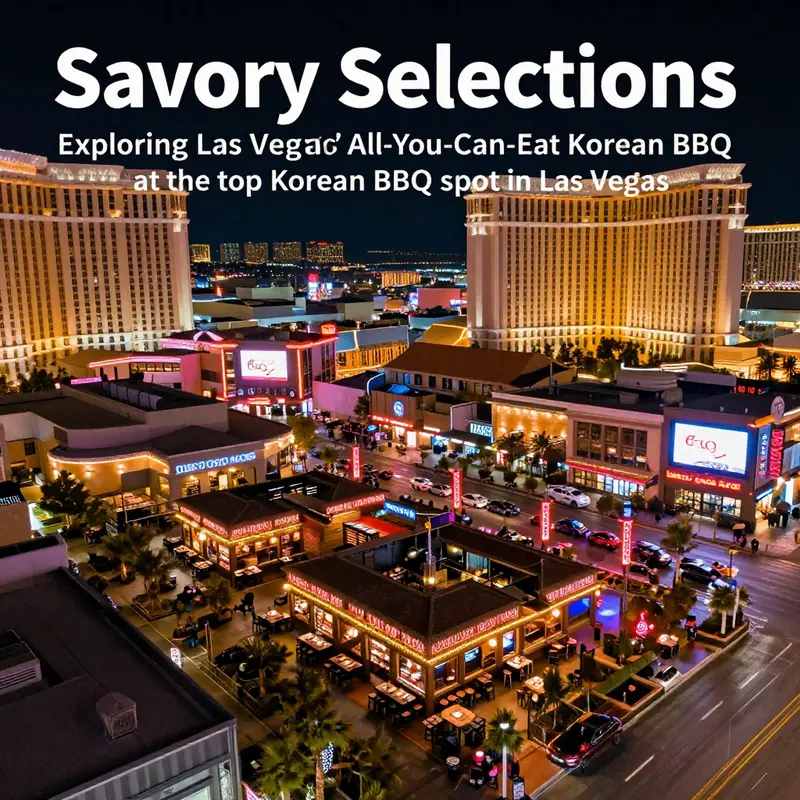
Las Vegas is a city known for its diverse culinary landscape, offering a multitude of dining options that cater to every palate. Among these, all-you-can-eat Korean BBQ has emerged as a popular choice, attracting locals and tourists alike. At the forefront of this dining trend is 888 Korean BBQ in Chinatown, celebrated for its exceptional quality and value. This article outlines the best all-you-can-eat Korean BBQ offerings, with a focus on 888 Korean BBQ, showcasing why it stands out among competitors. We will delve into its menu variety, the quality of food, and the overall dining experience that keeps customers coming back for more.
Unlimited Flavor, Limited Waits: Inside Las Vegas’ All-You-Can-Eat Korean BBQ Scene Featuring 888 Korean BBQ

Las Vegas draws visitors with spectacle, speed, and a hunger that rarely rests. Among the culinary spectacles, all-you-can-eat Korean BBQ stands out as a ritual rather than a meal. In the city’s Chinatown corridor, one name has become a touchstone for meat lovers: 888 Korean BBQ. The venue sits in a modest strip of shops at 4215 Spring Mountain Road, B107, and it has earned a reputation not just for abundance, but for quality that travels beyond the familiar buffet stereotype. The menu reads as a map for the palate: a tiered system that invites guests to calibrate value with ambition, starting from the Basic and Medium up through Top, Kobe-inspired selections. The Kobe Style Package, priced at approximately $45 per person, has been the most recommended, a beacon for those who want to sample a breadth of cuts without bidding farewell to flavor.
The highlight is how the restaurant positions its meat selections. The Top Kobe-style tier promises unlimited high-grade beef, including salmon and SRF Kobe beef, a trio that seems almost excessive in a single sitting yet somehow remains balanced by careful preparation. The SRF beef, tender and marbled, is not just a showpiece; it is a benchmark for the experience, a reminder that all-you-can-eat does not have to mean compromise. Diners often mention the warmth of the sear and the way the meat’s natural sweetness unfurls with the right dip in the house sauces. The sauces themselves deserve attention: a chorus of umami, sweetness, and a touch of acidity that cuts through fat and elevates even the simplest sweep of rice. People joke about the habit of “two bowls of rice” becoming a prerequisite, a playful testimony to a meal that leans into fullness without apology.
The dining rhythm at 888 Korean BBQ is part of the experience. The restaurant operates on a walk-in basis, with no reservations and a steady queue during dinner hours. That model can feel daunting, especially after a long day of sightseeing or gambling, but the payoff often arrives in the form of an almost endless procession of sizzling morsels. Lunchtime tends to be calmer, offering a window to explore the breadth of the menu with shorter waits and a more relaxed pace. For first-timers, it’s easy to underestimate how much one can eat when the kitchen is humming and the grill is never cold. The appetizers, which arrive with a flourish, form a prelude to the star show: oysters, fried chicken, steamed eggs, seaweed salad, and a tofu soup that can soothe a lingering chill after a brisk walk under the desert sun. There is even an on-site option to fry kimchi rice, a small theater that adds texture and sometimes a little char that threads through the meal.
To maximize value, many guests approach the meal as a sequence rather than a sprint. Start with lighter items like kimchi, pickled vegetables, and a small portion of seafood to wake the palate. Then pivot to beef and pork, letting the grill operate at a steady high heat so the fat renders and the surface forms a delicate crust. Pace yourself; the kebab-like rhythm of sizzling slices makes it easy to overlook the journey from first bite to last. If you’re chasing variety, you might reserve room for a later wave of more premium beef to avoid fatigue. The staff can guide you toward the right balance, pointing out which cuts pair well with which sauces and how to rotate back to vegetables to reset the palate. This approach helps many diners stretch the experience from a quick introduction into a full course of flavors, textures, and moments that linger beyond the final bite.
What makes the Kobe-style package especially compelling is its inclusive spirit. It isn’t simply a delta of cuts but a curated experience where the chef’s knife meets the diner’s plate in a dialogue about texture and temperature. The salmon—often a surprising note in an all-you-can-eat lineup—offers a contrast to the beef, a reminder that seafood can sit happily alongside the richest morsels if prepared with restraint. Even with all the abundance, the flavor balance holds. The dipping sauces, a personal favorite of many patrons, help carve a path through the richness. They are not aggressive; they nudge the meat toward its most flattering states, echoing the subtle sweetness of a well-prepared marinade and the gentle heat of a chili kick that lingers but does not overpower.
From a cost perspective, the value proposition is straightforward but persuasive. For about forty-five dollars, guests can chase a range of textures—from the velvet marbling of Kobe beef to leaner cuts that still carry a confident bite. The package structure makes it easier to map how far one wants to push the dinner. Some diners report finishing with a sense of satisfaction that borders on a reward—an acknowledgment that unlimited portions have not diluted the experience but instead expanded it, allowing a deeper appreciation for sauce balance, rice texture, and the crisp edge of a well-greased grill. The feedback often centers on the consistency of service and the way staff anticipate demands, delivering hot plates, fresh banchan, and timely refills without the sense of rushing guests through the course.
Dessert and drink options, while not included in the base tiers, are not the focal point here. Critics may call the perceived omission a “cheapskate” moment, a reminder that all-you-can-eat is a negotiation between quantity and perception. Yet most diners leave singing the praises of the meat, the warmth of the grill, and the camaraderie that comes from sharing a long, unhurried table with friends or family. The overall sentiment is that, while dessert or beverage add-ons exist, they rarely redefine the meal’s core value: quantity married to quality, served with a respect for technique and timing.
For readers mapping the Las Vegas all-you-can-eat Korean BBQ map, 888 Korean BBQ anchors a scene that blends old-school charcoal drama with modern buffet efficiency. It sits within a neighborhood that has become a hub for comparable concepts, giving a frame of reference to the broader landscape of unlimited dining in this city. If you’re curious how this cluster of eateries fits into the overall Las Vegas Korean BBQ scene, see Korean BBQ in Las Vegas Chinatown for context and color that situates this particular restaurant among its peers.
External reference: a window into how diners evaluate their experiences online can sharpen your expectations. For a detailed snapshot of the public reception and rating trajectory, consult the Yelp review page linked here: https://www.yelp.com/biz/888-korean-bbq-las-vegas. It offers a sense of moments—both the high notes and the caveats—that shape the public memory of a visit to this part of the city.
In the end, the narrative around all-you-can-eat Korean BBQ in Las Vegas is one of abundance tempered by discernment. 888 Korean BBQ has crafted a form of hospitality that invites guests to stay, savor, and repeat. It is not merely about stacking plates; it is about recognizing that a well-balanced plate—where marbling, spice, crisp oils, and cool pickled accompaniments play in chorus—can be as comforting as it is thrilling. The restaurant’s location in Chinatown is not incidental; it’s a reminder that the city’s diverse food geography thrives on neighborhood energy, a willingness to experiment, and a shared appetite for a feast that feels almost ceremonial. As diners chase the next bite, they also chase the memory of a night that began with a long line and ended with the kind of satisfaction that makes the next visit feel like a reunion rather than a repetition. And that is the quiet magic at work: a buffet that honors the craft behind every sear while offering the time-honored joy of gathering around a grill with people you love.
Quality, Value, and Wagyu Flavor: Exploring Las Vegas’ Best AYCE Korean

Las Vegas’ all-you-can-eat Korean barbecue scene has a clear standout. In the bustle of Chinatown, there is a place where abundance meets precision, where a steady cadence of sizzling grills signals a meal that is more performance than buffet. The experience here is built around quality as much as volume, a deliberate choice that shows in the meat, the sauces, and the way service keeps pace with appetite. It’s a scene that rewards both planning and spontaneity, and it explains why this particular AYCE concept is often the first name that comes up in conversations about Las Vegas dining.
The restaurant operates a tiered AYCE program with three options—A Basic, B Prime, and C Kobe Style. The tiers are not mere price points; they are different invitations into the kitchen’s range. The C Kobe Style package, priced around forty-five dollars per person, positions itself as the strong value play. It includes higher-end cuts and, notably, wagyu-inspired beef and fresh salmon. That level of attention to sourcing and marbling is unusual for AYCE setups, and it translates into a noticeable texture on the grill and a richer, sweeter finish on the palate. It is the kind of detail that elevates a meal from good to memorable, especially for diners who approach beef as a craft rather than a simple protein to clear from the plate.
Your grill session becomes a dialogue between flame and fat, with the dipping sauces acting as a quiet facilitator. The house-made blends balance salt with umami in a way that deepens flavor without overpowering it. A well-timed dip can transform a lean slice into something with lingering warmth, a bright note that makes the next bite even more anticipated. The rice on the side acts as a neutral partner, a reliable anchor that keeps the momentum of the meal steady as plates pile up.
Beyond the main attraction, the restaurant assembles an extensive array of side items. Tofu soup provides a comforting opening, steamed egg slices arrive like custard-light cushions, and seaweed salad adds a crisp lift that keeps your palate from flattening. A kimchi fried rice option is also available, prepared table-side, allowing you to steer its heat and texture toward your preference. The kitchen’s generosity continues with unlimited access to appetizers such as fresh oysters, crispy fried chicken, and spicy kimchi pancakes, little bursts of personality that set the tone and widen the flavor map before the grill becomes the primary stage.
An AYCE feast here also diverges from the standard by offering a hot pot option and a chance to tailor a post-meal stir-fry. The hot pot adds a communal, simmering element to the table, while the stir-fry station lets you repurpose leftovers into a final, sizzling course. It is this sense of multiplicity—grill, broth, fried rice, and stir-fry—that makes the experience feel like a curated feast rather than a simple sequence of courses. The breadth of the menu is part of the appeal, but so is the consistency across proteins, sauces, and service. Even when crowds swell, the team keeps pace, guiding guests with a calm efficiency that makes the kitchen feel approachable rather than intimidating.
Of course, no strong recommendation is without caveats. Some items, like cheese corn, occasionally miss the mark. Yet even when one offering falls short, the overall harmony—meat texture, sauce balance, and side variety—tends to stay aligned. People return not because a single dish is flawless, but because the tasting journey holds together across bites, bites, and more bites. Lunchtime visits often offer shorter lines and more reliable availability, an appealing contrast to the dinner rush when reservations or a wait become the norm. It’s a simple but meaningful detail that broadens accessibility for locals and travelers alike, especially for those who want to sample the full range without dedicating an evening to a long wait.
As you plan around where to start, remember that the Las Vegas AYCE landscape includes several notable players. But the standout’s appeal lies in its ability to marry generosity with discernment. The premium cuts invite curiosity without demanding a fortune, and the execution confirms that value does not require compromise on flavor. For readers seeking a true tasting of the city’s high-commitment barbecue, this experience offers a lens into how Las Vegas can fuse abundance with craft. If you want a quick primer on the broader neighborhood, you can explore this guide to Las Vegas Chinatown for context and a sense of how this restaurant fits within a broader culinary corridor: Las Vegas Chinatown Korean BBQ guide.
From the kitchen’s rhythm to the table’s tempo, the meal unfolds with a confident pace. The staff often times their service to the grill’s heat, refilling sides and rotating proteins so you rarely feel pushed to hurry. You leave with a sense not just of satisfaction, but of a story. A story about how a city famous for excess can still deliver restraint, balance, and a well-contained sense of indulgence. For those who want to read more about diners’ experiences and evaluation of this style of AYCE Korean barbecue, external voices in reviews echo the same sentiment: it is rare to find such quality tied to such value in a buffet-like format, and that sentiment is what keeps people returning to the table night after night.
External resources and impressions continue to circulate online, shaping expectations and guiding new visitors. A detailed review on Yelp captures the textures, the cuts, and the atmosphere—elements that often determine whether a visitor feels they found a true standout or a well-run compromise. You can read that perspective here: https://www.yelp.com/biz/888-korean-bbq-las-vegas
Fire, Flavor, and Fellowship: The All-You-Can-Eat Menu Experience at 888 Korean BBQ in Las Vegas

In the neon glow of Las Vegas’ Chinatown, 888 Korean BBQ opens a door to a dining ritual that feels both timeless and immediate. The all-you-can-eat format invites a steady conversation around the table, where sizzling metal, bright marinades, and a chorus of chopsticks set the rhythm. The restaurant, tucked along a bustling strip of Spring Mountain Road, becomes a place not just to eat but to share a story of appetite and hospitality. The setup is practical and welcoming: built-in tabletop grills, plates stacked with a chorus of marinated possibilities, and a steady stream of banchan that transform each round of grilling into a small ceremony. It’s a scene that encapsulates the core appeal of Korean barbecue in a city that prizes spectacle as much as seasonings, a balance of theater and comfort that keeps both locals and visitors returning for more.
The menu unfolds like a masterclass in balance. Diners choose from cuts that highlight the sweet-salty depth of traditional Korean flavors: bulgogi, with beef marinated in a harmonious blend of soy, garlic, sesame oil, and a touch of sweetness; galbi, the short ribs that offer a richer, more robust bite; samgyeopsal, the pork belly’s inevitable run of crisp edges and layered fat; and chicken, which stands as a versatile canvas for the same careful layering of flavors. Each option is prepared with a fidelity to classic marinades and natural tenderizers—pear or kiwi among the ingredients that help invite tenderness without sacrificing texture. The result is more than a meal; it is an invitation to experiment with texture and taste, to watch the meat release its aroma as it meets the heat, and to refine a personal balance of salt, sweetness, and smoke over several rounds.
This is where the true heart of the experience shows itself: the dance of dipping sauces, the choice of wraps, and the manner in which diners interact with their food. The accompaniments are not afterthoughts but essential components that elevate the entire meal. Crisp lettuce and perilla leaves provide a musical canvas for ssam wraps, where a single bite can carry a chorus of flavors—from the smoky meat to the tang of kimchi, the brightness of pickled radish mu, and the bite of ssamjang that binds everything together. These elements turn a straightforward barbecue into a multi-sensory event, inviting diners to craft bite-sized narratives rather than simply consume. The sauces, carefully balanced and not overpowering, act as the connective tissue between char and crunch, between heat and cool counterpoint. It’s this attention to detail—down to the texture of the leaf and the bite of the kimchi—that marks the experience as more than a routine filling of plates.
What makes the all-you-can-eat format particularly compelling here is the social energy it nurtures. The table becomes a stage for conversation, careful timing, and shared discovery. Guests negotiate who tries which cut first, who experiments with the lettuce-wrapped ssam combinations, and who takes the riskier pick off the grill—the moment when a new marinade reveals itself with a promising, almost improvisational flair. The interactive nature of the meal turns dining into a communal activity rather than a linear sequence of courses. This dynamic aligns with a broader philosophy of Korean dining: food is meant to be enjoyed together, with generous portions that honor appetite and generosity alike. The environment supports this, with a lively atmosphere that feels energetic but not chaotic, a vibe that draws families, groups of friends, and curious visitors into a shared ritual of flavor and flame.
Where 888 Korean BBQ stands out within the Las Vegas scene is in its thoughtful approach to value and quality. The restaurant offers a range of premium selections at a price point that many diners find reasonable for the quality and breadth of the experience. A notable highlight in the dialogue of the menu is the inclusion of high-grade beef options, described in the source material as premium cuts presented at an accessible price point. The intent is clear: you should be able to explore a spectrum of flavors without feeling pressured to overextend. The philosophy behind the kitchen’s marination and tenderization is aligned with the larger aim of balance—balancing salt and sweetness, bite and tenderness, smoke and umami. In practice, this translates to generous servings and a steady rhythm of turning grilled morsels into a chorus of satisfying bites that keep pace with the table’s appetite.
The breadth of the experience is further extended by features that go beyond the grill. The menu notes a hot pot option, adding a comforting counterpoint to the fire of the grills. Soups become a bridge between rounds, offering a warm, savory counterpoint that can cleanse the palate and prepare it for the next wave of flavors. And after the plates have piled high and the table has found its comfortable rhythm, there’s a post-dinner possibility—a bespoke stir-fry that can be crafted to follow the meal. This final flourish echoes a larger culinary conversation about Korean dining: that flavor should travel beyond meat and kimchi, finding a way to reassemble the day’s work into a last satisfying note. It’s a reminder that the best all-you-can-eat experiences are not just about quantity but about how many ways a table can be engaged, how many distinct moments of heat and aroma can be woven into a single, memorable evening.
The reviews reflect a consistent appreciation for this approach. Across platforms, diners comment on the generous portions, the dependable quality, and the lively atmosphere that makes dinner feel like an event rather than a routine. While some ratings sit modestly in a mid-range, the conversation around 888 Korean BBQ centers on value, flavor, and the feeling that the meal is a celebration of abundance rather than a simple repast. The real testament is in the small details—the crispness of a leaf against a well-grilled slice of meat, the way a perfect dab of ssamjang lingers on the palate, and the sense that the table has just shared a series of memories built around fire and feasting. In a city famed for over-the-top dining, this establishment earns its place by delivering an honest, high-energy, communal experience that speaks to both seasoned fans of Korean barbecue and curious newcomers.
For readers who want to explore the broader landscape of Korean BBQ in Las Vegas’ Chinatown, there is a useful guide that captures the region’s distinctive offerings and the ways in which this culinary style travels across different kitchens. The link below offers a deeper look into the local scene and can serve as a helpful companion to the specific experience at 888 Korean BBQ. To see more about the broader Chinatown grilling scene, visit Korean BBQ in Las Vegas Chinatown.
External reference: For an outside perspective on the restaurant and its reputation, the TripAdvisor page provides a range of guest experiences and impressions that illuminate how visitors encounter the all-you-can-eat format in this city context: https://www.tripadvisor.com/RestaurantReview-g33633-d1981875-Reviews-888KoreanBBQ-LasVegas_Nevada.html
Final thoughts
In conclusion, 888 Korean BBQ sets the bar for all-you-can-eat dining experiences in Las Vegas. With its remarkable quality, extensive menu options, and a commitment to customer satisfaction, it offers an exceptional value that appeals to both local diners and visitors. The experience of grilling premium meats and enjoying a variety of traditional Korean side dishes in a lively atmosphere makes it a must-visit for any BBQ enthusiast in Las Vegas. When considering the best places for all-you-can-eat Korean BBQ in the city, 888 Korean BBQ undoubtedly shines as a premier destination.