
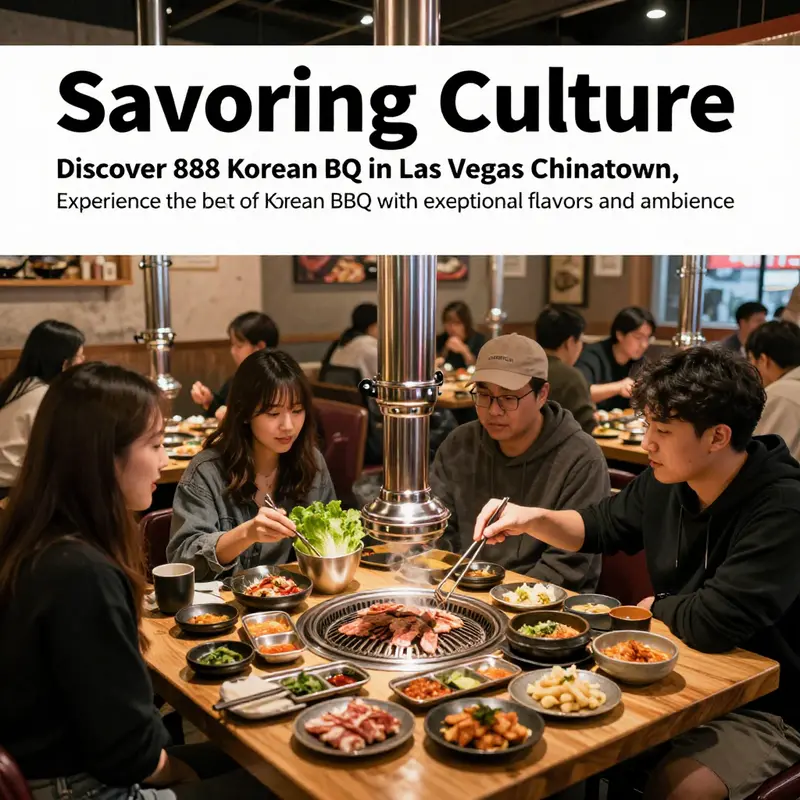
Las Vegas is renowned for its eclectic dining scene, and nowhere is this more evident than in Chinatown’s culinary offerings. 888 Korean BBQ stands out as a premier destination for Korean barbecue enthusiasts. With its exceptional self-service grilled meats and vibrant atmosphere, this restaurant has become a staple for both locals and tourists alike. In this article, we delve deep into what makes 888 Korean BBQ a must-visit, exploring its unique dining experience, popular menu items, and pricing, which collectively highlight the rich culture and flavor of Korean barbecue in Las Vegas’s Chinatown.
Sizzling Tables in Chinatown: Experiencing 888 Korean BBQ in Las Vegas
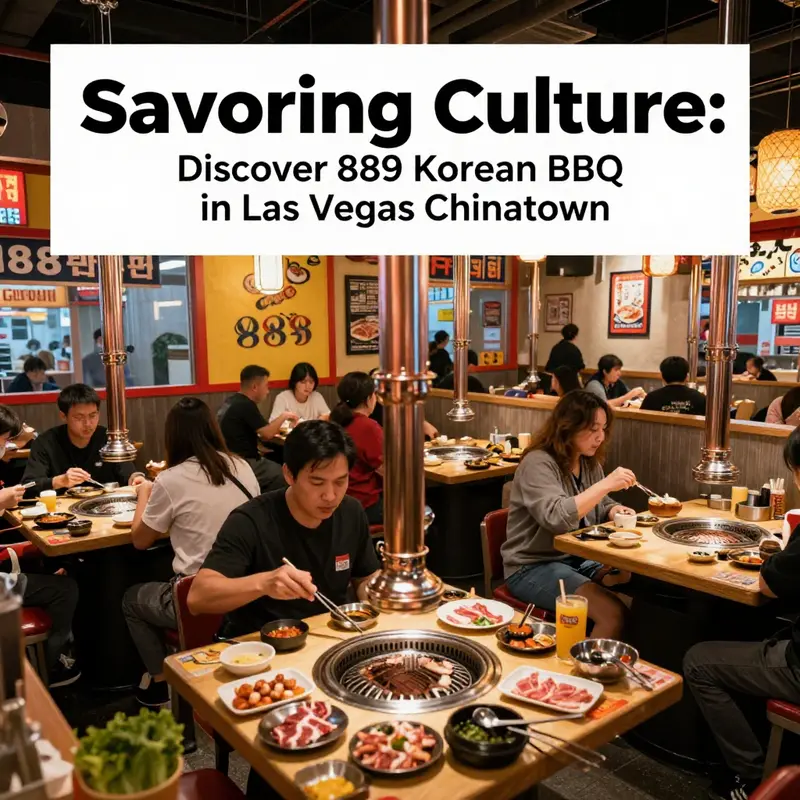
888 Korean BBQ sits tucked inside a bustling Chinatown strip, and it arrives with a reputation that draws locals, visitors, and groups seeking a lively, hands-on meal. The restaurant emphasizes an all-you-can-eat approach, pairing communal grilling with a wide selection of meats and banchan. The format invites conversation, shared plates, and the kind of casual energy that turns dinner into an event rather than a simple meal.
Arriving at the address on Spring Mountain Road places you amid a dense cluster of Asian eateries and markets. That concentration contributes to the neighborhood feeling: you get the hum of multiple restaurants, families coming and going, and a steady stream of people exploring Chinatown. Because of its popularity, the restaurant often has a line. One practical tip many repeat visitors share is that lunch tends to be quieter than dinner, so arriving early can eliminate long waits. Reservations are not accepted, so checking queue updates on review platforms or arriving in person remains the simplest strategy.
The central draw here is the quality and variety of meats served in an unlimited format. Patrons can sample marinated beef, pork, and chicken, along with higher-end choices that occasionally appear on the rotating menus. Some diners highlight a Kobe-style offering and specialty beef selections as standout items, which elevates the experience above standard buffet-level fare. Portions are generous, and the ability to reorder encourages tasting across different preparations. Grilling at the table keeps the food hot and interactive, and the pace of service is usually tuned to keep grills replenished without overwhelming the diners.
Banchan and sauces play an outsized role in the meal. Small side dishes arrive to frame each grilled plate, and many customers praise the house dipping sauces for achieving a rare balance of savory and subtle heat. Those sauces pair especially well with simple white rice, a combination that leads more than one diner to joke about eating two bowls. When sauces are on point, they turn even a modest cut into a memorable bite. Conversely, a few menu items—mostly lighter or novelty sides—have drawn lukewarm responses, so sticking to well-reviewed staples often yields the best results.
Atmosphere leans casual and communal. Tables are designed for groups, and the grills foster conversation and shared attention. The dining room gets loud and friendly, and that energy enhances celebratory dinners or casual meetups. Staff move among tables with a brisk efficiency, though service consistency can vary on busy nights. Many reviews emphasize that any service hiccups rarely detract from the overall enjoyment, because the food and the experience remain the focus.
Value is a major part of the restaurant’s appeal. Pricing places quality Korean barbecue within reach for many guests, especially for groups who want to try multiple items without worrying over individual entree prices. The all-you-can-eat model lets diners pace themselves and sample premium cuts that might otherwise be cost-prohibitive. For anyone prioritizing quantity, variety, and a social dining atmosphere, the restaurant frequently comes recommended.
A practical note: Chinatown hosts a similarly named Japanese barbecue spot nearby, and ride-share drivers or guests new to the area can get confused. Confirming the full address and storefront details before heading over prevents mix-ups. For real-time wait information, many patrons use review platforms that post queue updates and estimated wait times. If you go during a quieter period, the experience becomes more relaxed, with staff able to focus on cooking guidance and table upkeep.
For travelers who want to compare formats or pair this visit with other dining choices, there are resources that explore all-you-can-eat setups combining Korean barbecue and other cuisines. One helpful internal resource discusses all-you-can-eat sushi and Korean barbecue, highlighting how different establishments balance offerings and pricing across formats: all-you-can-eat sushi and Korean BBQ.
Most visitors leave satisfied, citing flavorful marinades, fresh cuts, and the communal grill as lasting impressions. The combination of accessible pricing and memorable dishes makes the restaurant a worthwhile stop for anyone tracing Korean barbecue through Las Vegas Chinatown. For updated hours, menu details, and other specifics, consult the restaurant’s official site: https://888koreanbbq.com.
This spot functions as a snapshot of the Chinatown dining scene: lively, varied, and centered on shared discovery. Whether you go for the high-end beef offerings, the dependable dipping sauces, or simply the social grill-at-the-table ritual, the experience speaks to why Korean barbecue remains a favorite way to dine in groups in Las Vegas.
Sizzle, Lines, and a Lasting Memory: The 888 Korean BBQ Experience in Las Vegas Chinatown
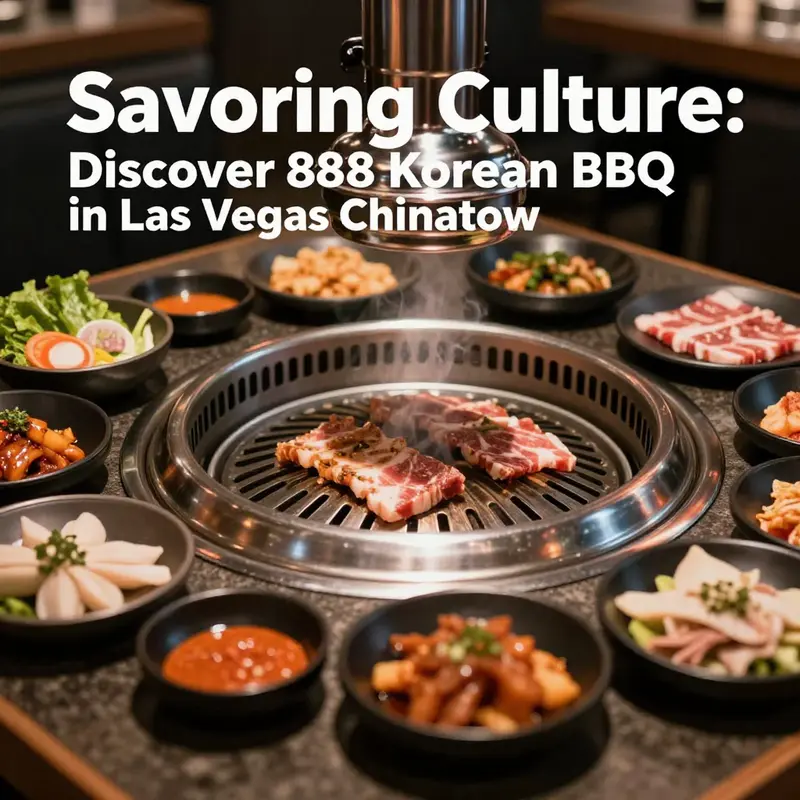
The heart of Las Vegas Chinatown has long pulsed with the scent of sesame oil, grilled meats, and the warm buzz of diners chasing a satisfying flame. Tucked into the Chinatown Plaza at 4215 Spring Mountain Rd Ste B107, 888 Korean BBQ offered a doorway into a buffet style Korean barbecue that drew both locals and visitors with its promise of abundance. Before its doors closed for good, the restaurant stood as a landmark for those seeking a feast that paired generous meat selections with a well-curated lineup of banchan and rice to anchor the experience. The setting was simple and functional, designed to keep the focus on food and social gathering rather than on spectacle. Diners would arrive to a spread that felt almost like a kitchen counter rotated into a dining room, where raw options waited to be brought to life on the grill and shared among friends or family. The allure lay less in a meticulously staged scene and more in the robust, straightforward pleasure of good meat cooking under bright lights and a steady rhythm of sizzling sounds and conversation.
The buffet format was the star, a well organized system that allowed guests to explore a broad spectrum of grilled meats, seafood, and sides with a sense of control. The meat selection typically included an array of marinated beef cuts, pork, and sometimes seafood, designed for quick, individualized grilling at the table. For many guests, the high point was the balance between quantity and quality, a rare combination that makes a buffet feel special rather than merely generous. One of the distinguishing hallmarks cited by regulars was the presence of premium offerings such as Kobe style options and curated beef selections, which gave the experience a sense of indulgence without wandering into luxury gambits. It was the kind of menu that encouraged exploration—a bite of well marinated beef here, a slice of salmon appetizer there, and a quick, satisfying return to the grill to sear a crust and seal in juices.
Sauces and dipping condiments carried the tone of the meal, too. The restaurant’s dipping choices were often highlighted by guests as among the most balanced and flavorful in the category. Aged soy blends, peppery sesame mixes, and garlic-forward dips provided a reliable backbone for the meats, while plain white rice offered a soothing counterpoint that kept the flavor profile from becoming overwhelming. In this setting, the bites often spoke for themselves; the aroma of sizzling meat, the sizzle of fat rendering, and the communal atmosphere fed into a sense of shared experience that made the meal more than the sum of its parts. Even the more routine elements—sides of kimchi, pickled vegetables, and small plates that accompanied the main event—felt elevated by the context of the grill and the steady, friendly pace of service.
Yet no dining chapter is complete without a note on the rhythm and practicalities. The Valleys of wait times and the rhythms of line and seating were a part of the tapestry. Reports from diners suggested that the lunchtime crowd tended to be more forgiving, with shorter waits compared to bustling dinner hours. The restaurant did not take reservations, which meant a line could form outside and inside energies would rise and fall with the currents of arrival. Diners who planned with foresight—checking live queue statuses on review platforms or arriving early—often found the experience smoother. The practical reality of a popular buffet in a busy city neighborhood means embracing the reality of a queue, a shared grill, and the communal joy of making the most out of the meal while it lasts.
There were cautions, too. Some menu items did not meet every palate, and a few dishes drew criticism from habitual tasters who preferred more straightforward, unadorned flavors. A particular item like the cheese corn, in some opinions, did not live up to the room’s otherwise high energy. Still, these outliers rarely defined the overall impression, which tended to elevate the experience through the quality of fresh meat, the consistency of grill work, and the thoughtful balance of sides that rounded the meal into a coherent feast rather than a simple collection of bites.
Today, the dining landscape in the area bears the mark of change. As of the latest update, the location has been reported closed, a circumstance that colors how the memory of this place is carried forward. For those who remember the clang of the grill and the aroma of sesame, the absence leaves a quiet note in the soundtrack of Chinatown Las Vegas dining. The closure does not erase the chapter; it reframes it, inviting readers to reflect on how a single restaurant can shape a neighborhood’s culinary narrative, how a buffet line can become a social ritual, and how the best sauces can linger in memory long after the last bite.
The Chinatown corridor remains a fertile ground for Korean and broader Asian culinary influences, and the story of 888 Korean BBQ underscores a larger truth about Las Vegas: dining is as much about community and timing as it is about food itself. It is easy to confuse nearby spots or past iterations, especially in a concentrated plaza where different outlets sit side by side. Even the neighborhood that housed 888 included a reminder to verify exact addresses to avoid misdirections between similarly named venues. For readers pursuing a sense of place beyond the plate, the lingering impression of the experience matters as much as the specifics of a dish.
If curiosity leads you toward further exploration of all you can eat Korean BBQ experiences in the region, consider this related resource: all-you-can-eat-korean-bbq-san-mateo. For the most up to date status on the Las Vegas site, you can also consult a reliable mapping resource that preserves the current reality of the neighborhood’s dining scene. External resource: https://www.google.com/maps/place/888+Korean+BBQ/@36.155987,-115.179197,15z/data=!4m6!3m5!1s0x80c92d7f0f4a73f5:0x42c715519767a56d!2s888+Korean+BBQ!3m2!1d36.155987!2d-115.179197!4m1!1i0?entry=ttu
Sizzle, Sets, and Savings: Mapping the AYCE Landscape of Las Vegas Chinatown’s Korean BBQ
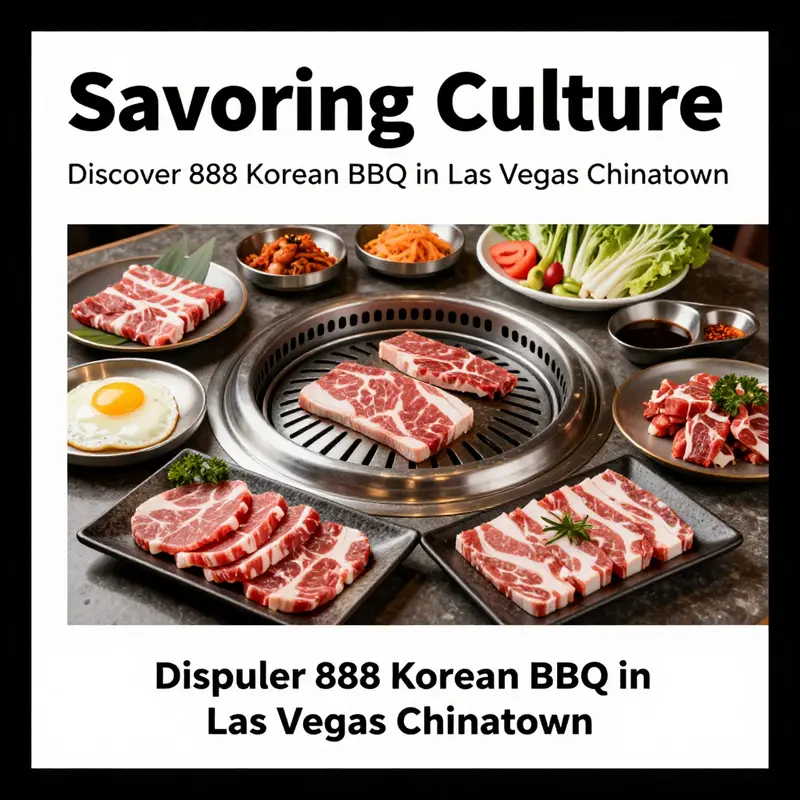
From the neon glow of Spring Mountain Road to the sizzling soundtrack of the grill, Las Vegas Chinatown hosts a dining ritual that feels both familiar and new. 888 Korean BBQ anchors this scene with an all-you-can-eat format that pairs abundance with quality. The base AYCE package starts around $43.95 per person, a price that invites a test of appetite as much as a celebration of appetite’s diversity. The spread centers on three pillars: beef bulgogi with its marbling and caramel notes; pork belly that yields an exterior crackle while staying juicy inside; and chicken thigh, supple and forgiving on hotter grates. Beyond these staples, the menu unfolds into higher-tier options that many guests seek, including a premium Kobe-style sequence and a curated lineup of cuts that resemble a chef’s tasting sheet rather than a simple meat chart. For the palates wishing to push the envelope, there is a SRF Kobe beef option that rings with a refined texture and a quiet, melt-in-the-mouth finish. The service of complimentary salmon starters in some configurations signals a hospitality beyond the ordinary AYCE rhythm. The sense is that price buys breadth here as much as depth.
On the table, banchan arrive in waves, a chorus of small dishes that stay refreshed as long as the grill breathes. Kimchi that carries gentle heat, pickled radish that snaps crisply, bean sprouts tossed with sesame, and tofu cubes that soak up the sauces all compete for space and attention. The sauces themselves are a study in balance: a garlicky soy, a vibrant gochujang-based mix, and a sesame-based dip that rounds out the tang with nutty warmth. When the grill goes into rhythm, the sauces help differentiate cuts, so a bite of bulgogi with sesame-drenched rice can feel like two meals in one. The experience rewards a patient cadence, letting each slice of meat rest on the grate long enough to sing but not so long that it overcooks. It\’s in this tempo that the meal ceases to be merely an eating event and becomes a shared ritual among friends and family, a moment where plates circle and conversation flows as freely as the sauce.
Pricing tiers outline a spectrum rather than a ladder, with the baseline AYCE starting at $43.95 and climbing to more premium selections that include higher-grade beef. Even for the budget-focused, the value remains tangible because the quantity is truly generous and the banchan unlimited. And there is a caveat worth noting: some items, such as a certain cheese corn dish mentioned in a few reviews, may not stand out and can be safely skipped in favor of the crowd-pleasers. The popular C Kobe Style bundle draws attention for its combination of quality and spectacle, pairing notable cuts with the sense of ceremony that a large, well-presented table can inspire. Lunch service tends to be more forgiving in terms of wait time than dinner, a detail that matters when a group is balancing schedules and cravings. For visitors plotting a Las Vegas Chinatown culinary crawl, the mix of value, variety, and theater offers a satisfying anchor, a place where the grill’s hiss and the clink of a sauce dish become the rhythm of the evening.
Such experiences also invite a broader comparison. The AYCE format has carved a recognizable niche from coast to coast, yet each city adds its own texture—Las Vegas Chinatown lending a dash of casino-city efficiency and family-friendly warmth, while elsewhere you might encounter a leaner, more experimental lineup. If you want to frame it against a wider map of all-you-can-eat Korean barbecue, a comparative reference point such as All-You-Can-Eat Korean BBQ in San Mateo can provide a useful perspective on how different markets calibrate meat selection, side dishes, and service tempo. See how some menus emphasize the breadth of choices while others skew toward premium cuts and sous-vide-inspired precision. The experience at 888 Korean BBQ remains anchored by generous portions, steady cooking, and a sauce cabinet that makes each bite feel different, even when the core trio of bulgogi, belly, and thigh reappears on repeat. In this sense, the Las Vegas Chinatown location embodies a balance between comfort-food familiarity and the thrill of a chef’s choice on a busy night. All-You-Can-Eat Korean BBQ in San Mateo.
To those planning a night out along this corner of the city, the guidance is to arrive ready to share and to savor. The grill becomes an instrument for social bonding, not just a device for filling calories. The staff and kitchen work to sustain momentum, so groups can evolve from curious newcomers to seasoned regulars who know which cuts to chase and which sauces to chase after. The result is a dining experience that feels both practical and celebratory—a reminder that in a city of spectacle, a well-orchestrated AYCE spread in a neighborhood enclave can be just as memorable as any high-gloss show. That extra bite of crisp pork belly or a lingering peppery sauce note can linger in memory long after the grill has cooled, turning a casual night into a repeatable ritual. External reference: https://www.google.com/maps/place/888+Korean+BBQ/@36.140574,-115.222778,17z/data=!3m1!4b1!4m6!3m5!1s0x80c8c3f5e4d1a75d:0x8c5f8b3d3d7a4d1b!2s888+Korean+BBQ!3m2!1d36.140574!2d-115.222778!5m1!1e1
Final thoughts
888 Korean BBQ is a culinary gem in Las Vegas’s Chinatown, providing an immersive dining experience that engages all the senses. The interactive grilling setup, combined with the diverse menu and high-quality ingredients, creates a unique outing for friends, families, and business gatherings. Whether you are a seasoned Korean BBQ aficionado or a curious newcomer, visiting 888 Korean BBQ promises a delightful exploration into Korean cuisine, fostering a greater appreciation for its rich flavors and communal dining culture.