
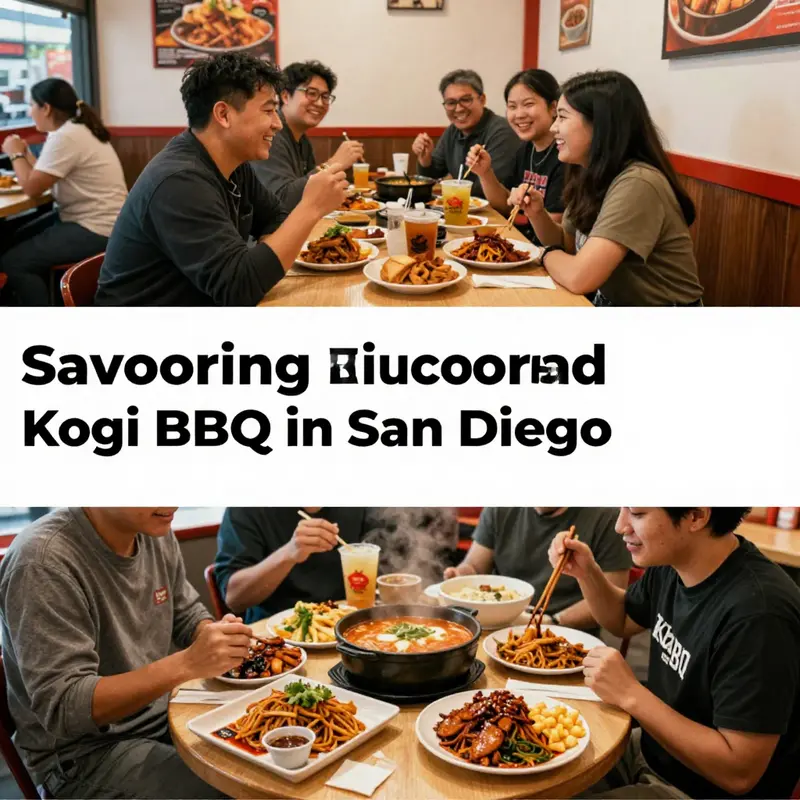
Kogi BBQ has become a culinary landmark in San Diego, captivating both locals and visitors with its unique blend of Korean and Mexican flavors. This article explores the essential elements that contribute to Kogi BBQ’s success, particularly for business owners seeking innovative models in the food industry. Through an overview of key locations, an in-depth look at the menu highlights that showcase culinary innovation, and a review of customer feedback and brand influence, we will uncover what makes Kogi BBQ a business worth emulating in the competitive landscape of dining.
Kogi BBQ San Diego: Fusion Frontier on the City’s Culinary Map
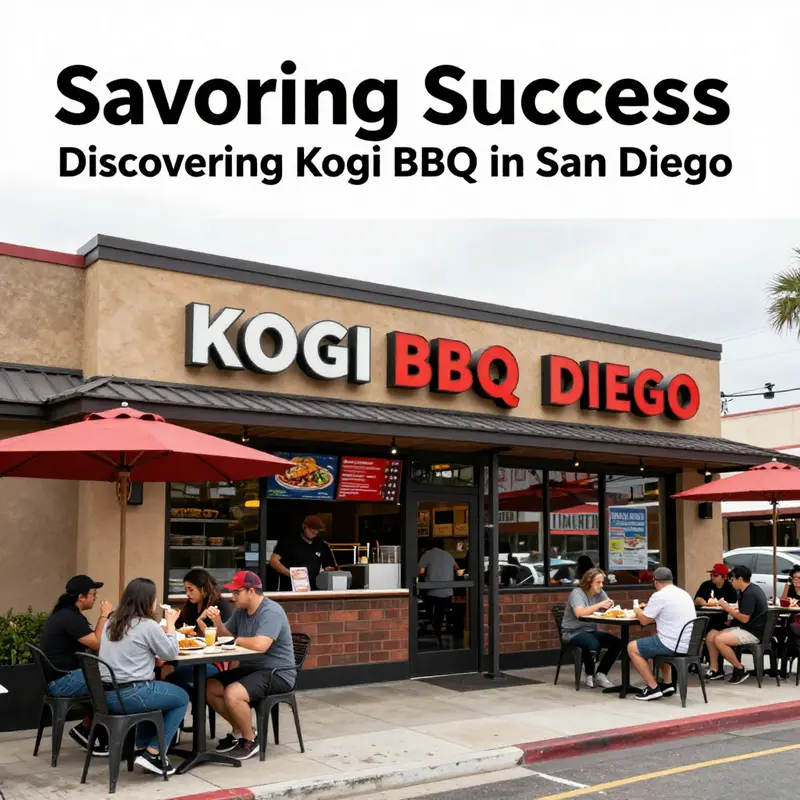
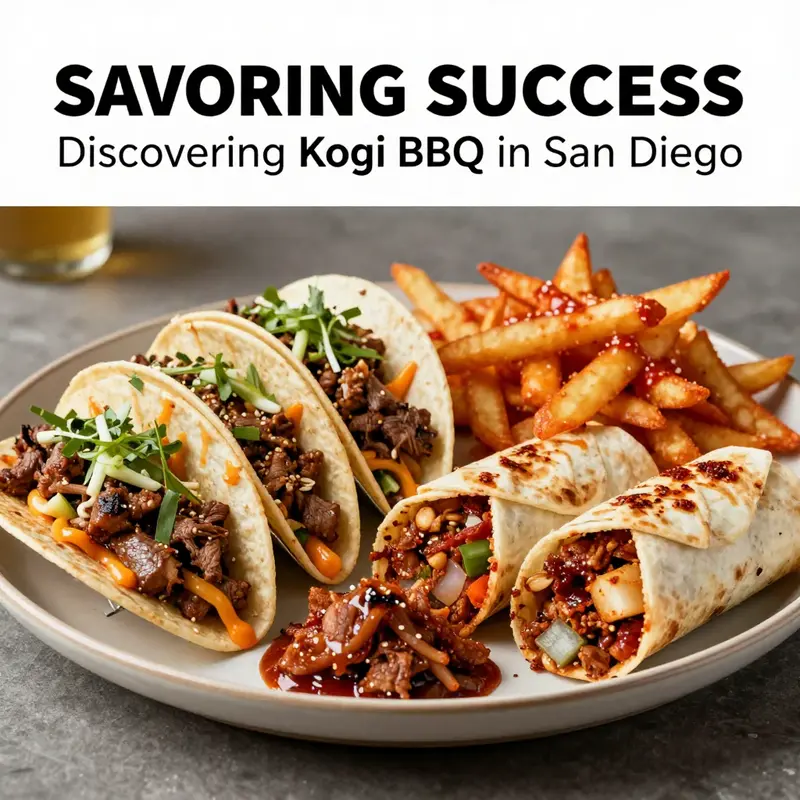
Kogi BBQ San Diego is more than a meal. It is a narrative about how food cross-pollinates cultures and scales from a mobile cart into a city-wide phenomenon. The brand’s rise mirrors the broader arc of American street food, where nomadic flavor becomes a destination experience. In San Diego, this story takes on a distinct local cadence: a coastal city that loves bold flavors, casual dining, and a sense of discovery that invites sharing. From the moment you walk into the main brick-and-mortar outpost in Kearny Mesa, you feel the pulse of a concept that thrives on contrast: the smoke of grilled meat, the bright crunch of kimchi, the soft steam of handmade tortillas, and the easy, approachable service that makes experimentation feel welcome rather than risky. The San Diego iteration has grown into more than a single storefront; it is part of a small ecosystem that includes other venues on the brand’s map, each contributing to an overall sense of adventure in flavors rather than a fixed menu dogma. The core idea remains simple and ambitious: take familiar Korean flavors and present them in formats that feel like street food from a sun-drenched border town. Among the cluster of Kogi locations, the flagship in Kearny Mesa stands out as the most visible anchor. The address, 5447 Kearny Villa Road, Suite A, San Diego, CA 92123, marks a space where regulars come for a reliable, high-energy experience and newcomers discover what fusion really tastes like when it is cooked to order. The restaurant has earned a solid reputation on Yelp, where more than 1,600 reviewers have weighed in and given a 4.1-star rating. That score is not merely a number; it signals a broad resonance with diners who praise not only the food but the service and the atmosphere. People repeatedly note how the staff can adapt to preferences, how the kitchen moves with a sense of confidence, and how the environment remains welcoming even as the volume rises during peak hours. The menu here invites customization: guests can choose meats and watch them sizzle at the table, a tactile reminder that this cuisine lives in motion, not in a static cookbook. Even within a single plate, the combination of textures—char, crisp, tart, and smoky—tells a story about the way the brand has learned to balance intensity with approachability. In practice, staples such as bulgogi-inspired options mingle with modern riffs, including tacos that pair Korean flavors with the missing link between two culinary worlds: the tortilla, the canvas on which many fusion dreams land. Not far away, the Clairemont branch offers a different slit of this kaleidoscope. Located at 1263 East Silverado Ranch Boulevard, San Diego, CA 92123, this site remains an alternative but meaningful brick-and-mortar expression of the same philosophy. It may not carry the same traffic as the Kearny Mesa location, yet it consistently delivers the signature Kogi experience: bold flavors built on high-quality ingredients, friendly service, and a vibe that invites sharing plates, laughter, and late-night conversation. The focus here leans into the essentials—the essence of Korean barbecue, reimagined through a Mexican lens—without sacrificing the sense of welcome that makes regulars want to return. Diners recount the same elements that define Kogi: the visual rhythm of sizzling griddles, the aromatic lift of pickled vegetables, and the satisfying chew of tortillas wrapped around smoky morsels. What matters in this San Diego chapter is less about chasing a single, perfect dish than about sustaining a repertoire that encourages curiosity. The network’s strength lies in consistency across spaces, ensuring that a guest who learns to love the brand in one neighborhood can expect the same spirit in another, with local touches that reflect the city’s casual, outdoor-friendly culture. In many ways, Kogi’s San Diego presence embodies a broader culinary ethic—the belief that borders can blur when technique and culture are embraced with generosity. The car or truck that carried the concept across streets became a set piece in a permanent dining room, and that evolution mirrors a new kind of consumer appetite: not just to eat well, but to participate in a shared narrative. The brand’s ecosystem, which extends beyond the main kitchen and the two kitchens described here, includes other venues that contribute to the same food culture without diluting the core idea. The result is a dining experience that invites discussion as much as it invites a fork into a bite. Each plate becomes a prompt for conversation about how taste travels, how spice can travel with restraint, and how comfort foods from different continents can learn to speak a common language. As San Diego diners continue to explore this language, they find that the city’s dining map is lively precisely because it does not demand conformity; it rewards experimentation, and Kogi’s presence offers a reliable anchor for that curiosity. For visitors planning a trip into this fusion landscape, the strategy is to approach the table with openness and a sense of pace. It helps to sample a little of everything and then let personal favorites reveal themselves. Start with a few bites that pair the smoke of grilled meats with the brightness of pickles and sauces, then build toward combining a couple of tacos with a small bowl or plate that balances heat and tang. The texture play—soft taco shells, crisp toppings, and tender, marinated meat—creates a kinetic dining moment that is more experiential than a sequence of discrete courses. One can sense how the kitchen’s philosophy translates into a casual, social environment where groups share, compare, and vote on favorites. The stories diners tell—about service, about the way certain sauces linger on the palate—become part of the meal’s meaning. It is this dynamic, more than any single dish, that makes the San Diego moment meaningful within the broader arc of the brand’s history. Readers who want a quick snapshot of the San Diego edition can explore a concise overview at Kogi San Diego, which distills the locations, vibe, and flavor philosophy into a single lens. As you wander the city’s neighborhoods, you will see how this fusion thread threads itself through casual dining spaces and neighborhood favorites alike, weaving a recurring pattern of warmth, speed, and inventive appetite. The story here, in short, is not just about a menu; it is about a cultural exchange that happens every time a tortilla meets a sizzling slab of marinated meat and a bright, crisp slaw. It is about the way a brand’s street-smart beginnings continue to inform an evolving dining ecosystem that remains welcoming to locals and travelers alike, a pattern that San Diego has embraced with the same gusto that drew so many to the first carts decades ago. External reference for further context: https://www.kogibbq.com
null
null
Kogi BBQ San Diego: The People, the Pulse, and a Brand Built on Fusion Flavor
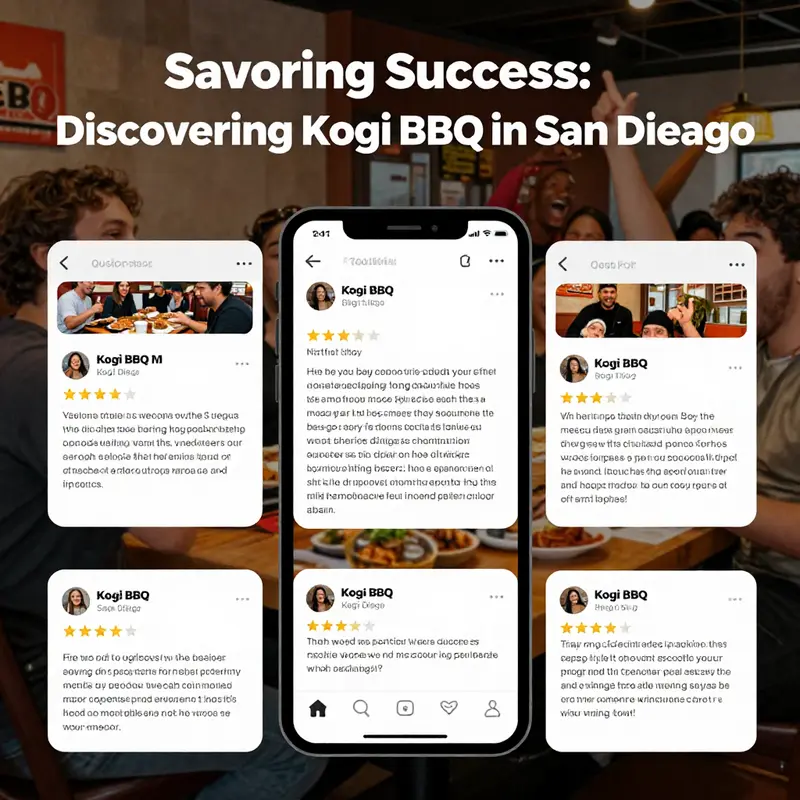
In San Diego, a city that prizes diversity and culinary risk-taking, the physical footprint of a single fusion brand has become more than a storefront—it’s a lens on how a modern, mobile-first concept can settle into a bustling regional food scene. The flagship San Diego location, situated at 5447 Kearny Villa Rd, Ste A, stands not just as a restaurant but as a touchstone of the brand’s local identity. It is a place where the kitchen’s rhythm meets a steady stream of guests, and where the staff’s coordinated movements under bright lights translate into a dining experience that many describe as efficient even when lines curl around the block. The space itself feels deliberate: a compact stage for high-energy cooking and quick, attentive service that keeps pace with a crowd that seems to arrive in waves rather than a single peak hour.
What draws guests back is not only the menu’s breadth but the clever fusion that happens on the plate. The restaurant’s offerings span a spectrum that blends Korean-inspired techniques with influences from street-level Mexican flavors, producing bites that feel both familiar and novel. Patrons often praise the quality of the ingredients and the craft of the kitchen staff—findings that recur across reviews and seem to anchor the brand’s reputation in San Diego. A recurring thread in positive feedback notes the experience as excellent, with diners frequently remarking on how the staff handles the rush with poise and how seating, even during peak times, is managed with surprising swiftness. Such observations matter: they suggest a level of operational discipline that helps sustain a brand built on a dynamic, mobile concept adapting to a fixed urban footprint.
Social chatter around the restaurant amplifies this narrative. Short video clips and quick posts from diners on platforms like TikTok highlight not only the flavor profile but the hospitality that accompanies the meals. A notable detail that surfaces in those clips is the mention of a garlic butter component that elevates a dish, a small but telling example of how the brand’s flavor language extends beyond the kitchen into the dining room experience. This kind of praise—specific, sensory, and shareable—amplifies the brand’s voice in San Diego’s crowded food landscape and helps convert first-time visitors into repeat guests who follow the brand across its different concepts and pop-ups.
The brand’s larger story helps explain why San Diego feels receptive to this fusion approach. The company traces its origins to street-food culture, where mobility, adaptability, and a willingness to experiment with familiar flavors defined success. That origin story resonates in a city that already embraces cross-cultural cuisine as a daily staple. The brand’s ecosystem—beyond the primary restaurant—extends to other ventures such as a bar and a separate concept that broaden the audience and invite longer visits. Together, these elements form what critics describe as a cohesive culinary ecosystem rather than a one-off dining stop. The synergy between the restaurant, its ancillary concepts, and social buzz creates a kind of brand gravity that pulls locals and visitors into the orbit of the San Diego location and, by extension, into the wider brand narrative.
However, the story is not without its tensions. A segment of the customer base has voiced concerns about transparency around service charges. In at least one Yelp review, a party of six felt misled by an 18% service fee that was not clearly communicated, leaving a sense of being “ripped off” at the end of the meal. The tension here is not about the quality of food or hospitality alone but about how the business communicates its pricing policies in a busy environment where wait times, seating availability, and a high pace can blur the details. The experience underscores a core challenge for a brand that thrives on rapid service and high volume: when the hospitality promise and the pricing policy diverge in perception, trust erodes even as the product remains strong. For a brand that rewards word-of-mouth and a loyal following, transparency becomes a critical ingredient in sustaining positive sentiment through a changing customer base and occasional lapses in the guest experience.
This dynamic is instructive for brands navigating a city’s competitive dining market. On the positive side, the San Diego chapter demonstrates how a distinctive flavor story—rooted in fusion and presented with an efficient service model—can carve out a durable niche. The online conversation surrounding the brand emphasizes vivid, shareable experiences: the excitement of discovering a new texture or combination, the satisfaction of fast, friendly service during a rush, and the pride diners feel when they can recognize a signature taste in a familiar dish. The brand’s social media presence helps perpetuate that excitement, creating a feedback loop where each new visitor becomes a potential advocate who amplifies the brand’s reach across neighborhoods and social circles. The combination of culinary curiosity, a responsive seating strategy, and a sense of community around the brand’s broader family of concepts reinforces San Diego’s appetite for this style of dining.
A concise way to view the footprint and its evolving narrative is to consider the brand’s San Diego page as a central hub for local activity and updates. It functions as a gateway to understanding how the brand positions itself in a city that prizes both flavor and speed. For readers who want a compact snapshot of the local presence and the brand’s stance in San Diego, see the Kogi San Diego page. Kogi San Diego.
Looking ahead, the brand’s San Diego chapter could deepen its connection with guests by prioritizing enhanced communication around pricing and service policies while preserving the core strengths that define its identity: bold, inventive flavors; a hospitality-driven service model; and a lively, inclusive atmosphere. The lessons distilled from customer feedback—both praise and critique—offer a blueprint for refinement. They point toward a more transparent guest journey without sacrificing the efficiency and warmth that have become the hallmarks of the brand’s local experience. In a city where dining is as much about story as it is about sustenance, the brand’s ability to balance these elements will determine its staying power and its continued influence on San Diego’s ever-evolving culinary map.
For readers seeking a broader sense of how diners respond to the brand’s strengths and cautions, the Yelp page offers a real-world pulse check—the kind of consumer sentiment that fuels both loyalty and dialogue in a brand’s local life. See the discussion there for a window into the mix of enthusiastic praise and pointed cautions that shape ongoing conversations about quality, transparency, and hospitality in this vibrant market.
External resources: for a broader sense of customer sentiment and to explore more reviews, you can visit the Yelp page that consolidates many perspectives on this San Diego location.
Final thoughts
Kogi BBQ in San Diego stands out as a fascinating model for success in the culinary world, combining innovative menus with a commitment to customer satisfaction. Its unique blend of flavors and dedication to quality provides invaluable lessons for business owners aiming to thrive in the food industry. By embracing the essence of Kogi BBQ’s approach, other businesses can find inspiration to redefine their culinary offerings, enhance customer satisfaction, and ultimately cultivate a loyal clientele. The journey of Kogi BBQ encourages us to innovate and connect with our customers, ensuring a bright and prosperous future in the dining field.